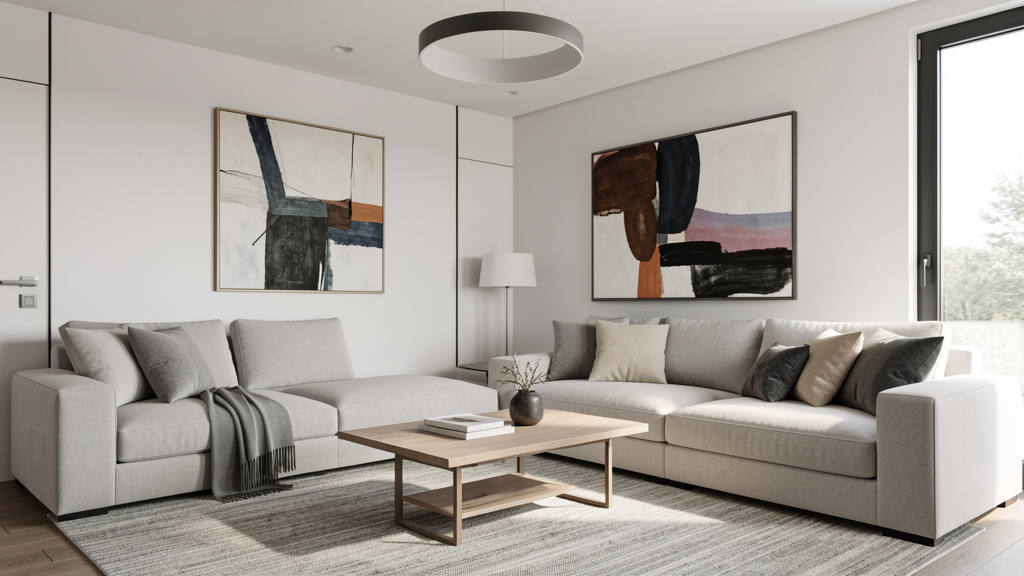
Move beyond fleeting trends. Understand the core principles, historical context, and future-facing innovations that define authentic contemporary design—and learn how to apply them with intention in your own space.
Contemporary design is not a catalog of furniture or a Pinterest board of perfect rooms. It is a responsive, breathing philosophy shaped by our collective experiences, technological shifts, and cultural conversations. Unlike modern design—a fixed historical style rooted in early-to-mid 20th century minimalism—contemporary design exists in the present tense, constantly absorbing global influences, sustainability imperatives, and human-centered innovations. This guide clarifies the distinction between “modern” and “contemporary,” reveals the four foundational pillars driving today’s most resonant spaces, and provides a practical, adaptable framework to help you cultivate an environment that feels authentically now—without sacrificing warmth, personality, or longevity. Whether you’re refreshing a single room or reimagining your entire living environment, you’ll gain clarity to make intentional choices that honor both aesthetics and ethics.
Introduction: Beyond the Glossy Surface
Walk into any design showroom, scroll through social media feeds, or flip through shelter magazines, and you’ll encounter a recurring visual language: clean lines softened by organic textures, neutral palettes punctuated by earthy tones, spaces that feel open yet deeply personal. This is contemporary design in its current expression. But beneath the curated imagery lies a profound evolution—one shaped by climate awareness, digital saturation, cross-cultural exchange, and a growing desire for authenticity over perfection. Contemporary design today is less about how things look and more about why they exist in a space. It asks: Does this object serve a purpose? Does this material tell a story? Does this layout support how we actually live?
Scholarly perspectives consistently frame contemporary aesthetics as a thoughtful response to late-20th-century excess and the rigid doctrines of high modernism. Where modernism championed “form follows function” with industrial precision, contemporary design embraces “form follows feeling”—prioritizing emotional resonance, sensory experience, and contextual relevance. This shift mirrors broader societal movements toward mindfulness, inclusivity, and environmental stewardship. Analyses from institutions like the Royal College of Art and the Harvard Graduate School of Design observe that today’s influential designers—across architecture, interiors, and product design—increasingly move beyond stylistic dogma toward solutions responsive to specific human needs, local ecologies, and ethical considerations. This isn’t mere decoration. It’s design with conscience.
Understanding contemporary design requires shedding outdated assumptions. It is not synonymous with “minimalist” (though minimalism can be a tool within it). It is not inherently cold, sterile, or impersonal—those are misapplications, not inherent traits. True contemporary design thrives on contrast: the rough next to the refined, the handmade beside the high-tech, the quiet moment alongside bold expression. This guide provides a living framework—not a rigid checklist—to navigate this nuanced landscape. You’ll learn to distinguish passing influences from enduring principles, integrate global inspirations respectfully, and create spaces that evolve gracefully with your life. Let’s begin by establishing the foundation upon which all intentional contemporary design is built.
The Living Framework: Four Pillars of Authentic Contemporary Design
Contemporary design resists a single definition because it is inherently contextual. A home in coastal Portugal will express contemporary values differently than an apartment in Tokyo or a cabin in Colorado. Yet beneath these regional variations lies a consistent philosophical core. Through analysis of diverse projects, publications, and emerging creator portfolios across continents, a clear pattern emerges: the most resonant contemporary spaces consistently honor four interconnected pillars. These are not stylistic rules but guiding intentions. Master these, and you’ll develop an intuitive compass for every decision—from paint swatches to floorplans.
Think of these pillars as interdependent systems. Neglect one, and the entire design may feel unbalanced. Overemphasize another, and authenticity may suffer. Together, they create harmony between aesthetics, ethics, and human experience. This framework replaces trend-chasing with purposeful curation. It transforms overwhelming choices into meaningful opportunities.
Pillar 1: Contextual Awareness—Designing With Place, Not For It
Contextual awareness is the antidote to generic, placeless design. It means deeply considering where a space exists—geographically, culturally, historically, and even climatically—and allowing those factors to inform choices. This pillar moves away from the “cookie-cutter” approach where identical interiors appear globally. Instead, it asks: What does this location whisper? How can design honor its story while serving present needs?
Why this pillar matters:
Spaces disconnected from context may feel transient or alienating. A stark concrete loft might resonate in Berlin’s industrial Mitte district but feel incongruent in a historic New England farmhouse. Contextual design fosters belonging. It creates emotional anchors. Research in environmental psychology, including studies published in the Journal of Environmental Psychology, suggests that environments reflecting local identity can enhance occupant well-being and strengthen sense of place. When design acknowledges context, it communicates: You belong here.
How to apply contextual awareness practically:
Begin with observation, not shopping. Spend time in the space at different times of day. Note the quality of light—does morning sun flood the eastern wall? Does afternoon light cast long shadows through mature oak trees? Observe materials native to the region: local stone, regional wood species, traditional plaster techniques. In Santa Fe, adobe walls and vigas (exposed ceiling beams) aren’t just decorative; they’re climatically intelligent, providing thermal mass in desert heat. In Scandinavia, light-reflective surfaces and warm wood tones respond to long, dark winters—a practical adaptation now globally admired.
Consider cultural resonance. In Kyoto, contemporary homes often incorporate engawa (transitional verandas) and shoji screens reimagined with modern materials, honoring the Japanese principle of ma (negative space) and connection to nature. In Mexico City, designers like Frida Escobedo integrate talavera tile fragments or locally sourced cantera stone into minimalist layouts, creating dialogue between pre-Hispanic craft and contemporary form. You don’t need to replicate these elements literally. Instead, ask: What is the spirit of this place? How can I echo it subtly?
For urban dwellers, context includes the building’s history. In a converted Brooklyn warehouse, preserving original brick, exposing ductwork honestly (not as “faux industrial” decor), and using art that references the neighborhood’s legacy creates continuity. In a mid-century suburban ranch, honoring the era’s connection to outdoors might mean expanding window openings (with proper structural consultation) and selecting furniture with organic curves that complement the original architecture—not fighting it.
Common considerations:
– Cultural appreciation vs. appropriation: Using sacred Indigenous patterns as decor without understanding their meaning risks appropriation. Learning about local craft traditions and commissioning work directly from community artisans reflects appreciation. When drawing from cultures not your own, prioritize education, collaboration, and credit.
– Beyond nostalgia: Context isn’t about recreating the past. It’s about thoughtful integration. A single salvaged door repurposed as a tabletop can honor history; covering every surface in reclaimed barn wood may feel costumed.
– Micro-context matters: Your street, neighbors’ architecture, and community character all inform context. A wildly avant-garde facade might disrupt neighborhood cohesion. Context operates at multiple scales—from the room to the watershed.
Adapting to your constraints:
– Ideal path: Commission a local artist to create a site-specific piece using regional materials.
– Budget-conscious: Visit farmers’ markets or craft fairs. Purchase a hand-thrown mug from a nearby potter. Display regional botanicals (dried lavender in Provence, eucalyptus in California).
– Immediate step: Study your neighborhood’s architectural history online. Choose one color from a historic building’s facade for an accent wall. Use library resources to learn about local ecology—then select balcony plants that support native pollinators.
The Fundamental Principle: Great contemporary design doesn’t impose an aesthetic onto a place; it listens to the place and gives it voice.
Pillar 2: Material Honesty and Tactile Intelligence
Material honesty means allowing substances to express their true nature—celebrating grain, texture, imperfection, and aging—rather than disguising them. A concrete floor isn’t painted to mimic marble; its subtle variations and developing patina become part of its story. Reclaimed wood shows saw marks and nail holes; these aren’t flaws but evidence of history. This pillar moves beyond “faux” finishes (vinyl mimicking wood, laminate pretending to be stone) toward authenticity. But material honesty extends further—it embraces tactile intelligence: how surfaces feel underfoot, against skin, in changing light. Contemporary design today is deeply sensory.
Why material honesty resonates now:
In an age of digital saturation and mass production, humans often crave tangible connection. Neuroaesthetic research indicates that textured, varied surfaces may reduce stress and increase cognitive engagement compared to uniform, synthetic environments. Material honesty also aligns with transparency—a core contemporary value. Knowing what something is made of, where it came from, and how it was made fosters intentionality. When a material is honest, it requires no explanation. Its integrity is self-evident.
Understanding key contemporary materials—and how to use them:
Wood: Look beyond generic terms. European white oak offers subtle grain; American black walnut features dramatic figuring; Japanese hinoki cypress provides a citrusy scent and warm hue. Use wood structurally where possible: exposed beams, floating shelves revealing joinery. For flooring, wide-plank options with matte finishes highlight natural character. Avoid overly uniform, heavily stained floors—they can feel manufactured. Embrace variation.
Concrete: Beyond industrial clichés. Polished concrete floors with aggregate exposure create dynamic, durable surfaces that age gracefully. Micro-cement walls offer seamless, sculptural possibilities. Crucially, concrete should feel intentional—not like an unfinished basement. Pair its coolness with warm textiles or wood accents.
Plaster: The quiet hero of contemporary walls. Venetian plaster, tadelakt (Moroccan waterproof plaster), or American clay plaster provide depth, soft light diffusion, and breathability unmatched by flat paint. Each application is unique—slight ridges from the trowel, color variations—making walls feel alive. Ideal for creating serene, monolithic backdrops that highlight art or architecture.
Stone: Honor geology. Instead of uniform granite countertops, consider honed soapstone (which darkens beautifully with use), rough-hewn slate for hearths, or locally quarried fieldstone. Book-matched marble slabs create focal points, but their veining should feel organic, not artificially enhanced.
Textiles: Prioritize natural fibers with visible texture: undyed linen, hand-loomed wool, raw silk, organic cotton. These materials breathe, age softly, and develop character. A linen sofa cushion will wrinkle—this isn’t failure; it’s evidence of use and comfort. Avoid overly stiff, synthetic fabrics that feel “showroom perfect” but lack soul.
The art of material juxtaposition:
Contemporary design thrives on thoughtful contrast. Place rough against smooth: a nubby bouclé armchair beside a sleek blackened steel desk. Combine warm and cool: honey-toned teak shelves against a cool gray plaster wall. Layer matte and gloss: unglazed ceramic vases on a honed stone surface. These contrasts create visual rhythm and sensory interest. Avoid matching everything perfectly—uniformity can feel sterile. Instead, seek harmony through intention. A room with varied wood tones can feel cohesive if each is chosen for purpose and placed with care.
Addressing common considerations:
– “Won’t honest materials show wear?” Yes—and that’s often part of their story. A leather chair develops a patina; wood floors gain character from scratches. This reflects wabi-sabi: finding beauty in impermanence and imperfection. Choose materials appropriate for your lifestyle. A high-gloss epoxy floor might suit a low-traffic studio but not a home with young children.
– “Aren’t natural materials expensive?” Not always. Reclaimed wood from salvage yards can be cost-effective. Local stone reduces shipping costs. Prioritize honesty in high-impact areas (a fireplace surround) and use simpler finishes elsewhere.
– “How do I maintain them?” Research is key. Tadelakt requires periodic olive oil soap treatment; raw linen benefits from gentle washing. View maintenance not as burden but as ritual—a way to engage with your space. Many contemporary designers now provide “care guides” with projects, reframing upkeep as connection.
Adapting to your constraints:
– Ideal path: Source materials directly from local artisans or salvage yards. Specify FSC-certified wood or recycled-content countertops.
– Budget-conscious: Visit Habitat for Humanity ReStores for unique doors, hardware, or tiles. Use sample pots of natural clay paint to create an accent wall. Thrift stores often yield solid wood furniture that can be stripped and re-oiled to reveal honest grain.
– Immediate step: Focus on texture through textiles. Drape an undyed wool throw over a synthetic sofa. Place a jute rug over dated carpet. Add a thoughtfully arranged branch in a corner—nature’s honest material.
Pillar 3: Human-Centered Functionality—Designing for Real Life
Human-centered functionality moves beyond “form follows function” to “form follows feeling and flow.” It prioritizes how people actually live—their routines, relationships, quirks, and needs—over rigid aesthetic ideals. A contemporary kitchen isn’t just a gallery of handle-less cabinets; it’s a space where the coffee station is positioned near the morning sunbeam, where drawers open smoothly for arthritic hands, where there’s a dedicated spot for charging devices away from the cooking zone. This pillar rejects “showroom syndrome”—spaces designed to photograph well but fail in daily use.
Why functionality must be emotional, not just mechanical:
Contemporary life is complex. We work from home, care for aging parents, navigate neurodiversity, seek moments of calm amid chaos. Design must respond with empathy. Research from organizations like the Center for Health Design indicates that environments thoughtfully tailored to human needs may reduce stress, support focus, and nurture social connection. A reading nook with task lighting and acoustic buffering supports mental well-being. A mudroom with varied-height hooks accommodates children and adults. Human-centered design acknowledges that “function” includes emotional safety, dignity, and joy.
Mapping your space to your life rhythms:
Begin with a “behavior audit.” For one week, note:
– Where do you naturally gather? (Not where furniture is placed, but where people actually congregate)
– What daily frustrations exist? (Tripping over shoes by the door? No place to set a drink while cooking?)
– What moments bring joy? (Morning coffee by the window? Evening reading with lamplight?)
– Who uses this space? Consider ages, abilities, sensory preferences. Does someone need lever-style door handles? Extra lighting for detailed tasks? Quiet zones for overstimulation?
Apply these insights spatially:
The Kitchen: Beyond the work triangle. Integrate a “landing zone” near the entrance for groceries. Include deep drawers (easier to access than lower cabinets) with soft-close mechanisms. Position the sink under a window for views while washing dishes—a small psychological uplift. For families, a lowered section of countertop allows children to participate safely. For remote workers, a discreet charging station hidden in a cabinet keeps cords tidy.
The Living Area: Create multiple “activity zones” within one room. A conversation area with inward-facing seating encourages connection. A separate quiet corner with a comfortable chair and focused lighting supports reading or meditation. Avoid floating all furniture away from walls in large rooms—it can feel exposed. Anchor seating with area rugs to define zones.
Bedrooms: Prioritize sleep hygiene. Eliminate blue-light sources (use warm, dimmable bedside lighting). Choose blackout curtains if streetlights disrupt sleep. Ensure nightstands are within easy reach. For shared bedrooms, consider dual lighting controls so one person’s routine doesn’t disturb another.
Transitional Spaces: Hallways, entries, and stairwells are often neglected. Install shallow shelves for keys and mail. Add a small bench for putting on shoes. Use wall sconces to eliminate harsh overhead shadows. These micro-moments of thoughtfulness accumulate into profound daily ease.
Inclusive design as thoughtful practice:
Contemporary design increasingly embraces universal design principles—creating environments usable by all people, to the greatest extent possible, without adaptation. This benefits everyone. Wider doorways accommodate strollers and furniture moves. Lever handles are easier for small hands or arthritic grips than knobs. Varied counter heights in kitchens allow seated or standing use. Non-slip flooring supports safety. These choices reflect empathy. Organizations like the Global Universal Design Commission provide clear guidelines—integrating even a few principles elevates functionality and ethics simultaneously.
Avoiding the “minimalism trap”:
Minimalism can support human-centered design by reducing visual clutter, but it becomes counterproductive when it forces belongings into hidden storage, creating friction. True functionality honors your reality. If you love cooking, display your beautiful ceramic bowls. If you have children, integrate accessible toy storage that encourages tidying. The goal isn’t emptiness; it’s clarity. Every object should earn its place through use or meaning. Ask: “Does this support how I live today?” If not, reconsider its placement—or its presence.
Adapting to your constraints:
– Ideal path: Consult an occupational therapist or certified aging-in-place specialist for personalized modifications.
– Budget-conscious: Rearrange existing furniture based on your behavior audit. Add peel-and-stick felt pads to cabinet doors to reduce noise. Install motion-sensor nightlights in hallways for safety.
– Immediate step: Clear one high-friction zone this week. Remove everything from your entryway closet. Keep only items used weekly. Donate the rest. Notice the immediate reduction in morning stress.
Pillar 4: Sustainable and Ethical Intent—Beauty with Conscience
Sustainability in contemporary design has evolved from a niche concern to a foundational ethic. But “sustainable” is often misused as a marketing term. Authentic sustainable intent means considering the entire lifecycle of every choice: material sourcing, manufacturing impact, transportation, longevity, repairability, and end-of-life considerations. Ethical intent extends further—ensuring fair labor practices, supporting marginalized makers, and respecting cultural heritage. This pillar recognizes that beauty cannot be separated from responsibility. A stunning sofa made with toxic adhesives in exploitative conditions contradicts contemporary values.
Moving beyond superficial claims:
Many products tout “eco-friendly” labels without transparency. Thoughtful contemporary practice invites inquiry. Consider:
– Origin: Shorter supply chains often reduce transportation impact.
– Composition: Prioritize rapidly renewable materials (bamboo, cork), recycled content (glass, metal), or reclaimed materials. Be mindful of materials with high embodied energy.
– Process: Look for certifications: FSC (forest stewardship), Cradle to Cradle (material health), GOTS (organic textiles), Fair Trade (labor ethics).
– Longevity: Durability is sustainability. A well-made wooden chair may last generations; a particleboard alternative may not.
– End-of-life: Can it be repaired? Recycled? Composted? Design for disassembly is an emerging contemporary principle.
Practical pathways to ethical curation:
Furniture: Seek pieces with visible joinery (dovetails, mortise-and-tenon) indicating craftsmanship and repairability. Buy vintage or antique—giving existing objects new life is deeply sustainable. Support makers who share supply chain details. Brands like Sabai (modular, repairable sofas) or Emeco (recycled aluminum chairs) exemplify transparent practices.
Textiles: Choose GOTS-certified organic cotton, linen, or hemp. Consider natural dyes—plant-based colors often have subtle variations that add character. Support cooperatives like Maiwa (India) or Oaxacan weavers who preserve traditional techniques with fair compensation.
Paint and Finishes: Standard paints may release VOCs over time. Specify zero-VOC options like Clare, Backdrop, or natural clay paints (American Clay, Earth Pigments). For wood finishes, plant-based oils (linseed, tung) offer alternatives to polyurethane.
Lighting: Prioritize LED fixtures (energy efficiency) with warm color temperatures (2700K-3000K) for comfort. Support designers using recycled glass or metal. Consider the light’s purpose: task lighting reduces need for bright overheads.
The power of “slow design”:
Contemporary design increasingly embraces slowness as resistance to fast furniture culture. This means:
– Waiting for the right piece instead of impulse-buying
– Commissioning local artisans
– Learning basic repair skills (reupholstering, refinishing)
– Choosing modular systems that adapt as needs change
A hand-thrown ceramic lamp from a local potter may cost more upfront but carries story, supports community, and lasts decades. This mindset shift—from consumption to curation—is central to contemporary ethics.
Addressing real-world constraints:
– “Sustainable options feel out of reach.” Start small. Replace one item consciously. Buy secondhand first. A vintage rug often costs less than new and has lower environmental impact. Prioritize high-use items (mattresses, sofas) for ethical investment; use budget finds for temporary pieces.
– “I don’t have time to research.” Bookmark trusted resources: Good On You (brand ethics ratings), Sustainable Furnishings Council. Follow designers known for transparency (Ilse Crawford, Yabu Pushelberg).
– “What about existing items?” Sustainability includes keeping what you have. Refinish that dated dresser. Reupholster chairs. Honor the resources already invested. Contemporary design isn’t about starting from scratch; it’s about evolving mindfully.
Adapting to your constraints:
– Ideal path: Consult a specialist in sustainable interiors for a one-time audit.
– Budget-conscious: Use marketplace apps filters for “solid wood.” Visit estate sales for quality vintage pieces. Swap items with friends.
– Immediate step: Today, unplug one unused electronics charger. Tomorrow, place a reusable water bottle by your sink to reduce single-use plastic. Small actions build ethical momentum.
The Fundamental Principle: Contemporary design without ethical intent is merely decoration. With it, every choice becomes an act of care—for people, planet, and future generations.
The Evolution: Tracing the Roots from Modernism to the Present
To fully grasp contemporary design’s fluid nature, we must understand its lineage. Confusing “contemporary” with “modern” is like mistaking “current events” for “history.” Modern design refers to a specific movement (roughly 1920s-1970s) defined by pioneers like Le Corbusier, Mies van der Rohe, and Charles and Ray Eames. Their mantra—”form follows function”—rejected ornate historical styles in favor of industrial materials (steel, glass, concrete), open plans, and machine-age efficiency. Iconic pieces like the Barcelona Chair remain influential because they solved human problems with elegance. Modernism was revolutionary, but its later interpretations sometimes hardened into cold minimalism, prioritizing aesthetic purity over human comfort.
Contemporary design emerged as a gentle evolution beyond modernism’s rigidity. By the 1970s and 80s, designers began reintroducing warmth, texture, and historical reference. Postmodernism playfully engaged with modernist rules (think Michael Graves’ teakettles), while Scandinavian design never abandoned hygge—coziness through natural materials and soft light. The 1990s brought “transitional” style, blending traditional elements with cleaner lines. But the true catalyst for today’s contemporary aesthetic was the digital revolution. The internet dissolved geographic barriers, exposing us to global design traditions. Social media accelerated visual literacy but also created fatigue with overly curated perfection. Simultaneously, climate awareness and ethical consumption movements shifted priorities from more to meaningful.
Key turning points shaped today’s landscape:
– Early 2000s: The “McModern” trend—cookie-cutter tract homes with minimalist boxes—sparked desire for authenticity.
– 2008 Financial Crisis: Forced resourcefulness. Thrifting, upcycling, and DIY gained legitimacy. “Less but better” became a mantra.
– 2010s: Pinterest and Instagram democratized design inspiration but also homogenized it (“beige everything”). Conscious pushback began: #NoMoreBeige, #WarmMinimalism.
– 2020 Pandemic: Transformed homes into multifunctional sanctuaries. Biophilic design (integrating nature) surged. Comfort became non-negotiable. Sustainability shifted from niche to necessity.
– Today: AI tools offer new creative possibilities, but human touch is prized more than ever. Neurodiversity awareness influences sensory design. Regenerative design—going beyond sustainability to actively support ecosystems—is an emerging frontier.
This evolution isn’t linear. Contemporary design today is a tapestry woven from multiple threads:
– Japanese Wabi-Sabi: Beauty in imperfection, transience, and asymmetry.
– Scandinavian Hygge/Lagom: Coziness, balance, and “just enough.”
– Biophilic Design: Evidence-based connection to nature (views, natural light, plants, natural materials).
– Japandi: Fusion of Japanese minimalism and Scandinavian warmth—clean lines softened by organic textures.
– Afrofuturism: Reclaiming African aesthetics with futuristic vision, influencing color, pattern, and spatial storytelling.
– Disability Justice Design: Centering accessibility as creative catalyst, not compliance.
Understanding this history prevents trend-chasing. When you see “curved sofas” trending, you recognize echoes of 1970s organic modernism—a response to angular rigidity. When “dark academia” aesthetics resurface, you see historical eclecticism meeting contemporary nostalgia. History provides context, not constraint. Contemporary design honors the past without being bound by it. It asks: What wisdom can we carry forward? What must evolve?
Color, Light, and Texture: The Sensory Language of Contemporary Spaces
Color, light, and texture are contemporary design’s emotional vocabulary. They communicate mood, define space, and engage the senses far beyond visual appeal. Today’s palette has moved away from the stark whites and monochromes of early-2000s minimalism toward nuanced, nature-inspired harmony. This isn’t about following Pantone’s “Color of the Year”; it’s about understanding how hues interact with light, materials, and human experience to create environments that feel lived-in and alive.
The Contemporary Color Philosophy: Depth Over Drama
Contemporary color schemes prioritize subtlety and layering. Instead of bold accent walls that dominate a room, designers build palettes through tonal variation—multiple shades of the same hue creating depth. Think: warm white walls (not pure white), oatmeal textiles, clay-toned ceramics, and deep charcoal (not black) for contrast. This approach feels calming yet sophisticated.
Why earth tones resonate (and why it’s not monotonous):
Earthy palettes—terracotta, olive, ochre, slate, mushroom—connect us to nature, a primal source of comfort. Research suggests that natural color schemes may reduce stress and increase feelings of restoration. These hues also provide a versatile backdrop that allows art, plants, and personal objects to shine. Crucially, contemporary earth tones avoid looking “muddy” through careful balancing:
– Warm neutrals (creams, beiges) ground a space.
– Cool neutrals (greiges, taupes) add sophistication.
– Earthy accents (sage, rust, clay) provide gentle focal points.
– Deep anchors (charcoal, forest green, navy) add weight and definition.
Avoid the “all-beige” trap by introducing variation in value (lightness/darkness) and undertone. A beige with pink undertones paired with a beige with yellow undertones creates subtle tension. Sample paints on large boards and view them at different times of day—morning light reveals coolness; evening light enhances warmth.
Strategic use of color:
– Small spaces: Light, warm neutrals make rooms feel airier. Avoid stark white—it can feel clinical.
– North-facing rooms: Lean into warm undertones (creams, soft yellows) to counteract cool light.
– South-facing rooms: Cooler neutrals (greiges, soft grays) balance intense sunlight.
– Ceilings: Painting ceilings the same color as walls (in a lighter sheen) creates enveloping coziness. A hint of warm white on ceilings reflects light softly.
– Trim and doors: Painting trim the same color as walls creates seamless flow—a contemporary signature. For contrast, use a shade slightly darker than walls, not pure white.
Lighting: Sculpting Space and Mood
Contemporary lighting rejects the “one bright overhead” model. Instead, it layers three types of light to support different activities and emotions:
1. Ambient Light: Overall illumination (recessed LEDs, cove lighting, floor lamps with upward glow). Sets the base mood. Use dimmers universally—lighting should adapt to time of day and activity.
2. Task Light: Focused illumination for specific activities (under-cabinet kitchen lights, adjustable desk lamps, reading lights beside beds). Prioritize warm color temperature (2700K-3000K) to reduce eye strain.
3. Accent Light: Highlights architecture or art (picture lights, wall grazers, discreet LED strips under shelves). Creates drama and depth.
Key contemporary lighting principles:
– Hide the source: Cove lighting washes walls with soft glow; concealed LEDs under cabinets eliminate harsh shadows. The light should be felt, not seen.
– Embrace shadows: Perfectly even light feels artificial. Strategic shadows add dimension and mystery. A single sculptural floor lamp casting patterned shadows can be more evocative than ten recessed cans.
– Natural light as priority: Maximize windows with minimal window treatments. Use sheer roller shades for privacy without blocking light. Position mirrors opposite windows to amplify daylight. In windowless rooms (like bathrooms), specify high-CRI (Color Rendering Index >90) LEDs that mimic natural light’s accuracy.
– Human-centric lighting: Tunable white systems (adjusting color temperature throughout the day) support circadian rhythms—cooler light in morning for alertness, warmer light in evening for relaxation. Even simple dimmers and warm bulbs support this principle.
Texture: The Silent Communicator
In an era of digital flatness, texture provides essential tactile richness. Contemporary design layers textures to create visual interest without clutter. A room with only smooth surfaces (glossy floors, flat paint, sleek furniture) feels sterile. Introduce contrast:
– Rough: Reclaimed wood, raw plaster, nubby bouclé, hand-thrown ceramics
– Smooth: Polished stone, honed concrete, silk, glass
– Soft: Wool rugs, linen curtains, cashmere throws
– Structured: Woven rattan, ribbed wood paneling, pleated fabric
How to layer textures intentionally:
Start with your largest surfaces: floors, walls, major furniture. If floors are smooth hardwood, add a textured rug. If walls are smooth plaster, introduce wood shelving with visible grain. Then layer smaller elements: a smooth ceramic vase on a rough wood table; a soft wool blanket draped over a structured leather chair. The goal is rhythm, not randomness.
Texture for sensory needs:
– For anxiety or overstimulation: Prioritize soft, uniform textures (plush rugs, matte finishes) and minimize visual “noise.”
– For sensory-seeking individuals: Incorporate varied textures within reach—nubby pillow, smooth stone paperweight, woven basket.
– In shared spaces: Create texture zones. A smooth dining table for easy cleaning; a textured living area rug for comfort underfoot.
The Symphony of Sensory Elements
Color, light, and texture never work in isolation. A warm terracotta wall (color) appears richer under dimmed ambient light (lighting) and feels more inviting next to a rough-textured plaster finish (texture). Test combinations holistically. Place fabric swatches against paint samples under your room’s actual light. Notice how a linen curtain diffuses afternoon sun into a soft glow. This integrated approach transforms technical choices into emotional experiences. Contemporary design understands that we don’t just see spaces—we feel them in our bodies. Every sensory detail contributes to that feeling.
Technology as an Invisible Ally: Integrating Smart Features Without Sacrificing Soul
Technology’s role in contemporary design has matured significantly. Early “smart homes” often felt like gadget showcases—visible wires, clashing interfaces, and features that complicated rather than simplified life. Today’s contemporary approach treats technology as an invisible ally: seamlessly integrated, human-centered, and respectful of a space’s aesthetic and emotional integrity. The goal isn’t to showcase the latest tech but to enhance well-being, efficiency, and connection—without demanding attention. When done well, you notice the benefit (gentle morning light, ideal room temperature), not the mechanism.
Core Principles for Thoughtful Tech Integration
1. Invisibility Over Exhibition: Hide wires, speakers, and sensors. Recessed speakers in ceilings or walls deliver sound without visual clutter. Motorized shades tuck neatly into cassettes. Wireless charging pads embed into countertops or bedside tables. Technology should serve the space, not dominate it.
2. Simplicity in Control: Avoid app overload. Unified systems (like Savant, Control4, or Apple HomeKit) allow control via voice, a single tablet, or intuitive wall panels. Prioritize “scenes”: one tap for “Good Morning” (shades rise, lights warm up) or “Movie Night” (lights dim). Complexity should happen behind the scenes; user interaction should feel effortless.
3. Human-Centered Automation: Automate tedious tasks, not human moments. Program lights to gradually brighten before your wake-up time (supporting circadian rhythm). Set thermostats to adjust when you leave home. But avoid automating intimate moments—like lights turning off while you’re reading in bed. Tech should adapt to your rhythms, not impose its own.
4. Prioritize Well-Being Features: Focus on tech that enhances health:
– Air quality monitors with integrated purifiers
– Water filtration systems visible only as a sleek faucet
– Circadian lighting systems that shift color temperature throughout the day
– Acoustic treatments (hidden sound-absorbing panels) for home offices or media rooms
Room-by-Room Integration Guide
Kitchen:
– Under-cabinet LED strips with motion sensors provide task lighting without switches.
– Smart faucets with touchless operation reduce germ spread.
– Critical: Ensure all tech is easy to clean and moisture-resistant. Avoid screens on countertops—they collect grease and feel dated quickly.
Living Areas:
– In-wall or in-ceiling speakers create immersive sound without bulky components.
– Motorized shades with light sensors automatically adjust to prevent glare.
– Wireless charging built into coffee tables or side tables.
– Critical: Maintain “tech-free zones.” Designate areas (like a reading nook) without screens or smart features to encourage analog connection.
Bedrooms:
– Smart shades that open gradually at sunrise to support natural waking.
– Bedside controls for lights, temperature, and “Do Not Disturb” modes.
– Critical: Eliminate blue light before bed. Use warm-dim lighting systems that shift to candlelight tones in the evening. Keep phones out of the bedroom—use a traditional alarm clock.
Bathrooms:
– Anti-fog mirrors with integrated LED lighting.
– Smart showers that preset temperature and duration (water-saving).
– Heated floors controlled via thermostat.
– Critical: Prioritize waterproofing and safety. All electrical components must meet local code requirements. Avoid complex interfaces near water sources.
Avoiding Common Tech Considerations
– System compatibility: Mixing incompatible systems (Google Home with Apple devices) can create frustration. Choose an ecosystem early and stick with it. Consult a professional integrator for complex setups—they prevent costly mistakes.
– Privacy considerations: Place cameras and microphones thoughtfully. Never in bedrooms or bathrooms. Use physical shutters on cameras. Regularly review app permissions. Transparency builds trust.
– Future-proofing: Install conduit in walls during renovations for easy wire upgrades. Choose systems with open protocols (like Matter) that work across brands. Avoid proprietary tech that becomes obsolete quickly.
– The human element: Technology should never replace human ritual. The joy of manually brewing coffee, flipping a light switch, or opening a window connects us to our environment. Balance automation with intentionality.
Adapting to your constraints:
– Ideal path: Work with a certified smart home integrator during construction/renovation for seamless wiring.
– Budget-conscious: Start with one “scene.” Use smart plugs for lamps (voice-controlled lighting). Install a single smart thermostat (saves energy long-term). Add battery-operated motion-sensor lights under kitchen cabinets.
– Immediate step: Unplug one unused device today. Tomorrow, rearrange furniture to maximize natural light—free, healthy, and beautiful.
At its best, technology recedes into the background, allowing human experience to take center stage. It removes friction so we can focus on what matters: connection, creativity, rest. Contemporary design embraces tech not as a status symbol but as a quiet enabler of a more intentional, responsive life. The most profound feature in your home might be the view from the window—but if technology helps you appreciate that view more deeply (by adjusting shades at golden hour), it has earned its place.
Global Perspectives: How Contemporary Design Adapts Across Cultures
Contemporary design is inherently global, yet its expression is deeply local. The internet has dissolved geographic barriers, allowing ideas to flow freely—but authentic contemporary practice doesn’t copy-paste aesthetics across contexts. Instead, it engages in respectful dialogue: absorbing universal principles while honoring regional wisdom, materials, and lifestyles. This section explores how contemporary design manifests uniquely across five distinct regions, revealing patterns that transcend borders while celebrating specificity. Understanding these variations enriches your own practice, fostering appreciation over appropriation and inspiring context-aware choices.
Scandinavia: Hygge Meets High Function
In Denmark, Sweden, and Norway, contemporary design is inseparable from hygge (coziness), lagom (balance), and friluftsliv (open-air living). Long, dark winters necessitate interiors that maximize light, warmth, and human connection.
Key Characteristics:
– Light Amplification: White or light-gray walls, reflective surfaces (light wood floors, mirrors), and strategic artificial lighting combat seasonal darkness.
– Natural Materials: Light oak, ash, pine, wool, and sheepskin provide warmth and texture. Sustainability is deeply valued—FSC-certified wood and natural fibers dominate.
– Human Scale: Furniture is low-profile and inviting. Modular sofas encourage conversation. Every object serves a purpose (lagom rejects excess).
– Indoor-Outdoor Flow: Large windows frame nature. Balconies become year-round spaces with weather-resistant textiles and heating.
Contemporary Evolution:
While mid-century icons (Wegner, Jacobsen) remain influential, today’s Scandinavian designers like Norm Architects or Note Design Studio push further: embracing darker palettes (charcoal, deep green) for sophistication, integrating Japanese wabi-sabi principles (celebrating imperfection), and pioneering circular design (products designed for disassembly and reuse). The focus remains on well-being—spaces that support mental health through simplicity and connection to nature.
Takeaway for Your Space:
You needn’t live in Copenhagen to apply these principles. Prioritize light-reflective surfaces in dim rooms. Choose one meaningful handmade object (a ceramic vase, woven basket) over mass-produced decor. Create a dedicated “hygge corner” with soft lighting, textured textiles, and a view of greenery—even if it’s a single potted plant.
Japan: Wabi-Sabi and Ma in the Digital Age
Japanese contemporary design balances ancient philosophies with cutting-edge innovation. Wabi-sabi (beauty in imperfection and transience) and ma (the intentional use of negative space) counter digital saturation with profound calm.
Key Characteristics:
– Spatial Restraint: Rooms feel open not through size but through minimal furniture and uncluttered surfaces. Ma creates breathing room for the mind.
– Material Honesty: Unfinished wood, washi paper, tatami mats, and shou sugi ban (charred cedar) showcase natural textures and aging gracefully.
– Transitional Elements: Engawa (verandas) blur indoor/outdoor boundaries. Sliding shoji screens allow flexible room division.
– Craft Integration: Contemporary designers collaborate with traditional artisans—reimagining lacquerware, pottery, or textile techniques with modern forms.
Contemporary Evolution:
Architects like Kengo Kuma use digital fabrication to reinterpret tradition—creating lattice structures that filter light like shoji screens but with parametric precision. In dense urban settings (Tokyo apartments), micro-spaces maximize function through transformable furniture (fold-down desks, hidden storage) without sacrificing serenity. Sustainability is inherent: small footprints, natural ventilation, and reverence for materials reduce waste.
Takeaway for Your Space:
Embrace negative space. Clear one surface completely—a desk, a shelf—and notice the mental clarity. Display one object of personal significance with intention, not crowded among many. Use sliding panels (even fabric curtains on a rod) to create flexible room divisions in open-plan homes.
Mexico: Vibrant Craft and Bioclimatic Wisdom
Contemporary Mexican design celebrates color, craft, and connection to land—a joyful expression that moves beyond minimalist austerity. Influenced by Indigenous traditions (Zapotec, Maya) and Spanish colonial history, it prioritizes human hands and local ecology.
Key Characteristics:
– Earthy Color Palettes: Not loud primaries, but sophisticated hues derived from nature: tierra (clay red), azul añil (indigo), ocre (ochre). Colors feel grounded, not overwhelming.
– Artisan Collaboration: Designers like Pedro y Juana or Frida Escobedo work directly with communities—preserving techniques like talavera tile-making, backstrap weaving, or palma (palm leaf) weaving while creating contemporary forms.
– Bioclimatic Design: Thick adobe walls provide thermal mass. Central courtyards (patios) facilitate cross-ventilation. Water features cool air naturally.
– Indoor-Outdoor Living: Large openings connect interiors to gardens. Outdoor kitchens and dining areas extend living space.
Contemporary Evolution:
Young designers are redefining “Mexican design” beyond stereotypes. They use local materials innovatively: compressed earth blocks for modern forms, recycled glass in concrete. Social impact is central—fair wages for artisans, community workshops. Projects often address water scarcity or earthquake resilience, proving beauty and function coexist.
Takeaway for Your Space:
Support local makers. Commission a ceramicist for custom tiles. Use color intentionally—one wall in a warm terracotta can transform a room’s energy. Incorporate plants native to your region; they require less water and support local ecology.
West Africa: Pattern, Community, and Adaptive Reuse
Contemporary design across Ghana, Nigeria, Senegal, and beyond is vibrant, communal, and resourceful. It draws from rich textile traditions (kente, adire), earth-building techniques, and a deep understanding of social space.
Key Characteristics:
– Pattern as Narrative: Bold geometric prints on fabrics or walls tell stories—of heritage, status, or proverbs. Contemporary designers like Tosin Oshinowo (Nigeria) reinterpret these patterns in architecture and furniture.
– Flexible Social Spaces: Homes prioritize gathering. Open courtyards, shaded verandas, and movable seating accommodate fluid social dynamics.
– Material Innovation: Compressed earth blocks, bamboo, and reclaimed materials address climate and cost. Designers like Mariam Kamara (Niger) create stunning public spaces using local labor and techniques.
– Adaptive Reuse: Transforming colonial structures or industrial sites into cultural hubs (like Dakar’s Raw Material Company) honors history while serving present needs.
Contemporary Evolution:
A new generation is challenging Western design hegemony. They blend digital tools (3D printing with local clay) with ancestral knowledge. Projects often center community input—designing with people, not for them. Sustainability isn’t a trend; it’s necessity, driving innovation in passive cooling and water harvesting.
Takeaway for Your Space:
Use pattern intentionally—a handwoven textile as wall art, not mass-produced wallpaper. Design one space in your home for flexible gathering (moveable chairs, open floor area). Research the Indigenous history of your land; acknowledge it through art or plants.
Australia: Bush Modernism and Climate Responsiveness
Australian contemporary design merges European modernism with deep respect for the unique landscape—harsh sun, bushfires, coastal breezes. “Bush modernism” prioritizes resilience, connection to outdoors, and relaxed informality.
Key Characteristics:
– Climate-Responsive Architecture: Deep eaves shade windows. Cross-ventilation layouts capture sea breezes. Fire-resistant materials (concrete, steel) in bushfire zones.
– Local Materials: Spotted gum timber, sandstone, corrugated iron (reimagined elegantly). Color palettes mirror the landscape: ochre, eucalyptus green, dusty rose.
– Indoor-Outdoor Flow: Sliding glass walls disappear completely. Outdoor showers, kitchens, and living areas are standard.
– Relaxed Aesthetic: No “perfect” styling. Textures are raw; furniture is durable. Life is lived outdoors—design supports that.
Contemporary Evolution:
Designers like Bijl Architecture or Hecker Guthrie pioneer regenerative design—homes that generate renewable energy, harvest rainwater, and support native biodiversity. Indigenous knowledge increasingly informs projects: using fire-resistant native plants in landscaping, orienting buildings to seasonal sun paths known for millennia.
Takeaway for Your Space:
Maximize connection to your outdoor space—even a small balcony. Use durable, weather-resistant materials for high-traffic areas. Choose plants native to your region; they thrive with less intervention. Let your home feel lived-in, not staged.
The Universal Thread: Context is King
Across all regions, contemporary design’s core truth emerges: authenticity arises from responding to place. Whether it’s Scandinavian light management, Japanese spatial restraint, Mexican craft collaboration, West African communal focus, or Australian climate adaptation—the most resonant designs grow from specific conditions. This isn’t about replicating aesthetics globally. It’s about adopting the mindset: observe your context deeply. What does your climate demand? What materials grow nearby? What brings your community together? Let those answers guide your choices. Contemporary design, at its best, is a love letter to where you are.
Navigating Common Challenges: When Contemporary Design Feels Cold or Impersonal
Even with the best intentions, contemporary design can sometimes miss the mark—resulting in spaces that feel sterile, unwelcoming, or disconnected from the people who live there. This isn’t a failure of the aesthetic itself, but often a misapplication of its principles. The “cold contemporary” stereotype persists because minimalism was mistaken for the entire philosophy, texture was overlooked, and human needs were secondary to visual purity. Let’s address these challenges with practical, compassionate solutions. Remember: contemporary design should feel like a warm embrace, not a museum exhibit.
Challenge 1: “My Space Feels Like a Showroom—Impersonal and Unlived-In”
Why it happens: Over-prioritizing visual cohesion while neglecting personal history. Removing all “clutter” can erase the traces of life that make a house a home.
Solutions:
– Curate, Don’t Eliminate: Identify objects with deep meaning—a child’s drawing, a souvenir from travel, a family heirloom. Display them intentionally: frame the drawing simply; place the souvenir on a dedicated shelf. Quality over quantity.
– Layer Personal Textures: Swap one mass-produced throw pillow for a hand-knitted blanket from a relative. Replace generic art with photographs printed on natural paper and framed simply. These subtle touches signal “people live here.”
– Embrace “Controlled Imperfection”: Allow a bookshelf to show well-loved books with spines facing out. Let a ceramic mug dry on the counter after morning coffee. These micro-moments of real life prevent sterility.
– Create a “Memory Wall”: Dedicate one small area (a hallway nook, beside the stairs) to rotating personal artifacts. Change it seasonally—a summer seashell collection, winter holiday cards. This honors transience, a contemporary value.
Challenge 2: “Everything is Neutral—Where’s the Personality?”
Why it happens: Misinterpreting “neutral palette” as “no color.” Fear of making a “wrong” choice leads to safe but soulless beige-on-beige.
Solutions:
– Start with One Anchor Color: Choose a hue that resonates emotionally—a deep forest green for calm, terracotta for warmth, navy for sophistication. Introduce it through one significant element: a painted accent wall (in a textured finish like plaster), a large area rug, or upholstered seating.
– Use Color Through Objects: If painting feels permanent, add color via art, ceramics, or textiles. A vibrant Oaxacan rug, a collection of indigo-dyed textiles, or a single bold painting injects personality without overwhelming.
– Explore Undertones: Neutrals aren’t neutral. A beige with pink undertones feels warm; one with gray undertones feels cool. Sample large paint swatches. Live with them for 48 hours. Notice how they interact with your existing wood floors or furniture.
– Nature as Color Guide: Step outside. What colors feel harmonious in your local landscape? Sage green from nearby pines? Rust from autumn leaves? Let nature inform your palette—it will feel inherently right.
Challenge 3: “It’s Too Minimal—Where Do I Put My Stuff?”
Why it happens: Confusing minimalism (a tool) with contemporary design (a philosophy). Minimalism reduces visual noise; contemporary design prioritizes human function. If storage doesn’t match your life, friction occurs.
Solutions:
– Design Storage for Your Reality: Audit your belongings honestly. Do you need space for board games? Craft supplies? Sports equipment? Design storage around those needs. Built-in cabinets with adjustable shelves adapt over time.
– Beautiful Storage Solutions: Choose storage that feels intentional, not hidden. Open shelving with curated objects (books spine-out, matching baskets for small items). A vintage armoire with character stores blankets beautifully. Woven seagrass baskets add texture while concealing clutter.
– Zoned Storage: In kitchens, dedicate drawers for specific tasks (coffee station, baking supplies). In entryways, assign hooks per family member. Clear labeling (even discreet tags) reduces decision fatigue.
– The “One In, One Out” Rule: For every new item brought home, remove one. This maintains balance without deprivation.
Challenge 4: “The Materials Feel Cold—Concrete, Steel, Glass”
Why it happens: Using industrial materials without balancing warmth. Concrete floors without rugs, steel chairs without cushions, glass tables without softening elements.
Solutions:
– Strategic Textural Layering: Place a thick wool rug over concrete floors. Add a linen slipcover to a steel-framed chair. Use a wooden tray on a glass coffee table to define space and add warmth.
– Warm Material Pairings: Pair cool materials with warm ones intentionally: blackened steel light fixtures with oak shelves; polished concrete counters with butcher block islands.
– Introduce Organic Forms: Straight lines feel rigid. Add a curved sofa, a round mirror, a sculptural branch in a corner. Nature’s irregularity softens geometry.
– Lighting Temperature: Ensure all artificial light is warm white (2700K-3000K). Cool white LEDs (4000K+) amplify coldness. Dimmers allow adjustment for mood.
Challenge 5: “I Love the Idea, But My Family/Housemates Resist”
Why it happens: Design imposed without collaboration. Contemporary design thrives on shared intention, not unilateral decisions.
Solutions:
– Start Small, Together: Propose one low-stakes change everyone can agree on: repainting a single accent wall, adding a new area rug to the living room. Success builds momentum.
– Create a Shared Vision Board: Use Pinterest or physical magazines. Have each person add images that resonate. Look for common threads—maybe everyone loves “cozy reading nooks” or “plants everywhere.” Build from shared values.
– Assign Personal Zones: Allow each person autonomy in their private space (bedroom, home office). Common areas become collaborative projects.
– Focus on Shared Benefits: Frame changes around universal needs: “This new layout creates more space for game nights,” or “These blackout curtains will help everyone sleep better.”
The Empathy Check: A Simple Diagnostic
Before finalizing any design choice, ask:
1. Does this support how we actually live? (Not how we wish we lived)
2. Does it feel welcoming to someone entering for the first time?
3. Does it include traces of our story?
4. Does it engage multiple senses? (Not just visual)
If you answer “no” to any, refine. Contemporary design isn’t about perfection—it’s about resonance. A slightly wrinkled linen curtain, a well-loved armchair with a visible repair, a child’s artwork proudly displayed—these aren’t flaws. They are evidence of a life fully lived. Honor them.
The Horizon Ahead: Emerging Influences and Enduring Principles
Contemporary design is never static. As we look toward the next decade, several powerful forces are reshaping its trajectory—not as fleeting trends, but as deep structural shifts responding to planetary and societal needs. Understanding these emerging influences allows you to design with foresight, creating spaces that remain relevant and resilient. Yet amidst change, certain principles endure. This section distinguishes between passing novelties and meaningful evolution, offering a compass for the future.
Regenerative Design: Beyond Sustainability
Sustainability—doing less harm—is evolving toward regenerative design: creating environments that actively support ecosystems and communities. Imagine a home designed to:
– Generate renewable energy, potentially contributing surplus back to the grid
– Harvest and purify rainwater, supporting local watersheds
– Use landscaping with native plants that support pollinators and sequester carbon
– Employ materials that improve indoor air quality (like hempcrete walls)
Pioneers like the International Living Future Institute (with its Living Building Challenge) are setting new standards. For homeowners, regenerative thinking starts small: planting a fruit tree that feeds your family and local wildlife; composting food scraps to nourish garden soil; choosing paints that absorb VOCs. The question shifts from “What’s the least impactful option?” to “How can this choice create positive ripple effects?”
Neuroaesthetics and Biophilic Deepening
Neuroaesthetics—the study of how design affects the brain—is moving from theory to practice. Research suggests specific design elements may support well-being:
– Fractal patterns (found in leaves, coastlines) may lower stress when incorporated in textiles or art
– Curved forms often feel more approachable to the brain than sharp angles (explaining the rise of organic furniture)
– Dynamic light that changes intensity and color temperature supports circadian health
Biophilic design is evolving beyond potted plants. It now includes:
– Prospect and refuge: Spaces that offer both expansive views (prospect) and cozy nooks (refuge)
– Natural analogues: Using materials that mimic nature’s textures and patterns (wood grain, stone veining)
– Sensory variability: Gentle airflow, subtle water sounds, varied textures underfoot
Future homes may integrate circadian lighting systems as standard, or use acoustic design to create “quiet zones” for neurodiverse individuals. The goal: environments that actively nurture mental and physical well-being.
Digital-Physical Integration: The Calm Technology Movement
As augmented reality (AR) and spatial computing advance, the line between digital and physical blurs. But contemporary design is embracing calm technology: interfaces that reside in the periphery of attention, only demanding focus when needed. Imagine:
– AR glasses that overlay recipe instructions onto your kitchen counter—then vanish
– Walls that subtly shift color temperature to match time of day
– Furniture with embedded sensors that adjust ergonomics automatically
The key principle: technology should enhance human experience without fragmenting attention. Designers are exploring “digital detox” zones within homes—spaces intentionally free of screens and notifications. The future isn’t more tech; it’s smarter tech that serves human needs invisibly.
Material Innovation: Biofabrication and Circularity
New materials are emerging from labs and workshops, challenging conventional sourcing:
– Mycelium (mushroom root) composites: Grown into packaging, insulation, or furniture—fully biodegradable
– Algae-based materials: Renewable alternatives to petroleum-based products
– Recycled ocean plastic: Transformed into textiles, tiles, or countertops
– Self-healing concrete: Embedded with bacteria that seal cracks, extending lifespan
Circular design—where products are designed for disassembly, repair, and reuse—is gaining traction. Brands like IKEA now offer furniture leasing and take-back programs. For consumers, this means prioritizing:
– Modular furniture that adapts to changing needs
– Repairable items with available parts
– Secondhand first mindset
The future material palette will be defined by its origin story and end-of-life plan—not just aesthetics.
Cultural Shifts: Inclusivity as Creative Catalyst
Contemporary design is increasingly centering voices historically underrepresented:
– Disability justice design: Creating spaces with disabled communities, not just for compliance. Ramps become sculptural elements; varied counter heights accommodate diverse bodies.
– Decolonizing design: Challenging Western-centric aesthetics. Celebrating Indigenous knowledge in land stewardship, material use, and spatial organization.
– Intergenerational living: Designing homes that gracefully accommodate multiple generations—private suites with shared communal spaces, accessible features that benefit all ages.
This isn’t “accommodation”; it’s enrichment. Diverse perspectives lead to more creative, resilient solutions. A home designed for wheelchair access often has wider hallways that feel more spacious for everyone; kitchens with varied counter heights support cooking together across ages and abilities.
Enduring Principles: What Will Never Change
Amidst innovation, core contemporary values remain steadfast anchors:
1. Context is non-negotiable: Design must respond to place—geographically, culturally, climatically.
2. Human experience comes first: Spaces should support well-being, connection, and dignity.
3. Honesty in materials and intent: Authenticity builds trust and longevity.
4. Ethical responsibility: Every choice has ripple effects; design with conscience.
5. Beauty serves purpose: Aesthetics and function are inseparable.
These principles transcend style. They are the North Star for navigating change. When evaluating any new influence, ask: Does this honor context? Does it serve human needs? Is it honest and ethical? If yes, it has staying power. If not, it’s noise.
Your Role in the Evolution
You don’t need to adopt every emerging idea. Contemporary design isn’t about keeping up; it’s about contributing thoughtfully. Start where you are:
– Plant one native species in your garden this season.
– Learn the story behind one object in your home—who made it, where the materials came from.
– Notice how light moves through your space at different times of day.
– Have a conversation with a neighbor about what makes your community feel like home.
Design is a verb. It’s an ongoing practice of observation, intention, and care. By engaging with your environment mindfully, you become part of contemporary design’s living evolution—a force for spaces that are not only beautiful today but nurturing for generations to come.
Your Questions, Answered
Q: What’s the difference between contemporary and modern design? I see these terms used interchangeably.
A: This is a common point of confusion—and crucial to clarify. Modern design refers to a specific historical movement (roughly 1920s-1970s) defined by pioneers like Le Corbusier and the Eameses. It emphasizes industrial materials (steel, glass), clean lines, open plans, and the mantra “form follows function.” Think Barcelona Chairs, exposed structural beams, and flat roofs. Contemporary design means “of the present time.” It’s fluid, evolving with current cultural, technological, and environmental contexts. While it may borrow modernist elements (clean lines), it rejects rigid dogma. Contemporary design embraces warmth, texture, sustainability, and global influences—prioritizing “form follows feeling” and human experience. A modern home is a period piece; a contemporary home reflects today’s values.
Q: I love color, but contemporary design seems all beige and gray. Can I have a colorful contemporary home?
A: Absolutely—and this is a vital misconception to correct. Contemporary design is not defined by a specific color palette. Its core principle is intentionality. While neutral backdrops (warm whites, earthy tones) are popular because they create calm and highlight architecture/art, color has a powerful place when used thoughtfully. The key is avoiding randomness. Choose one or two anchor colors inspired by your context (local landscape, meaningful artwork) and layer them through texture and material. A deep emerald velvet sofa against an oatmeal linen wall feels contemporary; a rainbow of mismatched accent pillows may not. Look to designers like India Mahdavi (playful yet sophisticated color) or Kelly Wearstler (bold, layered palettes) for contemporary color mastery. Your home should reflect your joy—just ensure color serves the space’s harmony.
Q: How do I incorporate family heirlooms or traditional furniture into a contemporary space without it looking mismatched?
A: This is where contemporary design shines—it’s inherently eclectic when done with intention. Heirlooms carry story and soul; discarding them for “purity” contradicts contemporary values of sustainability and personal meaning. The strategy is curated contrast:
– Edit thoughtfully: Select only the most meaningful pieces. One well-loved antique armchair has more impact than a room full of inherited furniture.
– Create dialogue: Place the heirloom where its qualities shine. A dark wood Victorian secretary desk can anchor a light, airy room—its intricate carvings contrasting beautifully with clean-lined contemporary shelving nearby.
– Unify through color or texture: Reupholster the heirloom chair in a contemporary fabric (undyed linen, warm wool). Or place it on a rug whose colors echo the wood tone.
– Lighting matters: Shine a focused spotlight on the heirloom to honor it as art.
Remember: contrast creates interest. A single traditional element in a contemporary space feels intentional; too many competing styles may feel chaotic. Trust your eye—if the piece brings you joy and has room to breathe, it belongs.
Q: Is contemporary design expensive? I’m on a tight budget.
A: Contemporary design is a mindset, not a price tag. Its pillars—context, honesty, functionality, ethics—are accessible at any budget. In fact, contemporary principles often save money long-term:
– Prioritize honesty: Buy one solid wood chair that lasts decades over five particleboard chairs that break. Thrift stores and salvage yards are goldmines for honest materials.
– Embrace context: Use what you have. Rearrange furniture to improve flow. Paint walls a warm neutral (sample pots are inexpensive).
– Function first: Fix a wobbly table leg instead of buying new. Add felt pads to cabinet doors to reduce noise—tiny changes with big impact.
– Ethical on a budget: Support local makers with small commissions. Swap items with friends. Choose secondhand first.
Start with one “friction point” in your home (a cluttered entryway, a dark corner). Apply contemporary thinking: observe the problem, choose one honest solution, implement it. Progress compounds. Authenticity costs nothing; intention is free.
Q: How do I avoid cultural appropriation when drawing inspiration from global design traditions?
A: This is a critical question reflecting contemporary design’s growing ethical awareness. Appreciation honors; appropriation exploits. Key guidelines:
– Educate first: Before using a pattern, symbol, or technique, research its cultural significance. Is it sacred? Restricted? Understand its history and meaning.
– Credit and compensate: If inspired by a specific culture, name it. Support artisans directly—buy from cooperatives that ensure fair wages (e.g., Ten Thousand Villages). Avoid mass-produced “ethnic” decor that profits corporations while marginalizing origin communities.
– Collaborate, don’t copy: Work with designers or makers from that culture. Commission pieces that honor tradition while serving your context.
– Focus on principles, not props: Instead of hanging a Native American dreamcatcher (often misappropriated), embrace the principle of honoring dreams—create a personal ritual space with meaningful objects you connect with.
When in doubt, ask: Am I respecting this culture’s dignity? Am I supporting its people? Does this choice feel like honor or costume? Listen to voices from that community. Ethical design requires humility and ongoing learning.
Q: My partner and I have completely different design tastes. How can we create a contemporary space we both love?
A: This is incredibly common—and contemporary design’s human-centered pillar is perfect for navigating it. Start by shifting focus from “style” to “shared values”:
1. Identify non-negotiables: Each person lists 3 things their space must support (e.g., “I need a quiet reading nook,” “I need space for my guitar”). These are functional needs, not aesthetic preferences.
2. Find common ground: You’ll likely share values like “comfort,” “light,” “connection.” Build from there.
3. Divide zones: Assign personal autonomy in private spaces (bedrooms, offices). Make common areas collaborative projects.
4. Create a shared vision board: Use magazines or Pinterest. Each adds images without judgment. Look for unexpected overlaps—a love of wood textures, a preference for curved forms.
5. Compromise with intention: If one loves bold color and the other prefers neutrals, choose one accent wall in a meaningful hue. Or use color through removable elements (art, textiles) that can evolve.
Remember: a home is a relationship made visible. The goal isn’t perfect agreement but mutual respect. Celebrate the dialogue—it’s deeply contemporary.
Q: How often should I update my contemporary home to keep it “current”?
A: This question reveals a misunderstanding contemporary design actively corrects. Authentic contemporary design isn’t about chasing trends; it’s about creating a timeless foundation that adapts with you. The four pillars provide stability:
– Contextual awareness ensures your space remains rooted in place.
– Material honesty means quality pieces age gracefully.
– Human-centered functionality evolves as your life changes (children grow, work needs shift).
– Ethical intent favors longevity over disposability.
Instead of “updating,” practice curated evolution:
– Refresh textiles seasonally (lighter linens in summer, wool throws in winter).
– Rotate art or objects to reflect current interests.
– Address genuine friction points (a storage need that emerged).
A well-designed contemporary home feels relevant for decades because it’s built on principles, not prescriptions. If you feel pressured to change your space yearly, you’re following trends—not contemporary design. Trust your foundation.
Q: Are there certifications or labels I should look for to ensure furniture is truly sustainable and ethical?
A: Yes—transparency is key. Be wary of vague terms like “eco-friendly” or “green.” Seek specific, verifiable certifications:
– FSC (Forest Stewardship Council): Ensures wood comes from responsibly managed forests.
– Cradle to Cradle Certified™: Assesses material health, recyclability, renewable energy use, water stewardship, and social fairness.
– GOTS (Global Organic Textile Standard): For textiles—verifies organic fibers and ethical processing.
– Fair Trade Certified: Guarantees fair wages and safe conditions for workers.
– GREENGUARD Gold: Certifies low chemical emissions for indoor air quality (critical for furniture, paints).
– B Corp: While not product-specific, B Corp certification indicates a company meets high standards of social and environmental performance.
When shopping, ask brands directly: “Where are materials sourced? Where is this made? Can you share your supply chain?” Many reputable companies welcome these questions. Start with one certified item per purchase—it builds momentum.
Q: I live in a rental. Can I still embrace contemporary design principles?
A: Absolutely—and renters often pioneer the most creative contemporary solutions! Focus on what you can control:
– Lighting: Swap harsh overhead bulbs for warm LEDs. Add plug-in wall sconces or floor lamps to create layered light.
– Textiles: Rugs define zones and add texture. Curtains soften windows and improve acoustics. Throws and pillows inject personality.
– Walls: Use removable wallpaper on one accent wall (peel-and-stick options are renter-friendly). Hang art thoughtfully—groupings feel intentional.
– Furniture arrangement: Optimize flow for your life. Create distinct zones (reading nook, workspace) with area rugs.
– Plants: Bring life and biophilic connection. Choose low-maintenance varieties (snake plants, pothos).
– Hardware: Swap cabinet knobs or drawer pulls (store originals to reinstall later).
Contemporary design is about how you live in a space, not permanent alterations. Your temporary home can feel deeply intentional. Document your changes—they’re valuable practice for future spaces.
Q: How do I find contemporary designers or makers who align with these values?
A: Look beyond Instagram aesthetics. Seek evidence of their philosophy:
– Portfolio depth: Do projects show context-specific solutions? Material details? Client testimonials about the process?
– Transparency: Do they share material sources, maker stories, or sustainability practices on their website?
– Certifications: Check for FSC, B Corp, or membership in organizations like the Sustainable Furnishings Council.
– Community engagement: Do they collaborate with local artisans? Support social causes?
– Ask direct questions: “How do you approach sustainability?” “Can you share an example of adapting design to a client’s specific needs?”
Trusted resources: Design Milk (curates ethical makers), The Citizenry (fair-trade home goods), local maker markets. Start small—a consultation, a single commissioned piece. Build relationships with creators whose values resonate.
Q: What’s one small step I can take today to make my space feel more contemporary?
A: Practice intentional observation. Choose one room. Sit quietly for five minutes. Notice:
– Where does light fall at this time of day?
– What object brings you genuine joy? What creates friction?
– How does the space support (or hinder) how you actually live here?
Then, make one tiny adjustment:
– Move a lamp to eliminate a shadow where you read.
– Clear one surface completely.
– Place a single plant where you’ll see it daily.
Contemporary design begins not with buying, but with seeing. This mindful pause is the most contemporary act of all.
Conclusion: Your Path to Intentional Contemporary Design
We began by reframing contemporary design not as a style to copy, but as a living philosophy—a responsive dialogue between people, place, and purpose. Through the Four Pillars Framework—Contextual Awareness, Material Honesty, Human-Centered Functionality, and Sustainable Intent—you now hold a compass, not a checklist. This framework empowers you to navigate choices with clarity, whether selecting a paint color, rearranging furniture, or commissioning a custom piece. Authentic contemporary design emerges not from perfection, but from intention. It honors your story, respects your context, and evolves with your life.
Recap: The Three Anchors
Carry these forward as your guiding stars:
1. Context is your co-designer. Listen to your space—its light, its history, its location. Let these whispers guide your choices, ensuring your home feels inherently yours, not imported from a magazine.
2. Honesty builds connection. Choose materials that reveal their true nature. Embrace texture, imperfection, and the beauty of aging. These elements create sensory richness and emotional resonance that flawless surfaces cannot.
3. Function serves feeling. Prioritize how your space supports your well-being, relationships, and daily rituals. A home that works with your life, not against it, becomes a sanctuary for growth, connection, and peace.
The 24-Hour Rule: One Tiny Step
Within the next 24 hours, take one small, intentional action:
– Sit in one room for five minutes of quiet observation. Notice the light, the textures, the objects that bring joy or friction.
– Then, make one micro-adjustment: clear a single surface, move a lamp to eliminate a shadow, or place a meaningful object where you’ll see it daily.
This practice of mindful presence is the seed of contemporary design. It costs nothing but attention, and it cultivates the awareness that transforms spaces—and lives.
The Big Picture: Design as a Verb
Contemporary design is not a destination but a continuous practice of care. It connects your personal space to larger currents: environmental stewardship, cultural exchange, technological ethics, and human well-being. Every intentional choice you make—selecting a locally made ceramic mug, advocating for inclusive