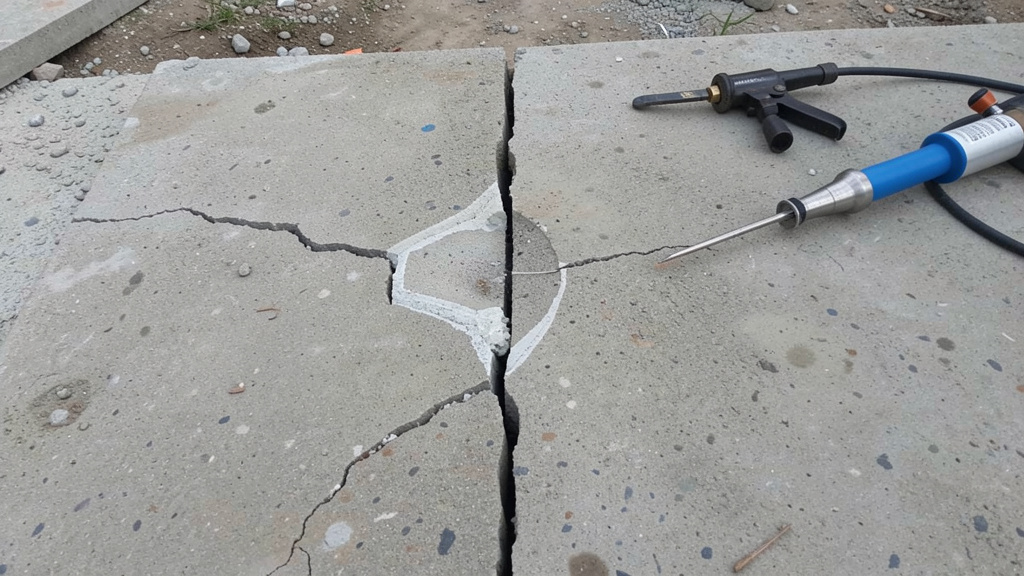
From identifying subtle movement patterns to implementing context-aware repair pathways, master the principles of structural integrity with evidence-based diagnostics, adaptive solutions, and preventative frameworks designed for lifelong home resilience across diverse climates and construction eras.
Your home’s foundation operates in profound silence—a hidden system bearing immense weight while weathering soil dynamics, moisture cycles, and decades of environmental interaction. When subtle signs emerge—a sticking door, a diagonal wall crack, uneven flooring—they naturally prompt concern. This guide transforms uncertainty into informed clarity. We systematically explore global foundation types, decode observable indicators with methodical precision, align repair methodologies to specific movement patterns, and provide a decision framework that empowers thoughtful action—whether monitoring minor settling or coordinating professional assessment. Grounded in established structural engineering principles and building science, this resource equips you with contextual knowledge to steward your home’s most critical structural element with confidence and foresight.
Introduction: Why Foundations Demand Respect, Not Fear
Beneath every floorboard, wall stud, and roof truss lies a dynamic interface between your home and the earth. Foundations translate architectural intent into physical stability, distributing structural loads across soil strata while resisting lateral pressures, moisture migration, and thermal movement. Historical lessons—from unintended structural shifts in centuries-old constructions to modern case studies in challenging soil conditions—underscore why foundational understanding remains essential. Today’s engineering standards, refined through geotechnical research and material science, provide robust frameworks for assessment and intervention. Understanding these principles isn’t about inducing anxiety; it’s about cultivating informed stewardship. A foundation isn’t merely concrete or stone—it’s a responsive system requiring attentive observation rather than passive neglect. This guide honors that complexity while delivering actionable clarity. Whether your home rests on historic masonry or contemporary engineered systems, the principles of stability remain universally relevant. Let’s begin by establishing a mental model that transforms fragmented observations into a coherent diagnostic pathway.
The Foundation Integrity Framework: A Three-Tier Approach to Stability
Before examining specific foundation types or repair techniques, adopt this structured methodology. Developed through analysis of structural assessment protocols and engineering case studies, this framework prevents reactive decisions and anchors your evaluation in observable evidence. Think of it as a systematic diagnostic process: symptoms alone don’t dictate action; context, progression, and underlying conditions determine the appropriate path forward.
Tier 1: Assessment – Documenting the Evidence
Begin with methodical observation, not assumption. Equip yourself with a notebook, camera, measuring tape, level (a reliable carpenter’s level or calibrated smartphone app), and flashlight. Proceed systematically:
- Exterior Survey (Conduct on a dry day): Walk the perimeter during early morning or late afternoon when low-angle light reveals subtle grade variations. Note:
- Cracks in foundation walls (photograph with a coin or ruler for scale reference)
- Separation between foundation and cladding materials (measure gap width)
- Soil pulling away from the foundation (“soil recession”)
- Efflorescence (white, chalky mineral deposits indicating moisture movement)
- Downspout discharge points relative to the foundation
- Ground slope toward or away from the structure (use a level on a straight board)
- Interior Survey:
- Sketch a simple floor plan; mark all cracks and note their orientation (vertical, horizontal, diagonal)
- Test operation of doors and windows on multiple levels
- Check floor levelness using a level on the longest straightedge available
- Inspect accessible sub-areas (basement, crawl space) with a flashlight: note moisture patterns, wall alignment, corrosion on fasteners
- Temporal Tracking:
- Place dated tape across active cracks; recheck monthly
- Maintain a dated journal with photos and environmental notes (recent heavy rain, prolonged dry spells, freeze-thaw cycles)
- Correlate observations with seasonal or weather patterns
Why this tier is crucial: Many concerns stem from misinterpreting stable, non-structural features as urgent failures. Documentation distinguishes transient conditions (seasonal wood movement) from progressive issues (consistent crack widening). A hairline crack unchanged over multiple seasons typically warrants continued monitoring. Conversely, measurable progression over weeks or months signals the need for professional insight. This evidence-based approach conserves resources and directs attention where truly needed.
Common mistake to avoid: Focusing only on obvious symptoms. A sticking door on an upper floor may originate from movement occurring elsewhere in the foundation system. Always survey the entire structure comprehensively.
Tier 2: Diagnosis – Interpreting the Clues
Raw observations require contextual interpretation. This tier addresses: What environmental or structural factors are influencing what we see? Is movement active or dormant? What patterns emerge? Key diagnostic lenses:
- Crack Pattern Context:
- Vertical cracks: Often related to material shrinkage in concrete during curing (typically stable if narrow and unchanged). Wider or progressively widening vertical cracks may indicate settlement.
- Horizontal cracks: Require careful evaluation in concrete or masonry walls, potentially signaling lateral pressure from soil moisture or frost effects.
- Stair-step cracks: Following mortar joints in block or brick foundations, often associated with differential settlement patterns.
- Diagonal cracks near corners: May suggest localized settling or rotational movement.
- Soil-Structure Interaction Awareness:
- Expansive clay soils (found in regions with distinct wet/dry seasons) swell when moist and shrink when dry—creating cyclical pressure. Look for seasonal variation in crack width or soil gaps.
- Sandy or gravelly soils (common in coastal or river-valley areas) drain readily but may offer less consistent bearing capacity; settlement can occur gradually.
- Fill soils (used to level building sites) may compact unevenly over time—frequently contributing to differential movement.
- Moisture Pathway Analysis:
- Persistent dampness on interior foundation surfaces? Trace exterior water management: Are gutters clear? Do downspouts direct water sufficiently away? Does grading slope toward the structure?
- Musty odors in sub-areas often originate from ground vapor transmission—not necessarily foundation breaches.
Illustrative scenario: A homeowner in a region with expansive clay soil observed diagonal cracks above garage openings. Assessment revealed:
1) Cracks became visible only after an extended dry period
2) Soil had visibly separated from the foundation wall
3) Cracks partially closed following significant rainfall
Diagnosis: Seasonal soil shrinkage during dry conditions—not structural failure. Solution: Implement consistent soil moisture management near the foundation perimeter during dry periods. This targeted approach addressed the root condition effectively.
Contrasting scenario: In another case, horizontal wall cracks appeared with visible inward curvature. Soil conditions were clay-rich, but cracks progressed steadily regardless of weather patterns. Diagnosis: Sustained lateral pressure combined with inadequate drainage. Professional intervention with wall stabilization was required to prevent further compromise.
Tier 3: Action – Selecting the Right Path
With diagnosis informed by evidence, choose your response pathway. This tier prioritizes safety, appropriateness, and long-term effectiveness—not speed or initial cost alone.
| Observed Condition | Recommended Pathway | Key Considerations |
|---|---|---|
| Stable, minor features (fine cracks unchanged over multiple seasons, no functional impact) | Continue monitoring; consider sealing for moisture resistance | Use flexible sealants designed for movement. Avoid rigid materials that may fail with minor shifts. |
| Active but slow progression (measurable change over months, minor functional effects) | Consult a licensed structural engineer for objective assessment | An engineer’s evaluation provides a documented baseline. This step is widely recommended before engaging repair contractors. |
| Rapid progression or high-concern signs (significant bowing, widening cracks, inoperable doors/windows, visible separation) | Contact a structural engineer and qualified foundation specialist promptly | Safety first: If severe structural distortion is evident, restrict access to the area until evaluated by professionals. |
| Moisture-related symptoms only (damp surfaces, efflorescence, humidity concerns) | Address water management first: extend downspouts, correct grading, evaluate drainage systems | Many foundation-related concerns originate from water management issues. Resolving these often alleviates secondary symptoms. |
The Fundamental Principle: Foundation stability is not defined by absolute immobility—it’s about ensuring movement remains within acceptable, engineered parameters. All structures experience minor settling; the goal is controlled, uniform movement that preserves structural integrity and functionality. Your role is discernment: distinguishing between expected adaptation and signals requiring intervention.
This framework transforms overwhelm into agency. You now hold a repeatable process: observe without panic, diagnose with context, act with precision. Next, we explore the architectural diversity of foundations themselves—understanding what you’re assessing is essential context.
Foundation Types Demystified: Structure, Strength, and Vulnerabilities
Foundations are not universal solutions. Engineers and builders select types based on soil conditions, climate considerations, water table depth, frost penetration potential, architectural design, and regional practices. Recognizing your foundation’s design reveals its inherent characteristics, typical behavior patterns, and appropriate care logic. We examine primary foundation types with global relevance, noting regional adaptations where applicable.
Slab-on-Grade Foundations: Integrated Simplicity
What it is: A single concrete layer (typically 10–15 cm thick) poured directly onto prepared subgrade, often reinforced with steel mesh or post-tensioning tendons. Common in regions with minimal frost penetration. Variations include:
– Standard slab: Basic poured concrete system.
– Post-tensioned slab: High-strength steel tendons tensioned after concrete curing, enhancing resistance to soil movement (frequently used in areas with reactive soils).
– Stem-wall slab: Short perimeter walls poured first, with slab placed within—elevating the structure slightly for moisture or pest considerations.
Typical contexts: Single-story homes, modern designs, regions with warmer climates and shallow frost lines. Prevalent in new construction where terrain and soil conditions permit.
Inherent characteristics:
– Efficient construction timeline and material use
– Reduced pest access points (no enclosed sub-area voids)
– Thermal mass contributes to interior temperature stability
– Barrier-free entry points enhance accessibility
– Limited access to embedded utilities
Common considerations:
– Plumbing lines embedded within the slab require specialized access if leaks occur
– Highly responsive to soil volume changes; reactive soils may cause lifting (“heave”) or settling
– Fine cracks during concrete curing are normal; concern arises with widening, stepping, or vertical displacement
– Limited space for mechanical systems or future modifications below floor level
Typical response pathways:
– Stable fine cracks: Clean and seal with flexible, moisture-resistant compounds
– Settlement voids: Precision injection methods (specialized lightweight polymers) can fill voids and gently relevel sections
– Significant movement: Structural evaluation may lead to targeted underpinning solutions
– Critical note: Interventions on post-tensioned systems require engineering guidance to avoid compromising tendon integrity
Contextual example: A homeowner in a region with seasonal soil reactivity noticed a fine crack near an exterior wall following a dry period. Assessment showed soil recession adjacent to the foundation. Diagnosis pointed to temporary soil shrinkage. Solution: Implement consistent perimeter moisture management. This non-invasive approach resolved the condition without structural intervention.
Crawl Space Foundations: The Accessible Compromise
What it is: Perimeter foundation walls (concrete block, poured concrete, or treated timber) supporting floor framing, creating a shallow accessible space beneath the living area. Common in humid climates, sloped sites, and regions requiring moderate foundation depth.
Typical contexts: Traditional homes in temperate zones with distinct seasons; older constructions; sites benefiting from elevation above grade.
Inherent characteristics:
– Access for utility inspection, maintenance, and upgrades
– Opportunity for targeted insulation and moisture control
– Elevation above ground moisture sources
– Adaptability to uneven terrain
– Potential for retrofit improvements (vapor barriers, ventilation management)
Common considerations:
– Moisture accumulation if ventilation or drainage is inadequate, potentially affecting wood components
– Support pier settlement if soil compacts unevenly
– Lateral pressure on perimeter walls from saturated soils
– Energy efficiency impacted by unconditioned space below
– Pest entry points if vents or penetrations are unsealed
Typical response pathways:
– Moisture management (essential first step): Install robust vapor barriers, ensure proper exterior grading and drainage, consider humidity control devices
– Sagging floors: Temporary support followed by permanent solutions like adjustable steel columns or sistering floor joists with engineering input
– Wall movement: Lateral support systems installed by specialists after thorough evaluation
– Critical note: Structural modifications to framing require precise execution to avoid unintended consequences
Preventative insight: Builders in moisture-prone regions increasingly integrate robust vapor barriers and conditioned crawl space designs during construction. This proactive approach significantly reduces long-term moisture-related concerns and enhances indoor air quality.
Full Basement Foundations: Maximizing Subgrade Space
What it is: Excavated below regional frost depth (typically 1.2–2.4 meters), with reinforced walls creating usable interior space. Standard in cold-climate regions where deep footings prevent frost-related movement.
Typical contexts: Homes in northern temperate zones; properties valuing additional functional space; areas with stable soil conditions permitting deep excavation.
Inherent characteristics:
– Significant usable area for living, storage, or utilities
– Thermal mass buffers seasonal temperature fluctuations
– Protected location for mechanical systems
– Enhanced structural rigidity from deep perimeter walls
– Potential value contribution in relevant markets
Common considerations:
– Water management is critical; hydrostatic pressure can drive moisture through cracks or joints
– Wall curvature or cracking may indicate sustained lateral soil pressure
– Efflorescence or surface spalling often relates to moisture exposure or freeze-thaw cycles
– Radon gas potential requires awareness and testing in susceptible regions
– Higher initial construction investment due to excavation and waterproofing
Typical response pathways:
– Water management: Exterior solutions (membranes, drainage systems) are ideal but invasive; interior perimeter drainage with sump systems offer effective alternatives
– Crack treatment: Material selection depends on crack behavior—flexible sealants for stable cracks, structural epoxies for active movement (with professional guidance)
– Wall stabilization: Various engineered systems exist; selection depends on movement severity, access, and soil conditions
– Critical note: Addressing the water source is essential before sealing interior surfaces to avoid trapping moisture
Illustrative case: A basement exhibiting wall curvature was evaluated by an engineer. Findings indicated inadequate drainage combined with soil saturation. The solution integrated exterior drainage improvements with targeted wall stabilization. Post-intervention monitoring confirmed stability, demonstrating the importance of addressing root causes.
Pier and Beam Foundations: Adaptable Heritage Design
What it is: Discrete support piers (concrete, masonry, or steel) connected by horizontal beams carrying floor framing. Creates significant under-structure access. Common in historic construction, coastal elevated homes, seismic zones, and challenging terrain.
Typical contexts: Historic districts; flood-prone or elevated coastal properties; earthquake-active regions; mountainous or uneven sites.
Inherent characteristics:
– Exceptional adaptability to irregular terrain
– Flexibility beneficial in seismic activity zones
– Direct access to utilities and structural elements
– Natural ventilation beneath structure
– Sectional repairability without whole-system compromise
Common considerations:
– Individual pier settlement due to soil variation beneath supports
– Beam deterioration from moisture exposure, insect activity, or inadequate sizing
– Lateral stability requires proper bracing between piers
– Energy efficiency impacted by unconditioned under-floor space
– Inspection access may be challenging on steep or vegetated sites
Typical response pathways:
– Settled piers: Specialized piers installed adjacent to existing supports, with gradual lifting under engineering supervision
– Beam rehabilitation: Sistering with new structural members after addressing moisture sources
– Pier reinforcement: Encasement or jacketing of deteriorated historic piers where preservation is prioritized
– Critical note: Lifting must proceed incrementally to avoid damaging finishes or connections; rapid adjustment risks structural harm
Preservation perspective: Historic structure rehabilitation often balances original craftsmanship with modern resilience. Solutions may integrate discreet steel elements alongside restored timber, approved by preservation authorities when required. Context dictates whether innovation or replication is appropriate.
Recognizing the Language of Foundations: Observable Indicators
Foundations communicate through observable patterns. Learning to interpret these signals transforms you from a passive observer into an informed steward. We categorize indicators by location and context, emphasizing interpretation over alarm.
Exterior Observations
- Patterned cracking in veneer: Cracks following mortar joints may reflect underlying movement. Note width and progression over time.
- Separation at structural joints: Gaps widening between main structure and additions may indicate independent movement, often where soil conditions vary.
- Wall alignment changes: Visible curvature on foundation walls warrants measurement and professional evaluation.
- Soil recession: Gaps forming between soil and foundation, especially after dry periods, can allow water concentration during rain.
- Chimney alignment: Tilting or separation may signal movement beneath the chimney footing.
Interior Observations
- Drywall cracking patterns: Diagonal cracks radiating from window or door corners often reflect structural stress. Vertical cracks at panel seams are frequently related to framing shrinkage.
- Floor surface cracks: Straight-line cracking in rigid flooring materials may indicate movement beneath.
- Trim separation: Gaps appearing where moldings meet walls or floors can accompany subtle floor plane changes.
- Door and window function:
- Binding at top corner may suggest upward movement on that side
- Binding at bottom corner may indicate settling
- Latch misalignment often reflects frame distortion
Method: Note binding location on multiple openings; patterns reveal movement direction. - Floor slope assessment:
- Use a level on a long straightedge; note slope direction and degree
- Industry references often cite minor slopes as acceptable; significant slopes warrant evaluation
- Correlate with other indicators—slope alone isn’t diagnostic
Context is essential: A fine crack in a century-old masonry structure may represent stable historic movement. The same crack appearing suddenly in a newer home on reactive soil merits attention. Age, construction method, regional soil behavior, and progression rate frame interpretation.
When to Seek Professional Insight Promptly
Certain observations warrant timely consultation with qualified professionals:
⚠️ Consider prompt evaluation if you observe:
– Horizontal cracks in foundation walls with measurable curvature
– Cracks showing consistent widening or lengthening over time
– Visible separation between foundation elements and structural framing
– Sudden appearance of multiple cracks following significant weather events
– Floors sloping noticeably enough to affect object stability
– Chimney showing visible lean or separation from roof structure
Safety reminder: If structural compromise is suspected:
1) Restrict access to the affected area
2) Avoid attempting repairs
3) Contact qualified structural professionals
4) In cases of immediate danger, contact local emergency services
Reassuring perspective: Most foundation observations are manageable with timely, informed attention. Calm observation and methodical documentation lead to effective solutions. Panic often leads to unnecessary expense; informed calm leads to appropriate action.
Foundation Response Methodologies: Matching Solutions to Conditions
Intervention strategies range from moisture management to structural reinforcement. Selection depends entirely on accurate diagnosis. Misapplied solutions waste resources and may worsen conditions. We detail common methodologies with their appropriate contexts, limitations, and realistic expectations.
Precision Lifting Techniques
What it is: Injection of specialized materials through small ports to fill voids and gently relevel settled sections.
Appropriate contexts:
– Confirmed voids beneath slabs or structural elements
– Minor to moderate settlement with stable surrounding conditions
– Situations requiring minimal disruption and rapid return to use
Process overview:
1) Professional assessment confirms void location and suitability
2) Small injection ports installed at strategic intervals
3) Material injected incrementally while monitoring level
4) Ports sealed upon completion
Material considerations:
– Specialized polymer systems: Expand controllably, bond with soil, add minimal weight, cure rapidly. Require precise mixing and application expertise.
– Traditional grout methods: Heavier mixtures; suitable in specific soil conditions but less precise.
Important distinctions:
– Not suitable for actively moving foundations until root causes are addressed
– Post-tensioned slabs require engineering review before any injection
– Material selection must match site conditions; hydrophobic properties matter in moist environments
– Quality installation depends on technician expertise and equipment calibration
Professional insight: Reputable specialists emphasize addressing underlying soil or drainage conditions before lifting. Temporary releveling without root-cause resolution often leads to recurrence. Sustainable solutions integrate lifting with long-term stability measures.
Piering Systems: Transferring Load to Stable Strata
When near-surface soils cannot reliably support structure, piers extend downward to competent load-bearing layers. Selection depends on soil conditions, structure weight, access, and engineering requirements.
Driven Steel Piers
Mechanics: High-strength steel sections hydraulically advanced until resistance indicates bearing capacity. Brackets connect piers to foundation elements; incremental lifting restores alignment.
Typical applications:
– Heavier structures requiring high load capacity
– Sites with deep competent soil layers
– Cohesive soils providing reliable friction resistance
Installation considerations:
– Requires excavation at pier locations
– Heavy equipment access needed
– Lifting proceeds gradually over days to protect finishes
– Post-installation: Sites restored; interior brackets may remain visible
Helical Piers
Mechanics: Steel shafts with helical plates torque-driven into soil until target resistance is achieved. Immediate load capacity upon installation.
Typical applications:
– Lighter structures or targeted support points
– Cohesionless soils (sand, gravel) where driven piers may slip
– Limited access sites with smaller equipment
– Coastal areas with high water tables
Installation considerations:
– Smaller excavation footprint than driven piers
– Torque monitoring provides real-time capacity verification
– Can be installed vertically or at calculated angles
– Requires precise torque calibration by trained personnel
Important universal considerations:
- Soil evaluation (boring reports) guides appropriate pier selection
- Engineering design specifies pier type, depth, spacing, and loading
- Installation by certified technicians is essential for performance and warranty
- Reputable providers offer multi-decade transferable warranties on structural components
Engineer perspective: “Pier selection is soil-specific. What works in sandy coastal soils differs from solutions in deep clay regions. Geotechnical data isn’t optional—it’s the foundation of the repair design.” Always request soil-informed engineering specifications.
Wall Support Systems for Lateral Movement
Bowing or cracking walls require engineered lateral support. Method selection depends on movement severity, exterior access, and preservation needs.
Anchor Systems
How it works:
1) Small exterior excavation at anchor depth
2) Steel anchor plate driven into stable soil beyond active pressure zone
3) Rod passes through wall to interior steel plate
4) Gradual tensioning over time encourages wall realignment
Appropriate for:
– Moderate curvature with exterior access
– Walls showing vertical cracking but sound material
– Situations where gradual correction is feasible
Carbon Fiber Reinforcement
How it works: Epoxy-bonded carbon fiber strips applied to interior wall surfaces, providing high tensile strength to resist further movement.
Appropriate for:
– Minor curvature or stabilized cracks
– Limited or no exterior access (row homes, tight lots)
– Historic structures where minimal visual impact is prioritized
– Prevention of progression in monitored conditions
Critical notes:
– Does not reverse existing curvature—only restrains further movement
– Requires immaculate surface preparation and moisture-free conditions
– Bond integrity depends on wall stability; not for actively moving walls
– Professional installation essential for performance
Structural Beam Systems
How it works: Vertical steel beams anchored to slab and framing, with adjustable posts providing rigid resistance against wall movement.
Appropriate for:
– Significant curvature requiring immediate stabilization
– Emergency bracing while planning permanent solutions
– Situations where other methods aren’t feasible
Considerations:
– Provides stabilization but not correction
– Permanent interior presence affects space utilization
– Often used alongside other methods for comprehensive solutions
Decision guidance: Measurement of curvature depth, assessment of wall material condition, evaluation of exterior access, and professional engineering input collectively determine the most appropriate pathway. There is no universal “best” solution—only the most suitable for the specific context.
Water Management: Addressing the Primary Catalyst
Water is the most common accelerator of foundation concerns. Sustainable solutions prioritize keeping water away from foundations rather than managing it after intrusion.
Exterior Water Management
Components:
– Grading: Soil sloped away from foundation (approximately 15 cm drop over 3 meters)
– Gutter systems: Clean, properly sized, with downspouts extending minimum 1.8 meters from foundation
– Surface drainage: Channels or swales directing runoff away from structure
– Subsurface drainage: Perforated pipes in gravel trenches (French drains) intercepting groundwater
– Foundation waterproofing: Membranes applied during construction or major renovation
When essential:
– Persistent moisture issues despite interior measures
– Finished subgrade spaces requiring dry environments
– Sites with challenging topography or high water tables
Interior Water Management
Components:
– Perimeter drainage: Interior trench system channeling water to sump basin
– Sump systems: Primary pump with battery backup and alarm
– Vapor barriers: Sealing exposed soil in crawl spaces
– Dehumidification: Maintaining appropriate humidity levels
Appropriate contexts:
– Limited exterior access
– Supplementing exterior systems in extreme conditions
– Managing humidity in enclosed sub-areas
Often Overlooked Essentials
- Downspout extensions: Rigid extensions prevent kinking and ensure proper discharge distance
- Regular gutter maintenance: Bi-annual cleaning prevents overflow against walls
- Strategic irrigation: In drought-prone clay regions, consistent perimeter moisture prevents soil shrinkage gaps
- Window well maintenance: Clean debris; ensure covers are secure and functional
Industry insight: Analysis of recurring moisture issues consistently identifies inadequate grading and downspout management as primary contributors. Addressing these fundamental elements resolves the majority of moisture-related foundation concerns. Interior systems serve as valuable supplements but rarely replace effective exterior water management.
Navigating DIY and Professional Engagement: A Clarity Framework
Enthusiasm for hands-on care is valuable—but foundations require clear boundaries between appropriate homeowner actions and professional domains. This framework provides decision criteria focused on safety, skill requirements, and long-term effectiveness.
Recommended Homeowner Actions: Observation and Prevention
These activities build valuable awareness and prevent escalation:
- Systematic Monitoring:
- Document conditions seasonally using photos and notes
- Track changes in cracks, doors/windows, or drainage patterns
- Maintain a simple foundation journal with dates and weather context
- Cosmetic Crack Management:
- For stable, fine cracks with no moisture history: clean and seal with flexible sealant
- Avoid rigid materials that cannot accommodate minor movement
- Grading and Drainage Maintenance:
- Refresh soil slope away from foundation annually
- Ensure downspout extensions remain functional and properly positioned
- Keep gutters clear of debris seasonally
- Vegetation Management:
- Maintain clearance between plants and foundation (minimum 30 cm)
- Monitor tree proximity; consult arborists about root management near foundations
Why these matter: Consistent, minor maintenance prevents the majority of significant issues. Homeowners who actively manage drainage and monitor conditions often avoid major interventions entirely. This is proactive stewardship, not passive ownership.
Situations Requiring Professional Evaluation
These conditions involve structural integrity, specialized equipment, or safety considerations:
- Any observable structural movement: Cracks widening consistently, measurable wall curvature, significant floor slope changes
- Moisture intrusion with structural symptoms: Dampness combined with cracking, bowing, or functional impacts
- Pre-purchase or pre-listing assessments: Objective evaluation by qualified inspectors provides essential baseline data
- Post-event evaluation: After significant earthquakes, floods, or prolonged extreme weather
- Before major landscape changes: Excavation, retaining walls, or major tree removal near foundations
Selecting qualified professionals:
✅ Verify licenses and insurance specific to structural work in your region
✅ Seek specialists with documented experience in your foundation type and local soil conditions
✅ Request written scope of work with engineering references where appropriate
✅ Look for multi-year transferable warranties on structural components
✅ Obtain multiple evaluations for significant proposed work
✅ Prioritize professionals who explain findings clearly without pressure tactics
Red flags to note:
❌ Unsolicited offers following storms or visible damage
❌ Demands for full payment before work begins
❌ Vague contracts lacking specific scope, materials, and timeline
❌ Fear-based language predicting imminent collapse
❌ Reluctance to provide references or documentation
Empowerment note: You control the process. Reputable professionals welcome questions and collaboration with engineers you select. Quality work stands on its own merits without high-pressure tactics.
Building a Sustainable Foundation Care Routine
Prevention is proactive stewardship. Integrating these practices into your home maintenance rhythm protects structural integrity with minimal ongoing effort. Think of it as “foundation wellness”: consistent small actions yield lasting resilience.
Seasonal Awareness Calendar
Spring (Post-Winter Assessment):
– Inspect foundation perimeter for new cracks, efflorescence, or soil changes
– Clean gutters and verify downspout extensions direct water away
– Check grading; refresh soil slope where settled
– Test sump systems by pouring water into basin
– Inspect sub-areas for new moisture patterns or pest activity
Summer (Moisture Balance in Reactive Soils):
– Monitor soil moisture 45 cm from foundation in clay-rich regions
– If soil pulls away during dry spells, implement gentle, consistent irrigation
– Ensure irrigation systems don’t spray directly on foundation walls
– Trim vegetation to maintain clearance and airflow
Fall (Pre-Winter Preparation):
– Final gutter cleaning before leaf drop peaks
– Disconnect and drain exterior hoses; shut off interior valves
– Seal stable fine cracks before freeze-thaw cycles begin
– Inspect and secure window well covers
– Service sump pump systems; verify battery backups
Winter (Dormant Season Monitoring):
– After snowmelt, ensure water flows away from foundation
– Note interior changes: new sticking points may reflect seasonal movement
– Monitor indoor humidity levels in sub-areas
Soil Moisture Stewardship
Soil is a dynamic partner to your foundation. Consistent moisture levels prevent disruptive expansion and contraction cycles.
- In reactive clay regions:
- Goal: Maintain uniform moisture year-round
- Method: Soaker hoses placed 45 cm from foundation, used moderately during dry periods
- Monitor: Soil should feel consistently damp, not saturated or bone-dry
- In sandy or gravelly soils:
- Goal: Prevent erosion and void formation
- Method: Ensure downspouts discharge to splash blocks or rigid pipes; use mulch beds to slow runoff
- Monitor: Check for soil washing after heavy rain; replenish as needed
- Universal principle: Avoid extremes—neither complete drying nor saturation benefits foundation stability
Landscaping insight: Low-water native plants 60 cm from foundations stabilize soil without aggressive root systems. Avoid moisture-retaining vines directly on walls—they conceal damage and trap humidity. Strategic landscaping supports foundation health.
Vegetation and Root Awareness
Trees enhance properties but require mindful placement:
- Recommended distances:
- Small ornamental trees: minimum 3 meters from foundation
- Medium trees: 4.5–6 meters
- Large trees: 7.5+ meters
- Root barriers: Vertical barriers (60 cm deep) can redirect roots downward when trees are closer than ideal
- Plants to avoid near foundations:
- Willows, poplars, silver maples (aggressive water-seeking roots)
- Bamboo (invasive spreading)
- English ivy (moisture retention against walls)
- Beneficial plantings:
- Ornamental grasses with shallow roots
- Sedum or creeping thyme (drought-tolerant ground covers)
Arborist perspective: “Roots rarely crack sound foundations directly. They seek moisture from existing gaps or soil variations. Effective drainage reduces root motivation to approach foundations. Address water management first.”
Humidity Management in Sub-Areas
Internal moisture affects structural elements:
- Crawl spaces:
- Install robust polyethylene vapor barriers (minimum 0.5 mm thickness), sealed at seams and walls
- Seal utility penetrations with appropriate foam
- Consider humidity control devices set to maintain 50–60% relative humidity
- Conditioned crawl space designs (integrated with HVAC) offer advanced solutions where appropriate
- Basements:
- Maintain indoor humidity between 30–50% with dehumidification as needed
- Insulate rim joists to prevent condensation
- Avoid storing moisture-absorbing materials directly on concrete floors
Energy synergy: Proper moisture control reduces HVAC workload. Dry air feels more comfortable seasonally, enhancing efficiency while protecting structure.
Periodic Professional Assessment
Like other major home systems, foundations benefit from periodic expert review:
- Who: Licensed home inspectors or structural engineers (distinct from repair contractors)
- When: Every 2–3 years, or after significant weather events
- What they provide:
- Objective documentation of current conditions
- Comparison to previous assessments
- Recommendations for maintenance or monitoring
- Peace of mind through professional verification
- Value: Early identification of minor issues prevents major interventions later. Documentation also supports future property transactions.
Homeowner reflection: “The modest investment in a professional assessment identified simple grading adjustments. Addressing these prevented potential moisture issues. That proactive step provided years of confidence.”
Your Questions, Answered
Q: How much foundation movement is normal?
A: All structures experience minor settling after construction, typically stabilizing within the first few years. Uniform settling across the entire structure is generally not problematic. Differential movement—where one section moves significantly more than adjacent areas—is the primary concern. Engineering references often note movement exceeding 2.5 cm over 6 meters of foundation length warrants evaluation. However, context is critical: movement patterns, progression rate, and functional impacts matter more than isolated measurements. Document changes over time—progression is a more reliable indicator than a single measurement.
Q: Can I seal foundation cracks myself?
A: For stable, non-structural, dry hairline cracks, sealing with flexible sealant can prevent moisture or insect entry. However, rigid hydraulic cement is generally not recommended—it cannot accommodate minor movement and may fail. For active cracks, leaking cracks, or cracks wider than 3 mm, DIY sealing may trap moisture or mask symptoms. First determine the crack’s cause: Is it related to settlement, water pressure, or material shrinkage? When uncertain, professional evaluation provides clarity. Never inject materials into post-tensioned slabs without engineering guidance.
Q: How do soil types influence foundation behavior?
A: Soil is the foundation’s direct partner. Key considerations:
– Expansive clays: Swell when wet, shrink when dry. Cause cyclical movement. Common in regions with distinct wet/dry seasons. Solutions include consistent moisture management and engineered foundations designed for movement.
– Sandy/gravelly soils: Drain well but may settle gradually. Common in coastal areas. Solutions include proper compaction during construction and drainage management.
– Silt: Holds moisture and erodes easily when saturated. Requires careful drainage planning.
– Organic soils: Highly compressible; typically removed and replaced during construction.
Geotechnical evaluation informs both new construction and repair strategies. Regional building practices often reflect local soil conditions.
Q: Will properly addressed foundation issues affect property value?
A: Transparently documented, professionally executed repairs typically protect property value. Buyers generally prefer a repaired foundation with engineering certification and warranty over undisclosed or unaddressed concerns. Key practices:
1) Address issues correctly with qualified professionals
2) Obtain engineering certification of stability where applicable
3) Maintain all documentation (reports, warranties, maintenance records)
4) Disclose repairs honestly during transactions
This approach builds buyer confidence and supports smooth transactions. Concealed issues create greater risk than transparently resolved ones.
Q: How long do foundation repairs last?
A: Quality repairs matched to the specific condition and root cause can provide decades of service—often the remaining life of the structure. Examples:
– Properly installed steel piers: 50+ years of service life
– Wall anchor systems: 30+ years with stable soil conditions
– Precision polymer injections: 20+ years with hydrophobic formulations
– Interior drainage systems: 15–25 years with proper sump pump maintenance
Warranties reflect expected longevity: Reputable providers offer multi-decade transferable warranties on structural components. Short warranties may indicate temporary solutions. Maintenance matters: Drainage systems require periodic checks; structural elements benefit from ongoing moisture management.
Q: Can tree roots damage foundations?
A: Direct root pressure rarely cracks modern, sound foundations. Greater risks are indirect:
1) Roots seek moisture from soil beneath foundations, potentially causing localized drying and settlement (especially with water-seeking species near reactive soils)
2) Roots may exploit and widen existing cracks over time
3) Decaying roots can leave voids that soil settles into
Prevention includes planting trees at appropriate distances, installing root barriers where needed, and maintaining consistent soil moisture. Consult an arborist before removing large roots near foundations—this can destabilize soil or harm the tree. Strategic management is more effective than reactive removal.
Q: What’s the difference between a home inspector and a structural engineer for foundation evaluation?
A: Critical distinction:
– Home inspector: Generalist who identifies visible symptoms during property transactions. Provides observational reports noting concerns requiring specialist evaluation. Does not diagnose causes or specify repairs.
– Structural engineer: Licensed specialist who diagnoses causes, analyzes loads, and specifies repair methodologies. Uses engineering principles and specialized tools to provide stamped reports with repair specifications.
For suspected structural issues, an engineer’s assessment before repair quotes prevents misdiagnosis. Engineers work objectively for the homeowner; contractors have inherent interest in proposed work. The engineer’s fee is a prudent investment in accurate diagnosis.
Q: Is foundation damage covered by standard homeowners insurance?
A: Typically no for gradual issues like settling, cracking from soil movement, or expansive soil effects. Standard policies commonly exclude “earth movement” (subsidence, soil expansion, erosion). Possible exceptions:
– Sudden, accidental damage from a covered peril (e.g., tree falling on foundation during a storm)
– Water damage from a sudden internal plumbing leak (not groundwater intrusion)
– Specific endorsements (earthquake coverage in seismic zones; sinkhole coverage where available and verified)
Review your policy’s exclusions carefully. Document pre-existing conditions with dated photos. For gradual issues, budget for maintenance and repair as part of responsible homeownership—similar to roof or HVAC system upkeep.
Q: How can I tell if a crack is structural or cosmetic?
A: Consider these factors collectively:
| Feature | Typically Cosmetic | Warrants Attention |
|———|——————-|——————-|
| Width | Very fine (<3 mm), unchanged | Wider (>6 mm) or progressively widening |
| Pattern | Vertical (shrinkage), random fine lines | Stair-step, horizontal, diagonal at corners |
| Location | Center of wall section, non-load areas | Near corners, under openings, foundation walls |
| Movement | Stable over multiple seasons | Measurable change over weeks/months |
| Associated signs | None | Sticking doors/windows, floor slope changes, wall curvature |
When uncertain, monitor with the tape test (place tape across crack; date it). If tape tears within a few months, seek professional evaluation. Horizontal cracks in below-grade walls particularly warrant engineering assessment due to lateral pressure implications.
Q: Can I sell a property with known foundation conditions?
A: Yes—with full, transparent disclosure. Concealing known issues creates significant legal and ethical risk. Recommended approach:
1) Obtain professional assessment and repair documentation
2) Disclose findings completely in required seller disclosure forms
3) Options include:
– Completing repairs before listing (with documentation)
– Adjusting listing price to reflect repair estimates
– Providing repair quotes to prospective buyers
Transparency builds trust. Many buyers prefer a properly addressed foundation with documentation over uncertainty. Work with a real estate professional experienced in properties with structural histories.
Conclusion and Your Next Step
Foundations are not mysteries—they are engineered systems communicating through observable patterns. You now hold a framework to interpret these signals with clarity. This journey began with transforming concern into capability, and we return to that core truth: Your role isn’t to achieve perfection, but to practice informed stewardship. The three pillars we’ve built together form an enduring approach:
1) Observe systematically—document with evidence, not emotion
2) Diagnose contextually—interpret through soil, climate, and construction lenses
3) Act precisely—match responses to root causes, respecting boundaries between monitoring and intervention
These principles serve whether you’re noting a fine crack or coordinating professional assessment. They protect your investment while honoring the quiet dignity of the structure that shelters your life.
The 24-Hour Rule: Your Tiny, Transformative Action
Within the next 24 hours, complete this single, specific task:
👉 Walk your home’s perimeter during early morning or late afternoon light. Carry your phone. Photograph one area you’ve wondered about—a crack near the garage, soil separation by a downspout, a window that sticks. Note the date, recent weather, and a brief observation (“Crack unchanged since last check,” or “Soil gap visible after dry spell”). Save this in a dedicated “Home Care” folder on your device.
This micro-action breaks the cycle of uncertainty. It transforms abstract concern into concrete data. It is the seed of proactive ownership. Do not wait for “more time.” Dawn or dusk light reveals what midday sun conceals. Your future self will thank you for this moment of intentional observation.
The Big Picture: Foundations in Context
Your home’s foundation exists in dynamic relationship with the earth beneath it. Soil responds to seasons. Materials adapt over decades. Water follows paths of least resistance. This isn’t a battle to be won—it’s a relationship to be tended with knowledge and care. The most resilient homes aren’t those with flawless foundations, but those stewarded by owners who observe, learn, and act with wisdom. You’ve taken the essential step: moving from uncertainty to understanding. Carry this knowledge gently. Share insights with neighbors. Approach future observations with calm curiosity. Your home’s stability begins not with concrete and steel alone, but with your informed, attentive care.
Explore Our Complete System:
Understanding Soil Types and Foundation Design Principles | Comprehensive Home Inspection Guide: Beyond the Foundation | Moisture Management Mastery: From Roof to Subgrade | Interpreting Structural Assessment Reports: A Homeowner’s Guide | Historic Structure Care: Foundation Stewardship for Older Properties | Climate-Responsive Maintenance: Regional Foundation Care Strategies | Selecting Home Professionals: A Framework for Informed Decisions