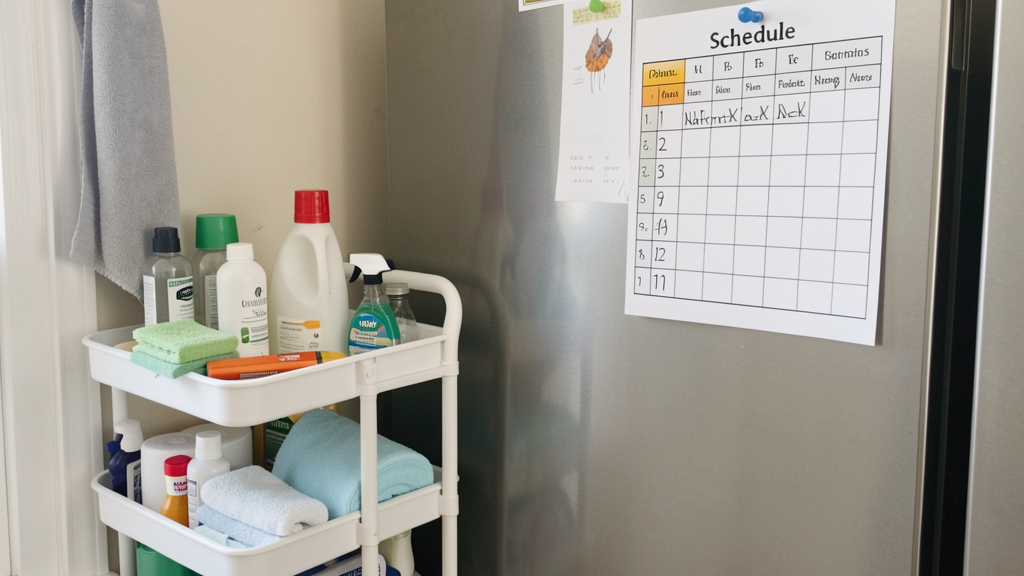
Stop the cleaning chaos. Discover a flexible, adaptable system designed to fit your life—not the other way around—with room-by-room strategies, time-conscious approaches, and mindset shifts that support lasting consistency.
Imagine opening your front door to a home that feels consistently calm, not just after a frantic weekend deep-clean, but throughout your week. A space where surfaces stay functional, floors remain welcoming, and the mental load of “what needs cleaning?” gently recedes. This isn’t reserved for professional organizers or empty-nesters. It’s the natural outcome of implementing a cleaning system built on understanding human behavior, household dynamics, and the rhythms of real life. This guide moves beyond rigid checklists to offer a resilient framework designed to work with your energy, schedule, and values. Grounded in established principles of habit formation and environmental psychology, this is not another chore list—it’s a compassionate blueprint for transforming cleaning from a source of stress into a quiet, sustainable practice that supports your well-being.
Introduction: Why Rigid Cleaning Lists Often Fail—and What Works Instead
Walk into any bookstore or scroll popular home sites, and you’ll find countless cleaning checklists. Yet for many, these become sources of guilt—a visual reminder of tasks left undone. The core issue isn’t the tasks themselves, but the failure to align cleaning practices with the human experience: fluctuating energy, evolving household needs, physical constraints, and emotional triggers. Research in environmental psychology indicates that visible disorganization can contribute to heightened stress responses, while orderly environments often support cognitive clarity and emotional calm. However, the path to that calm is rarely linear. A system imposed without flexibility for your unique context is unlikely to endure.
True cleaning sustainability begins with a shift in perspective: Your system must serve you, not the reverse. This means moving beyond prescriptive mandates like “clean the bathroom every Tuesday.” Instead, it involves understanding why certain actions matter, when your natural energy aligns with specific tasks, and how to design micro-habits that integrate smoothly into existing routines. Consider two approaches:
– Approach A (The Overwhelm Trap): “Deep-clean the entire kitchen after dinner.” (Time-intensive, easily abandoned when tired).
– Approach B (The Integrated Solution): “While waiting for the kettle to boil, wipe the stovetop. After loading the dishwasher, spend 90 seconds clearing the sink area.” (Frictionless, sustainable, energy-aware).
This guide synthesizes widely recognized principles from behavioral science, occupational therapy frameworks for task simplification, and environmental health considerations. It is intentionally designed to adapt across living situations—apartments, multi-story homes, households with children or pets, individuals managing chronic conditions, and shared living arrangements. The goal is not a perpetually magazine-perfect home. It is a functional sanctuary: a space that supports your life with minimal ongoing mental or physical strain. By the end, you’ll have the insight to identify your unique pain points, customize routines with confidence, and maintain gentle momentum through life’s inevitable disruptions. This is the foundation of enduring change.
The Adaptive Cleaning Framework: Foundation, Flow, and Flexibility
Forget schedules that fracture at the first sign of a sick child, travel, or a demanding workweek. Sustainable home care thrives within a three-layer framework built for real life: Foundation, Flow, and Flexibility. This is not merely a task sequence—it is a dynamic operating system for your home. Each layer addresses a distinct dimension of maintenance, working together to prevent overwhelm and cultivate consistent, low-stress progress. Mastering this framework shifts cleaning from reactive scrambling to proactive, intuitive care.
Layer 1: Foundation – Your Daily Anchors (5–10 Minutes Total)
The Foundation layer consists of 3–5 micro-actions performed daily, regardless of schedule. These are not deep cleans—they are strategic “reset points” that prevent minor messes from accumulating into major projects. Think of them as brushing your teeth for your home: small, consistent actions with significant long-term impact. Their power lies in brevity (each taking 60–120 seconds) and integration into existing habits (habit stacking).
-
Evening Reset (5 Minutes Max):
- Clear Key Surfaces: Gather dishes from living areas, mail from entryways, toys from floors. Return items to designated zones (dishwasher, mail sorter, bins). Why it matters: Waking to clear surfaces reduces morning decision fatigue. Studies link visible clutter to increased procrastination and reduced focus.
- Kitchen Sink Zero: Ensure the sink is empty, wiped clean, and dry. Load stray dishes. Why it matters: A clean, dry sink is a powerful visual cue of order. It creates calm during morning routines and prevents water spots or residue buildup.
- Entryway Tidy: Shake mats, place shoes neatly, hang coats. Why it matters: This transition zone sets the tone for arrival and departure. A tidy entryway lowers stress the moment you step inside.
-
Morning Anchor (2–3 Minutes Max):
- Make the Bed Simply: Smooth sheets, pull up the comforter, fluff pillows. Why it matters: This small act of completion offers immediate psychological closure, fostering a sense of calm control to start the day.
- Open a Window Briefly: Crack a window in a main living area for 60 seconds. Why it matters: Fresh air circulation refreshes indoor air quality and provides a gentle sensory signal that the day has begun.
Foundation Pitfalls to Avoid:
– Overloading: If Foundation exceeds 10 minutes total, it will falter. Start with just the Evening Reset trio. Add Morning Anchor only after consistency is established.
– Inconsistent Timing: Anchor tasks to existing cues (e.g., “After I pour my evening tea, I clear the coffee table”). Consistency of cue matters more than clock time.
– Perfectionism: “Clear” means removing clutter—not sterilizing. A lamp and book on a table is acceptable. Focus on function, not flawlessness.
Layer 2: Flow – Your Weekly Rhythm (20–30 Minutes Per Zone)
The Flow layer is your weekly refresh, executed within the stability of your Foundation. Crucially, Flow avoids marathon sessions. Instead, it uses “task segmentation”: assigning one logical home zone per weekday evening (20–30 minutes max). This reduces perceived effort, increases completion rates, and protects weekends for rest. No area goes neglected beyond seven days.
-
Designing Your Zone Map:
Divide your home into 4–5 zones based on layout and usage:- Zone 1 (Monday): Main Living Area (Living Room, Family Room)
- Zone 2 (Tuesday): Kitchen (Beyond daily reset—appliances, floors)
- Zone 3 (Wednesday): Primary Bedroom & Ensuite
- Zone 4 (Thursday): Secondary Bedrooms / Office / Laundry
- Zone 5 (Friday): Main Bathroom + Entryways / Hallways
Adjust freely: Combine zones for smaller homes; split large zones. Place high-impact zones (kitchen, main living) early in the week when motivation is often higher.
-
The 25-Minute Zone Session Template (Timer Essential):
- Reset (5 mins): Return misplaced items to their true homes using a small basket. Do not organize the zone itself.
- Surface Clean (10 mins): Dust top-to-bottom (shelves → tables → baseboards). Wipe mirrors, switches, handles. Always clean surfaces before floors.
- Floor Focus (7 mins): Vacuum or sweep thoroughly. Spot-mop high-traffic areas on hard floors.
- Final Touch (3 mins): Empty trash, fluff cushions, straighten rugs. Step back—does it feel orderly?
When the timer stops, stop. “Good enough” done consistently outweighs “perfect” done rarely.
-
Flow Customization Examples:
- Early Riser: Shift sessions to quiet pre-work moments.
- Low-Energy Days: Define a “Minimum Viable Flow” per zone (e.g., Kitchen Zone: wipe stovetop + sweep floor = 10 mins).
- Shared Households: Assign specific zones to individuals (“You handle Zone 3 Wednesday; I handle Zone 4 Thursday”) to reduce negotiation fatigue.
Layer 3: Flexibility – Monthly Maintenance & Life Buffer
Even the strongest Foundation and Flow encounter disruptions: travel, illness, holidays. Flexibility is your resilience layer—comprising the Monthly Maintenance Slot and the Buffer Principle.
-
Monthly Maintenance Slot (60–90 Minutes):
Schedule one focused session monthly (e.g., first Saturday morning) for preventative tasks that protect your home’s health and function. Rotate focus to avoid overwhelm:- Month 1: Kitchen Systems (clean range hood filter, wipe cabinet fronts, quick pantry scan)
- Month 2: Bathroom Care (soak showerhead in vinegar, check caulk, deep-clean trash can)
- Month 3: Air Quality & Textiles (clean ceiling fan blades, vacuum upholstery, wipe switches)
- Month 4: Systems & Entryways (replace HVAC filter, hose trash bins, clean door tracks)
Why monthly? These tasks address gradual buildup. Consistent attention prevents arduous quarterly overhauls and supports indoor air quality.
-
The Buffer Principle (Your Anti-Guilt Tool):
When life interrupts Flow:- Acknowledge: “I missed Wednesday’s zone. That’s okay.”
- Buffer: Move that zone to your next available slot within the same week if feasible.
- Reset: After significant disruption (e.g., travel), perform only Foundation tasks for 1–2 days. Restart Flow the following Monday with Zone 1.
This approach, aligned with behavioral concepts of self-compassion and fresh starts, dismantles all-or-nothing thinking. Missing one session isn’t failure—it’s data. Adjust your schedule if needed (“Zone sessions after 8 PM are too late; move to 7 PM”).
The Guiding Principle: A cleaning system’s true strength is measured not on perfect days, but by its gentle resilience on chaotic ones. Flexibility isn’t a flaw—it’s the feature that ensures longevity.
Daily Routines: Strategic Micro-Actions for Lasting Calm
Daily routines are preventative maintenance—not deep cleaning. Their purpose is to interrupt the accumulation cycle before messes require significant time or energy. This section details adaptable micro-habits, tiered time options, and room-specific priorities to integrate seamlessly into your life.
Why Daily Micro-Actions Matter
A single coffee mug left overnight requires more effort to clean the next morning. Multiply this by crumbs, scattered items, or pet hair, and within days, minor neglect compounds into visible disorder that triggers stress. Daily micro-actions break this cycle at its source. Neurologically, completing small, predictable tasks can reinforce positive behavior patterns. Psychologically, it shifts your relationship with your home from reactive (“I have to clean again”) to proactive (“I am maintaining my space”). Consistently, homes maintained with brief daily attention require less total cleaning time per month than those cleaned intensely once weekly. This approach also distributes physical effort, reducing strain.
The Universal Daily Reset Protocol (Adaptable Framework)
Perform these actions anchored to existing habits:
-
Morning Anchor (Upon Waking – ~2 Minutes):
- Make the Bed Simply: Smooth bedding. Creates an immediate visual anchor of order.
- Open Blinds: Let natural light enter main areas. Supports circadian rhythm and reveals areas needing attention.
-
Evening Anchor (Before Bed – ~8 Minutes):
- Kitchen Sink Zero: Load dishwasher, wipe basin and faucet dry.
- Clear Main Surfaces: Gather items from coffee tables, chairs, floors. Use a small “to-sort” basket for misplaced items; address during weekly Flow.
- Entryway Tidy: Shake mats, place shoes neatly, hang coats.
- Quick Bathroom Swipe (Optional): Wipe sink/faucet while brushing teeth. Prevents buildup.
Real-Life Integration Examples:
– Busy Parent: Involve children: “While I load the dishwasher, can you put toys in the bin?” Frame as a shared 2-minute reset.
– Remote Worker: Tie Evening Reset to shutting down your computer: “When I close my laptop, I spend 5 minutes clearing my desk and kitchen.” Creates work-home boundary.
– Limited Mobility: Prioritize actions with highest personal impact (e.g., if the sink is visible from your chair, prioritize Sink Zero). Use reacher tools. Focus on your peace.
Tiered Daily Frameworks: Match Effort to Your Day
Energy and time vary. Having clear tiers prevents the “I don’t have 30 minutes, so I’ll do nothing” trap.
-
10-Minute Essential Reset (Non-Negotiable Minimum):
Execute only Evening Anchor tasks: Sink Zero (2 mins), Clear Main Surfaces (3 mins), Entryway Tidy (2 mins), Quick Bathroom Swipe (1 min), prep for Morning Anchor (2 mins). Use on exhausting days, travel days, or high-stress periods. Completing this prevents regression. -
20-Minute Enhanced Flow (Recommended Standard):
Build on the 10-minute reset:- Add 5 mins: Sweep/vacuum high-traffic floor areas (kitchen, entryway).
- Add 3 mins: Wipe kitchen countertops/stovetop while cooking or waiting.
- Add 2 mins: Laundry glance—start a load if hamper is full; transfer finished loads. Prevents “laundry mountain.”
Why it works: Addresses common daily soil sources without deep cleaning. Maintains momentum between weekly sessions.
-
30-Minute Proactive Polish (For Lighter Days or Prevention):
Use when energy allows or for seasonal prep (e.g., high pollen season):- Add 5 mins: Wipe high-touch surfaces (light switches, door handles, remotes). Supports hygiene.
- Add 5 mins: Tackle one small “hot spot” (junk drawer, mail pile).
- Add 5 mins: Refresh textiles (fluff cushions, shake rugs, open windows).
Strategic Value: Preventative care that saves significant time later. Germ wipe-downs are a simple public health measure.
Room-by-Room Daily Focus: Prioritize Impact
Focus limited daily energy on areas that accumulate mess fastest and impact well-being most. Skip deep tasks daily—they belong in Weekly Flow or Monthly Maintenance.
-
Kitchen:
- Critical: Sink Zero, wipe stovetop after cooking, clear non-essential items from counters, sweep floor around stove/sink.
- Skip Daily: Wiping cabinet fronts, cleaning microwave interior, mopping entire floor.
- Tip: Keep a microfiber cloth and small spray bottle (diluted vinegar or all-purpose cleaner) under the sink for instant spill response.
-
Main Living Area:
- Critical: Clear surfaces (tables, chairs), return stray items, fluff cushions, quick vacuum of visible debris on paths.
- Skip Daily: Deep dusting shelves, vacuuming under furniture.
- Tip: Use labeled baskets (“Living Room,” “Kids Room”) for stray items during reset; return during Weekly Flow.
-
Entryway/Mudroom:
- Critical: Shoes in rack, coats hung, mats shaken, floor swept of visible dirt.
- Skip Daily: Organizing shoe rack deeply.
- Tip: Place a small tray by the door for keys/wallet to prevent surface clutter.
-
Primary Bedroom:
- Critical: Make bed (morning), clear floor of clothes (use hamper in room), open blinds.
- Skip Daily: Dusting, vacuuming under bed.
- Tip: Keep a small hamper inside the closet to reduce friction for putting clothes away.
-
Bathrooms:
- Critical: Wipe sink/faucet after use, hang up towels, quick squeegee of shower glass after showering.
- Skip Daily: Cleaning toilet bowl, scrubbing tub.
- Tip: Keep a squeegee hung in the shower. Takes 30 seconds post-shower and significantly reduces soap scum buildup.
Navigating Daily Routine Challenges
-
“All-or-Nothing” Thinking:
Symptom: Skipping the entire reset because you can’t do all parts.
Solution: Adopt the “One-Minute Rule.” If a task takes under one minute (wipe sink, hang coat), do it immediately. Commit to just the 10-Minute Essential Reset on tough days. Progress, not perfection. -
Unclear “Done” Criteria:
Symptom: Endless wiping or organizing.
Solution: Define “clean” concretely. Example: “Counter is clear of dishes/mail; wiped; only coffee maker and toaster remain.” Visual standards prevent paralysis. -
Household Dynamics:
Symptom: Reset undone immediately by others.
Solution: Frame as shared value: “We all enjoy relaxing in a tidy space. Can we agree everyone returns items before bed?” Use labeled bins for easy compliance. Hold a brief, positive family meeting. -
Tool Friction:
Symptom: “Finding the vacuum takes too long.”
Solution: Strategic placement. Keep a handheld vacuum or broom in the entryway closet. Store microfiber cloths under every sink. Reduce steps between intention and action.
Daily routines are the quiet engine of home harmony. By focusing on high-impact micro-actions, integrating them into existing habits, and granting yourself grace, you build a foundation of order that makes all other cleaning feel lighter. This isn’t about adding burden—it’s about designing peace as the effortless default.
Weekly Routines: Sustainable Refresh Without Burnout
Weekly routines provide the essential “deep refresh” that daily resets can’t reach—addressing dust, light grime, and minor disorganization. However, the traditional “clean the whole house Saturday” model often leads to exhaustion and inconsistency. The key lies in structure, not more time. This section details the Zone Method: a time-boxed, predictable approach that delivers consistent results while protecting your energy and weekends.
Why the Zone Method Supports Consistency
The weekend marathon model commonly fails due to:
– Decision Fatigue: Choosing what to clean next depletes mental energy before physical work begins.
– Task Ambiguity: “Clean the kitchen” lacks clear boundaries, inviting procrastination.
– Energy Mismatch: Deep cleaning demands energy often depleted by week’s end.
– All-or-Nothing Risk: Missing one session can trigger abandonment.
The Zone Method counters these by:
1. Eliminating Daily Decisions: Your schedule dictates the task.
2. Creating Manageable Chunks: 25 minutes feels achievable on a worknight.
3. Leveraging Natural Rhythms: Assign detail-oriented zones (kitchen) to higher-energy days; lighter zones (bedrooms) to lower-energy days.
4. Ensuring Coverage: No zone waits more than seven days for attention.
5. Protecting Rest: Friday’s session creates weekend readiness without guilt.
6. Building Habit Strength: Small, specific, cued actions align with established habit-formation principles.
Designing Your Personal Zone Map
Your zones must reflect your home and your pain points. Avoid forcing generic templates.
- Walk Through Your Home: Note areas that feel most stressful when messy or accumulate dirt fastest.
- Group Logically: Combine connected rooms. Avoid splitting single rooms.
- Small Apartment Example:
Zone 1: Living Area + Kitchenette
Zone 2: Bedroom + Closet
Zone 3: Bathroom + Entry Nook - Family Home Example:
Zone 1: Main Living + Dining Room
Zone 2: Kitchen
Zone 3: Primary Bedroom + Ensuite
Zone 4: Kids’ Rooms + Hall Bath
Zone 5: Office + Laundry + Entryways
- Small Apartment Example:
- Prioritize by Impact: Place your highest-stress zone (often kitchen or main living) early in the week.
- Assign Days Realistically: Be honest about your schedule. Avoid demanding zones on known late-work nights.
Shared Households: Assign specific zones to specific people (“Alex handles Zone 2 Tuesday; Sam handles Zone 4 Thursday”). Clear ownership reduces conflict.
The 25-Minute Zone Session: Step-by-Step Execution
Follow this sequence for every zone. The timer is essential for focus and preventing perfectionism.
-
Minutes 0–5: Reset (The “Put Away” Phase)
Grab a small basket. Collect only items belonging in other zones. Place them in the basket. At 5 minutes, take the basket to its destination and distribute items. Do not organize the current zone.
Why: Removes clutter obstacles, making cleaning faster. Provides immediate visual progress. -
Minutes 5–15: Surface Clean (Top-to-Bottom)
Start high (shelf tops, picture frames), work down to baseboards.- Dusting: Microfiber cloth (dry or slightly damp). Electrostatic duster for blinds.
- Glass/Mirrors: Spray solution on cloth (not surface); wipe in “S” pattern.
- Fixtures: Wipe light switches, door handles, faucet handles.
Critical Rule: Clean surfaces before floors. Dust falls downward.
Why: Professional efficiency standard. Addresses visually impactful elements first.
-
Minutes 15–22: Floor Focus
- Hard Floors: Sweep/vacuum thoroughly. Spot-mop high-traffic areas or visible spills. Full mopping is often unnecessary weekly in low-traffic zones.
- Carpet: Vacuum slowly, multiple passes on high-traffic paths. Pay attention to edges.
Tip: Keep a handheld vacuum or broom in the zone’s closet for quick touch-ups.
-
Minutes 22–25: Final Touch & Trash
Empty all trash cans; replace liners. Fluff cushions, straighten rugs, close cabinet doors. Step back—does it feel complete?
Why: Provides closure and strong visual reward. Emptying trash is a concrete “done” signal.
When the Timer Beeps: STOP. Walk away. Trust the system. Consistent completion of the full sequence across all zones is vastly more valuable than occasional perfection in one zone.
Room-by-Room Weekly Protocol: Prioritized Actions
Generic advice like “clean the bathroom” is unhelpful. Here is the precise, prioritized sequence within your 25-minute session.
Kitchen Zone Focus
Why Weekly? Prevents grease buildup, supports hygiene, maintains appliance function.
– Reset (5 mins): Clear counters. Wipe exterior of fridge, microwave, oven. Place stray dishes in dishwasher.
– Surface Clean (10 mins):
– Countertops: Wipe with appropriate cleaner (stone-safe if needed). Include edges and backsplash.
– Sink: Scrub basin, polish faucet/handles. Clean disposal flange.
– Stovetop: Remove grates/caps (if gas); soak while cleaning other surfaces. Wipe cooktop. For glass tops, use cleaner and gentle scraper for burnt bits.
– Appliance Interiors: Wipe inside microwave (steam-clean with lemon water bowl). Quickly wipe oven window interior.
– Cabinet Fronts: Wipe fronts near stove/sink where grease accumulates.
– Floor Focus (7 mins): Sweep thoroughly. Mop entire floor with appropriate cleaner; focus on areas in front of sink/stove.
– Final Touch (3 mins): Empty trash/recycling. Wipe outside of trash can.
Critical Skip: Deep oven cleaning, degreasing range hood filter (Monthly task), pantry organization (Monthly task).
Pro Tip: Keep a dedicated “kitchen caddy” with cleaners, cloths, brush. Grab and go—no searching.
Common Mistake: Cleaning floors first. Always surfaces before floors.
Main Bathroom Zone Focus
Why Weekly? Prevents mold/mildew growth, maintains hygiene, controls odors.
– Reset (5 mins): Remove towels, bathmats, shower curtain liner (if washing). Clear countertops.
– Surface Clean (10 mins):
– Mirrors & Glass: Wipe with microfiber cloth in “S” pattern.
– Countertops & Sink: Scrub basin, polish faucet/handles. Wipe countertop and backsplash.
– Toilet: Apply bowl cleaner; let sit while cleaning other surfaces. Wipe exterior (tank, seat top/bottom, lid, base) with disinfecting wipe. Scrub bowl; flush.
– Shower/Tub: Spray walls, door, fixtures. Let sit 3–5 minutes. Scrub tiles/grout gently; wipe glass with squeegee or microfiber. Clean faucet face.
– Floor Focus (7 mins): Sweep/vacuum first to remove hair/debris. Mop with bathroom-safe cleaner, working from far corner toward door. Pay attention to baseboards and toilet base.
– Final Touch (3 mins): Replace clean towels/mats. Empty trash. Wipe light switch and door handle.
Critical Skip: Deep grout cleaning, re-caulking (Monthly tasks).
Pro Tip: Keep a squeegee in the shower. Encourage use after each shower to drastically reduce weekly scrubbing.
Common Mistake: Using the same cloth for toilet and sink. Use separate, color-coded cloths (e.g., red for toilet, blue for surfaces) to prevent cross-contamination.
Living Areas Zone Focus
Why Weekly? Reduces dust and allergens, maintains air quality, preserves welcoming atmosphere.
– Reset (5 mins): Return all items to homes (books, remotes, toys). Fluff pillows/blankets. Clear surfaces.
– Surface Clean (10 mins):
– Dusting: Ceiling fan blades (if accessible), shelf tops, frames, lampshades, working down to baseboards. Electrostatic duster for blinds.
– Electronics: Gently wipe TV screen with dry microfiber cloth. Wipe remotes, consoles with slightly damp cloth.
– Windowsills & Tracks: Wipe sills. Use old toothbrush for tracks.
– Floor Focus (7 mins): Vacuum carpets/rugs slowly, multiple passes on paths. Vacuum upholstery (couch cushions, chairs) with brush attachment. For hard floors, sweep then spot-mop.
– Final Touch (3 mins): Straighten rugs. Empty trash. Adjust lighting.
Critical Skip: Deep upholstery cleaning, washing windows (Monthly tasks).
Pro Tip: Run a rubber squeegee over carpet before vacuuming to gather pet hair efficiently.
Common Mistake: Dusting after vacuuming. Always dust before vacuuming to capture fallen particles.
Bedrooms Zone Focus
Why Weekly? Supports restful sleep environment; dust accumulation directly impacts air quality in sanctuary spaces.
– Reset (5 mins): Make bed properly. Clear floor of clothes (place in hamper). Return items on surfaces to drawers. Open blinds.
– Surface Clean (10 mins):
– Dusting: Nightstands, dresser tops, lamp bases, frames, window sills. Pay attention to areas near the bed.
– Mirrors: Wipe bedroom mirrors.
– Under Bed: Quick visual check; use vacuum extension to grab visible dust if accessible.
– Floor Focus (7 mins): Vacuum or sweep entire floor, including under bed if possible. Pay attention to corners and closet entry.
– Final Touch (3 mins): Empty small trash can. Fluff bed pillows. Ensure closet door is closed neatly.
Critical Skip: Changing sheets (do after vacuuming under bed if needed, but often a quick separate task), deep closet organization (Monthly task).
Pro Tip: Keep a small hamper inside the bedroom closet to reduce friction for putting dirty clothes away daily.
Common Mistake: Attempting deep closet organization during weekly session. Stick to surface dusting and floors. Save deep organization for Monthly Maintenance.
Troubleshooting Weekly Flow Challenges
-
“I consistently run over the timer!”
Diagnosis: Task creep or perfectionism.
Solution: Use a physical timer. During Reset, strictly limit to returning items to other zones—no organizing. Set a 10-minute sub-timer for Surface Clean. When it beeps, move to floors. Remember: Consistent “good enough” beats rare “perfect.” Track time loss for one week; adjust zone size if needed. -
“My family disrupts the cleaned zone immediately.”
Diagnosis: Lack of shared systems or understanding.
Solution: Frame cleaning as shared value: “We all feel calmer in a tidy space.” Implement simple systems: labeled bins for toys/books, a “launching pad” basket by the door for upstairs items. Praise efforts: “Thanks for putting your mug away—that helps!” -
“I dread and skip [Specific Zone].”
Diagnosis: Task aversion or negative association.
Solution: Pair the zone with a positive stimulus (temptation bundling): Only listen to your favorite podcast while cleaning that zone. Break the zone into two 15-minute sessions across two days. Pre-stage all supplies in the zone to reduce friction. -
“Weekdays are impossible; weekends are my only option.”
Diagnosis: Schedule mismatch.
Solution: Adapt Zone Method to weekends without marathon sessions. Saturday AM: Zone 1 (max 60 mins). Saturday PM: Zone 2 (max 60 mins). Sunday AM: Zone 3 (max 60 mins). Crucially: Use timers per zone. Take breaks. Protect Sunday PM for rest. Alternatively, try two 15-minute sessions on weeknights (Tue/Thu) and one 45-minute session Saturday for remaining zones.
Weekly routines, executed within this structured yet flexible framework, transform cleaning from a dreaded obligation into a predictable, manageable rhythm. By breaking the monumental into five small, scheduled appointments with your home, you reclaim time, reduce stress, and cultivate consistent order. Trust the process, honor the timer, and recognize the cumulative power of these weekly investments.
Monthly Routines: Proactive Care for a Healthier Home
Monthly routines address the hidden layers of home care—tasks that prevent long-term deterioration, support indoor air quality, safeguard health, and extend the life of your home’s systems. Neglecting these is like skipping preventative maintenance on a vehicle; issues may seem minor until a significant problem arises. This section provides a rotating, sustainable framework for high-impact monthly tasks, explained with clear rationale and adaptable execution.
Why Monthly Maintenance Matters
Daily and weekly cleaning manage visible surfaces. Monthly tasks address root causes of decay and health concerns:
– HVAC Filters: Clogged filters reduce system efficiency, circulate dust and allergens, and strain equipment. Regular replacement is a cornerstone of indoor air quality management.
– Showerheads & Faucet Aerators: Mineral buildup (in hard water areas) reduces water flow and can harbor bacteria. A simple soak restores function and hygiene.
– Appliance Maintenance: Grease on range hood filters poses a fire risk. Debris under appliances can cause odors or operational issues.
– “Invisible” Zones: Dust on ceiling fan blades redistributes allergens when used. Grime on light switches is a high-touch germ reservoir.
These tasks are preventative investments. They protect your health, preserve your home’s condition, avoid costly repairs, and ensure your daily/weekly routines remain efficient. A home receiving consistent monthly care feels fundamentally different—lighter, fresher, and more resilient.
The Rotating Monthly Maintenance Slot (60–90 Minutes)
Attempting all monthly tasks at once guarantees overwhelm. Instead, adopt a rotating focus: dedicate your single monthly session to one primary category. Schedule it consistently (e.g., first Saturday morning). This ensures comprehensive coverage over a quarter while keeping each session purposeful and achievable.
-
Month 1 Focus: Kitchen Systems
Goal: Ensure safe, efficient appliance function; address grease buildup.
Tasks (~75 mins):- Range Hood Filter: Remove metal mesh filter. Soak in hot, soapy water with baking soda for 20 mins. Scrub gently, rinse, dry, replace. (Supports fire safety and air quality)
- Oven Interior: For self-clean models, run cycle per manufacturer instructions; wipe ash afterward. For manual cleaning, apply cleaner per label, let sit, wipe visible grime. Focus on functionality, not perfection. (Prevents smoke from burnt residue)
- Microwave Deep Clean: Heat bowl of water with lemon slices for 5 mins. Let steam 5 mins. Wipe interior easily. (Removes odors and residue)
- Cabinet Fronts & Handles: Wipe all fronts, especially near stove. Clean handles thoroughly—high-touch surfaces. (Improves hygiene and appearance)
- Pantry/Fridge Scan: Discard expired items. Wipe one shelf in fridge or one pantry section. (Prevents waste; rotate sections monthly)
-
Month 2 Focus: Bathroom Hygiene
Goal: Combat buildup, ensure proper function, refresh surfaces.
Tasks (~70 mins):- Showerhead & Aerators: Unscrew showerhead; soak in white vinegar 30 mins. Scrub mineral deposits with old toothbrush. Rinse, reattach. Repeat for faucet aerators. (Restores water flow, supports hygiene)
- Grout Spot Treatment: For mild discoloration, apply paste of baking soda + hydrogen peroxide; let sit 15 mins, scrub gently. For persistent issues, use dedicated cleaner with ventilation. (Prevents mold spread)
- Caulk Inspection: Run finger along silicone in tub/shower corners and sink edges. Note cracks, peeling, or discoloration. Do not re-caulk monthly—simply identify areas needing future attention. (Early detection prevents water damage)
- Under-Sink Check: Empty cabinet. Wipe shelves. Check for leaks (dampness, rust). Organize supplies. (Catches issues early, prevents pests)
- Trash Can Deep Clean: Wash interior/exterior with soapy water. Rinse, dry thoroughly before liner. (Eliminates odors and bacteria)
-
Month 3 Focus: Air Quality & Living Areas
Goal: Reduce allergens, refresh textiles, maintain surfaces.
Tasks (~80 mins):- Ceiling Fans: Turn off. Clean both sides of each blade with microfiber duster or damp cloth. Start from top blade. (Prevents dust redistribution)
- Blinds/Shades: For vinyl/wood: Close slats one way; dust. Flip slats; dust other side. For fabric: Vacuum gently with brush attachment. (Major dust reservoir)
- Upholstery Refresh: Vacuum all couches, chairs, cushions thoroughly. Sprinkle baking soda on fabric; let sit 15 mins; vacuum to deodorize. (Reduces dust mites and odors)
- High-Touch Surfaces: Wipe all door handles and light switch plates in main areas with disinfecting wipe. (Addresses germ hotspots)
- Window Tracks & Sills: Scrub tracks with old toothbrush and soapy water. Wipe sills thoroughly. (Prevents dirt buildup)
-
Month 4 Focus: Systems & Entryways
Goal: Maintain home systems, refresh transition zones, prepare for season.
Tasks (~75 mins):- HVAC Filter: Replace or clean per manufacturer instructions. Mark calendar for next replacement. (Critical for air quality and system efficiency)
- Trash/Recycling Bins: Take to driveway. Hose interior/exterior. Scrub with brush and soapy water. Rinse. Sprinkle baking soda before new liner. (Controls odors and pests)
- Entry Mats: Shake thoroughly outside. Hose washable mats; vacuum non-washable vigorously on both sides. (First defense against tracked-in dirt)
- Door Tracks & Thresholds: Clean sliding door tracks with vacuum crevice tool and toothbrush. Wipe thresholds. (Ensures smooth operation)
- Seasonal Glance: Note one upcoming seasonal task (e.g., “Check gutters next month,” “Wash patio furniture”). (Proactive planning)
Why Rotation Works: Varies physical/mental demands monthly (wet tasks one month, dusting the next). Ensures no critical area is neglected beyond 90 days. Creates a clear, focused mission for each session, reducing overwhelm.
Seasonal Adaptations: Aligning Care with Context
A resilient system acknowledges shifting needs across seasons. Integrate these subtle adjustments:
-
Spring (Renewal & Allergy Awareness):
- Monthly Slot: Prioritize deep window cleaning (inside), washing screens.
- Weekly Flow: Increase vacuuming frequency (especially with HEPA filter) to manage pollen.
- Daily Reset: Emphasize shoe removal at entry to minimize tracked-in pollen.
- Why: Supports respiratory comfort during high-pollen seasons; maximizes natural light.
-
Summer (Humidity & Outdoor Living):
- Monthly Slot: Clean outdoor furniture, hose patio/deck, inspect screens for tears.
- Weekly Flow: Wipe fan blades more frequently (humidity + dust = sticky buildup).
- Daily Reset: Quick shake of entry mat each evening after beach/pool outings.
- Why: Manages moisture-related concerns; maintains outdoor living spaces.
-
Fall (Preparation & Transition):
- Monthly Slot: Clean gutters (critical for water management), check door/window weatherstripping.
- Weekly Flow: Increase vacuuming as leaves/dirt are tracked in. Dust heating vents before use.
- Daily Reset: Shake entry mats more thoroughly.
- Why: Prevents water damage; improves energy efficiency for cooler months.
-
Winter (Indoor Air Quality & Safety):
- Monthly Slot: Deep clean humidifier (if used), wash bedding, vacuum mattress, test smoke/CO detectors.
- Weekly Flow: Wipe light fixtures (dust shows in low light); clean window interiors to combat condensation streaks.
- Daily Reset: Ensure entry mat is dry; wipe wet footprints immediately to prevent slips.
- Why: Homes are sealed tighter; air quality and safety checks are paramount.
Executing Monthly Sessions: Efficiency and Safety Tips
- Prep Ahead: Gather all supplies the night before. Place near your starting point. Eliminates mid-session delays.
- Work Smart: Clean top-to-bottom, dry tasks before wet tasks. Prevents re-soiling cleaned areas.
- Ventilate: Open windows when using strong cleaners or working in enclosed spaces (under sinks). Prioritize safety.
- Right Tool for the Job:
- Grout: Old toothbrush or dedicated grout brush.
- Blinds: Microfiber mitt or specialized duster.
- Tracks: Vacuum crevice tool + old toothbrush.
- Showerhead: Secure vinegar-filled bag over head with rubber band for hands-free soaking.
- Know Your Limits: If a task reveals a larger issue (e.g., significant caulk failure), note it and move on. Schedule repair separately. Don’t let one complex item derail your entire session.
- Acknowledge Completion: After finishing, pause for 60 seconds. Notice the difference—the brighter light, smoother operation. This mindful recognition reinforces the habit positively.
Monthly maintenance is the quiet stewardship of your home’s health and longevity. It requires slightly more focused time but delivers profound returns: a space that functions safely, feels consistently cared for, and supports your well-being through every season. By rotating focus and aligning with natural cycles, you transform this from a chore into a purposeful practice of care—a tangible way of honoring the space that shelters you.
Customizing Your System: Real Homes, Real Solutions
A system designed for one household will not perfectly fit another. True sustainability comes from adapting the core framework—Foundation, Flow, Flexibility—to your unique context. This section provides empathetic, actionable strategies for common scenarios. The goal is empowerment: to help you diagnose challenges and confidently tailor the system to fit your life.
Scenario 1: The Compact Space (Studio or One-Bedroom Apartment)
- Challenges: Limited storage accelerates clutter; multi-functional furniture complicates cleaning; noise sensitivity with neighbors; feeling constantly surrounded by tasks.
- Strategy: Hyper-focus on Foundation; create micro-zones; optimize vertical space.
- Foundation Enhancement: Add “Clear the dining surface” to Evening Reset. In small spaces, one cluttered table dominates the visual field.
- Flow Adaptation: Use 3 micro-zones:
Zone 1 (Mon): Sleeping Area (bed, nightstand, closet)
Zone 2 (Wed): Living/Kitchen Combo (surfaces, floors, quick appliance wipe)
Zone 3 (Fri): Bathroom + Entry Nook
Why: Fewer zones feel less daunting. Mid-week focus on the main living area prevents mid-week clutter buildup. - Tool Optimization:
- Compact, quiet stick vacuum stored openly for quick daily sweeps.
- Multi-functional microfiber cloths (color-coded) reduce supply clutter.
- Under-bed storage with casters for seasonal items.
- Critical Adjustment: Prioritize “vertical cleanliness.” Since floor space is limited, keep walls, shelves, and cabinet fronts impeccably clear. Spend 2 minutes daily wiping the kitchen backsplash and one visible wall section. A clean vertical plane makes small spaces feel larger and calmer.
- Noise Consideration: Schedule vacuuming for weekday afternoons when neighbors are likely out, or communicate politely about your routine.
Scenario 2: The Family Hub (Home with Young Children)
- Challenges: Constant toy influx; sticky surfaces; unpredictable schedules; cleaning interruptions; guilt about “messy house” conflicting with joyful childhood chaos.
- Strategy: Shift focus from “cleaning” to “containment and reset.” Involve children age-appropriately. Protect parental energy.
- Foundation Non-Negotiables:
- Evening Reset: “Toy Tornado” – 5 minutes before bedtime where everyone races to put toys in labeled bins (use pictures for pre-readers). Use a timer and upbeat music. Make it a shared ritual.
- Kitchen Sink Zero: A non-negotiable visual anchor of order.
- Flow Adaptation:
Zone 1 (Mon): Main Living Area (focus: toy containment, surface wipe)
Zone 2 (Tue): Kitchen (critical for hygiene)
Zone 3 (Wed): Kids’ Bedroom(s) + Play Area
Zone 4 (Thu): Primary Bedroom/Bathroom (parent sanctuary—protect this time)
Zone 5 (Fri): Entryways, Hallways, Quick Whole-House Vacuum
Why: Dedicated kids’ zone contains clutter. Protecting the parent zone ensures you have a clean retreat—essential for mental well-being. - Systems Over Cleaning:
- Toy Management: Use few, open bins labeled with pictures. Rotate toys monthly—store 1/3 away; reintroduce “new” items periodically to reduce overwhelm.
- Art Station: Designate one small table with washable mat and contained supplies. Clean only this zone after use.
- Laundry: One hamper per child’s room. Teach toddlers to place dirty clothes in hamper. Sort as you put away.
- Mindset Shift: Redefine “clean.” A family home with children is lived-in. The goal is “functional and safe,” not “magazine-ready.” A floor clear of tripping hazards and surfaces free of sticky residue is a meaningful win. Celebrate those wins.
- Pro Tip: Keep small “cleaning kits” in strategic spots: under kitchen sink (spray bottle, cloth), playroom closet (handheld vacuum), bathroom (disinfecting wipes). Enables 60-second cleanups in the moment.
- Foundation Non-Negotiables:
Scenario 3: The Pet-Friendly Home
- Challenges: Pet hair on surfaces and textiles; tracked-in dirt; litter box maintenance; odors; potential for accidents.
- Strategy: Integrate pet-specific tasks into existing rhythms; prioritize tools designed for pet hair; focus on odor prevention.
- Foundation Enhancements:
- Daily: Scoop litter box twice daily (morning/evening)—critical for odor control. Shake out pet beds/mats during Evening Reset.
- Entryway Focus: Keep a rubber grooming mitt or handheld vacuum by the door. Give pets a quick wipe-down before entering after being outside on wet/muddy days.
- Flow Adaptation:
- Embed pet tasks into relevant zones:
Living Area Zone: Vacuum upholstery first with brush attachment before floors. Use rubber squeegee over carpet to gather hair before vacuuming.
Kitchen Zone: Wipe baseboards near food/water station.
Bathroom Zone: Clean thoroughly around litter box area. - Monthly Slot: Dedicate 15 minutes of Living Areas slot to deep vacuuming pet beds and washing removable covers.
- Embed pet tasks into relevant zones:
- Tool Arsenal:
- Vacuum: Strong suction, HEPA filter, motorized brush roll. Cordless stick vacuums with pet attachments enable quick daily pickups.
- Brushes: Rubber grooming mitt (works wet or dry on furniture/floors), lint rollers in key rooms.
- Odor Control: Enzyme-based cleaner always accessible for accidents (breaks down odor sources). Baking soda sprinkled on carpets before vacuuming.
- Prevention Tactics:
- Place washable rugs in high-traffic pet paths (entryway, between favorite spots).
- Keep food/water bowls on a plastic tray for easy spill cleanup.
- Regular grooming (brushing pets outdoors) significantly reduces indoor shedding.
- Mindset Reminder: Accept that some pet hair is inevitable. The goal is management, not eradication. Focus energy on hygiene (litter box, accident cleanup) and air quality over achieving hair-free perfection. A home with happy pets will show signs of their presence—and that is a sign of a lived-in, loving home.
- Foundation Enhancements:
Scenario 4: Limited Energy or Mobility
- Challenges: Physical fatigue, pain, limited reach, difficulty standing long, cognitive load of planning.
- Strategy: Radical simplification; strategic tool placement; leveraging technology; redefining success around your well-being and safety. This is about designing a system that respects your body and energy.
- Foundation is Everything: Scale to two non-negotiables:
- Make the Bed (sitting on edge): Takes 60 seconds. Creates immediate order in your sanctuary.
- Clear the Path: Ensure a safe, clear walking path from bed to bathroom and kitchen. Remove tripping hazards. This is a safety priority.
Why: These actions provide maximum psychological and physical safety benefit with minimal exertion. On low-energy days, this is 100% sufficient.
- Flow Adaptation:
- One Zone Per Week: Choose the most critical zone for your well-being (often bathroom for safety/hygiene). Spend 15 focused minutes. Use a stool to sit while wiping surfaces.
- Task Swapping: During your zone session, focus only on what you can do safely:
- Instead of vacuuming: Use a microfiber mop with lightweight, extendable handle.
- Instead of reaching high: Prioritize cleaning at waist-to-knee level (where germs and clutter most impact you). Arrange for help with high surfaces quarterly.
- Tool & Tech Optimization:
- Extendable Tools: Microfiber dusters/mops with lightweight handles.
- Seated Cleaning: Keep all supplies in a caddy on wheels. Clean while seated in a chair moved through the space.
- Robot Helpers: A robot vacuum (scheduled daily) handles most floor cleaning. A robot mop for hard floors. These are accessibility tools, not luxuries.
- Voice Assistants: “Set a timer for 10 minutes,” “Add paper towels to my shopping list.” Reduces cognitive load.
- Redefine “Clean”: Your standard is your standard. A home that supports your safety, comfort, and dignity is a clean home. A clear path matters more than dust-free shelves. Release external expectations with compassion.
- Seek Support Without Shame:
- Task Exchange: “I’ll organize your digital photos if you vacuum my living room weekly.”
- Professional Help: Even 2 hours bi-weekly of targeted help (bathroom, floors) can be transformative. Frame it as supporting your independence.
- Community Resources: Many senior centers, disability organizations, or community groups offer volunteer assistance. Ask.
- Pro Tip: Keep a visible “Priority List”:
- Clear path to bathroom
- Clean kitchen sink
- Empty trash
- Make bed
On tough days, do #1. That is a victory. Acknowledge it.
- Foundation is Everything: Scale to two non-negotiables:
Scenario 5: Shared Responsibilities (Roommates, Partners, Multi-Generational Households)
- Challenges: Differing cleanliness standards; perceived unequal effort; communication breakdowns; resentment.
- Strategy: Clarity, codified systems, and neutral communication—not reliance on goodwill.
- Step 1: Neutral Meeting: Schedule a brief, calm discussion not during conflict. Use “I” statements: “I feel calmer when the kitchen is tidy in the morning,” not “You never clean up.”
- Step 2: Define “Clean” Visually: Take photos of agreed-upon “clean” states for kitchen sink, living room floor, bathroom counter. Post them. Removes subjective debate.
- Step 3: Co-Create the System:
- Assign Zones: “You prefer bathrooms? You own Zone 3 every Tuesday. I’ll handle Zone 2 every Monday.” Clear ownership reduces negotiation.
- Shared Foundation: Agree on 3 non-negotiable daily resets everyone does:
- Rinse and place dishes in dishwasher immediately after use.
- Return personal items to bedrooms nightly.
- Wipe sink after use (bathroom/kitchen).
- Shared Calendar: Use a physical whiteboard or shared digital calendar for zone days and monthly slot. Visual accountability.
- Step 4: Implement a “Clutter Box”: Place one labeled box in a common area. Items left out after reset time go in the box. Owner retrieves them and handles one shared chore (e.g., takes out trash). A neutral, system-based consequence.
- Step 5: Quarterly Check-in: “How is the system working? What needs adjusting?” Prevents resentment buildup. Stay open to adaptation.
- Mindset Shift: Frame cleaning as “We care for our shared home,” not “Who does the chores?” Focus on the shared benefit: a space everyone enjoys. Express appreciation: “Thanks for handling the kitchen—it made my morning smoother.”
- Compromise Tip: Agree on standards for “public” vs. “private” spaces. Common areas follow the visual standard. Bedrooms/bathrooms can have individual standards. Reduces friction over personal space.
The Universal Customization Principle: Diagnose Before You Adjust
Before changing your system:
1. Identify the Specific Friction: Is it time? Energy? Tools? Unclear standards? Household dynamics?
2. Ask “What is the smallest possible adjustment?” Start tiny. Add one micro-habit. Shift one zone day. Introduce one labeled bin.
3. Test for Two Weeks: Observe without judgment. Did it reduce friction? Increase consistency?
4. Iterate Gently: Adjust based on observation, not perfectionism. Your system should evolve with you.
Your home is unique. Your cleaning system should be too. There is no single “right” way—only what works sustainably for you. Honor your context, celebrate small progress, and release comparison.
Navigating Common Frictions and Alternative Approaches
Even well-designed systems encounter friction. This section addresses frequent sticking points with compassionate, practical alternatives—because flexibility is built into the framework, not an afterthought.
When Energy is Low: The Minimum Viable System
On days of fatigue, illness, or high stress, scale back without guilt:
– Foundation Only: Perform just the 10-Minute Essential Reset (Sink Zero, Clear Main Surfaces, Entryway Tidy). This prevents regression.
– The One-Minute Rule: If a task takes under 60 seconds (hang a coat, wipe the sink), do it immediately. Prevents micro-messes from accumulating.
– Delegate or Delay: Is this task urgent today? If not, move it to your next available slot. If possible, ask for help with one small item (“Could you start the dishwasher tonight?”).
– Reframe Success: Completing one micro-habit is success. Protecting your energy is part of caring for your home—and yourself.
When Time is Extremely Limited
- Consolidate Flow: Combine two lighter zones into one 40-minute session (e.g., Bedrooms + Hallways). Use the timer strictly.
- Focus on High-Impact Zones: Prioritize Kitchen and Main Living Area zones. These have the greatest visual and functional impact on daily life.
- Leverage “Waiting Time”: Wipe the stovetop while waiting for water to boil. Sort mail while on a phone call. Integrate micro-actions into existing pauses.
- Accept “Good Enough”: A quickly wiped counter is better than an untouched deep clean. Progress compounds.
Alternative Frameworks to Consider
The Zone Method works for many, but not all. If it consistently feels misaligned:
– The Task-Based Method: Group tasks across the whole house instead of zones. Example:
– Monday: All dusting
– Tuesday: All vacuuming/mopping
– Wednesday: Bathroom surfaces
– Thursday: Kitchen surfaces
– Friday: Trash, reset, prep
Best for: Those who prefer completing one type of task thoroughly; homes with open floor plans where zones feel artificial.
– The Time-Blocking Method: Schedule cleaning like appointments. “Tuesday 7:00–7:25 PM: Kitchen Zone.” Protect this time fiercely.
Best for: Highly schedule-driven individuals; those who struggle with consistency without calendar prompts.
– The “Reset Only” Method: Focus exclusively on a robust Foundation layer (10–15 minutes daily). Skip formal Weekly Flow. Address deeper needs only during Monthly Maintenance or as they arise.
Best for: Very low-energy periods; minimalist households; those who find weekly sessions consistently unsustainable.
When Motivation Fades: Reconnecting to Your “Why”
- Revisit Your Core Reason: Why did you start? “To reduce morning stress,” “To create calm for my family,” “To support my health.” Write it down. Place it where you’ll see it.
- Celebrate Micro-Wins: Did you clear the coffee table? That’s a win. Made your bed? Win. Acknowledge it. Progress is cumulative.
- Pair with Pleasure (Temptation Bundling): Only listen to your favorite podcast, audiobook, or playlist while cleaning. Creates positive association.
- Visual Progress Tracker: Mark an “X” on a calendar for each completed Foundation reset. Chain the X’s. The visual streak is motivating.
- Release Perfectionism: A slightly dusty shelf does not negate your effort. Your worth is not tied to your home’s cleanliness.
Seeking External Support
- Professional Cleaning Help: Even bi-weekly or monthly targeted help (bathrooms, floors) can be transformative. Frame it as investing in your mental bandwidth.
- Occupational Therapy: For those with chronic illness, disability, or injury, an OT can provide personalized strategies and adaptive tools. Often covered by insurance.
- Community Resources: Local senior centers, disability advocacy groups, or religious organizations may offer volunteer cleaning assistance. Don’t hesitate to inquire.
- Digital Tools: Apps like Tody, Sweepy, or even a shared Google Calendar can provide structure and reminders without judgment.
Friction is not failure—it is data. Each challenge reveals an opportunity to refine your system toward greater sustainability. Meet yourself with compassion. Adjust gently. Your system serves you; you do not serve it.
Your Questions, Answered
Q: How do I get my family or roommates on board with this system?
A: Start with a calm, neutral conversation focused on shared values (“We all want to feel relaxed at home”). Co-create simple, visual standards (photos of “clean” surfaces) and assign clear, fair responsibilities. Implement a shared calendar and express genuine appreciation for efforts. Frame it as caring for your shared space, not assigning chores.
Q: What if I miss a day—or an entire week—of cleaning?
A: This is expected and okay. Apply the Buffer Principle: Acknowledge without judgment, perform only your Foundation tasks for 1–2 days upon return, then restart your Flow schedule the following Monday. Missing sessions is data, not failure. Adjust your schedule if needed (e.g., “Zone sessions after 8 PM don’t work; move to 7 PM”).
Q: Are there eco-friendly cleaning product recommendations?
A: Simple, effective options include:
– All-Purpose Cleaner: Diluted castile soap or vinegar solution (1:1 with water; avoid on stone).
– Glass Cleaner: Vinegar solution or diluted rubbing alcohol.
– Scrubbing Paste: Baking soda + water or liquid soap.
– Deodorizing: Baking soda sprinkled on carpets/upholstery before vacuuming.
Always spot-test first. For disinfecting needs (e.g., during illness), follow CDC guidelines for appropriate solutions.
Q: How often should I really change my HVAC filter?
A: Check monthly. Replace every 1–3 months depending on: filter type (pleated last longer than fiberglass), presence of pets (more frequent), allergies (more frequent), and system usage. Mark your calendar after each replacement. A clean filter supports air quality and system efficiency.
Q: What’s the single most important habit to start with?
A: The Evening Reset’s “Clear Main Surfaces” (5 minutes). This prevents morning clutter buildup, reduces decision fatigue, and creates immediate visual calm. Master this before adding other elements. Small, consistent actions build momentum.
Q: How can I adapt this for a rental home where I can’t make permanent changes?
A: Focus on portable, non-damaging solutions:
– Use removable adhesive hooks for entryway organization.
– Place washable rugs in high-traffic areas to protect floors.
– Store cleaning supplies in a mobile caddy.
– Use over-door organizers for closets.
The system is about habits and routines, not permanent modifications. Your actions create order regardless of space constraints.
Q: How do I handle seasonal allergies through cleaning?
A: Prioritize:
– Daily: Remove shoes at entry; quick wipe of entry surfaces.
– Weekly: Vacuum with HEPA filter (2x/week during high pollen); wash bedding in hot water weekly.
– Monthly: Clean ceiling fans, blinds, and HVAC vents; replace HVAC filter more frequently.
– Seasonal: Deep clean windows/screens in spring; keep windows closed during high-pollen days. Consult an allergist for personalized advice.
Q: What if my cleaning standards differ significantly from others in my household?
A: Focus agreement on “public” common areas using visual standards (photos). Allow flexibility in private spaces (bedrooms). Compromise on frequency for shared tasks (e.g., “We vacuum living room twice weekly”). Regular, calm check-ins prevent resentment. Remember: shared living requires mutual respect, not identical standards.
Q: Is it necessary to follow the Zone Method exactly?
A: No. The framework is a guide, not a rigid rule. Adapt zone groupings, days, or time limits to fit your home and life. If the Task-Based Method works better for you, use it. Sustainability matters more than methodological purity. Choose what you can maintain consistently.
Q: How can I make cleaning feel less like a chore?
A: Pair cleaning with enjoyment: listen to music/podcasts only during cleaning sessions. Focus on the sensory reward afterward (fresh smell, clear surfaces). Practice mindfulness: feel the warmth of the water, notice the shine on the sink. Reframe it as caring for your space and yourself—a form of self-respect.
Q: What should I do if I have limited storage space?
A: Prioritize ruthless editing first: donate unused items. Then optimize vertically (over-door organizers, wall-mounted racks). Use multi-functional furniture (ottomans with storage). Store seasonal items under beds in flat bins. Remember: less stuff = less to clean and organize. Start small—edit one drawer this week.
Q: How do I maintain momentum long-term?
A: Review your system quarterly: What’s working? What needs tweaking? Celebrate how far you’ve come. Reconnect to your core “why.” Allow the system to evolve with life changes (new job, new family member). Sustainability is a practice, not perfection. Be kind to yourself through the process.
Conclusion: Your Path to a Calmer Home
You now hold a flexible framework—not a rigid rulebook—for creating a home that supports your well-being. The journey begins not with overhauling your entire life overnight, but with one intentional step.
Recap: The Three Pillars
1. Foundation: Your non-negotiable daily anchors (5–10 minutes). They prevent chaos and build momentum.
2. Flow: Your personalized weekly rhythm (20–30 minutes per zone). It provides consistent refresh without burnout.
3. Flexibility: Your monthly maintenance and life buffer. It ensures resilience through disruption and proactive care.
The 24-Hour Rule
Within the next 24 hours, choose one micro-action from the Foundation layer:
– Make your bed simply tomorrow morning.
– Wipe your kitchen sink dry after tonight’s dishes.
– Place shoes neatly by the door before bed.
Complete this single action. That is your victory. Momentum begins with one step.
The Bigger Picture
Cleaning is not about achieving perfection. It is a quiet practice of care—for your space, your health, your peace. A sustainable system reduces mental load, creates calm in daily transitions, and frees energy for what truly matters to you. There will be messy days. There will be weeks when the system bends. That is not failure; it is humanity. Return gently to your anchors. Adjust with compassion. Your home is a living space, not a showroom. Its purpose is to shelter and support you.
You have the insight to build a system that fits your life. Trust your ability to adapt. Honor your progress. And remember: a calmer home begins with a single, sustainable choice.
Explore More Thoughtful Resources:
Creating Calm in Cluttered Times | The Mindful Approach to Household Tasks | Sustainable Swaps for Everyday Cleaning | Designing Low-Stress Entryways | Restorative Routines for Restful Sleep | Nurturing Home Spaces for Mental Wellness | Seasonal Transitions: Gentle Shifts for Your Space