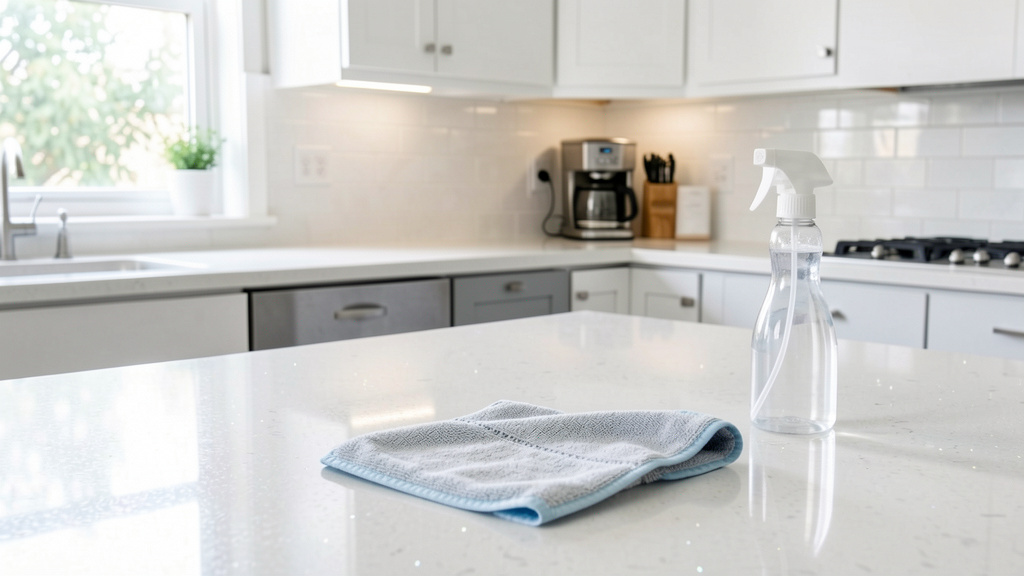
Transform Chaos into Calm with a Sustainable, Health-Focused Framework That Saves Time, Protects Surfaces, and Creates Lasting Peace
You’ve scrubbed, sprayed, and wiped—yet dust returns quickly, fingerprints reappear, and that “clean” feeling fades faster than hoped. What if the challenge isn’t your effort, but the absence of a cohesive system? This guide introduces The Cycle of Clean: a thoughtful, adaptable methodology designed to transform cleaning from a draining chore into an intuitive rhythm. Grounded in principles of surface science, indoor environmental health, and habit formation, this framework addresses material care, air quality awareness, sustainable routines, and friction points often overlooked. Whether managing pet hair in humid climates, navigating hard water regions, supporting allergy-sensitive households, or simply seeking greater calm, this guide offers precision techniques, flexible workflows, and deep respect for your time and well-being.
Introduction: Cleaning Is a System, Not a Sprint
For generations, cleaning advice has often operated on a flawed premise: that more effort automatically yields better results. This mindset can lead to burnout, unintentional surface damage, and neglect of a home’s interconnected ecosystem. True cleanliness reflects sustained air quality awareness, reduced allergen presence, preserved material integrity, and the psychological ease of moving through your space. Drawing on widely recognized protocols for indoor environment management and residential care standards, this guide reframes cleaning as a cyclical practice where preparation, execution, and maintenance form a resilient chain. You’ll explore why sequence matters—such as cleaning lower-contamination zones before high-moisture areas to minimize cross-transfer—and why foundational principles like “top-to-bottom, dry-to-wet” align with practical physics. This isn’t about perfection; it’s about building a responsive system that works with your home’s natural flow. By the end, you’ll carry understanding—not just steps—that turns uncertainty into quiet confidence.
The Cycle of Clean: Your Foundation for Effortless, Lasting Results
Before entering any room, we establish the core framework that makes every action intentional and efficient. The Cycle of Clean is a four-phase methodology designed to reduce redundant effort, support surface longevity, and integrate cleaning sustainably into daily life. This sequence aligns with widely accepted guidance on indoor environment care and surface hygiene practices used in sensitive settings. Move beyond random room-hopping; this structure is engineered for logical progression and lasting impact.
Phase 1: Assess—Map Your Home’s Unique Ecosystem
Cleaning begins long before tools are gathered. Stand quietly in each room and observe. Note high-traffic pathways, moisture-prone zones (like bathroom windowsills), and surface vulnerabilities (unsealed grout, delicate finishes). Track patterns gently over a day or two: Where do shoes typically land? Where do mail and keys collect? Where does pet hair accumulate? This isn’t judgment—it’s contextual awareness. A home with young children has different focal points than a quiet apartment. A residence in a dry climate manages dust differently than one in a humid region. Jot down observations simply. This phase prevents the most common cleaning misstep: applying generic advice to a unique environment. For instance, recommending acidic cleaners for mineral deposits is unwise on natural stone surfaces. Assessment shifts you from reactive cleaning to proactive stewardship.
Phase 2: Prepare—Strategic Tool & Solution Assembly
Preparation transforms chaos into calm. Based on your assessment, gather only what each area requires. This minimizes chemical exposure, reduces cross-contamination risk, and conserves time. Consider three portable caddies:
– Dry Caddy: Microfiber cloths (color-coded: red for high-moisture zones, blue for glass, green for general dusting), soft brushes, vacuum attachments, extendable duster.
– Wet Caddy: Labeled spray bottles (all-purpose, glass-specific, disinfecting solution), pH-neutral cleaner, grout brush, non-scratch sponges.
– Specialty Kit: Upholstery tool, steam cleaner (if available), soft-bristled toothbrushes for detail work, melamine sponge (used cautiously and tested first).
Prepare solutions mindfully. Water quality varies: hard water areas may see mineral residue; soft water regions might require less detergent. For a versatile all-purpose cleaner suitable for most sealed surfaces: mix 1 cup distilled water, 1 cup white vinegar (avoid on stone), 1 tbsp castile soap, and 10 drops lemon essential oil (optional). For stone-safe cleaning: 2 cups distilled water + 1 tbsp pH-neutral dish soap. Always label bottles clearly. Preparation also includes environmental readiness: open windows briefly for airflow beforehand, wear comfortable non-slip footwear, and consider timed intervals (e.g., 20 minutes of focused work followed by a short break). This phase embodies: Clarity before action prevents correction later.
Phase 3: Execute—The Physics-Backed Cleaning Sequence
Sequence is foundational. Random room order often redistributes dust and contaminants. The Cycle of Clean follows observable physical principles:
1. Top to Bottom: Dust settles downward. Begin at ceiling fans, light fixtures, and upper shelves. Conclude at baseboards and floors. Cleaning floors first guarantees re-soiling.
2. Dry to Wet: Remove dry debris (dust, hair, crumbs) before introducing moisture. Wetting dust creates mud that embeds deeper. Vacuum upholstery before spot-treating stains.
3. Cleanest to Dirtiest Zone: Start in lower-traffic, lower-moisture areas (bedrooms, living spaces). Finish in higher-moisture or high-use zones (kitchen sink area, bathroom). This minimizes unintentional transfer.
4. Consistent Direction: Move left to right (or right to left) using overlapping patterns (like gentle “S” shapes for mopping) to avoid missed spots and exit through the cleanest path.
The Fundamental Principle: Cleaning is not merely removing dirt—it’s managing particle movement. Every motion, tool choice, and sequence decision either contains particles or redistributes them. Understanding this transforms efficiency.
Phase 4: Maintain—Embedding Micro-Habits for Macro-Impact
Deep cleaning sustains its value through gentle maintenance. Integrate small, realistic actions into existing routines:
– The 2-Minute Reset: After cooking, wipe counters while waiting. After showering, squeegee glass doors before stepping out. These micro-actions prevent buildup.
– Habit Stacking: Link cleaning to daily anchors. After morning coffee, wipe the sink. Before evening reading, fluff cushions and clear surfaces. Leveraging existing habits builds consistency.
– Weekly Pulse Check: Spend five minutes walking through rooms. Note one small task needing attention (e.g., “mirror needs wiping,” “mat requires shaking”). Address it promptly.
– Seasonal Awareness: Adjust gently with the calendar. Spring: clean window tracks. Summer: check AC drip areas. Fall: refresh entry mats. Winter: maintain humidifier components. Maintenance isn’t extra work—it’s strategic prevention that meaningfully reduces deep-cleaning frequency over time.
This framework nurtures cleaning as a living practice. When you understand why sequence matters, actions become intuitive. You shift from “What’s next?” to seeing your home as a dynamic environment you care for with growing confidence.
The Kitchen: Command Center of Cleanliness and Safety
The kitchen blends food safety, material care, and family flow. A single overlooked detail—like using the same cloth on multiple surfaces—can compromise hygiene. We break this space into five strategic zones, emphasizing surface compatibility, high-use areas, and workflow logic. Clean the kitchen after lower-traffic zones but before higher-moisture areas to support sequence integrity.
Zone 1: Countertops and Backsplash—Surface Intelligence First
Why this zone matters: Countertops are high-touch surfaces where food prep, mail, and daily life converge. Material dictates method—abrasives can damage quartz; acids etch natural stone. Backsplashes trap cooking residue, creating sticky films.
Step-by-Step Execution:
1. Clear and Assess: Remove items. Identify surface type: laminate, quartz, granite, butcher block, tile? Consult manufacturer guidance if unsure. Run a finger along the backsplash—gritty (mineral) or sticky (grease)?
2. Dry Dust First: Use a dry microfiber cloth to lift loose particles horizontally across backsplash and counters. Pay attention to seams where debris collects.
3. Targeted Cleaning:
– Laminate/Quartz: Spray pH-neutral cleaner. Wipe in straight lines. For dried spills, let solution dwell briefly before wiping.
– Natural Stone (Granite/Marble): Use stone-specific or mild soap solution. Avoid vinegar, lemon, or abrasives. Blot spills promptly—acidic substances can affect stone.
– Butcher Block: For sealed wood, use diluted vinegar solution with caution. For unsealed wood, use mineral oil and salt scrub for stains. Dry thoroughly to prevent warping.
– Tile Backsplash: Spray solution, dwell briefly. Use a soft toothbrush with baking soda paste for grout lines. Rinse brush frequently.
4. Final Polish: Buff with a dry microfiber cloth. For glass or high-gloss finishes, use a dedicated glass cloth to avoid residue streaks.
Common Considerations:
– Cloth Separation: Using the same cloth on counters and sink spreads particles. Consider color-coded cloths and regular replacement.
– Moisture Control: Pooling liquid near seams (especially laminate) may cause swelling. Spray cleaner on cloth, not directly on surface.
– Edge Attention: The front edge of countertops collects crumbs and oils. Wipe vertically along the entire perimeter.
– Testing First: When trying a new cleaner, test in a discreet area. For example, a cloudy appearance on quartz after using citrus cleaner often resolves by switching to pH-neutral solution and gentle buffing.
Zone 2: Sink and Faucet—High-Use Hygiene Zone
Why this zone matters: Kitchen sinks experience frequent moisture and organic residue. Faucet aerators can accumulate mineral deposits over time, affecting flow.
Step-by-Step Execution:
1. Pre-Clean Rinse: Remove dishes. Rinse basin with warm water to loosen debris. Plug drain if needed.
2. Basin Cleaning: Sprinkle baking soda generously. Pour white vinegar over it—observe the reaction that helps lift residue. Let dwell briefly. Avoid vinegar on stone sinks.
3. Scrub Gently: Use a non-scratch sponge. Work from top (rim) downward. Pay attention to the drain area and overflow hole if present. For stainless steel, rub with the grain direction to avoid fine scratches.
4. Faucet Detail: Remove aerator (unscrew tip). Soak in vinegar to dissolve deposits. Scrub gently with an old toothbrush. Wipe faucet body with a vinegar-dampened cloth, focusing on handles and base. Buff dry to reduce water spots.
5. Final Rinse: After cleaning, rinse thoroughly. If using a food-safe disinfecting solution, follow label dwell times and rinse completely. Never mix cleaning chemicals—vinegar + bleach creates hazardous fumes.
Adaptive Tips:
– Hard Water Areas: Wrap vinegar-soaked paper towels around faucet base/spout, secure gently, and wait 20–30 minutes before wiping.
– Budget Option: Lemon halves can address light deposits (citric acid) with a fresh scent—but avoid prolonged contact with metal or stone.
– Quick Reset: No time for deep clean? Wipe basin and handles with a disinfecting cloth, focusing on high-touch points. Run water briefly to flush.
Zone 3: Appliances—Exterior and Interior Care
Why this zone matters: Appliances represent significant investment. Gentle, appropriate cleaning supports longevity, efficiency, and safety.
Refrigerator Protocol:
– Exterior: Wipe stainless steel with the grain using dedicated cleaner or diluted dish soap. Avoid paper towels—they may scratch. For fingerprints, use a damp microfiber cloth.
– Interior: Empty contents. Remove shelves/drawers; wash in sink with warm soapy water. For interior walls, use baking soda solution (2 tbsp per quart of water). Place an open box of baking soda inside afterward to absorb odors. Important: Vacuum condenser coils (located at back or bottom) every 6–12 months—dust buildup affects efficiency. Unplug first.
– Seals/Gaskets: Wipe rubber door seals with a mild solution. For discoloration in crevices, use a cotton swab with diluted hydrogen peroxide (test first).
Oven & Stovetop Strategy:
– Glass-Top Stoves: Avoid abrasives. For burnt-on food, apply baking soda paste, cover with a damp cloth, wait 15 minutes, then wipe. For stubborn spots, a razor blade held at a low angle may be used carefully. Finish with glass cleaner.
– Gas Burner Caps: Remove caps and grates. Soak in hot soapy water. Scrub with toothbrush. Ensure ports are clear before reassembling.
– Oven Interior: For self-cleaning models, follow manufacturer instructions carefully with ventilation. For manual cleaning, baking soda paste applied thickly (avoiding heating elements), left overnight, then wiped away is often effective. For glass oven doors, apply paste between layers if accessible.
Supporting Practices:
– Microwave: Place a bowl of 1 cup water + 2 tbsp vinegar inside. Heat until steaming (approx. 5 minutes). Let sit 10 minutes (door closed). Wipe interior—steam loosens residue.
– Dishwasher: Monthly, place a cup of vinegar on the top rack; run a hot cycle. Follow with sprinkling baking soda on the bottom and a short rinse cycle. Clean the filter regularly per manual.
Zone 4: Cabinets and Drawers—Beyond Surface Wiping
Why this zone matters: Cabinet fronts collect cooking oils; interiors may hold crumbs. Wood finishes require compatible cleaners to avoid drying or clouding.
Step-by-Step Execution:
1. Exterior Fronts: Mix mild dish soap in warm water. Dip microfiber cloth, wring thoroughly. Wipe horizontally. For greasy spots near the stove, a drop of vinegar in the solution may help (test on hidden area for painted cabinets). Buff dry immediately.
2. Hardware Detail: Remove knobs/pulls if feasible. Soak in soapy water. Scrub crevices with toothbrush. For fixed hardware, wrap cloth around finger for edges.
3. Interior Refresh: Empty one cabinet at a time. Vacuum crumbs. Wipe shelves with a barely damp cloth. For sticky residues, diluted rubbing alcohol on a cloth evaporates quickly (test first). Consider washable liners if compatible with finish.
4. Drawer Systems: Remove drawers. Vacuum tracks. Wipe interiors. For wooden drawers, lightly sand rough spots with fine grit paper, then apply mineral oil sparingly. Check slides for smooth operation—silicone lubricant may help if sticky.
Nuanced Guidance:
– Vintage or Delicate Finishes: Avoid vinegar or ammonia. Use distilled water with a hint of olive oil on a soft cloth for gentle care. For valuable pieces, consult a conservator.
– Pet Households: If pets access counters, clean cabinet fronts near handles more frequently—paw oils transfer readily.
Zone 5: Floors—The Final, Critical Layer
Why this zone matters: Floors collect tracked-in particles. Cleaning them last in the kitchen sequence is essential—dust from higher zones settles here. Method depends entirely on material.
Material-Specific Guidance:
– Hardwood (Sealed): Sweep or vacuum (use hardwood setting—no beater bar). Mop with barely damp microfiber mop and pH-neutral wood cleaner. Avoid soaking—moisture may affect planks. Dry immediately with a clean towel. For scuffs, rub gently with a tennis ball.
– Tile & Grout: Sweep first. Mop with warm water + mild detergent. For grout lines, use an old toothbrush with baking soda paste. In humid climates, hydrogen peroxide (test first) may address mold in grout near moisture sources.
– Vinyl/Linoleum: Avoid abrasives. Use all-purpose cleaner diluted per label. For shine, a small amount of vinegar in mop water may help (test first).
– Carpet (Rugs): Shake small rugs outside first. Vacuum thoroughly. For stains, blot (don’t rub) with cloth dampened in diluted vinegar-water solution. For grease, sprinkle cornstarch, wait, then vacuum.
Supporting Techniques:
– Mop in sections, working backward toward the exit. Refresh mop water when cloudy.
– Dry baseboards with a cloth after mopping to prevent moisture exposure.
– Keep a small “spot mop” (microfiber pad on handle) under the sink for quick spill response between deep cleans.
The Bathroom: Conquering Moisture, Mold, and Microbes
Bathrooms present unique considerations: humidity management, porous surfaces, and hygiene focus. Rushed cleaning may redistribute moisture or miss key areas. This zone-by-zone approach emphasizes ventilation, material compatibility, and breaking moisture cycles. Clean bathrooms last in your whole-home sequence to contain higher-moisture zone activity.
Zone 1: Shower and Tub—Surface and Moisture Management
Why this zone matters: Soap residue and mineral deposits bond to surfaces over time. Mold thrives where moisture and organic matter persist. Effective cleaning requires dwell time and pH-aware solutions.
Step-by-Step Execution:
1. Ventilate First: Turn on exhaust fan before starting. Open a window if possible. Prioritize airflow for comfort and safety.
2. Dry Dust Surfaces: Use a dry microfiber cloth on walls, tub rim, and fixtures to remove loose hair and dust. Prevents mud formation when wetting.
3. Targeted Solution Application:
– Glass Doors/Enclosures: Spray equal parts white vinegar and water. For buildup, add a drop of dish soap. Let dwell briefly. Using a squeegee after showers helps prevent future buildup. For etched glass (permanent cloudiness), professional assessment may be needed—prevention is key.
– Acrylic/Fiberglass Tubs: Avoid abrasives. Baking soda paste works for stains. Hydrogen peroxide-based cleaners can be effective for soap scum (test first).
– Tile & Grout: Spray vinegar solution on tiles. For grout, a paste of baking soda and hydrogen peroxide (3%) applied with an old toothbrush may help. Let dwell briefly—peroxide addresses mold at the surface; baking soda lifts residue. Scrub gently. Never mix vinegar and peroxide in the same container—they neutralize each other.
– Natural Stone (Marble, Travertine): Use pH-neutral stone cleaner only. Vinegar can etch permanently. For discoloration in grout, use stone-safe products or diluted hydrogen peroxide (test first).
4. Rinse Thoroughly: Use a handheld showerhead or clean water to rinse all surfaces. Residue attracts more particles.
5. Dry Completely: Wipe walls, doors, and fixtures with a dry microfiber cloth. Leave shower curtain open or door ajar to air-dry. Allow fan to run post-clean to reduce humidity.
Key Considerations:
– Black spots in grout are often mold. Bleach addresses surface mold but has strong fumes and limited penetration. Hydrogen peroxide (3%) is a gentler alternative for surface treatment. For recurring issues, address root causes: improve ventilation, fix leaks, or use a dehumidifier.
– Budget Method: A paste of baking soda and liquid castile soap works for light soap scum on compatible surfaces.
– Quick Reset: Spray solution, wipe immediately with microfiber, then squeegee glass. Better than skipping—schedule deeper attention soon.
Zone 2: Toilet—Focused Hygiene Practice
Why this zone matters: Toilets require strategic sequencing to avoid spreading particles to handles, floors, or tools.
Step-by-Step Execution:
1. Prep Safely: Ensure ventilation. Gather all tools within reach before starting—avoid walking away with soiled items.
2. Clean Exterior First (Top to Bottom): Apply disinfecting solution to tank, lid, seat (top and bottom), and handle. Let dwell per product instructions. Wipe with a dedicated cloth. Why exterior first? Minimizes transfer from bowl to frequently touched surfaces.
3. Bowl Interior Protocol: Apply bowl cleaner under the rim and inside. Let dwell as directed (critical for effectiveness). Scrub under the rim thoroughly with a toilet brush—residue hides here. Scrub bowl walls. Flush after scrubbing to rinse the brush.
4. Brush Care: Rinse brush thoroughly. Apply disinfecting solution to brush head and holder. Store upright to dry. Replace brush periodically.
5. Base and Floor: Apply solution around the base and floor area. Wipe with cloth. Mop floor last in bathroom sequence.
Supporting Insights:
– A pumice stone may address hard water rings on porcelain bowls—keep stone wet while using gently. Avoid on colored porcelain.
– Eco-Alternative: Baking soda followed by vinegar can help with light cleaning (let fizz, then scrub). For disinfection needs, follow product guidelines.
– Sensitivity Note: For households with respiratory sensitivities, avoid aerosol sprays. Use pump sprays with ventilation. Hydrogen peroxide-based cleaners may be less irritating than bleach-based options.
Zone 3: Vanity and Sink—Detail-Oriented Care
Why this zone matters: Faucets accumulate toothpaste residue and mineral spots. Vanity surfaces hold daily-use items. Mirror cleaning requires streak-free technique.
Step-by-Step Execution:
1. Clear and Declutter: Remove items from counter. Wipe inside cabinet if accessible.
2. Sink Basin: Adapt kitchen sink protocol for material (porcelain, vessel sink). For porcelain, baking soda paste removes stains. For vessel sinks, use appropriate cleaner. Clean overflow hole with cotton swab.
3. Faucet and Handles: Polish with vinegar-dampened cloth. For aerator buildup, remove and soak as in kitchen protocol. Buff dry.
4. Mirror Technique: Spray glass cleaner on microfiber cloth, not mirror (prevents drips). Wipe in an “S” pattern. For streak-free finish, use a clean, dry microfiber cloth. Clean edges and frame with a damp cloth.
5. Vanity Surface: Wipe with cleaner appropriate for material. Pay attention to corners where dust collects. Return items thoughtfully—use trays to corral small items.
Common Considerations:
– Paper towels on mirrors often leave lint. Microfiber is preferred.
– For persistent spots on chrome fixtures, lemon juice (rinse immediately) may help in hard water areas.
– If pets drink from sinks, clean faucet base and handles more frequently.
Zone 4: Floors and Fixtures—Final Containment
Why this zone matters: Bathroom floors require careful moisture management. Baseboards trap dust and humidity. Sequence prevents re-soiling cleaned surfaces.
Step-by-Step Execution:
1. Final Dry Dust: Run dry microfiber cloth along baseboards and corners before wet cleaning.
2. Spot Treat: For discoloration on grout near floor, apply hydrogen peroxide with cotton swab (test first). Let sit briefly.
3. Mop Strategically: Start farthest from door. Use minimal water—excess moisture affects materials and encourages mold. For tile, vinegar-water solution (1:1) may help. For vinyl, mild detergent. Refresh water as needed.
4. Dry Immediately: Wipe baseboards with dry cloth after mopping. Use fan to accelerate drying if humidity is high.
5. Fixture Polish: Give toilet paper holder, towel bars, and light switches a final wipe with a disinfecting cloth.
Essential Reminders:
– Designate bathroom-only tools. Wash microfiber cloths separately after use.
– Silica gel packets in vanity drawers absorb moisture (replace monthly).
– Place non-slip mat after cleaning floor to avoid tracking.
The Living Room: Where Clean Meets Comfort and Connection
This space balances aesthetics, comfort, and use. “Clean” here ties closely to visual calm and sensory ease—dust on electronics, crumbs in cushions, or smudged screens disrupt relaxation. Focus on preserving textiles, protecting electronics, and creating inviting surfaces without sterile perfection.
Zone 1: Upholstery and Soft Surfaces—Gentle Yet Effective Care
Why this zone matters: Fabric absorbs particles and odors. Aggressive cleaning may damage fibers. Fabric codes (found on tags) guide care: “W” = water-based; “S” = solvent only; “WS” = either; “X” = vacuum only.
Step-by-Step Execution:
1. Dry Removal First: Vacuum thoroughly using upholstery attachment. Move cushions. Vacuum seams, crevices, and under cushions. For pet hair, a slightly damp rubber glove rubbed in one direction can gather hair effectively.
2. Spot Test: Always test cleaner on a hidden area (e.g., back of cushion). Wait to check for discoloration.
3. Stain Guidance:
– General Spills: Blot (don’t rub) with clean white cloth. Club soda may help lift stains. Blot again.
– Grease/Oil: Sprinkle cornstarch or baking soda. Wait 15 minutes. Vacuum. Repeat if needed.
– Ink: Dab with cotton ball dipped in rubbing alcohol (test first!). Blot from edge inward.
– Pet Accidents: Blot immediately. Apply enzymatic cleaner designed for organic matter—follow dwell instructions. Avoid ammonia-based cleaners (may encourage repeat marking).
4. Deodorizing: Sprinkle baking soda liberally. Let sit 30+ minutes. Vacuum thoroughly. For scent, add a few drops of essential oil to baking soda before sprinkling (use cautiously with pets).
5. Cushion Care: Flip and rotate cushions periodically for even wear. Air cushions outside on a dry, breezy day if fabric allows.
Material Nuances:
– Microfiber: Use soft brush attachment. For stains, mild soap solution. Brush gently with nap direction.
– Leather: Wipe with damp cloth. Condition periodically with pH-balanced leather conditioner. Avoid silicone-based products—they attract dust.
– Velvet: Vacuum with nap direction. Avoid wet cleaning—consult professionals.
– Illustrative Example: A red wine spill on beige fabric responds best to immediate blotting, club soda application, and gentle baking soda paste if residue remains. Acting quickly and gently preserves fabric integrity.
Adaptive Options:
– Budget Alternative: Diluted white vinegar (1:1 with water) works for many “W” code fabrics (test first!).
– Allergy Focus: Freeze small fabric items (throw pillows) in a sealed bag for 24 hours to reduce dust mites. Vacuum mattresses monthly with a HEPA-filter vacuum.
Zone 2: Electronics and Screens—Precision Without Damage
Why this zone matters: Screens have delicate coatings. Dust in vents affects performance. Static attracts more dust.
Step-by-Step Execution:
1. Power Down: Turn off and unplug devices. Cooling reduces condensation risk.
2. Dry Dust First: Use a dry microfiber cloth on screens, keyboards, and vents. For keyboard crevices, use a soft brush or short bursts of compressed air (hold can upright).
3. Screen Cleaning: Spray screen-safe cleaner or distilled water onto microfiber cloth—never directly on screen. Wipe gently in straight lines. For stubborn smudges, a 50/50 distilled water and isopropyl alcohol (70%+) solution on cloth may help (avoid on older screens).
4. Vent and Port Care: Use soft brush attachment on vacuum for vents. For tight spaces, wrap microfiber cloth around a chopstick.
5. Remote Controls: Remove batteries. Wipe with cloth dampened in 70% isopropyl alcohol. Use cotton swab for button crevices. Air dry completely before reinserting batteries.
Critical Reminders:
– Never use window cleaner (ammonia damages coatings)
– Never spray liquid directly on electronics
– Never use paper towels or excessive pressure
Supporting Tips:
– Keep a dedicated screen-cleaning cloth nearby for quick weekly wipes.
– Distilled water prevents mineral spots on screens.
– Secure cords with clips to reduce tripping hazards and dust collection.
Zone 3: Hard Surfaces and Decor—Curating Calm
Why this zone matters: Bookshelves collect dust. Glass tables show fingerprints. Decor items gather grime in overlooked spots. Cleaning supports visual serenity.
Step-by-Step Execution:
1. Top-to-Bottom Dusting: Start highest (ceiling fan, top shelf). Use electrostatic duster or microfiber cloth. For ceiling fans, place a pillowcase over the blade—pull toward you, trapping dust inside. Empty outside.
2. Bookshelf Protocol: Remove books in sections. Vacuum shelf with brush attachment. Wipe shelf with barely damp cloth. Dust books spine-first with dry microfiber. Return books. Why remove books? Dusting over books resettles dust below.
3. Glass and Mirrors: Follow bathroom mirror technique. For large glass tables, clean underside too—visible when seated.
4. Decor Refresh: Remove items. Wash vases, frames, and objects as appropriate. For delicate items, use soft cloth with compatible cleaner. Dust picture frames thoroughly—top edges collect dust.
5. Lamp Care: Unplug. Wipe base with damp cloth. Clean shades: fabric shades vacuum with brush attachment; paper shades use dry microfiber; plastic shades use mild soapy water. Replace dim bulbs.
Supporting Insights:
– Clutter amplifies perceived dirtiness. While cleaning, place stray items in a “relocate” basket. Return them after surfaces are clean. Clear surfaces feel cleaner faster.
– For dust sensitivity, store books behind glass doors. Use washable decorative throws.
– Keep a small caddy with microfiber cloth near seating for quick daily resets.
Zone 4: Floors—Harmonizing Surfaces
Why this zone matters: Living room floors endure traffic, pet activity, and dropped items. Method varies by material; transitions between surfaces require attention.
Material-Specific Guidance:
– Hardwood: Sweep/vacuum first. Mop with pH-neutral cleaner and nearly dry mop. Work with wood grain. Dry immediately. For scuffs, rub gently with walnut meat or tennis ball.
– Area Rugs: Shake small rugs outside first. Vacuum thoroughly—flip to vacuum underside. For stains, blot immediately. Follow manufacturer guidance for deep cleaning. Rotate rugs periodically.
– Carpet: Vacuum slowly—multiple passes in different directions lifts embedded dirt. Use crevice tool along edges. Spot clean stains promptly. Professional cleaning every 12–18 months supports longevity.
– Tile/Vinyl: Sweep first. Mop with appropriate solution. Pay attention to transitions between materials.
Supporting Practices:
– Place walk-off mats at every exterior door. Mats capture tracked-in particles. Shake or vacuum mats weekly.
– Keep a lint roller near seating for quick pet hair removal.
– In winter, place an absorbent mat inside entryways to catch moisture and salt. Shake daily.
The Bedroom: Sanctuary Deep Clean for Restorative Rest
Your bedroom should support rest—reducing allergens, minimizing visual clutter, and fostering calm. Dust mites in bedding, particles under the bed, and poor air quality can affect sleep quality. This protocol emphasizes hypoallergenic practices, textile care, and visual tranquility. Clean bedrooms early in your sequence (after living areas, before kitchen/bath) as lower-contamination zones.
Zone 1: Bedding and Mattress—Sleep Environment Foundation
Why this zone matters: Bedding accumulates skin cells and oils over time. Mattresses absorb moisture and particles. Proper care supports respiratory comfort and textile longevity.
Step-by-Step Execution:
1. Strip Completely: Remove all linens, pillows, mattress pad. Wash promptly.
2. Washing Guidance:
– Sheets/Pillowcases: Wash in the warmest water safe for fabric. For dust mite reduction, hotter water is often recommended (check labels). Use fragrance-free, dye-free detergent if sensitive. Add baking soda to boost cleaning; add vinegar to rinse cycle to remove residue (scent dissipates).
– Duvets/Comforters: Follow care label. Many require large-capacity machines or professional cleaning. Air outside on dry days between washes.
– Pillows: Down/feather pillows: wash two at a time to balance machine. Use gentle cycle, low heat dry with tennis balls to fluff. Memory foam pillows: spot clean only—never submerge.
3. Mattress Care:
– Vacuum thoroughly with upholstery attachment—focus on seams.
– For stains: Mix mild dish soap, hydrogen peroxide, and baking soda. Apply sparingly with cloth. Blot. Repeat if needed. Test in hidden area first.
– Deodorize: Sprinkle baking soda. Let sit 1+ hour. Vacuum thoroughly.
– Protect: Use washable, allergen-barrier mattress and pillow encasements. Replace periodically.
4. Re-Make with Intention: Put on clean sheets. Smooth wrinkles. Fluff pillows. Tuck edges neatly. This ritual supports a sanctuary mindset.
Supporting Practices:
– Wash bedding weekly if possible. Freeze non-washable stuffed animals monthly to reduce mites. Keep pets out of bedroom if allergies are a concern. Consider a HEPA air purifier.
– Budget Tip: Borax may boost cleaning power in warm water cycles (follow safety guidelines).
– Wellness Note: Clean bedding contributes to a restful sleep environment by reducing potential irritants.
Zone 2: Furniture and Surfaces—Clutter-Free Calm
Why this zone matters: Nightstands hold lotions and electronics—spills and dust accumulate unseen. Visual clutter may increase mental load.
Step-by-Step Execution:
1. Clear Surfaces Completely: Remove all items from nightstands, dressers, shelves. Sort into keep, donate, relocate piles.
2. Dust and Wipe: Use cleaner appropriate for surface material. Wipe inside drawers if accessible—crumbs hide here. For wood, wipe with grain direction.
3. Hardware Detail: Clean drawer pulls and knobs with damp cloth. For intricate hardware, use cotton swab.
4. Mindful Relocation: Return only essential items. Use drawer dividers. Store books vertically. Place charging station in drawer to hide cords. Less surface clutter = less future dusting.
5. Under-Bed Zone: Vacuum thoroughly. Store items in sealed, labeled bins—not loose boxes. Leave clearance for airflow.
Supporting Principles:
– The “empty surface” effect: Leaving some surfaces clear creates visual breathing room.
– While surfaces are clear, spend a few minutes tidying the closet entrance—hang stray clothes, pair shoes. Prevents “closet creep.”
– Wipe lamp bases and shades. Replace dim bulbs with warm-white LEDs (2700K) for calming ambiance. Clean light switch plates.
Zone 3: Floors and Under-Bed—The Hidden Zone
Why this zone matters: Dust accumulates under beds. Floor type dictates method, but limited access requires strategy.
Step-by-Step Execution:
1. Access if Possible: With help, shift bed slightly to access floor. If immovable, use vacuum’s crevice tool and extendable duster.
2. Vacuum/Mop Thoroughly: Follow material-specific protocols. Pay attention to corners and baseboards.
3. Under-Bed Focus: Use vacuum hose with brush tool. For hard floors, use microfiber cloth on extendable duster. Remove stored items—wipe bins before returning.
4. Baseboard Detail: Run damp cloth along baseboards. For scuffs, use melamine sponge gently (test first). Dry immediately.
Supporting Tips:
– Attach microfiber cloth to a yardstick with rubber bands for a DIY under-bed duster.
– Vacuum under bed regularly with a HEPA-filter vacuum if allergies are a concern.
– If pets access under-bed areas, vacuum more frequently. Place a washable mat to catch hair.
Zone 4: Windows and Light Fixtures—Light and Air
Why this zone matters: Clean windows maximize natural light. Dusty fixtures reduce illumination. Proper cleaning enhances perceived spaciousness and calm.
Step-by-Step Execution:
1. Window Interiors:
– Remove curtains/blinds first (wash or vacuum separately).
– Dry dust frames and sills with microfiber cloth.
– Clean glass with vinegar-water solution (1:1) or glass cleaner. Spray on cloth, not glass. Wipe in “S” pattern. Buff dry.
– Clean tracks: Use old toothbrush with vinegar solution. Vacuum debris.
2. Blinds/Shades:
– Vertical Blinds: Close slats. Wipe each slat with damp microfiber cloth. Flip, repeat.
– Horizontal Blinds: Use blind duster or wrap cloth around tongs. Close slats one direction, wipe; flip, wipe other side.
– Fabric Shades: Vacuum with brush attachment. Spot clean stains.
3. Light Fixtures:
– Turn off power at switch and circuit breaker for ceiling fixtures.
– Remove glass globes/shades. Wash in sink with mild soap. Dry thoroughly.
– Wipe fixture base with damp cloth. Dust bulbs with dry cloth (never wet).
– Reassemble carefully.
Seasonal Awareness:
– Clean windows thoroughly in spring; in fall, check seals for drafts.
– Safety First: Use a stable step stool. Never overreach. For high windows, use an extendable pole or consult professionals.
– Wellness Connection: Natural light supports circadian rhythm. Open windows briefly daily when weather permits to refresh air.
Additional Critical Areas: Completing Your Home’s Ecosystem
True home care extends beyond core rooms. These often-overlooked zones impact air quality, first impressions, and long-term maintenance. Integrate them into your Cycle of Clean rotation.
The Home Office: Taming Clutter and Digital Dust
Why it matters: Paper clutter increases mental load. Dust on electronics affects performance. This space blurs work-life boundaries—cleaning supports mental separation.
Protocol:
– Desk Surface: Clear completely. Wipe with appropriate cleaner. Organize cables with clips. Use drawer dividers.
– Electronics: Follow living room electronics protocol. Clean keyboard weekly—turn upside down, shake gently, use compressed air.
– Paper Management: Sort mail immediately: recycle, file, act. Use labeled trays: “To File,” “To Pay,” “To Shred.”
– Air Quality: Place a small air-purifying plant (snake plant, ZZ plant). Vacuum under desk weekly—dust accumulates near vents.
– Psychological Reset: At day’s end, spend two minutes clearing the desk surface. Creates mental closure.
Supporting Practices:
– While cleaning physically, spend five minutes organizing digital desktop files. Delete old downloads. A clean digital space reduces cognitive load.
– Wipe monitor screen. Adjust chair height for comfort. Clean high-touch items like mouse and keyboard.
Hallways and Entryways: First Impressions and Containment Zones
Why it matters: Entryways are primary points for tracked-in particles. Hallways connect zones—neglect here undermines whole-home care.
Protocol:
– Doormats: Place mat outside and inside each exterior door. Shake/vacuum mats weekly. Wash machine-washable mats monthly.
– Shoe Strategy: Consider a “no shoes indoors” policy. Provide shoe rack or bench with storage. Wipe soles of essential indoor shoes weekly.
– Surfaces: Wipe console table, hooks, and light switches with disinfecting cloth. Vacuum or mop floor daily in high-traffic homes.
– Closet Refresh: Empty entry closet monthly. Vacuum floor. Wipe shelves. Donate unused items. Use an odor absorber inside.
– Mirror and Hooks: Clean mirror as in bathroom protocol. Wipe hooks with damp cloth.
Adaptive Tips:
– For salt-stained mats in winter, soak in vinegar-water solution before washing.
– Assign each person a hook and bin. Label bins for children’s items. Reduces clutter friction.
– A clean entryway significantly reduces tracked-in particles, decreasing cleaning needs elsewhere. This is high-leverage maintenance.
Windows and Glass: Streak-Free Clarity Throughout
Why it matters: Dirty windows block light and distort views. Exterior residue can affect glass over time. Proper technique prevents streaks.
Universal Protocol:
1. Dry Dust First: Remove loose debris from frames and sills.
2. Solution Choice:
– Interior: 1:1 vinegar-water or glass cleaner.
– Exterior: Add a drop of dish soap to vinegar-water for dirt cutting.
– Hard Water Areas: Distilled water prevents mineral spots.
3. Application: Spray solution on microfiber cloth, not glass. Reduces drips.
4. Wiping Technique: Wipe in straight lines or “S” pattern. Use second dry cloth for buffing. For large windows, use squeegee: start at top, pull down straight; wipe blade after each pass.
5. Frame and Track Detail: Clean tracks with toothbrush and solution. Vacuum debris. Wipe frames thoroughly.
Weather Wisdom: Clean windows on cloudy days. Direct sun dries solution too fast, causing streaks.
Safety First: For upper windows, use extendable pole with microfiber pad. Never lean out windows. Consult professionals for high-risk situations.
Eco-Note: Microfiber is reusable and effective; newspaper may leave ink residue.
Baseboards and Trim: The Finishing Touch
Why it matters: Baseboards collect dust and scuffs. Neglected trim makes rooms feel unfinished. This detail elevates perceived care.
Protocol:
– Dry Dust First: Run dry microfiber cloth or electrostatic duster along entire length. Start at top of trim.
– Spot Cleaning: For scuffs, use melamine sponge lightly with water (test first—may affect paint sheen). Baking soda paste on damp cloth often works gently for painted trim.
– Deep Clean: Mix mild dish soap in warm water. Dip cloth, wring thoroughly. Wipe trim. Follow with damp water-only cloth to remove residue. Dry with clean cloth.
– Corners and Edges: Use old toothbrush for inside corners and detailed moldings.
– Frequency: Wipe high-traffic areas weekly. Whole-home baseboard clean monthly.
Supporting Tips:
– Attach microfiber cloth to paint stirrer for easy reach along walls.
– Run damp cloth along baseboards where pets rub—removes oils and hair.
– Clean baseboards create a “framed” effect, making rooms feel intentionally cared for.
Navigating Real-World Cleaning Frictions: Sustainable Solutions for Real Lives
Perfection is the enemy of progress. Life brings time constraints, health considerations, and unique dynamics. This section offers adaptable frameworks—not rigid rules—to integrate cleaning sustainably. These approaches draw from habit formation principles and environmental health guidance for sensitive populations.
When Time is Short: The 15-Minute Rescue Clean
Philosophy: Consistency supports sustainability. A brief daily reset prevents overwhelming sessions. This targets high-impact zones for immediate psychological relief.
The Protocol (Set Timer):
– Minutes 1-3: Kitchen Reset. Load dishwasher, wipe counters and sink, sweep high-traffic floor area.
– Minutes 4-6: Living Room Tidy. Return stray items, fluff cushions, quick vacuum main path.
– Minutes 7-9: Bathroom Swipe. Wipe sink and faucet, squeegee shower door, quick toilet exterior wipe.
– Minutes 10-12: Bedroom Surface Clear. Make bed, clear nightstand, return clothes to hamper.
– Minutes 13-15: Entryway Sweep. Shake mats, wipe console surface, gather shoes.
Why it Works: Targets “visual hotspots” noticed first. Creates immediate calm. Builds momentum—starting is often the hardest part.
Customization: Adjust zones to your priorities. Parent of toddlers? Focus initial minutes on toy pickup. Remote worker? Prioritize home office reset.
Supporting Insight: Brief, frequent attention to living spaces can support reduced stress more effectively than infrequent deep cleans. Small wins build confidence.
For Allergy and Asthma Households: Hypoallergenic Protocols
Core Principle: Reduce particle load at the source. Focus on dust mites, pet dander, mold, and cleaner ingredients.
Integrated Approach:
– Bedding: Wash weekly in warm/hot water per fabric safety. Use allergen-barrier encasements on mattresses/pillows. Freeze non-washable stuffed animals monthly.
– Vacuuming: Use HEPA-filter vacuum. Vacuum carpets/rugs regularly. Hard floors preferred—vacuum then damp mop.
– Dusting: Use damp microfiber cloth (dry cloths scatter particles). Start high, work down. Consider a mask if sensitive.
– Humidity Control: Maintain moderate humidity with dehumidifier/hygrometer. Supports comfort and reduces mold/dust mite conditions.
– Cleaning Products: Choose fragrance-free, dye-free options. Avoid aerosols. DIY option: water + vinegar + tea tree oil (avoid if pets have specific health conditions—consult veterinarian).
– Air Quality: Run HEPA air purifier in bedroom. Change HVAC filters regularly (MERV 11-13 rating). Open windows when outdoor air quality permits.
– Pets: Bathe dogs regularly. Keep pets out of bedroom if needed. Use washable pet beds.
Key Insight: How you clean matters. Gentle, damp methods contain particles better than aggressive dry dusting.
Product Note: “Green” doesn’t always mean hypoallergenic. Essential oils may trigger sensitivities. Patch-test new products.
Professional Consideration: Schedule deep cleans when sensitive household members are out—allows particles to settle before re-entry.
Pet Owners’ Deep Clean: Tackling Hair, Odors, and Accidents
Mindset Shift: Pets are family. Solutions should protect their health too. Avoid chemicals they might contact.
Zone-Specific Strategies:
– Hair Removal:
– Upholstery: Damp rubber glove rubbed in one direction.
– Hard Floors: Microfiber mop attracts hair better than broom.
– Carpet: Vacuum slowly; adjust beater bar settings per manual.
– Air: Run air purifier with pet filter. Groom pets regularly outdoors.
– Odor Management:
– Accidents: Blot immediately. Apply enzymatic cleaner—follow dwell instructions. Avoid ammonia-based cleaners.
– Bedding: Wash pet beds regularly. Add baking soda to wash.
– Air: Place open box of baking soda in pet areas. Refresh monthly.
– Litter Boxes: Scoop daily. Wash box weekly with mild soap (avoid strong scents—cats may avoid).
– Surface Protection:
– Use washable throws on furniture.
– Trim pet nails regularly to reduce scratches.
– Place mats under food/water bowls.
Safety First: Keep pets out of room during cleaning. Store chemicals securely. Avoid tea tree oil, phenols, and pine oils—they can be toxic to pets.
Prevention Focus: Feed pets in easy-to-clean areas. Keep grooming supplies near entryway for post-walk cleanups.
Real Talk: Accept “lived-in” as beautiful. A few stray hairs don’t negate a clean, loving home. Focus on health-critical zones.
Hard Water and Mineral Buildup: Specialized Techniques
Context Note: Hard water affects many regions. Signs: white crust on faucets, cloudy glassware, stiff laundry.
Surface-Specific Solutions:
– Faucets/Showerheads: Remove aerator/showerhead. Soak in vinegar 1–2 hours. Scrub with toothbrush. For fixed fixtures, wrap vinegar-soaked paper towels, secure, wait 30 minutes.
– Glass Shower Doors: After cleaning, apply a hydrophobic treatment to dry glass per product instructions. Reapply periodically. Test in small area first.
– Coffee Maker/Kettle: Fill with equal parts vinegar and water. Run brew cycle (coffee maker) or boil (kettle). Rinse thoroughly multiple times with fresh water.
– Dishwasher: Place cup of vinegar on top rack; run hot cycle monthly. Prevents buildup.
– Laundry: Add washing soda to wash cycle—it softens water. Use vinegar in rinse cycle to remove residue.
Prevention Approach: Wipe wet surfaces dry after use (shower walls, sinks) to prevent deposits.
Product Note: Acidic cleaners like CLR work quickly but require thorough rinsing. Avoid on natural stone, aluminum, or colored grout.
Eco-Alternative: Citric acid powder (found in canning sections) works similarly to vinegar with less odor. Mix with warm water.
Eco-Conscious Cleaning: Effective Green Solutions That Work
Beyond “Natural”: Not all DIY recipes are equally effective or surface-safe. Prioritize solutions validated by cleaning science and environmental safety.
Core Principles:
– Effectiveness First: A cleaner that doesn’t work leads to frustration. Test solutions.
– Surface Safety: Vinegar damages stone, waxed wood, and some metals. Know your materials.
– True Sustainability: Reusable tools (microfiber) > disposable wipes. Concentrated refills > single-use bottles.
– Health Transparency: Avoid vague “fragrance” (may contain phthalates). Choose products with clear ingredient disclosure.
Verified DIY Recipes:
– All-Purpose Cleaner (for sealed surfaces): 1 cup distilled water, 1 cup white vinegar, 1 tbsp castile soap, 10 drops lemon essential oil (optional). Avoid on stone, waxed wood, cast iron.
– Glass Cleaner: 2 cups distilled water, 1/2 cup vinegar, 1/4 cup rubbing alcohol (speeds drying). Spray on cloth.
– Scouring Paste: Baking soda + liquid castile soap. For sinks, tubs (non-stone).
– Disinfecting Solution (EPA-registered alternatives available): 3% hydrogen peroxide in spray bottle. Let dwell per surface guidelines. Test first; may affect fabrics.
– Deodorizer: Baking soda in open container. Refresh monthly.
Tool Sustainability:
– Microfiber Cloths: Wash in hot water without fabric softener (softener reduces effectiveness). Last hundreds of washes.
– Reusable Spray Bottles: Glass or BPA-free plastic. Label clearly.
– Brushes: Bamboo handles, plant-based bristles. Replace heads when worn.
– Mops: Choose systems with replaceable, washable pads.
When to Choose Commercial: For specific disinfection needs (post-illness), select EPA List N products. For stone surfaces, use pH-neutral stone cleaner. For persistent mold, hydrogen peroxide-based removers may help. “Green” means appropriate—not compromised effectiveness.
Critical Reminder: Never mix vinegar and hydrogen peroxide in the same container—they create peracetic acid. Use sequentially with rinsing, or on separate days.
Certification Guide: Look for EPA Safer Choice, Ecologo, or Green Seal certifications—they verify ingredient safety and performance.
Mindset Shift: Eco-cleaning is about intentionality. Choosing one concentrated refill over multiple disposable bottles reduces waste meaningfully. Progress, not perfection.
Your Questions, Answered
Q: How often should I deep clean my entire house?
A: There’s no universal schedule—it depends on household size, pets, location, and personal needs. Instead of fixed timelines, use indicators: visible dust accumulation, lingering odors, or feeling stressed by clutter. Implement the 15-minute daily reset to extend time between deeper sessions. Seasonal attention (spring/fall) addresses weather-specific needs like window tracks or entry mats. Listen to your space and your capacity.
Q: Can I use the same microfiber cloth for multiple rooms?
A: To minimize cross-transfer, consider color-coding cloths: red for bathrooms, yellow for kitchen zones, blue for glass, green for dusting. Wash bathroom cloths separately in hot water. Microfiber traps particles effectively; reusing soiled cloths redistributes them. Having several cloths in rotation ensures you always have clean ones available. Store used cloths in a wet bag until laundry day.
Q: What’s the safest way to clean mold in the bathroom?
A: First, confirm it’s mold (dark spots in damp areas) versus mildew (powdery) or mineral deposits. For small areas on non-porous surfaces (tile, glass): ensure ventilation, wear gloves, apply 3% hydrogen peroxide, let dwell briefly, scrub gently with toothbrush, rinse. Never mix cleaners. For porous surfaces (grout, drywall), surface cleaning may not address roots. For larger areas, discoloration on walls/ceilings, or if respiratory sensitivities exist, consult a professional. Address root causes: improve ventilation (run exhaust fan post-shower), fix leaks, use dehumidifier.
Q: How do I clean without triggering my asthma?
A: Prioritize containment and low-irritant methods. Clean when you’re not home if possible, or wear a mask. Use damp microfiber cloths (not dry dusting) to trap particles. Choose fragrance-free, dye-free cleaners with clear ingredient lists. Avoid aerosols—use pump sprays. Open windows for cross-ventilation. Run a HEPA air purifier during and after cleaning. Focus on high-impact zones: bedding (wash regularly), floors (vacuum with HEPA filter), and humidity control. Consult your healthcare provider for personalized protocols—cleaning should support health.
Q: Are “magic erasers” safe to use?
A: Melamine foam sponges work by gentle abrasion—they’re effective for scuffs on painted walls or baseboards but can affect surfaces: they may remove finishes from wood, scratch non-stick coatings, or dull glossy surfaces. Always test in a hidden area first. Use with water only—never with bleach or strong chemicals. Wear gloves—melamine dust may irritate skin. For most surfaces, gentler methods exist: baking soda paste for light scuffs, dedicated wood cleaner for furniture. Reserve for tough jobs where surface impact is acceptable.
Q: How do I get rid of cooking smells that linger?
A: Odors embed in fabrics and surfaces. Immediate action: while cooking, run exhaust fan vented outside, open windows. Post-cooking: place bowl of vinegar or baking soda on counter overnight to absorb odors. Simmer water with citrus peels and cinnamon sticks for pleasant scent. For embedded smells: wash curtains, wipe walls with vinegar-water solution (test first), clean light bulbs (dust holds odors), replace HVAC filter. For severe cases, activated charcoal bags absorb odors without masking scents. Prevention: clean spills immediately, take out trash daily, clean microwave after use.
Q: What’s the best way to clean a mattress without damaging it?
A: Avoid saturating a mattress—moisture may cause issues and void warranties. For routine care: vacuum monthly with upholstery attachment. For stains: mix mild dish soap, hydrogen peroxide, and baking soda. Dip cloth corner, wring thoroughly, dab stain gently. Blot with dry cloth. For odors: sprinkle baking soda liberally, let sit 1+ hour, vacuum thoroughly. Always use a washable, allergen-barrier mattress protector—it’s highly effective for longevity and hygiene. Air mattress outside on a dry, breezy day periodically if possible. Avoid steam cleaners directly on mattress.
Q: How often should I replace cleaning tools?
A: Tool longevity depends on use and care:
– Microfiber cloths: 1–2 years with proper washing (no fabric softener). Replace when stiff or less absorbent.
– Sponges: Every few weeks—bacteria thrive in damp cellulose. Microwave wet sponge briefly to sanitize between replacements (not foolproof).
– Mop heads/pads: Washable pads last several months; replace when frayed.
– Vacuum bags/filters: Change bags when 2/3 full. Clean/replace filters per manufacturer.
– Toilet brush: Every 6 months—biofilm harbors in bristles.
– Dusters: Electrostatic dusters last years; wash microfiber dusters monthly.
Replace when tools show lingering odors after washing, reduced effectiveness, or visible wear. Quality tools support better results long-term.
Q: Is it better to dust with a wet or dry cloth?
A: It depends on the dust and surface. Dry microfiber works well for light, dry dust on most surfaces—it traps particles electrostatically. Damp cloth is helpful for: greasy kitchen dust, sticky surfaces, or allergy control (damp cloth contains particles). Never use dry cloth on electronics—it creates static. Never use overly wet cloth on wood—it may cause swelling. Best practice: start with dry microfiber for initial dust lift, follow with slightly damp cloth for residue on non-sensitive surfaces. For allergy-sensitive homes, damp methods often better contain particles.
Q: How do I clean windows without streaks?
A: Streaks often come from dirty tools, solution residue, or technique. Protocol: 1) Dry dust frames/sills first. 2) Use distilled water (prevents mineral spots) mixed with vinegar or cleaner. 3) Spray solution on microfiber cloth, not glass. 4) Wipe in straight lines or “S” pattern. 5) Buff immediately with dry, clean microfiber cloth. 6) Clean on cloudy day—sun dries solution too fast. For stubborn streaks: clean tracks thoroughly, replace old squeegee blade, or try newspaper for final buff (may leave ink). Consistent monthly cleaning prevents heavy buildup.
Q: What’s the most overlooked cleaning task that makes the biggest difference?
A: Cleaning light switch plates and door handles. These high-touch surfaces accumulate particles and are rarely cleaned. Wipe weekly with a disinfecting cloth. This simple act supports reduced germ transfer, especially during cold/flu season. Second: vacuuming under furniture and along baseboards—dust here redistributes into the air. Third: cleaning the inside of the microwave—splatters harbor bacteria and cause odors. These micro-tasks take minutes but yield meaningful benefits.
Q: How can I get my family to help with cleaning without constant reminders?
A: Shift from chore enforcement to shared stewardship. Hold a brief family meeting: “Our home is our shared space. How can we make caring for it feel fair and manageable?” Co-create solutions:
– Visual Systems: Chore chart with rotating tasks. Use pictures for young children.
– Time Boxing: “We’ll all clean together for 15 minutes after dinner—then free time.” Play upbeat music.
– Zone Ownership: Each person “owns” one small zone (e.g., teen wipes bathroom sink daily; partner manages kitchen counters).
– Positive Reinforcement: “Thank you for taking out the trash without being asked!”
– Lower Barriers: Keep supplies accessible (caddy under sink). Pre-portion cleaners.
Focus on contribution, not perfection. A child wiping tables builds responsibility. Frame it as “We care for our home because we care for each other.”
Conclusion: Your Clean Home Journey Starts Now
You now hold more than a room-by-room checklist—you possess a living system. The Cycle of Clean transforms cleaning from a source of stress into an act of mindful stewardship. You understand that sequence prevents rework, that surface awareness protects your investments, and that small habits create meaningful impact. This isn’t about achieving flawless spaces; it’s about crafting a home that supports your well-being, reduces daily friction, and brings quiet pride. Dust will return. Fingerprints will reappear. But now, you respond with knowledge, not frustration. You see a smudge not as failure, but as information—a gentle signal to adjust a micro-habit. You view cleaning not as time taken from life, but as time invested in your sanctuary.
Recap: The Three Pillars of Sustainable Cleaning
- System Over Sweat: The Cycle of Clean (Assess, Prepare, Execute, Maintain) ensures every action compounds. Top-to-bottom sequencing aligns with physics. Preparation minimizes cross-transfer. Maintenance meaningfully reduces deep-cleaning frequency over time.
- Surface Intelligence: Material guides method. Vinegar cleans glass but affects stone. Microfiber traps dust; paper towels may scatter it. Understanding why a technique works empowers confident adaptation to any surface or situation.
- Friction-Aware Adaptation: Life isn’t ideal. The 15-minute rescue clean, hypoallergenic protocols, and pet-owner strategies ensure your system bends without breaking. Sustainability means meeting your reality with compassion, not rigid perfectionism.
The 24-Hour Rule: One Small Step Today
Within the next 24 hours, complete one tiny action that embodies this new mindset:
→ If feeling overwhelmed: Set a timer for 5 minutes. Clear the kitchen counter completely. Wipe it down. That’s it.
→ If time-crunched: Place a microfiber cloth and spray bottle under your sink tonight. Tomorrow morning, wipe the bathroom sink while waiting for coffee.
→ If supporting allergies: Wash your pillowcases in warm water before bed.
This isn’t about the task’s size—it’s about breaking inertia. Momentum begins with motion. Acknowledge this step. Tomorrow, add one more minute.
The Big Picture: How a Clean Home Transforms Daily Life
A truly cared-for home operates gently in the background of your life. It’s the deep breath walking into a clutter-free living room after a demanding day. It’s the child sleeping soundly on fresh bedding. It’s the confidence of welcoming guests without anxiety. It’s the preserved finish on a cherished piece of furniture, cared for with knowledge. Cleaning, at its heart, is an act of care—for your health, your sanctuary, your peace. You are not just removing particles; you are cultivating calm. You are not just wiping surfaces; you are honoring the space that holds your life. Start where you are. Use what you have. Do what you can. Your journey to a home that feels like peace begins with a single, intentional wipe.
Explore Our Complete Home Care System:
The Sustainable Cleaning Pantry: Verified DIY Recipes for Every Surface | Decluttering with Compassion: A Room-by-Room Strategy | Seasonal Home Care Checklist: Gentle Preparation for Every Transition | Non-Toxic Cleaning for Families: Safe, Effective Solutions | The 10-Minute Daily Reset: Prevent Weekend Cleaning Overwhelm | Hard Water Solutions: Gentle Techniques for Mineral Buildup | Breathe Easy: An Indoor Air Quality Guide for Healthier Living