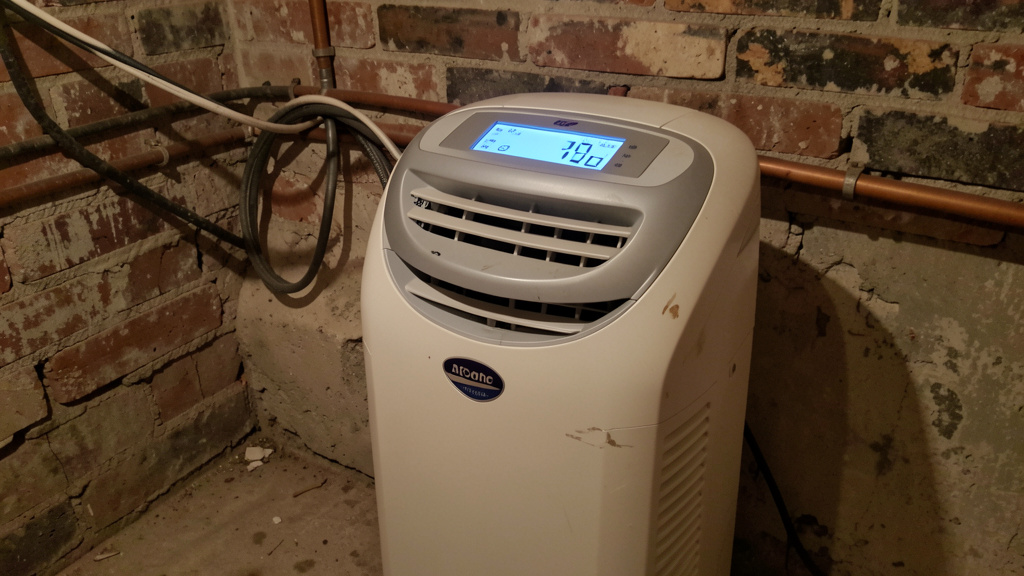
Cut through the confusion of pint capacities, room sizes, and technical specs. This definitive guide walks you through every critical decision point—grounded in engineering principles and real-world performance patterns—to ensure you invest in a dehumidifier that genuinely solves your moisture challenges without wasting energy or money.
Excess moisture in your home isn’t just uncomfortable—it can silently compromise structural integrity and indoor air quality. Choosing the right dehumidifier requires moving beyond marketing claims to understand how your specific environment, usage patterns, and long-term goals interact with the machine’s capabilities. This guide transforms a complex purchase into a series of clear, confident decisions.
Introduction
Moisture management sits at the intersection of structural preservation, health protection, and daily comfort. Persistent dampness manifests in warped floorboards, peeling wallpaper, persistent musty odors, and visible mold colonies in corners and grout lines. Simultaneously, elevated humidity fuels dust mite populations—microscopic arachnids whose droppings trigger allergic reactions in many individuals—and creates ideal conditions for mold spores to proliferate. Conversely, air that is too dry causes static shocks, cracked wood finishes, irritated sinuses, and damage to sensitive belongings. The goal is equilibrium: maintaining indoor relative humidity between 40% and 50% year-round. Achieving this balance requires more than impulse-buying the unit with the flashiest display. Industry standards established by the Association of Home Appliance Manufacturers (AHAM) provide consistent laboratory testing protocols, yet real-world conditions—from a stone-walled basement in coastal regions to a newly constructed concrete slab foundation in humid climates—demand contextual interpretation of those numbers. This guide synthesizes environmental science, mechanical engineering principles, appliance lifecycle patterns, and practical usage considerations into a repeatable selection methodology. By progressing through each pillar deliberately, you eliminate guesswork, avoid common purchasing pitfalls, and arrive at a solution engineered precisely for your home’s unique moisture profile. The result is not merely a functional appliance, but a strategic investment in your property’s longevity and household well-being.
The Four-Pillar Selection Framework
Selecting a dehumidifier demands a systematic approach. Randomly comparing pint ratings or brand names leads to mismatched equipment, wasted resources, and unresolved moisture issues. The Four-Pillar Selection Framework transforms complexity into clarity through sequential, interdependent evaluation stages. Each pillar builds upon the previous one, creating a comprehensive diagnostic picture that accounts for environmental variables, human factors, and long-term economics. This approach intentionally avoids over-reliance on single metrics (like square footage charts) that dominate retail marketing but fail in real-world application. Instead, it emphasizes contextual capacity—understanding how temperature, air exchange rates, moisture sources, and usage patterns collectively determine performance requirements. By completing all four pillars before considering specific models, you establish non-negotiable criteria that filter out unsuitable options early. This prevents emotional purchasing decisions driven by temporary sales, brand loyalty, or feature overload. Remember: the optimal dehumidifier is not the most powerful, the quietest, or the smartest—it is the one that seamlessly integrates into your environment, addresses your moisture challenge, and delivers sustained value within your operational constraints. Let’s begin with the essential foundation: accurately diagnosing the problem you’re solving.
Pillar 1: Quantify Your Moisture Challenge
Skipping thorough moisture assessment is the single most common reason dehumidifiers underperform or become abandoned appliances. A dehumidifier treats symptoms; identifying the symptom’s origin, severity, and scope determines whether the tool is appropriate—and if so, what specifications it requires. This pillar moves beyond subjective impressions (“it feels damp”) to objective, actionable data.
Conduct a Multi-Sensory Environmental Audit
Begin with a methodical inspection conducted over 24–48 hours. Document observations systematically:
- Visual Indicators:
- Condensation Patterns: Note where water droplets form—windows (especially single-pane), cold water pipes, foundation walls, or floor joists. Morning condensation on basement walls often indicates ground moisture infiltration.
- Biological Growth: Inspect corners, behind furniture, under sinks, inside closets, and along baseboards for fuzzy patches (mold) or black speckling (mildew). Use a flashlight at a low angle to reveal subtle discoloration.
- Material Distress: Check for bubbling paint or wallpaper, warped wood flooring or cabinet doors, lifting vinyl tiles, rust on metal fixtures, or efflorescence (white, chalky mineral deposits) on concrete walls—signaling moisture migration through masonry.
-
Water Evidence: Look for staining on ceilings (indicating roof leaks), damp patches on carpets, or standing water in floor drains after rain.
-
Olfactory Clues:
Musty, earthy, or “wet dog” odors are reliable indicators of microbial activity. Note intensity and location. Does the smell intensify after rain? Near the laundry area? In a specific closet? Odors often precede visible mold growth. -
Tactile Feedback:
Run your hand along walls and floors. Does concrete feel perpetually cool and damp? Does wood feel slightly spongy? Place the back of your hand near suspected areas—cool spots often indicate moisture evaporation. -
Occupant Experience:
Track subjective comfort: Do clothes feel damp coming out of drawers? Does laundry take unusually long to air-dry indoors? Do family members report increased allergy symptoms (sneezing, itchy eyes) in specific areas? These patterns correlate strongly with humidity levels.
Create a simple log:
“Basement (approx. 850 sq ft): Condensation on north wall 6 AM daily; strong musty odor near sump pump; visible black mold on ceiling joists above washer; laundry feels damp after indoor drying.”
This specificity guides every subsequent decision far more effectively than “my basement is humid.”
Measure Relative Humidity Objectively and Persistently
Human perception of humidity is notoriously unreliable. What feels “sticky” at 70°F may feel “dry” at 90°F. A calibrated hygrometer (humidity sensor) is non-negotiable. Options include:
– Standalone Analog/Digital Hygrometers: ($10–$25). Place in the problem area. Digital models with data-logging capabilities (recording min/max over time) are ideal.
– Smart Sensors: ($25–$60). Integrate with home systems (e.g., Aqara, Temp Stick), providing remote monitoring and historical trends via smartphone.
– Thermostat Integration: Many modern smart thermostats (Ecobee, Nest) include humidity sensors—verify accuracy against a dedicated hygrometer.
Measurement Protocol:
1. Place the sensor at breathing height (3–4 feet) away from direct sunlight, vents, or appliances.
2. Record readings at consistent times daily (e.g., 8 AM, 2 PM, 8 PM) for 3–5 days.
3. Note weather conditions (rainy, humid, dry) alongside readings.
4. Measure in multiple locations if the space is large or has distinct zones (e.g., near foundation wall vs. center of room).
Interpretation Guide:
– 30–50% RH: Ideal range for health, comfort, and material preservation.
– 50–60% RH: Acceptable short-term; prolonged exposure risks dust mite proliferation. Monitor closely.
– 60–70% RH: Problematic. Mold growth becomes likely on organic materials. Musty odors common. Action recommended.
– >70% RH: Critical. High risk of structural damage, rapid mold colonization, and health impacts. Immediate intervention required.
If readings consistently exceed 55% RH, dehumidification is warranted. The peak sustained reading (e.g., 68% RH on humid summer mornings) defines the performance threshold your unit must meet.
Identify and Categorize Moisture Sources
Understanding origin informs solution strategy. Moisture enters homes through four primary pathways:
- Liquid Intrusion:
- Groundwater Seepage: Water wicking through concrete floors/walls (common in basements/crawl spaces). Signs: damp patches after rain, efflorescence, standing water.
- Plumbing Leaks: Dripping pipes, faulty appliance connections, slow leaks under sinks. Signs: localized dampness, staining, increased water bills.
-
Roof/Window Leaks: Water penetration during storms. Signs: ceiling stains, warped window frames.
Action: Address liquid sources before purchasing a dehumidifier. A unit cannot compensate for active leaks. Consult plumbers, roofers, or foundation specialists as needed. -
Vapor Diffusion:
Moisture vapor migrating through porous materials (concrete, drywall). Common in below-grade spaces. Signs: uniform dampness on walls/floors without visible leaks.
Action: Dehumidification is primary defense. Supplement with vapor barriers during renovations. -
Air Infiltration:
Humid outdoor air entering through cracks around windows, doors, utility penetrations, or poorly sealed ductwork. Significant in humid climates. Signs: humidity spikes correlate with outdoor weather.
Action: Seal air leaks with caulk/weatherstripping. Dehumidifier manages residual moisture. -
Internal Generation:
Moisture produced inside the home: - Showering (1–2 pints per 10-minute shower)
- Cooking (boiling water, steam)
- Laundry (drying clothes indoors releases significant moisture)
- Occupants (breathing, perspiration)
- Houseplants, aquariums, unvented gas appliances
Action: Ventilate at source (exhaust fans vented outside), use lids on pots, dry clothes outdoors or in vented dryers. Dehumidifier handles residual load.
Source Assessment Worksheet:
| Observed Symptom | Likely Source Category | Immediate Action Required? |
|——————|————————|—————————-|
| Condensation on basement wall after rain | Vapor Diffusion / Air Infiltration | Seal cracks; monitor |
| Musty odor near washer | Internal Generation (laundry) + Vapor Diffusion | Ensure washer area ventilated; check drain pan |
| Staining on ceiling below bathroom | Liquid Intrusion (plumbing leak) | YES – Contact plumber immediately |
If “Immediate Action Required” applies to liquid intrusion sources, pause dehumidifier research until resolved. Installing a unit over an active leak wastes money and delays critical repairs.
Common Assessment Pitfalls to Avoid
- Relying Solely on Square Footage: Two identical-sized basements can have vastly different moisture loads due to construction (stone vs. poured concrete), climate (coastal vs. arid), usage (finished living space vs. storage), and ventilation. Square footage is merely one input variable.
- Ignoring Seasonal Variability: Humidity fluctuates. A space reading 50% RH in winter may hit 75% RH during summer monsoons. Size for the worst-case sustained scenario, not average conditions. Review historical weather patterns for your region to anticipate peak humidity months.
- Overlooking Adjacent Spaces: Moisture migrates vertically and horizontally. Dehumidifying a basement affects the ground floor, especially in open-concept homes. Consider the entire connected air volume.
- Confusing Temperature with Humidity: A cool basement may feel damp at 55% RH simply because surfaces are below dew point. Verify with a hygrometer—don’t assume discomfort equals high humidity.
The Fundamental Principle: Accurate diagnosis precedes effective treatment. Investing two hours in systematic assessment prevents two years of frustration, wasted energy, and unresolved moisture problems. Your documented findings become the immutable criteria against which all dehumidifier options are measured.
Pillar 2: Match Capacity to Space and Conditions
With verified moisture data in hand, capacity selection moves from guesswork to calculation. Capacity—typically advertised in “pints per day”—is the most misunderstood specification. Manufacturer ratings follow AHAM standards tested at 80°F and 60% relative humidity. Real-world performance varies dramatically with temperature, actual humidity levels, air exchange rates, and space volume. This pillar translates your assessment into precise capacity requirements while avoiding critical sizing errors.
Decoding Pint Ratings: Laboratory Ideal vs. Real-World Reality
AHAM ratings provide a standardized benchmark only under specific lab conditions. A “50-pint” dehumidifier tested at 80°F/60% RH may remove just 30 pints at 65°F/60% RH—a common basement scenario. Below 60°F, performance plummets further for standard refrigerant units. Reputable manufacturers publish performance curves showing output across temperatures; seek these in product manuals or technical support portals. Key translation rules:
– Spaces consistently >70°F: AHAM rating is reasonably accurate (±10%).
– Spaces 60–70°F: Reduce rated capacity by 20–30% for sizing purposes.
– Spaces <60°F: Standard refrigerant units become highly inefficient; desiccant technology is required. AHAM ratings are irrelevant here.
Example: Your basement averages 65°F with peak humidity at 68% RH. You calculate needing 40 pints of removal capacity. Select a unit with an AHAM-rated capacity of 50–55 pints to compensate for the temperature penalty. Choosing a literal “40-pint” unit would result in constant runtime without reaching target humidity.
The Contextual Sizing Formula: Beyond Oversimplified Charts
Retailer sizing charts (“500 sq ft = 30-pint unit”) fail because they ignore critical variables. Use this refined formula:
-
Calculate Effective Square Footage:
Actual Sq Ft × (Actual Ceiling Height ÷ 8)
Why: Standard charts assume 8-foot ceilings. A 1,000 sq ft basement with 10-foot ceilings has 25% more air volume.
Example: 900 sq ft × (9 ft ÷ 8) = 1,012.5 effective sq ft -
Apply Moisture Severity Multiplier (based on Pillar 1 assessment):
- Slightly Damp (occasional musty smell, RH 50–60%): × 1.0
- Moderately Damp (frequent condensation, RH 60–70%): × 1.3
-
Very Damp (visible mold, standing water history, RH >70%): × 1.6
Example: 1,012.5 × 1.3 (Moderately Damp) = 1,316.25 adjusted sq ft -
Add Environmental Adjustments:
- Poor insulation / many windows / stone walls: +10–15%
- Frequent moisture-generating activities (laundry, pool, large family): +15–20%
-
Humid climate (coastal, Gulf South, Pacific Northwest): +10%
Example: 1,316.25 × 1.15 (laundry + poor insulation) = 1,514 adjusted sq ft -
Map to Capacity Range:
| Adjusted Sq Ft | Recommended AHAM Capacity |
|—————-|—————————-|
| < 800 | 20–30 pints |
| 800–1,500 | 30–50 pints |
| 1,500–2,500 | 50–70 pints |
| > 2,500 | 70+ pints or whole-house system |
Example: 1,514 sq ft → 50–60 pint AHAM-rated unit -
Apply Temperature Correction:
If space averages <68°F, select the higher end of the range (e.g., 60-pint vs. 50-pint) or verify low-temperature performance specs.
Temperature: The Non-Negotiable Performance Variable
Temperature impacts dehumidifier physics fundamentally. Refrigerant-based units (most common) cool air below its dew point to condense moisture. As ambient temperature drops:
– Coil temperature must drop further to reach dew point, reducing efficiency.
– Below manufacturer-specified minimums (often 65°F), coils freeze, triggering auto-defrost cycles that halt moisture removal.
– Energy consumption rises as the compressor works harder for less output.
Temperature-Based Selection Guide:
– >68°F: Standard refrigerant units operate efficiently. Prioritize AHAM capacity and Energy Factor.
– 60–68°F: Select units explicitly rated for “low-temperature operation” (features: auto-defrost sensors, enhanced airflow, insulated coils). Expect 20–30% capacity reduction. Verify performance curves.
– <60°F: Standard refrigerant units are ineffective. Choose desiccant dehumidifiers (absorbent material-based) which maintain consistent output down to freezing temperatures. Ideal for unheated garages, crawl spaces, wine cellars, or cold-climate basements.
– Variable Temperatures (e.g., sunroom): Consider hybrid units (refrigerant + desiccant) that auto-switch modes, though at higher cost.
Example Scenario: A homeowner installs a standard 50-pint unit in an unheated basement averaging 55°F in winter. The unit cycles on, freezes within hours, enters defrost mode (releasing captured moisture back into the air), and repeats—achieving near-zero net dehumidification while wearing out the compressor. Switching to a 25-pint desiccant unit resolves the issue with quieter, consistent operation. Temperature compatibility trumps raw capacity numbers.
Air Exchange Rate: The Hidden Capacity Drain
How much humid outdoor air infiltrates your space? High air exchange (drafty windows, frequent door openings, poor sealing) forces the dehumidifier to work harder. Estimate impact:
– Tight Construction (newer home, sealed windows): Minimal adjustment (+0–5%).
– Average Construction: Standard adjustment (+10% in formula Step 3).
– Leaky Construction (older home, visible gaps, single-pane windows): +20–25%.
– High Traffic Area (laundry room with exterior door, workshop): +15–20%.
Conduct a simple test: On a windy day, hold a lit incense stick near windows, doors, and electrical outlets. Watch for smoke deflection indicating drafts. Seal major leaks before finalizing capacity—this reduces required capacity and operating costs.
Sizing Error Consequences: Why Precision Matters
- Oversizing (Too Large):
- Short Cycling: Unit reaches target humidity too quickly, shuts off, then restarts frequently.
- Consequences: Increased compressor wear (startup surges stress components), reduced air filtration time, higher energy use per pint removed, potential humidity swings.
-
Fix: Raise humidity setpoint slightly; use timer to limit runtime; relocate to larger space. Prevention is better—avoid oversizing.
-
Undersizing (Too Small):
- Continuous Runtime: Unit runs constantly without reaching target humidity.
- Consequences: Higher electricity bills, premature component failure, unresolved moisture issues leading to mold growth, user frustration.
-
Fix: Only solution is replacement with adequately sized unit. Undersizing is costlier long-term than slight oversizing.
-
Ignoring Temperature:
- Consequence: Unit appears “defective” when it’s simply mismatched to environment. Wasted money, delayed moisture resolution.
- Fix: Verify minimum operating temperature before purchase. When in doubt, choose desiccant for cool spaces.
Capacity Verification Checklist
Before finalizing capacity:
☐ Confirmed AHAM rating (not “saturation” or “max” rating)
☐ Adjusted for actual ceiling height
☐ Applied moisture severity multiplier from Pillar 1
☐ Added environmental/activity adjustments
☐ Verified performance at your space’s average temperature
☐ Accounted for air exchange rate (drafts, door usage)
☐ Cross-referenced with manufacturer’s performance curve (if available)
This rigorous approach transforms capacity selection from marketing-driven guesswork into an evidence-based engineering decision. The resulting specification becomes your anchor when comparing models—any unit failing this capacity threshold is immediately disqualified.
Understanding Dehumidifier Types: Refrigerant, Desiccant, and Hybrid Systems
Technology choice is foundational—it dictates performance boundaries across temperature, noise, capacity, and application. Selecting the wrong technology type guarantees frustration, regardless of other specifications. This section provides clarity to match technology to your environment’s non-negotiable constraints.
Refrigerant (Compressor) Dehumidifiers: The Workhorse for Warm Spaces
Operating Principle:
A fan draws moist room air across cold evaporator coils (chilled by refrigerant compression/expansion cycle). Moisture condenses on the coils like dew on a cold drink, drips into a collection system, and the dried air passes over warm condenser coils before being exhausted back into the room. This process is thermodynamically identical to an air conditioner but without expelling heat outdoors—making the exhaust air slightly warmer than intake.
Performance Profile:
– Optimal Temperature Range: 65°F–90°F (18°C–32°C)
– Capacity Range: 20–100+ pints/day (AHAM)
– Energy Efficiency: High in warm conditions (EF typically 2.0–3.5 L/kWh)
– Noise Level: Moderate to high (45–55 dB) due to compressor operation
– Moisture Removal Curve: Output drops sharply below 65°F; ineffective below 60°F without specialized low-temp features
Ideal Applications:
– Basements in temperate climates (consistently >65°F)
– Living areas, dens, finished basements in humid regions
– Laundry rooms, workshops with moderate temperatures
– High-moisture removal needs (flood restoration, severe dampness)
Key Sub-Types:
– Standard: Basic auto-defrost; struggles below 65°F.
– Low-Temperature Operation: Enhanced features:
– Hot gas bypass (redirects warm refrigerant to prevent coil freeze)
– Adjustable fan speeds to maintain airflow over coils
– Insulated coils and sensors to detect frost formation
– Verification: Must explicitly state minimum operating temperature (e.g., “Operates down to 41°F”). Do not assume “auto-defrost” equals low-temp capability.
Example Case:
A family maintains a 1,200 sq ft finished basement (avg. temp 72°F, RH 65% in summer). They select a 70-pint refrigerant unit with digital humidistat. The unit cycles efficiently, maintaining 50% RH with 6–8 hours daily runtime. Energy costs average $85/year. After 5 years, the unit continues reliable service with only filter maintenance. The same unit would fail in a basement averaging 55°F—highlighting temperature as the decisive factor.
Desiccant Dehumidifiers: The Specialist for Cool, Quiet, or Small Spaces
Operating Principle:
Air passes over a rotating wheel or stationary bed containing a hygroscopic desiccant material (typically silica gel or molecular sieve). The desiccant chemically absorbs water vapor from the air. A separate, smaller heated air stream (regeneration circuit) then passes over the saturated desiccant section, driving off the captured moisture as warm, dry exhaust air. No compressor or refrigerant is involved—only fans and a low-wattage heater.
Performance Profile:
– Optimal Temperature Range: 33°F–100°F (0°C–38°C)—consistent output across entire range
– Capacity Range: 10–25 pints/day (typically lower than refrigerant)
– Energy Efficiency: Lower per pint removed in warm conditions (EF typically 1.0–1.8 L/kWh), but more efficient than refrigerant units below 60°F where refrigerants falter
– Noise Level: Very low (35–45 dB)—only fan noise; no compressor
– Exhaust Air: Slightly warmer than intake (5–10°F), beneficial in cold spaces
Ideal Applications:
– Unheated basements, garages, crawl spaces (<60°F)
– Wine cellars, archives, instrument rooms requiring stable humidity
– Bedrooms, nurseries, home offices where quiet operation is critical
– RVs, boats, closets, and small enclosed spaces
– Cold-climate homes (Canada, Northern US)
Desiccant Material Longevity:
– Silica gel wheels last 5–10 years before gradual efficiency loss.
– Some units use replaceable desiccant cartridges (e.g., Eva-Dry); verify replacement cost/availability.
– Regeneration heater elements rarely fail but are serviceable in quality models.
Example Case:
A photographer stores vintage cameras in a detached garage (avg. temp 48°F, RH 75%). A standard refrigerant unit froze constantly. Switching to a 20-pint desiccant unit provided silent, continuous operation, maintaining 45% RH year-round. Though energy cost per pint is higher, the unit works where refrigerant failed—demonstrating that effectiveness trumps theoretical efficiency in mismatched conditions.
Hybrid (Combination) Dehumidifiers: The Adaptive Solution
Operating Principle:
Intelligently combines refrigerant and desiccant technologies:
– Mode-Switching Hybrids: Use sensors to select optimal technology based on ambient temperature (e.g., refrigerant above 65°F, desiccant below).
– Parallel-Flow Hybrids: Air passes through desiccant pre-dryer first (removing bulk moisture), then refrigerant stage for fine-tuning—maximizing efficiency across temperatures.
Performance Profile:
– Temperature Range: Full spectrum (35°F–95°F) with consistent output
– Capacity Range: 30–70 pints/day
– Energy Efficiency: Optimized for conditions; generally higher EF than single-technology units in variable environments
– Noise Level: Moderate (40–50 dB); desiccant mode quieter
– Complexity: More components = higher potential failure points; requires sophisticated controls
Ideal Applications:
– Spaces with wide seasonal temperature swings (sunrooms, workshops, cabins)
– Homes where precise humidity control is critical
– Users seeking “set-and-forget” reliability across all conditions
– Regions with humid summers and cold winters
Example Case:
A homeowner uses a hybrid unit in a basement ranging from 45°F (winter) to 78°F (summer). The unit automatically shifts modes: desiccant during cold months for reliable operation, refrigerant during humid summers for energy efficiency. Despite 20% higher purchase price, the homeowner avoids seasonal unit swaps and enjoys consistent 50% RH year-round—justifying the investment through convenience and performance.
Technology Selection Flowchart (Decision Protocol)
Answer these questions sequentially:
1. What is the lowest sustained temperature in the space?
– Consistently >68°F → Proceed to Q2
– 60–68°F → Select refrigerant unit with verified low-temp operation (min 41°F)
– <60°F → Select desiccant unit (skip to Q4)
– Fluctuates across ranges → Select hybrid unit
- What is your required moisture removal capacity (from Pillar 2)?
-
50 pints/day → Refrigerant (desiccants rarely exceed 25 pints)
- 25–50 pints/day → Refrigerant (best value)
-
<25 pints/day → Proceed to Q3
-
How critical is quiet operation?
- Critical (bedroom, office) → Desiccant (even if temp >68°F)
- Moderate → Refrigerant with noise-dampening features
-
Low priority → Standard refrigerant
-
What is your budget flexibility?
- Tight → Refrigerant (best capacity/$)
- Moderate → Desiccant for cool spaces; refrigerant for warm
- Flexible → Hybrid for maximum adaptability and convenience
Critical Technology Misconceptions Debunked
-
Myth: “Desiccant units are always more energy-efficient.”
Truth: Desiccants consume significant energy for the regeneration heater. In warm conditions (>70°F), refrigerant units remove moisture more efficiently per kWh. Desiccants excel only in cool conditions where refrigerants become inefficient or inoperative. Efficiency is context-dependent. -
Myth: “Higher pint rating means better dehumidifier.”
Truth: A 70-pint unit in a small, cool space will short-cycle, waste energy, and fail prematurely. Correct sizing and technology matching matter infinitely more than maximum capacity. -
Myth: “All dehumidifiers work the same way.”
Truth: Refrigerant units add heat to the space (compressor waste heat); desiccants add mild warmth (regeneration heater); hybrids vary. In summer, refrigerant units may increase AC load; in winter, the added warmth can be a minor benefit. Understand the thermal impact. -
Myth: “Built-in pumps are only for convenience.”
Truth: In spaces requiring continuous drainage (no floor drain), a pump isn’t optional—it’s essential for the unit to function as intended. Without it, the unit shuts down when the tank fills, allowing humidity to rebound. This is a functional requirement, not a luxury feature.
Technology selection is the non-negotiable foundation. No amount of feature optimization compensates for a fundamental technology mismatch with your environment. Verify temperature compatibility before evaluating any other specification. When uncertain, contact manufacturer technical support with your specific conditions—they often provide model recommendations.
Decoding the Specification Sheet: What Every Number and Term Really Means
Manufacturer spec sheets and retail listings overflow with technical jargon designed to impress, not inform. This section translates marketing language into actionable insights, empowering you to cut through noise and compare models objectively. Treat this as your specification literacy toolkit.
Capacity Ratings: AHAM vs. Saturation—The Critical Distinction
- AHAM Rating (Dehumidification Capacity):
Measured per AHAM DH-1 standard: 80°F (27°C) air temperature, 60% relative humidity. Represents realistic “normal use” conditions. This is the number you must use for sizing. Reputable retailers and manufacturers list this prominently in specifications (e.g., “AHAM Capacity: 50 Pints”). - Saturation Rating (Max Capacity):
Measured at extreme conditions: 90°F (32°C), 90% RH. Represents theoretical maximum output under rare, ideal lab conditions. Often displayed in large font on packaging (“UP TO 70 PINTS!”) to inflate perceived value. Ignore this number for sizing purposes.
Why it matters: A unit marketed as “70 Pint” may have an AHAM rating of only 45 pints. Purchasing based on saturation rating leads to severe undersizing. Always locate the AHAM rating in the detailed specifications—not the headline marketing claim. If unavailable, contact the seller or manufacturer directly. Units omitting AHAM ratings warrant skepticism.
Coverage Area: Marketing Fantasy vs. Engineering Reality
Claims like “Covers up to 4,500 sq ft” assume:
– Perfectly open floor plan with no walls
– 8-foot ceilings
– Moderate dampness (not severe)
– Ideal temperature (80°F)
– No air exchange with outdoors
Real-world factors reduce effective coverage:
– Closed doors: Reduce coverage by 30–50% per closed room
– High ceilings (10+ ft): Increase air volume proportionally
– Severe dampness: Requires more capacity per square foot
– Cool temperatures: Reduce effective output (see Pillar 2)
Practical use: Coverage area is a rough initial filter only. Rely on the contextual sizing formula from Pillar 2 for accurate capacity determination. If a spec sheet lists coverage but omits AHAM capacity, it’s a red flag—prioritize transparent manufacturers.
Airflow (CFM): The Unsung Performance Driver
Cubic Feet per Minute (CFM) measures how much air the unit processes hourly. Higher CFM = faster moisture removal and better distribution throughout the space.
– Minimum Recommendation: 150 CFM for basements under 1,000 sq ft
– Ideal Range: 200–300 CFM for spaces 1,000–2,000 sq ft
– Critical Insight: A high-capacity unit with low CFM (e.g., 100 CFM) will remove moisture slowly and create “dead zones” with stagnant humid air. Prioritize CFM alongside pint capacity.
– Verification: Search “[Model] CFM” if not listed—HVAC forums or teardown reviews often disclose this. Units with dual fans (intake + exhaust) typically achieve higher CFM.
Noise Level (dBA): Contextual Interpretation
Decibel ratings require careful comparison:
– Measurement Standard: Must specify distance (e.g., “48 dBA at 1 meter”). Ratings measured at 3 feet appear quieter than at 1 meter—apples-to-oranges comparison.
– Frequency Matters: A 50 dBA unit with low-frequency hum may be more intrusive than a 52 dBA unit with higher-frequency white noise. Watch video reviews to hear actual operation.
– Real-World Context:
– 35 dBA: Quiet bedroom at night
– 45 dBA: Library background noise
– 50 dBA: Refrigerator hum
– 55 dBA: Moderate rainfall
– 60 dBA: Normal conversation
Action Step: If placing in a living area, prioritize units with verified ratings ≤48 dBA at 1 meter. For utility rooms, ≤55 dBA is acceptable. Never rely solely on manufacturer claims—seek independent measurements.
Power Specifications: Safety and Circuit Planning
- Watts: Indicates energy consumption. Lower watts = lower operating cost, but must be evaluated alongside capacity (see Energy Factor).
- Amps: Critical for electrical safety. Most residential circuits are 15–20 amps.
- Rule of Thumb: If unit draws >7 amps, dedicate a circuit—do not share with refrigerator, microwave, or washer/dryer.
- Verification:
(Watts ÷ Voltage) = Amps. Example: 600W ÷ 120V = 5 amps (safe on shared circuit). 900W ÷ 120V = 7.5 amps (dedicated circuit recommended). - Voltage: Standard US units use 120V. Whole-house systems may require 240V—verify electrical requirements before purchase.
- Plug Type: Standard NEMA 5-15 (three-prong) for portables. Ensure outlet is grounded. Avoid adapters.
Filter Specifications: Beyond “Washable”
- Type Clarification:
- Mesh/Pre-Filter: Captures large debris; usually washable.
- Carbon Filter: Absorbs odors, VOCs (from paints, cleaning products), and smoke particles.
- True HEPA: Must capture 99.97% of 0.3-micron particles. Verify certification.
- MERV Rating: Minimum Efficiency Reporting Value.
- MERV 8: Basic dust/pollen capture
- MERV 11: Mold spores, pet dander
- MERV 13+: Bacteria, smoke particles (hospital-grade)
Higher MERV = better filtration but potential airflow restriction. Ensure unit is designed for high-MERV filters. - Replacement Cost & Availability: Search “[Model] filter replacement cost” before buying. A $50 HEPA filter replaced annually adds significant TCO. Verify filters are stocked by multiple retailers.
Portability Metrics: Real-World Maneuverability
- Dry Weight vs. Wet Weight: Note both. A “35 lb” unit becomes 45+ lbs with full tank—critical for users with mobility limitations.
- Wheel Quality: Hard plastic wheels crack on concrete; rubber-tired casters roll smoothly. Check review photos for wheel close-ups.
- Handle Design: Ergonomic, recessed handles prevent snagging. Avoid units requiring lifting by the tank handle.
- Dimensions with Clearance: Add 12+ inches to width/depth for required airflow clearance. Will it fit in your intended spot with clearance?
Model Number Decoding: Manufacturer Patterns
Understanding model numbering helps identify true equivalents across retailers:
– Example: Frigidaire FFAD7033R1
– FF = Frigidaire
– AD = Dehumidifier
– 70 = Saturation capacity (70 pints)
– 33 = Series/features (33 = digital controls, pump option)
– R1 = Revision/color (R=white, 1=first revision)
– Why it matters: Retailers sometimes create “exclusive” models with minor cosmetic changes but identical internals. Decoding reveals true value comparisons. Search “[Brand] model number decoder” for brand-specific guides.
Specification Verification Protocol
Before purchasing:
1. Locate AHAM capacity rating (not saturation)
2. Confirm minimum operating temperature matches your space
3. Verify CFM rating (target >150 for basements)
4. Check noise rating measurement distance (must be comparable)
5. Calculate amps from watts/voltage for circuit safety
6. Research filter type, replacement cost, and availability
7. Confirm drainage options match your needs (pump lift height if applicable)
8. Cross-reference model number across retailers to avoid “exclusive” markups
Armed with specification literacy, you shift from passive consumer to informed evaluator. Marketing claims lose power when you know precisely which numbers matter—and which are designed to distract. Print this section and use it as a checklist while comparing models online or in-store. This disciplined approach prevents costly mismatches driven by superficial impressions.
Pillar 3: Align Features with Your Lifestyle and Environment
Capacity ensures the dehumidifier can solve your moisture problem. Features determine whether it will solve it sustainably within your daily life. A perfectly sized unit abandoned because the water tank requires emptying three times daily fails its purpose. This pillar evaluates practical integration: how the appliance interacts with your space, routines, sensory preferences, and long-term maintenance capacity. Prioritize features that eliminate friction points specific to your situation.
Water Removal Systems: The Make-or-Break Convenience Factor
How moisture exits the unit dictates usability. Evaluate options against your drainage reality:
- Manual Tank Emptying:
- How it works: Removable tank (typically 1–2 gallons) fills; unit auto-shuts off when full.
- Best for: Small spaces (<500 sq ft), low-moisture environments, infrequent use (e.g., seasonal cabin), users physically able to lift 8–16 lbs (full tank weight).
- Critical questions:
- “Am I willing and able to check/empty the tank daily (or multiple times daily in very damp conditions)?”
- “Is the tank handle ergonomically designed? Does it leak when carried?”
- “Does the unit have a clear water-level window and audible full-tank alert?”
-
Friction point: Forgetting to empty leads to shutdowns, moisture rebound, and user frustration. Most abandoned dehumidifiers fail here.
-
Continuous Gravity Drainage:
- How it works: Attach standard garden hose (5/8″ ID) to drain port; water flows to floor drain, sink, or sump pump via gravity.
- Best for: Basements with floor drains, spaces where hose can run downhill uninterrupted.
- Critical requirements:
- Drain point must be lower than unit’s drain port (gravity-dependent).
- Hose must be kink-resistant (reinforced vinyl), sloped continuously downward.
- Connection must be secure (hose clamp recommended) to prevent leaks.
-
Pro tip: Keep a spare short hose coiled near the unit for tank-emptying emergencies if drain clogs.
-
Built-In Condensate Pump:
- How it works: Internal pump actively pushes water vertically (typically 10–15 feet) through a hose to elevated drains, sinks, or out windows.
- Best for: Finished basements without floor drains, units placed below drain level, multi-story homes where hose must climb stairs.
- Critical specifications:
- Verify actual lift height (not “up to” marketing claims). Measure vertical distance from unit to drain point.
- Check pump reliability reputation (search “[Model] pump failure” in reviews).
- Confirm pump auto-shuts off if hose disconnects or clogs.
-
Trade-off: Adds $50–$150 to cost and introduces a potential failure point, but eliminates the #1 reason for user abandonment. For spaces requiring >1 gallon removal daily, a pump is often worth the premium.
-
Hybrid Drainage Systems:
- How it works: Units offering both tank and hose ports, with auto-switching (e.g., pump activates if tank full during power outage).
- Best for: Users wanting flexibility (e.g., hose normally, tank as backup during vacations).
- Verification: Confirm auto-shutoff works if hose disconnects—prevents flooding.
Example Decision Pathway:
Scenario: Finished basement (no floor drain), unit placed 8 feet horizontally and 3 feet vertically below laundry sink.
Analysis: Gravity drain impossible (sink higher than unit). Manual tank emptying required 2x/day based on moisture assessment.
Solution: Prioritize models with verified 15+ ft lift pumps. Budget $100 extra for pump reliability. Test pump operation during store demo if possible. This small investment ensures continuous operation and user compliance.
Humidity Control Precision: Beyond Basic On/Off
A built-in humidistat (hygrometer + controller) transforms a simple moisture remover into an intelligent climate manager. Evaluate control systems:
- Basic Mechanical Dial:
- Analog knob with vague settings (“Dry,” “Normal,” “Wet”).
- Drawbacks: Inaccurate (±10% RH variance), no display, guesswork required.
-
Only consider for very small, infrequently used spaces where precision isn’t critical.
-
Digital Humidistat with Display:
- Shows current RH and setpoint numerically.
- Essential features:
- Adjustable range (35%–80% RH)
- ±3% RH accuracy (verify in specs)
- Auto-restart after power outage (resumes previous settings)
-
Why it matters: Setting target to 50% RH prevents over-drying (wasted energy, wood damage) and under-drying (mold risk). Unit cycles intelligently—running only when needed—saving energy and extending component life.
-
Advanced Control Features:
- Timer: Schedule operation during off-peak electricity hours or when away.
- Auto Mode: Unit selects fan speed based on humidity load.
- Dry Mode: Runs fan briefly after compressor stops to evaporate residual moisture from coils (reduces musty odors).
- Remote Sensor Port: Place sensor in optimal location (e.g., center of room) while unit sits in corner. Critical for large or irregular spaces.
Calibration Tip: After setup, compare unit’s RH reading with a calibrated standalone hygrometer. If variance exceeds 5%, consult manual for calibration steps (some models allow offset adjustment) or contact support. An inaccurate humidistat negates all other precision features.
Air Filtration: Health and Performance Synergy
Dehumidifiers pull air through filters before processing. Filtration quality impacts both indoor air quality and unit efficiency:
- Standard Washable Mesh Filter:
- Captures large particles (dust, lint, pet hair).
- Maintenance: Rinse monthly under lukewarm water; air-dry completely before reinstalling.
- Best for: Low-allergy households, clean environments.
-
Caution: Neglecting cleaning restricts airflow, reducing dehumidification efficiency and straining the compressor.
-
Activated Carbon Filter:
- Absorbs odors, VOCs (from paints, cleaning products), and smoke particles.
- Best for: Homes with smokers, strong cooking odors, or chemical sensitivities.
-
Limitation: Does not capture fine allergens; often combined with particle filters.
-
True HEPA Filter:
- Captures 99.97% of particles 0.3 microns (pollen, mold spores, dust mite debris, pet dander).
- Best for: Allergy/asthma households, mold-prone environments, homes with pets.
- Critical considerations:
- Verify “True HEPA” (not “HEPA-type” or “HEPA-like”).
- Check replacement cost and availability ($15–$50 annually).
- Ensure unit design maintains adequate airflow with HEPA filter installed (some budget models restrict airflow significantly).
- Pair with regular cleaning/vacuuming—filters capture airborne particles but don’t eliminate settled dust.
Filtration Strategy: In mold-prone basements, a unit with washable pre-filter + carbon layer + true HEPA provides comprehensive protection. For general use, a high-quality washable filter suffices if maintained diligently. Always prioritize filter accessibility—units requiring tools to access filters see neglected maintenance.
Noise Profile: Matching Sound to Space Function
Decibel (dB) ratings indicate loudness, but context determines acceptability. Ratings are typically measured at 1 meter; compare models tested at same distance.
| Decibel Level | Real-World Comparison | Suitable Placement |
|---|---|---|
| < 40 dB | Whisper, quiet library | Bedrooms, home offices, nurseries |
| 40–48 dB | Soft rainfall, quiet conversation | Living rooms, dens (when occupied infrequently) |
| 49–55 dB | Normal conversation, refrigerator hum | Basements, laundry rooms, garages |
| > 55 dB | Vacuum cleaner, busy office | Utility rooms, workshops, detached structures |
Noise Reduction Tactics:
– Placement: Position away from seating/sleeping areas; place on rubber mat to dampen vibration.
– Operation: Run on lower fan speed when humidity is near target; use timer to operate during daytime hours in living spaces.
– Model Selection: Desiccant units are inherently quieter (no compressor); some refrigerant models feature sound-dampening insulation or variable-speed compressors.
– Verification: Watch YouTube reviews demonstrating actual operation noise—marketing dB claims can be misleading.
Portability and Physical Integration
Consider how the unit moves and fits:
– Wheels and Handles: Essential for multi-room use. Verify wheel material (rubber-tired casters roll smoother on concrete than hard plastic) and handle ergonomics.
– Dimensions: Measure your intended placement spot including clearance requirements (typically 12+ inches on all sides for airflow). Account for hose routing paths.
– Weight: Note dry weight vs. weight when tank is full (adds 8–16 lbs). Ensure you can safely maneuver it.
– Cord Length: Minimum 6 feet recommended. Avoid extension cords (fire hazard); if unavoidable, use heavy-duty 14-gauge cord rated for the unit’s amperage.
Smart Features: Convenience vs. Complexity
Modern connectivity offers benefits but adds cost and potential failure points. Evaluate honestly:
– Wi-Fi/App Control: Remote monitoring, scheduling, filter reminders, tank-full alerts. Worth it if: You travel frequently, manage vacation properties, or value data tracking. Skip if: You prefer simple operation or have unreliable Wi-Fi.
– Voice Assistant Integration (Alexa, Google): Hands-free control. Useful for mobility-limited users.
– Energy Monitoring: Tracks kWh usage—valuable for calculating true operating costs.
– Caution: Smart features require firmware updates and app maintenance. Research brand’s long-term support reputation. A “dumb” reliable unit often outperforms a “smart” problematic one.
Energy Efficiency: Decoding the True Cost of Operation
The yellow EnergyGuide label and ENERGY STAR certification provide critical data:
– Energy Factor (EF): Liters of water removed per kilowatt-hour (L/kWh). Higher = more efficient.
– Minimum for ENERGY STAR: ≥1.85 L/kWh (units ≥75 pints)
– Good: 2.0–2.5 L/kWh
– Excellent: >2.8 L/kWh
– Estimated Yearly Energy Cost: Based on national average electricity rates. Compare this number directly between models.
– Annual kWh Consumption: Calculate your actual cost: (Annual kWh × Your Electricity Rate). Find your rate on utility bill (e.g., $0.18/kWh).
Real Cost Calculation Example:
– Unit A: 50-pint, EF=2.0, Annual kWh=550 → Yearly cost: 550 × $0.18 = $99
– Unit B: 50-pint, EF=2.8, Annual kWh=390 → Yearly cost: 390 × $0.18 = $70
Difference: $29/year savings with Unit B. Over 7-year lifespan: $203 saved—enough to offset a higher purchase price. In high-humidity climates where units run 10+ hours daily, savings exceed $50/year.
Efficiency Maximization Tips:
– Pair with humidistat to avoid unnecessary runtime.
– Seal the space (close doors/windows) during operation.
– Clean filters monthly—dirty filters increase energy use 10–25%.
– In warm climates, run dehumidifier during cooler evening hours when AC load is lower (if coordinated with cooling system).
Feature Selection Decision Matrix
| Your Priority | Feature to Prioritize | Feature to Deprioritize |
|---|---|---|
| Basement with no floor drain | Built-in condensate pump | Smart app features |
| Allergy/asthma household | True HEPA + carbon filter | Maximum pint capacity |
| Bedroom or quiet space | <45 dB rating, desiccant type | Large tank capacity |
| Budget-conscious long-term | High Energy Factor (EF>2.5) | Brand prestige |
| Elderly or mobility-limited user | Continuous drain + remote control | Manual tank emptying |
| Historic home with plaster walls | Precise humidistat (45–50% RH) | Aggressive drying modes |
This matrix forces intentional trade-offs. There is no “perfect” dehumidifier—only the optimal configuration for your constraints and priorities. Document your top three non-negotiable features before shopping. Any model missing these is disqualified, regardless of other merits.
Pillar 4: Evaluate Long-Term Value and Reliability
Purchase price represents only 20–40% of total ownership cost. Pillar 4 examines durability, support infrastructure, lifecycle expenses, and environmental impact to ensure your investment delivers sustained performance without hidden frustrations. This shifts focus from transactional buying to strategic asset acquisition.
Build Quality: Decoding Construction Signals
Without disassembling units, assess quality through observable details and aggregated data:
– Compressor Type:
– Rotary compressors: Generally quieter, more vibration-resistant, longer lifespan. Common in premium models.
– Reciprocating compressors: Traditional design; adequate in mid-range units but noisier. Verify warranty coverage.
– Research tip: Search “[Brand] compressor reliability” in HVAC technician forums. Patterns emerge.
– Coil Construction:
– Copper coils: Superior corrosion resistance, especially in salty or high-moisture environments. More expensive but longer-lasting.
– Aluminum coils: Lighter, cheaper. Look for “blue fin” or epoxy anti-corrosion coatings if aluminum is used. Avoid uncoated aluminum in coastal areas.
– Plastic Quality: Press housing panels. Rigid, thick plastic with tight seams indicates durability. Flimsy, thin plastic cracks under stress or temperature changes. Check user reviews for “cracked housing” or “broken handle” complaints.
– Fan Motor: Ball-bearing motors outlast sleeve-bearing types significantly. Sealed motors resist moisture ingress—critical for damp environments.
– Internal Layout: Units with accessible filters, visible drain ports, and logical component arrangement signal serviceability. Avoid models where filter access requires tools.
Warranty Terms: Reading Beyond the Headline
Warranty length alone is meaningless without context. Scrutinize:
– Coverage Scope:
– Full Parts & Labor: Rare beyond 1 year. Ideal but expensive.
– Sealed System Warranty: Covers compressor, coils, refrigerant lines (typically 2–10 years). Most valuable component coverage.
– Limited Warranty: Excludes “normal wear” items (filters, tanks, pumps). Read exclusions carefully.
– Labor Coverage Duration: Often only 1 year even if parts covered longer. Labor costs frequently exceed part costs—verify.
– Registration Requirements: Some extended warranties require online registration within 30 days. Set a calendar reminder.
– Service Process: Does manufacturer use authorized local technicians? Or require shipping the unit (costly for 40+ lb appliances)? Check support website for service locator tool.
– Pre-Purchase Test: Email customer service with a technical question (e.g., “Can I use a 25-foot drain hose with Model XYZ?”). Response time, clarity, and helpfulness predict post-sale support quality.
Warranty Red Flags:
⚠️ “Warranty void if not installed by certified technician” (for portable units)
⚠️ Shipping costs for repairs borne by customer
⚠️ Vague language: “defects in materials and workmanship” without specific component coverage
Total Cost of Ownership (TCO) Calculation
Move beyond sticker price with this 7-year projection (typical dehumidifier lifespan):
| Cost Component | Unit A (Budget) | Unit B (Premium) |
|---|---|---|
| Purchase Price | $180 | $320 |
| Annual Energy Cost (EF=1.9 vs 2.7) | $110 | $78 |
| Filter Replacements (7 yrs) | $35 | $70 (HEPA) |
| Estimated Repair Cost (based on reliability data) | $60 | $20 |
| 7-Year Total | $1,045 | $936 |
Conclusion: Despite higher upfront cost, Unit B delivers lower total cost due to energy savings and reliability. In high-use scenarios (runtime >6 hrs/day), the premium model pays back in 2–3 years. For occasional use (<2 hrs/day), Unit A may suffice. Calculate using your electricity rate and estimated runtime.
Brand Ecosystem and Support Infrastructure
Reliability extends beyond the unit to the support network:
– Parts Availability: Can filters, pumps, or tanks be ordered directly from manufacturer website? Are they stocked by Amazon, Home Depot, or HVAC suppliers? Search “[Model] replacement pump” before buying.
– Service Center Density: Use manufacturer’s “Find a Service Center” tool. Are there locations within 25 miles? Rural users prioritize brands with mail-in repair programs.
– User Community Knowledge: Active Reddit communities (r/HVAC, r/HomeMaintenance), YouTube repair channels, or brand-specific forums provide DIY troubleshooting. A strong community extends unit life through shared solutions.
– Corporate Longevity: Established brands (GE, Frigidaire, Honeywell, Soleus Air) have decades of service history. Newer brands may lack parts inventory or support continuity. Verify company is still actively supporting models 3+ years old.
Environmental Impact Considerations
Conscious consumers evaluate:
– Refrigerant Type:
– R-410A: Common but high global warming potential (GWP=2088). Being phased down globally.
– R-32: Lower GWP (675), increasingly used in new models (Daikin, some LG).
– R-290 (Propane): Very low GWP (3), used in some desiccant units. Highly flammable but safe in sealed systems.
– Check specs: “Eco-friendly refrigerant” claims require verification.
– Recyclability: Metal components (compressor, coils) are recyclable. Inquire about manufacturer take-back programs.
– Energy Source Alignment: If your electricity comes from renewables, operational impact diminishes—but efficiency still reduces grid demand.
– Longevity as Sustainability: A unit lasting 10 years generates less waste than two units lasting 5 years. Prioritize repairability and durability over disposable convenience.
Value Assessment Checklist
Before finalizing purchase:
☐ Calculated 7-year Total Cost of Ownership (purchase + energy + maintenance)
☐ Verified warranty covers critical components (compressor) for expected lifespan
☐ Confirmed local service centers or reliable mail-in repair option
☐ Researched common failure points for this model line (online reviews)
☐ Checked availability and cost of replacement parts (filters, pumps)
☐ Evaluated brand’s long-term support commitment (still servicing 3+ yr old models?)
☐ Considered environmental factors important to household (refrigerant, recyclability)
This pillar transforms purchasing from a price-focused transaction into a value-driven investment decision. The “expensive” unit often proves cheapest long-term; the “cheap” unit frequently costs more through energy waste, repairs, or premature replacement. Document your TCO calculation—it provides confidence when justifying the optimal choice to household decision-makers.
The Fundamental Principle: Long-term value is determined not by the price tag, but by the alignment of durability, efficiency, support infrastructure, and lifecycle costs with your specific usage patterns, environmental conditions, and household priorities. The right dehumidifier earns its place through years of reliable, friction-free service.
Installation and Placement Best Practices: Where to Put It for Maximum Effectiveness
Even the most perfectly selected dehumidifier underperforms with poor placement. Strategic positioning optimizes airflow, efficiency, safety, and user compliance. This section provides room-specific protocols derived from HVAC engineering principles and field experience.
Universal Placement Principles (Apply to All Spaces)
-
Central Location Within Airspace:
Place where air circulates freely—not tucked in a corner. In rectangular rooms, position one-third of the way from the shorter wall. Avoid blocking with furniture, storage bins, or curtains. Moisture-laden air must reach the unit; stagnant corners remain humid.
Exception: If moisture source is localized (e.g., washer/dryer), place unit nearby to capture moisture at origin. -
Mandatory Clearance:
Maintain minimum 12 inches (30 cm) clearance on all sides—intake and exhaust. Check manual; some require 18+ inches. - Why: Restricted airflow reduces efficiency by 20–40%, strains the compressor, increases noise, and risks overheating.
-
Verification: After placement, place hand near intake grille—strong, consistent airflow should be felt. Weak airflow indicates obstruction.
-
Level Surface Requirement:
Use a spirit level. An unlevel unit: - Drains poorly (water pools in tank)
- Vibrates excessively (noise, component stress)
-
May trigger false “tank full” sensors
Place on concrete blocks, rubber pads, or a dedicated stand if floor is uneven. Never place directly on carpet—blocks airflow and traps moisture. -
Distance from Heat Sources:
Keep ≥6 feet from furnaces, water heaters, radiators, or direct sunlight through windows. Heat sources cause the unit’s sensor to misread ambient temperature, reducing dehumidification efficiency. Warm air rising from the unit can also create false “dry” readings near the sensor. -
Drainage Path Optimization:
- Gravity Drain: Hose must slope downward continuously (¼ inch per foot minimum). Avoid sharp bends or kinks. Use reinforced vinyl hose (not cheap garden hose).
- Pump Drain: Route hose vertically first (to clear pump), then horizontally. Avoid excessive horizontal runs (>15 ft) which reduce pump efficiency.
- Tank Use: Place where emptying is convenient—near a sink or drain. Avoid high-traffic paths where tank removal causes disruption.
Room-Specific Placement Protocols
Basements (Most Common Application)
- Optimal Spot: Near center of room, elevated 4–6 inches on concrete blocks or a plastic pallet.
- Why elevate: Protects from minor flooding; improves airflow under unit; keeps electrical components drier.
- Avoid: Directly against foundation walls (cold surfaces cause localized condensation; blocks airflow).
- Moisture Source Targeting: If laundry area is humidity hotspot, place unit 6–8 feet away (not touching appliances) with clear path to washer/dryer exhaust.
- Drainage Tip: Route hose to sump pump basin if available—most reliable continuous drain point. Verify sump pump can handle added water volume.
Crawl Spaces
- Unit Requirement: Must be low-profile model designed for crawl spaces (e.g., Santa Fe Compact, Dri-Eaz). Standard units won’t fit.
- Placement: On raised platform (pressure-treated wood or plastic) to avoid ground moisture and debris.
- Critical Step: Install vapor barrier (20-mil polyethylene) on entire floor before placing unit. Reduces moisture load by 50%+, extending unit life.
- Control: Use remote humidistat placed in living space above for convenient monitoring.
- Safety: Ensure adequate clearance for maintenance access. Install GFCI outlet per electrical code.
Bedrooms and Living Areas
- Noise Mitigation: Place as far from beds/seating as possible while maintaining airflow. Position exhaust vent away from occupants.
- Aesthetics: Choose compact, neutral-colored units. Place behind furniture (with clearance maintained) or in closet with louvered door.
- Operation Strategy: Use timer to run during daytime hours if noise is disruptive at night. Select units with “night mode” (reduced fan speed, display dimming).
- Air Quality Focus: Prioritize units with true HEPA filters. Position to draw air from sleeping area.
Closets and Small Enclosed Spaces
- Unit Type: Compact desiccant units ideal (Eva-Dry, hOmeLabs Mini).
- Placement: Centered on shelf or floor with 6+ inches clearance.
- Critical Note: Do not seal closet airtight. Crack door 1–2 inches or install louvered door to allow air exchange. A sealed closet creates a microclimate the unit cannot effectively manage.
- Alternative: For very small spaces (gun safes, instrument cases), non-electric silica gel canisters may suffice—rechargeable in oven.
Garages and Workshops
- Temperature Consideration: If unheated, select desiccant unit.
- Placement: Elevated on workbench or shelf away from sawdust/debris.
- Protection: Install mesh screen over intake grille if dusty environment (clean monthly).
- Drainage: Route hose through window crack or dedicated hole (seal gaps to prevent pest entry).
Electrical Safety Protocol
- Outlet Requirements:
- Plug directly into wall outlet—never use extension cords or power strips (fire hazard from sustained high current).
- Outlet must be grounded (three-prong).
- In damp locations (basements, garages), outlet must be GFCI (Ground Fault Circuit Interrupter) protected. Test GFCI monthly by pressing “TEST” button.
- Circuit Verification:
- Identify which circuit powers the outlet (flip breaker, see what loses power).
- Ensure circuit isn’t overloaded (shared with refrigerator, microwave, etc.). If unit draws >7 amps, dedicate circuit.
- Cord Management:
- Route cord away from foot traffic. Use cord cover if crossing walkways.
- Never run cord under rugs—traps heat, fire risk.
- Pre-Use Inspection:
Check cord for fraying, cracks, or damage. Verify plug prongs are straight and clean. Do not use if damaged.
Initial Setup and Calibration Sequence
Follow this protocol upon unboxing:
1. Unbox in Final Location: Avoid moving heavy unit after setup.
2. Inspect for Damage: Check housing, grille, wheels. Test all controls.
3. Install Filter: Insert filter before first use—prevents dust coating coils.
4. Level Verification: Place spirit level on top; adjust stand/block height as needed.
5. Clearance Check: Measure 12+ inches on all sides; rearrange furniture if necessary.
6. Drainage Test:
– Tank: Run 30 minutes; verify auto-shutoff when full.
– Hose: Run 1 hour; check for leaks at connection and along hose path.
– Pump: Verify water exits at intended drain point; check for clogs.
7. Humidistat Calibration:
– Place calibrated hygrometer next to unit’s sensor.
– Run unit until stable; compare readings.
– If variance >5%, consult manual for calibration steps or contact support.
8. Set Target Humidity: Start at 50% RH. Adjust after 48 hours based on comfort and moisture indicators.
9. Document Baseline: Note runtime hours to reach target, noise level, drainage behavior. Establishes performance benchmark for future troubleshooting.
Common Placement Errors and Consequences
| Error | Consequence | Correction |
|---|---|---|
| Corner placement | 30%+ reduced effectiveness; stagnant humid air pockets | Relocate to central area with clearance |
| Against cold wall | Condensation on unit; false humidity readings | Move ≥2 ft from walls; elevate |
| On carpet | Blocked intake; moisture trapped under unit | Place on hard surface with clearance |
| Shared circuit overload | Tripped breaker; intermittent operation | Move to dedicated circuit |
| Hose kinked/bent | Water backup; tank overflow; unit shutdown | Straighten hose; use reinforced type |
| Filter missing during setup | Dust coats coils; permanent efficiency loss | Install filter immediately; clean coils |
Placement Verification Checklist
☐ Unit centered in airspace with clear path to moisture sources
☐ Minimum 12 inches clearance on all sides (verified with tape measure)
☐ Level surface confirmed with spirit level
☐ ≥6 feet from heat sources/appliances
☐ Drainage path optimized (slope for gravity, vertical start for pump)
☐ Plugged directly into GFCI-protected outlet (if damp location)
☐ Circuit verified not overloaded
☐ Initial calibration completed with separate hygrometer
☐ Baseline performance documented
Proper installation transforms theoretical capacity into real-world performance. A correctly placed mid-range unit outperforms a premium unit in poor placement. Invest 30 minutes in strategic setup—it pays dividends in efficiency, longevity, and user satisfaction for years. When in doubt, consult the unit’s manual (often overlooked) or contact manufacturer support with photos of your intended placement—they frequently provide specific guidance.
Maintenance Mastery: Simple Habits That Extend Lifespan and Performance
Regular maintenance prevents approximately 80% of dehumidifier failures and maintains peak efficiency. Neglect turns a reliable appliance into an energy-wasting, underperforming burden. This section provides a sustainable, time-efficient maintenance system designed for real-world lifestyles—not idealized technician schedules.
The Tiered Maintenance Framework
Adopt a tiered approach matching effort to impact:
– Tier 1 (Daily/Weekly): <2 minutes; prevents 50% of issues
– Tier 2 (Monthly): 5–10 minutes; prevents 30% of issues
– Tier 3 (Seasonal/Annual): 15–30 minutes; prevents 15% of issues
– Tier 4 (As-Needed): Troubleshooting protocols
This system ensures critical tasks happen consistently without overwhelming busy households.
Tier 1: Daily and Weekly Micro-Habits
Time Commitment: <2 minutes
– Tank Check (If Not Continuous Drain):
Glance at water level window during routine basement visits. Empty before full to avoid shutdowns. Keep emptying route clear (e.g., path to sink unobstructed).
Pro Tip: Place small sticky note on tank with “EMPTY” reminder if prone to forgetting.
– Visual Scan:
While passing by, note:
– Any error lights or unusual display messages?
– Visible ice on coils (indicates low-temp issue)?
– Unusual noises (rattling, grinding)?
Early detection prevents minor issues from escalating.
– Drain Hose Check (Continuous Drain):
Ensure hose is flowing freely—no kinks, blockages, or disconnections. Verify water exits at drain point.
Tier 2: Monthly Deep-Clean Protocol
Time Commitment: 5–10 minutes
Supplies Needed: Soft brush (makeup or paintbrush), microfiber cloth, white vinegar, lukewarm water, vacuum with brush attachment.
- Filter Cleaning (Most Critical Task):
- Power off and unplug unit.
- Remove filter per manual (usually slides out front).
- Rinse under lukewarm water; gently scrub with soft brush if dusty.
- For carbon/HEPA filters: Vacuum gently; do not rinse (check manual).
- Air-dry completely (2–4 hours) before reinstalling. Never operate without filter.
-
Why: A clogged filter reduces airflow significantly, increasing energy use and straining the compressor.
-
Coil and Grille Cleaning:
- Use vacuum brush attachment to remove dust from intake/exhaust grilles.
- Gently brush accessible coil fins with soft brush (brush parallel to fins to avoid bending).
-
Never use water directly on coils—moisture can damage electrical components.
-
Tank Sanitization (If Applicable):
- Empty tank. Wipe interior with cloth dampened in 1:1 white vinegar/water solution.
- Rinse thoroughly with clean water; air-dry completely.
-
Why: Prevents mold/bacteria growth causing musty odors.
-
Drain Hose Flush:
- Disconnect hose. Flush with vinegar solution to prevent algae/biofilm buildup.
-
Rinse thoroughly; reconnect securely.
-
Exterior Wipe-Down:
- Damp microfiber cloth on housing. Avoid harsh chemicals that degrade plastic.
Efficiency Hack: Schedule maintenance for the same day each month (e.g., “First Saturday”). Set recurring phone reminder titled “Dehumidifier TLC.” Pair with another monthly habit (e.g., changing HVAC filter) to build routine.
Tier 3: Seasonal and Annual Deep Maintenance
Time Commitment: 15–30 minutes
Performed: Before peak humidity season (spring) and after (fall).
- Comprehensive Cleaning:
- Repeat all Tier 2 cleaning steps thoroughly.
- Inspect the condensate collection system (tank, pump, hoses) for mineral buildup or algae; clean with vinegar solution if needed.
- For units with accessible internal components (consult manual), use a soft brush to gently remove dust from fan blades and motor housing.
-
Verify all screws and fasteners are secure (vibration can loosen over time).
-
Drainage System Inspection:
- Test the condensate pump (if equipped): Pour water into the tank and confirm pump activates and expels water completely.
- Check hoses for cracks, kinks, or blockages; replace if worn.
-
Clean the drain port and hose connection point to prevent clogs.
-
Coil and Fin Inspection:
- Examine evaporator and condenser coils for bent fins, corrosion, or heavy dust accumulation.
- If fins are bent, use a fin comb (available at HVAC suppliers) to straighten carefully—im