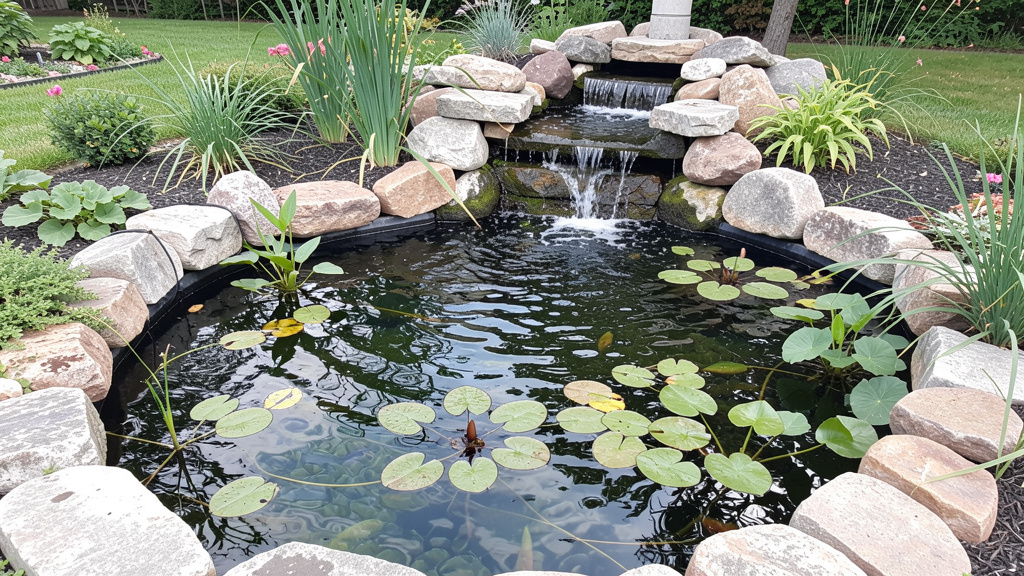
Stop battling murky water and algae blooms. Build a living ecosystem where clarity emerges naturally—without chemicals, constant cleaning, or complicated gadgets.
Achieving truly clear pond water isn’t about fighting nature with harsh chemicals or expensive gadgets—it’s about working with nature. This guide reveals how to design, build, and maintain a pond filtration system that harnesses biological processes, aquatic plants, and thoughtful mechanics to create a balanced, resilient water feature. Forget quick fixes that fade in weeks. We’ll walk you through establishing an ecosystem where sparkling clarity becomes the natural outcome of harmony—not constant intervention. Whether you’re installing a new backyard oasis or revitalizing a struggling pond, these principles transform frustration into fascination, one ripple at a time.
Introduction
For centuries, garden ponds have symbolized tranquility—a living mirror reflecting sky, foliage, and the gentle rhythm of nature. Yet today, countless pond owners find themselves trapped in a disheartening cycle: murky water by Tuesday, algae blooms by Thursday, frantic chemical treatments by weekend. Pump filters clog. Fish gasp at the surface. The dream of a serene water feature dissolves into a chore list. Why does this happen? Because most approaches treat a pond as a sterile container needing constant “fixing,” rather than a dynamic, living ecosystem with its own intelligence.
The breakthrough comes when we shift perspective. Natural lakes and wetlands stay clear for centuries without human intervention—not through magic, but through elegant, interconnected systems. Sunlight feeds plants. Plants consume nutrients that would otherwise feed algae. Microorganisms break down waste. Water moves gently, oxygenating the system. This isn’t theory; it’s observable ecology refined over millennia. By intentionally designing our ponds to mimic these natural processes, we unlock a path to enduring clarity with dramatically less effort. This guide draws on established principles of ecological water management, aquatic botany, and sustainable pond design. We move beyond fragmented tips to deliver a complete, actionable framework—grounded in biological reality, adaptable to any climate or budget, and aligned with patterns observed across diverse residential ponds. Your journey to water so clear you can count every pebble on the bottom begins not with a product purchase, but with a paradigm shift: from controller to cultivator.
The Three-Layer Filtration Framework: Mechanics, Biology, and Ecology
At the heart of every thriving natural pond lies a synergistic three-layer approach. This isn’t merely “using a filter.” It’s designing a continuous purification cycle where each layer supports the next, creating resilience far beyond any single component. Imagine a relay race: mechanical filtration hands off pre-cleaned water to biological filtration, which processes toxins and passes nutrient-rich water to ecological filtration, where plants and microorganisms complete the cycle. When all three layers function in harmony, the system becomes greater than the sum of its parts—self-regulating, adaptable, and increasingly stable over time. This model reflects wetland ecology principles applied in constructed treatment systems globally. It works because it doesn’t fight nature; it invites nature to do what it does best.
Layer 1: Mechanical Filtration – The First Line of Defense
Mechanical filtration performs the essential task of physically removing suspended solids—fallen leaves, twigs, fish waste, pollen, and organic debris—before they decompose and overload the system. Its purpose isn’t just visual clarity (though that’s a welcome benefit); it’s protecting the delicate biological processes that follow. Unfiltered debris sinks, decomposes anaerobically (without oxygen), and releases ammonia, hydrogen sulfide (that “rotten egg” smell), and phosphates—fuel for algae explosions. Think of mechanical filtration as the pond’s immune system: it intercepts invaders before they trigger systemic imbalance.
Why This Layer Matters: Consider a kitchen sink strainer. Without it, food particles clog the pipes, causing backups and odors. Similarly, without effective mechanical pre-filtration, your biological media becomes a sludge trap. Bacteria suffocate under debris, water flow restricts, and the entire purification chain weakens. In many observed cases, filter inefficiency traces back to inadequate mechanical screening—not pump weakness or bacterial deficiency. This layer forms the essential foundation for everything that follows.
How to Implement Mechanical Filtration Correctly:
-
Skimmer Boxes: Ideal for ponds in leaf-prone areas or with significant surface debris. Positioned at the water’s edge, a skimmer uses surface tension to draw the top layer of water—where floating debris accumulates—through a removable basket. Critical placement tip: Install on the side most exposed to prevailing winds. Wind pushes debris toward the skimmer, making it exponentially more efficient. Adjust the water level so the skimmer’s weir door sits just below the surface; too high, and debris bypasses it; too low, and it draws air, causing pump cavitation. For smaller ponds, a single skimmer often suffices. Larger ponds benefit from strategic placement to capture natural debris flow.
-
Vortex Settling Chambers: Exceptionally effective for ponds with heavy sediment loads—common with bottom-feeding fish like koi, runoff from surrounding soil, or gravel-bottom designs. Water enters a cylindrical chamber tangentially, creating a controlled vortex. Centrifugal force drives heavier particles (fish waste, silt) to the chamber’s outer wall and downward into a collection sump, while clarified water exits smoothly from the center top outlet. The beauty? Minimal maintenance. Simply open the bottom drain valve periodically to flush accumulated sludge. As a general guideline, chamber size should allow sufficient retention time for particles to settle effectively.
-
Filter Media Gradient: Within your main filter unit, arrange mechanical media in a deliberate density sequence. Start with coarse pre-filters like open-cell foam or brush rolls to trap large debris. Follow with medium-density pads for finer particles. Reserve fine pads only for the final “polishing” stage—and use them sparingly. Why? Fine media clogs rapidly, creating backpressure that strains pumps and reduces flow. During high-debris seasons (fall), temporarily reduce fine media usage. Pro insight: Angle media trays slightly downward toward water flow. This encourages trapped debris to slide off during rinsing, extending cleaning intervals.
Common Mistakes to Avoid:
– Tap Water Temptation: Rinsing filter pads under chlorinated tap water seems logical—but chlorine harms beneficial bacteria beginning to colonize even mechanical media. Always rinse pads in a bucket of water scooped directly from the pond during routine water changes.
– Over-Cleaning Media: Media doesn’t need to look pristine. A light biofilm on coarse pads often indicates healthy bacterial activity beginning. Clean only when flow visibly decreases (e.g., waterfall output weakens noticeably).
– Ignoring Flow Dynamics: Placing a skimmer where debris doesn’t naturally accumulate renders it ineffective. Spend a few days observing where leaves and pollen gather in your pond before finalizing placement.
Budget-Friendly Alternative: For small ponds, create a simple surface skimmer using a plastic storage bin. Cut an opening near the top for water entry, line the interior with coarse filter floss, submerge it securely at the pond edge, and connect a small submersible pump. Position it where wind concentrates debris. While less efficient than commercial units, it captures a meaningful portion of surface litter at minimal cost. Refresh the floss regularly during heavy debris seasons.
Layer 2: Biological Filtration – The Living Engine
Biological filtration is where transformation occurs. This layer harnesses colonies of beneficial bacteria to convert toxic fish waste and decomposing matter through the nitrogen cycle. Ammonia, highly toxic even at low concentrations, is excreted by fish and released from decaying organics. Specific bacterial groups oxidize ammonia into nitrite (still toxic), which other bacteria then convert into nitrate—a far less harmful compound that aquatic plants readily absorb as fertilizer. This invisible workforce operates continuously, silently safeguarding water quality. Without it, even a mechanically clear pond becomes hazardous for aquatic life.
Why This Layer is Central to Balance: Ammonia and nitrite don’t just threaten fish; they are potent algae fertilizers. When biological filtration is undersized or disrupted, these compounds accumulate, triggering algae growth—green water, string algae, or slimy films. A robust biological filter acts as a nutrient buffer, intercepting compounds before they fuel problems. Research indicates that biofilters designed with high surface area, appropriate water flow, and oxygen-rich environments support more efficient conversion processes. This layer isn’t optional maintenance; it’s the core metabolic process of your pond ecosystem.
How to Cultivate a Thriving Biological Filter:
- Maximize Surface Area for Bacteria: Bacteria colonize surfaces, not water volume. Choose media with high porosity and texture:
- Bio-balls: Plastic spheres with intricate ridges. Lightweight and resistant to compaction.
- Lava rock: Naturally porous volcanic stone. Offers excellent surface area and may help stabilize pH in some water conditions. Caution: Rinse thoroughly before use; dust can cloud water.
- Engineered filter pads: Mats with varying densities. Their open-cell structure resists clogging while providing colonization sites. Stack layers: coarse at water inlet, finer toward outlet.
-
Rule of Thumb: Provide ample surface area relative to pond volume and fish load. When in doubt, slightly oversize biological capacity—it provides valuable buffer during seasonal changes or increased biological demand.
-
Optimize Water Flow and Oxygenation: Bacteria require oxygen. Stagnant, low-oxygen zones become dead zones where undesirable processes occur. Design flow paths that ensure water contacts media surfaces evenly. In gravity-fed filters, arrange media trays so water cascades over each layer, splashing and oxygenating. In pressurized filters, avoid over-packing media. Supplement with an air pump and diffuser stones placed beneath biological media, especially in warmer months when oxygen solubility decreases. Target conditions that support both bacterial health and fish vitality.
-
Cycle Patiently Before Adding Livestock: Never introduce fish to a new pond immediately. “Cycling” establishes the bacterial colony. Add a pure ammonia source (available at aquarium stores) or introduce a few hardy fish. Test water regularly with a liquid test kit. Ammonia will rise, then fall as nitrite appears, then nitrite falls as nitrate emerges. The cycle is complete when ammonia and nitrite consistently read near zero within 24 hours of adding ammonia. This process typically takes several weeks. Rushing it causes instability—fish stress, water quality issues, and algae blooms. Patience here prevents months of struggle.
Common Mistakes to Avoid:
– Media Over-Packing: Squeezing media tightly creates channels where water bypasses surfaces. Bacteria only grow where water flows. Arrange media loosely, allowing water to percolate through the entire matrix.
– Seasonal Shutdowns: In temperate climates where freezing isn’t a concern for equipment, running pumps year-round at appropriate flow rates helps maintain bacterial colonies. Bacteria remain active above certain temperatures; complete shutdowns in spring require re-establishing the colony. In freezing climates, follow regional best practices for winterizing equipment while preserving fish safety.
– Chemical Contamination: Algaecides, chlorine-based cleaners, or certain fish medications can disrupt bacterial colonies. If treatment is unavoidable, dose medications in a quarantine tank when possible. After chemical exposure, bacterial supplements may help restore balance.
Budget-Friendly Alternative: Build a DIY upflow biological filter using a food-grade container. Drill inlet/outlet holes, fill with layers of coarse lava rock, bio-media, and filter pads. Connect your pump to push water up through the media (upflow design maximizes contact time and oxygenation). Water exits the top and returns to the pond via a gentle spillway. This system provides substantial surface area at low cost and can be partially buried for aesthetics.
The Fundamental Principle: A pond filter is not a replaceable appliance; it is a cultivated habitat. Its efficiency deepens over time as microbial diversity increases and symbiotic relationships form. Treat it with the patience you’d give a garden—nurture it, protect it from shock, and it will reward you with unwavering stability.
Layer 3: Ecological Filtration – The Finishing Touch
Ecological filtration completes the purification cycle by integrating plants, microorganisms, and natural processes to consume the end-products of biological filtration—primarily nitrates and phosphates. While mechanical and biological layers handle solids and convert toxins, they do not remove nutrients. Without this final layer, nitrates can accumulate, creating conditions favorable for algae. Plants act as nature’s nutrient sinks, absorbing these compounds directly for growth. Simultaneously, they provide shade (limiting sunlight for algae), release oxygen through photosynthesis, stabilize sediments, and create habitat for beneficial organisms. This layer transforms your pond from a filtered container into a self-regulating ecosystem—a living entity that gains resilience with age.
Why This Layer Creates Sustainable Balance: Studies indicate that ponds with substantial plant coverage often maintain lower nutrient levels and experience fewer algae challenges. Plants don’t just “help”; they close the nutrient loop. Consider a natural wetland: water flows slowly through dense vegetation, emerging purified. By thoughtfully replicating this on a smaller scale, we harness time-tested ecological refinement. This layer is what allows many pond keepers to enjoy clear water with minimal intervention—sometimes only seasonal attention. It’s the difference between managing a symptom and stewarding a system.
How to Design an Effective Ecological Filter:
- Strategic Plant Selection by Zone:
- Marginal Plants (Shallow Water): Iris varieties, pickerelweed, marsh marigold, umbrella palm. Planted in mesh baskets on pond shelves, their dense root systems absorb nutrients directly while providing additional surface area for microbial activity. Place near filter outflows where nutrient-rich water returns.
- Floating Plants: Water hyacinth, water lettuce, frogbit. These are efficient nutrient absorbers—their roots dangle freely, taking up compounds directly. They also provide critical shade. Critical note: In warmer regions, some floaters can spread aggressively. Contain them in floating planters or netted sections. Duckweed spreads rapidly; use only in contained areas with monitoring.
- Submerged Oxygenators: Hornwort, anacharis, vallisneria. Growing entirely underwater, they compete directly with algae for resources. During daylight, they release oxygen vital for fish and bacteria. Distribute generously throughout the pond.
-
Deep-Water Plants: Hardy water lilies, lotus. Their floating leaves provide essential shade (blocking significant sunlight), directly inhibiting algae photosynthesis. Choose varieties matched to your pond’s depth. Plant in deep baskets with aquatic soil.
-
Construct a Dedicated Bog Filter (Highly Effective): For ponds of moderate size and larger, a bog filter is a powerful ecological enhancement. This is a separate, shallow chamber filled with gravel, densely planted with marginals. Pond water is pumped into the bog, percolates slowly downward through the gravel and root zones (where filtration occurs), and returns clean to the main pond. Design it to handle a meaningful portion of your pond’s surface area. Create a serpentine flow path using flat stones to maximize water contact time with roots. Plants like pickerelweed, iris, and rushes excel here. Maintenance is minimal: seasonal plant trimming; the bog largely self-manages.
-
Supportive Natural Elements:
- Barley Straw: Submerge bales (not hay) in mesh bags near moving water. As it decomposes gradually, it may encourage microbial communities that help maintain balance—a method noted in environmental management resources. Use appropriate amounts for your pond size. Replace periodically. Why it works: The decomposition process supports beneficial microbial activity.
- Beneficial Bacteria Blends: Liquid or powder cultures can provide support during startup or after disturbances (cleaning, medication). Choose products specifying relevant bacterial strains. Apply as directed. View them as supportive supplements—not replacements for established colonies.
Common Mistakes to Avoid:
– Over-Pruning in One Session: Removing excessive plant mass at once can release stored nutrients back into the water. Prune gradually over several weeks. Remove yellowing leaves promptly, but save major thinning for early spring.
– Fertilizer Mismanagement: Aquatic plant fertilizer tabs are essential for some plants but must be placed deep within planting baskets, away from direct water flow. Tabs near filter intakes can leach excess nutrients. Use slow-release formulas designed for ponds.
– Ignoring Seasonal Plant Cycles: In fall, cut back dead foliage of hardy plants to prevent decay in the pond. Remove tropical floaters before frost. In spring, divide overcrowded plants to rejuvenate growth.
Budget-Friendly Alternative: Start with fast-growing, affordable oxygenators like anacharis and hornwort. Float them freely or anchor in gravel. Add hardy water lilies from local nurseries in spring. Propagate marginals like iris by dividing established clumps—many pond enthusiasts happily share divisions. A single bunch of anacharis can multiply significantly in one season.
Choosing the Right Filtration System for Your Pond’s Unique Needs
No single filtration system fits all ponds. Success hinges on aligning your setup with specific variables: volume, depth, fish load, climate, sunlight exposure, and aesthetic goals. Below is a comparison of common system types, including considerations often overlooked.
| System Type | Ideal Pond Profile | Strengths | Limitations & Mitigation Strategies | Natural Integration Strategy |
|---|---|---|---|---|
| Gravity-Fed Filter Box | Larger ponds, koi ponds, formal designs with waterfalls | High media capacity; easy maintenance access; strong biological potential; waterfall aeration | Requires pond edge higher than filter; visible footprint | Integrate plantable sections; use porous media; soften edges with creeping plants |
| Pressurized Filter | Medium ponds, in-ground installations, limited space | Compact; can be buried; often includes UV clarifier; good for retrofitting | Limited media volume; higher head pressure reduces flow | Use as mechanical/biological core; supplement heavily with plants and a separate bog filter |
| Skimmer + Biofall | Ponds with existing waterfalls, formal landscapes | Aesthetic waterfall feature; excellent surface skimming; good oxygenation | Less effective on bottom debris; media can compact | Design biofall with multiple removable trays; add pre-filter chamber; plant biofall rocks |
| Natural Pond (Minimal Mechanical) | Wildlife ponds, large naturalistic ponds, low fish load | Lowest maintenance; high ecological authenticity; supports biodiversity | Requires significant plant-to-water ratio; slow establishment | Essential: substantial plant coverage; include deep and shallow zones; use native plants |
Critical Sizing Considerations—Beyond the Label:
– Pump Flow Rate: The pump should circulate the entire pond volume at least once every two hours under normal conditions. For ponds with higher fish loads, more frequent turnover may be beneficial. Crucially: Account for head height—the vertical distance from pump to discharge point (e.g., top of waterfall). Every foot of lift reduces flow. Consult the pump’s performance curve chart. Add equivalent head for tubing length and fittings. Undersized pumps limit filter effectiveness; oversized pumps waste energy and may erode media.
– Filter Capacity: Match filter capacity to actual water volume. Calculate: Length (ft) x Width (ft) x Average Depth (ft) x 7.48 = gallons. Subtract displacement: rocks and features displace water. Oversizing the filter provides valuable buffer during peak demand (summer, heavy feeding).
– Climate Adaptations:
– Cold Climates: Choose equipment rated for freezing conditions. Plan for winter—deep ponds (>30″) may allow fish to overwinter with proper gas exchange (de-icer or bubbler). Avoid disturbing the pond when ice-covered.
– Hot Climates: Prioritize shade (floating plants, pond location) and oxygenation. High temperatures reduce oxygen solubility. Add supplemental aeration. Choose heat-tolerant plants. Monitor evaporation; top off with dechlorinated water to avoid nutrient concentration.
– High Rainfall Areas: Design pond edges to divert runoff. Install overflow pipes below the rim to handle heavy rain. Test water after major storms; runoff may introduce nutrients.
Seasonal Maintenance: Adapting Your System Through the Year
A resilient pond filtration system anticipates seasonal shifts. Proactive, season-specific care prevents common issues and reduces year-round effort. This isn’t about rigid schedules—it’s about reading your pond’s cues and responding thoughtfully.
Spring: The Awakening (Water Temp Rising)
– Early Spring: As ice melts (if applicable), restart pumps gradually. Clean mechanical filters using pond water. Remove winter debris. Test water parameters (ammonia, nitrite, pH). Perform a modest water change with dechlorinated water. Hold off on adding fish.
– Mid-Spring: Begin feeding fish sparingly with cold-water formula once daily as temperatures allow. Resume bacterial supplements if used. Divide and replant overgrown marginals. Add new oxygenators. Prune dead plant material.
– Late Spring: Transition to regular fish food as temperatures stabilize. Introduce new fish only after acclimating slowly and confirming stable water parameters. Add floating plants as temperatures allow. Verify pump flow rate matches design specs; clean impellers if sluggish. This is an ideal time to add barley straw if using.
Summer: Peak Activity (Warmer Water Temperatures)
– Daily: Monitor water level; top off with dechlorinated water to compensate for evaporation (concentrated nutrients can encourage algae). Observe fish behavior—gasping at surface may indicate low oxygen.
– Weekly: Check mechanical filter baskets; clean if flow decreases. Trim floating plants to maintain balanced surface coverage (enough shade, not blocking oxygen exchange). Test water weekly; monitor nitrate trends.
– During Heatwaves: Add supplemental aeration running continuously, especially at night. Provide additional shade with floating plants or temporary shade cloth. Reduce feeding frequency; fish metabolism changes in extreme heat. Avoid major pruning or filter cleaning during peak stress periods.
– Algae Watch: Green water sometimes appears in early summer as biological activity adjusts. Resist chemical fixes. Increase plant coverage, verify filter flow, and allow time—balance often restores naturally as plants establish.
Fall: Preparation for Rest (Water Temp Cooling)
– Early Fall: Install pond netting before leaves begin falling. This single step significantly reduces mechanical filter load. Gradually reduce fish feeding frequency and switch to cold-water formula. Remove decaying plant foliage to prevent nutrient release during decomposition.
– Mid-Fall: Stop feeding fish entirely as temperatures drop below levels where digestion occurs. Perform a final modest water change. Clean mechanical filters one last time. Remove tropical floating plants before frost.
– Late Fall: In freezing climates, follow regional protocols for equipment storage or winter operation. For deeper ponds that won’t freeze solid, maintain an ice-free opening for gas exchange using a de-icer or bubbler. Never break ice with force—vibrations can injure fish. Use warm water to melt a hole if needed.
Winter: Dormant Harmony (Cold Water Period)
– Cold Climates: If equipment is stored, ensure fish have adequate depth to survive below the freeze line. Maintain de-icer/bubbler operation. Do not disturb the pond—fish are dormant; the ecosystem slows but remains balanced. Snow cover on ice provides insulation; clear only a small section if needed for gas exchange.
– Mild Climates: Continue running pumps at appropriate flow if temperatures stay above freezing. Monitor water levels. Minimal intervention needed—observe and enjoy the serene beauty. Use quiet months to plan next year’s improvements.
– Universal Principle: Avoid adding chemicals, cleaning biological filters, or introducing new elements. Winter is a time of rest for the entire system.
Troubleshooting Common Pond Water Issues: A Diagnostic Guide
Even well-designed ponds encounter challenges. Effective troubleshooting requires diagnosing the root cause, not just treating symptoms. Use this systematic approach.
Problem: Green Water (“Pea Soup” Algae)
– Symptoms: Water appears uniformly green and cloudy; underwater visibility is low.
– Root Cause: Single-celled algae bloom fueled by excess nutrients, sunlight, and/or an immature or overwhelmed biological filtration system. Common in new ponds or after disturbances.
– Immediate Action: If available, a UV clarifier can temporarily clump algae cells for mechanical removal. Run continuously for a few days. Crucially: UV addresses the symptom, not the cause. Simultaneously, add floating plants for shade and nutrient uptake. Perform a modest water change with dechlorinated water.
– Long-Term Solution: Verify biological filter capacity is adequate. Reduce fish feeding. Increase plant coverage. Add barley straw if appropriate. Test source water for phosphates; if high, consider phosphate management strategies. Patience—balance often restores in weeks as plants establish.
Problem: String Algae (Hair Algae) on Rocks, Plants, Waterfall
– Symptoms: Long, hair-like green strands clinging to surfaces; slimy texture.
– Root Cause: Localized nutrient accumulation, poor water circulation creating dead zones, or imbalanced conditions.
– Immediate Action: Manually remove as much as possible. For persistent patches, spot-treat cautiously at dusk with diluted hydrogen peroxide applied directly to affected areas—minimizes impact on surrounding plants. Test on a small area first and follow product instructions.
– Long-Term Solution: Improve circulation: reposition pump outlet or add a secondary circulation pump to eliminate dead zones. Increase submerged oxygenators to compete for nutrients. Introduce appropriate algae-eating organisms: Japanese trapdoor snails (cold-hardy, plant-safe) or Amano shrimp (for warmer ponds). Check for hidden decaying matter.
Problem: Cloudy White or Gray Water
– Symptoms: Water appears milky or hazy; not green.
– Root Cause: Often a temporary bacterial bloom during new pond cycling, or suspended fine particles from disturbed sediment.
– Action: If new pond (<8 weeks), be patient—bacterial blooms typically clear as the nitrogen cycle stabilizes. Avoid cleaning filters. For persistent cloudiness in established ponds, add a fine filter pad to the mechanical stage or use a natural clarifier to clump particles for removal. Verify you haven’t recently cleaned biological media with tap water—this can trigger secondary blooms.
Problem: Foamy Water at Edges or Waterfall
– Symptoms: Persistent white foam accumulating at water’s edge or waterfall lip.
– Root Cause: Excess dissolved organic compounds from overfeeding, high fish load, or decomposing organic matter.
– Action: Perform a water change. Reduce feeding quantity and frequency. Add activated carbon media to the filter tray to absorb compounds. Increase mechanical filtration efficiency. Check for hidden decaying matter.
Problem: Fish Gasping at Surface
– Symptoms: Fish hovering at surface, mouths breaking water; lethargic behavior.
– Emergency Action: This indicates critically low dissolved oxygen. Immediately add an air pump with airstones. Perform a water change with cool, dechlorinated water. Reduce fish load if overcrowded. Shade the pond temporarily if water is very warm.
– Prevention: Ensure adequate plant coverage, avoid overstocking, maintain pump functionality, and add supplemental aeration in summer. Test water quality if problem recurs.
Problem: Persistent Murky Brown Water
– Symptoms: Water consistently tea-colored or muddy brown.
– Root Cause: Tannins from decaying leaves (especially oak), suspended clay particles from runoff, or stirred-up bottom sediment.
– Action: For tannins: add activated carbon to filter media; perform water changes; remove decaying leaves. For clay/silt: use a pond-safe clarifier; install a pre-filter to settle particles; add plants like water hyacinth whose roots trap fine particles. In new ponds with clay liners, time and plant establishment usually resolve it.
Advanced Natural Strategies: Deepening Ecological Harmony
For pond enthusiasts seeking enhanced resilience and deeper connection with natural processes, these techniques elevate your system’s function and beauty.
Constructing a Dedicated Wetland Filter: For larger ponds, a separate constructed wetland is a highly effective natural filtration method. This is a shallow, planted basin where water flows slowly through gravel and dense root zones. Design with a serpentine path using rocks to maximize contact time. Grade the basin slightly for passive flow. Plant densely with nutrient-utilizing species: dwarf cattails, bulrushes, pickerelweed, iris. Water enters at one end, percolates through the gravel matrix, and returns clean via an overflow pipe. The result is highly polished water with consistently low nutrient levels. Maintenance is minimal: annual plant trimming. This system mimics nature’s purification methods and becomes a wildlife habitat itself.
Harnessing Beneficial Organisms Strategically:
– Snails: Japanese trapdoor snails are cold-hardy, consume algae and detritus without damaging healthy plants, and reproduce slowly. Stock appropriately for your pond size. Avoid common pond snails—they can reproduce rapidly and may damage tender plants.
– Shrimp: Amano shrimp are effective algae eaters for ponds in suitable climates. They cannot survive freezing temperatures. Provide hiding spots (rocks, plants) to protect from fish.
– Microcrustaceans: Daphnia (water fleas) are filter-feeders that consume single-celled algae. Introduce a culture when green water appears—they can multiply rapidly and improve clarity. Note: Fish will eat them, so maintain refuge areas (dense plant thickets). Daphnia also serve as live food for fish fry.
Barley Straw Application: A time-tested method noted in environmental resources. Use barley straw bales (not hay, which contains seeds). Place in mesh bags and submerge near moving water. As it decomposes gradually, it may support microbial communities that help maintain balance. Follow general dosage guidelines for your pond size. Replace periodically. Why it works: The decomposition process encourages beneficial microbial activity. It’s a gentle, preventative tool—not a cure for severe blooms. Begin application in early spring before algae season peaks.
Rainwater Harvesting Integration: Municipal tap water may contain compounds that disrupt balance. Collecting rainwater provides soft, oxygen-rich water ideal for top-offs. Install a diverter on a downspout to channel water into food-grade barrels. Use a fine mesh screen to filter debris. Critical considerations: In areas with significant atmospheric pollution, test rainwater quality first. Always dechlorinate municipal water used for initial fills or large changes—use appropriate water conditioners.
Navigating Common Frictions and Constraints
Real-world pond keeping involves constraints. True expertise lies in adapting core principles creatively without compromising ecological integrity.
Limited Budget: Phased Implementation Strategy
– Phase 1 (Foundation): Invest in a reliable pump sized correctly and essential mechanical filtration (a good skimmer or vortex pre-filter). This prevents immediate system strain. Source lava rock from landscaping suppliers. Plant heavily with fast-growing, affordable oxygenators.
– Phase 2 (Biological Core): Gradually add high-surface-area biological media to your existing filter. Build a simple DIY upflow barrel filter if commercial options are cost-prohibitive.
– Phase 3 (Ecological Maturity): Expand plant diversity. Create a small bog filter section using a repurposed container. Propagate plants from cuttings shared by local pond groups.
– Mindset Shift: View your pond as a long-term project. Each season, reinvest savings from avoided chemical treatments into one improvement. Prioritize bacterial health and plant coverage over decorative elements initially.
Small Space Solutions (Container Ponds, Balcony Ponds, Urban Gardens)
– Scale the Framework: For ponds under 200 gallons, use a submersible pump with a built-in filter sponge. Supplement with a small external sponge filter for additional surface area. Choose dwarf plant varieties: dwarf papyrus, mini water lilies, dwarf cattails.
– Maximize Efficiency: Hang planters with trailing marginals at the pond’s edge. Use floating plant islands to increase coverage without taking shelf space. Select slow-growing plants to minimize pruning needs.
– Stocking Wisdom: In small volumes, overstocking is a common challenge. Limit fish numbers significantly or go completely fishless—enjoy snails, shrimp, and the plants themselves. A fishless pond requires less filtration and is often easier to balance. Focus on creating a miniature ecosystem: plants, microfauna, and clear water become the attraction.
Challenging Light Conditions: Full Sun vs. Heavy Shade
– Full Sun Ponds (6+ hours direct sun): Counter aggressively with floating plants (water hyacinth, lettuce, water lilies) to achieve substantial surface shade. Choose sun-tolerant marginals: pickerelweed, umbrella palm, Louisiana iris. Monitor water temperature closely in summer; add supplemental aeration. Consider a small shade sail over part of the pond during peak summer months.
– Heavy Shade Ponds (<4 hours sun): Algae is less of an issue, but plant selection is critical. Choose shade-tolerant species: marsh marigold, cardinal flower, Japanese iris. Ensure pump is correctly sized—shade can reduce oxygen production from plants, making mechanical aeration more important. Add reflective elements (light-colored stones) to brighten the space visually.
Time Constraints: The Low-Effort Balanced Pond
– Automation with Purpose: Install a timer for supplemental aerators (run at night in summer). Use automatic fish feeders with portion control—but set to feed minimally. Do not put the main pond pump on a timer; biological filters require continuous flow.
– Plant Selection for Minimal Upkeep: Choose slow-growing, hardy species: hornwort, anacharis, dwarf cattails, hardy water lilies. Avoid fast-spreaders like duckweed unless contained. Floating plants like water lettuce require regular thinning; if time is limited, rely more on submerged oxygenators and marginals.
– Embrace “Good Enough”: A naturally balanced pond will have minor fluctuations—slight green tint in spring, occasional string algae in a shaded corner. This is ecological reality, not failure. Focus maintenance on critical tasks: seasonal cleanouts, monitoring fish health, and ensuring pump function. Accept a slightly wilder aesthetic—it signifies a living system. The goal is sustainable enjoyment, not sterile perfection.
Your Questions, Answered
Q: How long does it realistically take for a new pond to achieve clear, stable water?
A: Expect a phased timeline. Initial cloudiness (bacterial bloom) typically clears in a few weeks. Green water algae may appear around weeks 3-6 as nutrients accumulate before plants establish—this often resolves in another few weeks with plant growth and bacterial maturation. True ecological stability, where the pond requires minimal intervention and maintains clarity through seasonal shifts, usually develops over one full growing season (spring to fall). Patience is essential; rushing with chemicals or excessive cleaning disrupts the very processes needed for long-term balance. Document water parameters weekly—it builds confidence and reveals progress.
Q: Is a UV clarifier necessary for clear water in a natural pond system?
A: No, it is not necessary in a properly balanced ecosystem. UV clarifiers are a tool for specific scenarios: managing green water during the initial establishment phase of a new pond, handling temporary nutrient spikes, or in ponds with unavoidable constraints (very high fish load, full sun with limited planting options). However, many pond keepers maintain clear water for years without UV by focusing on the Three-Layer Framework: robust mechanical pre-filtration, ample biological media, and sufficient plant coverage. UV treats a symptom (free-floating algae) but does not address the root cause (nutrient imbalance). In a mature, balanced pond, UV is often redundant. Consider it a temporary aid, not a permanent requirement.
Q: How often should I clean my biological filter media, and what’s the correct method?
A: Clean biological media only when necessary—typically when you observe a significant drop in water flow. This might be every few weeks in a well-designed system with good pre-filtration. Never clean all media at once. Rinse only the most clogged section (usually the first mechanical stage) in a bucket of water scooped directly from the pond. Swish gently; do not scrub vigorously. The goal is to remove sludge while preserving the biofilm (bacterial colony). Never use tap water, soap, or chemicals. If flow remains low after cleaning the mechanical stage, lightly rinse the next layer. Over-cleaning is a common cause of system instability—bacteria need time to re-establish. A healthy biological filter should never look “sterile”; a light coating of biofilm is a sign of vitality.
Q: Are there any situations where chemical treatments are justified in a natural pond approach?
A: In a balanced ecosystem, routine chemical use should be unnecessary. However, in genuine emergencies—such as a sudden, dangerous ammonia spike threatening fish life—a water conditioner that neutralizes ammonia can be a temporary safeguard while the biological filter recovers. Similarly, hydrogen peroxide spot-treatment for severe string algae in a critical area may be preferable to broad-spectrum algaecides. Crucially avoid: Copper-based algaecides (toxic to invertebrates and bacteria), chlorine-based shock treatments, and phosphate removers used routinely. These disrupt the microbial balance essential for natural filtration. Prevention through proper design, stocking, and plant management is always superior. If recurring issues demand chemicals, it signals a deeper imbalance needing systemic correction.
Q: What is the single most common mistake beginners make with pond filtration?
A: Underestimating the critical importance of biological filtration capacity and over-relying on mechanical cleaning or quick chemical fixes. Beginners often:
1) Clean filter media too aggressively with tap water, disrupting bacterial colonies.
2) Stock too many fish too soon, overwhelming the immature biological filter.
3) Neglect plant coverage, missing the essential third layer of nutrient uptake.
The second most frequent error is inadequate mechanical pre-filtration, allowing debris to clog and foul the biological chamber. Remember: plants are not merely decorative; they are active, essential components of your filtration system. Start conservatively—fewer fish, more plants, patience during cycling—and let the ecosystem develop gradually. This foundational patience prevents months of struggle.
Q: How do I accurately calculate pump size when head height and tubing affect flow?
A: Follow this method:
1. Calculate actual pond volume: Length (ft) x Width (ft) x Average Depth (ft) x 7.48 = gallons. Subtract for displacement (rocks, features).
2. Determine minimum flow rate: Total gallons ÷ 2 hours = GPH (e.g., 1,000 gal pond needs 500 GPH minimum flow). For higher fish loads, more frequent turnover may be beneficial.
3. Measure total head height: Vertical distance from pump to highest water discharge point + equivalent head for tubing (add ~1 foot per 10 feet of horizontal run) + fittings.
4. Consult the pump manufacturer’s performance curve chart. Find the pump model that delivers your required GPH at your calculated total head height. When in doubt, select a pump with slightly higher capacity at zero head; you can often throttle flow, but you cannot make an undersized pump deliver more.
Q: Can I use regular potting soil or garden soil for planting aquatic plants?
A: No. Standard potting mixes contain perlite, vermiculite, fertilizers, and organic matter that will float, cloud the water, decompose rapidly, and release nutrients that trigger algae blooms. Garden soil may contain pesticides, weed seeds, or pathogens. Always use media specifically formulated for aquatic plants: heavy, clay-based aquatic planting soil, or inert materials like pea gravel, lava rock fines, or specialized aquatic planting baskets filled with gravel. Fertilize plants with slow-release aquatic fertilizer tablets inserted deep into the planting media, away from direct water flow.
Q: My pond water is crystal clear, but my fish are lethargic or dying. What’s happening?
A: Clear water does not equal healthy water. Invisible toxins like ammonia or nitrite can be lethal even in visually perfect water. Test immediately with a reliable liquid test kit for ammonia, nitrite, nitrate, and pH. Common causes:
– Overstocking or overfeeding overwhelming the biological filter.
– Recent cleaning of filter media with chlorinated water, disrupting the bacterial colony.
– Pump failure or reduced flow affecting bacterial health.
– Introduction of contaminated plants, fish, or decorations.
Emergency action: Perform a significant water change with dechlorinated water. Add an air pump for oxygenation. Reduce feeding. If ammonia is high, use an ammonia-neutralizing conditioner temporarily. Quarantine sick fish. Never assume clarity equals safety—regular testing is the only reliable indicator of water quality.
Q: How do water lilies specifically contribute to filtration beyond providing shade?
A: Water lilies are multi-functional. Their submerged root systems absorb nitrates, phosphates, and other dissolved nutrients directly from the water column. The dense root mass provides additional surface area for beneficial bacteria to colonize. As roots release oxygen during photosynthesis, they create localized oxygen-rich zones in the sediment, preventing low-oxygen conditions. Additionally, timely pruning of yellowing foliage prevents nutrient release back into the water. For optimal impact, plant mature lilies appropriately spaced for your pond’s surface area in deep planting baskets with aquatic soil.
Q: Is copper-based algaecide safe if I have snails or shrimp in my pond?
A: Copper is highly toxic to invertebrates—including snails, shrimp, crayfish, and beneficial microfauna—and can accumulate in pond sediment. Even treatments labeled “safe for fish” can devastate the invertebrate population essential for a balanced ecosystem. Copper also disrupts microbial communities in your biological filter. Safer, targeted alternatives exist: manual removal, hydrogen peroxide spot treatment, increasing plant competition, barley straw, or introducing algae-eating organisms suited to your climate. Prevention through nutrient control and ecological balance is always the safest, most sustainable path. If algae persist, diagnose the root cause rather than applying a broad-spectrum toxin.
Q: How does significant rainfall impact my pond’s filtration balance?
A: Rainwater itself is generally beneficial—soft, oxygen-rich, and free of chlorine. It dilutes nutrient concentrations and refreshes the system. However, heavy rainfall poses two risks:
1) Runoff: Water flowing over lawns or gardens can carry fertilizers, pesticides, or organic debris into the pond, causing nutrient spikes. Mitigation: Create a small berm or swale around the pond edge to divert runoff. Install overflow pipes below the rim to handle excess volume.
2) Dilution Effects: Very heavy rain can temporarily alter water chemistry. Mitigation: After major storms, observe water clarity and test parameters if concerns arise. If algae appears, perform a partial water change with dechlorinated water. In areas with acid rain, monitor pH; adding limestone rocks to the filter can provide natural buffering. Generally, moderate rain is beneficial—embrace it as nature’s water change.
Conclusion and Your Path to Crystal-Clear Water
Creating a naturally clear pond is not a destination reached by purchasing the right gadget. It is a journey of understanding, patience, and partnership with living systems. By embracing the Three-Layer Filtration Framework—mechanical, biological, and ecological—you shift from reactive problem-solving to proactive ecosystem stewardship. You move beyond fighting algae to cultivating conditions where clarity emerges as the natural outcome of balance. This approach rewards you not only with water of remarkable transparency but with a deeper connection to the rhythms of nature unfolding in your own backyard. Dragonflies may skim the surface. Frogs might take up residence. Fish will thrive in water that supports their biology. This is the true reward: a living sanctuary that grows more resilient, beautiful, and self-sustaining with each passing season.
The 24-Hour Rule
Within the next 24 hours, take one small, concrete step that aligns with this philosophy. If you are designing a new pond, sketch the Three-Layer Framework into your plan—mark where skimmers, biological media, and plant zones will reside. If you have an existing pond, perform this single action: Scoop a bucket of pond water and gently rinse your coarsest mechanical filter pad in it. This simple act preserves your microbial allies while removing debris. It is a tangible commitment to working with your pond’s ecosystem, not against it. Action, however small, builds momentum and confidence.
The Big Picture
Your pond is more than a water feature. It is a living classroom on ecology, a haven for local wildlife, and a testament to sustainable stewardship. In a world of quick fixes and disposable solutions, cultivating a balanced pond is a quiet act of wisdom. It teaches patience, observation, and respect for interconnected systems. As your pond ecosystem matures, you’ll witness not just clearer water, but a thriving microcosm of life—a reflection of harmony you helped create. You are not merely installing a filter; you are nurturing a legacy of tranquility, beauty, and ecological integrity that will ripple outward, inspiring others to see water not as a problem to solve, but as a partner to cultivate.
Explore Our Complete Pond Care System:
Designing a Natural Wildlife Pond: Attracting Frogs, Dragonflies & Beneficial Insects | The Seasonal Pond Keeper’s Calendar: Month-by-Month Maintenance Guide | Aquatic Plant Encyclopedia: Oxygenators, Marginals, Floaters & Deep-Water Species | Step-by-Step: Building a DIY Bog Filter for Nutrient Removal | Koi vs. Goldfish: Stocking Guidelines for Pond Health & Clarity | Decoding Water Test Results: Ammonia, Nitrite, Nitrate & pH Explained | Integrating Waterfalls & Streams: Aeration, Beauty & Flow Dynamics | Winter Pond Survival Guide: Protecting Fish & Equipment in Cold Climates