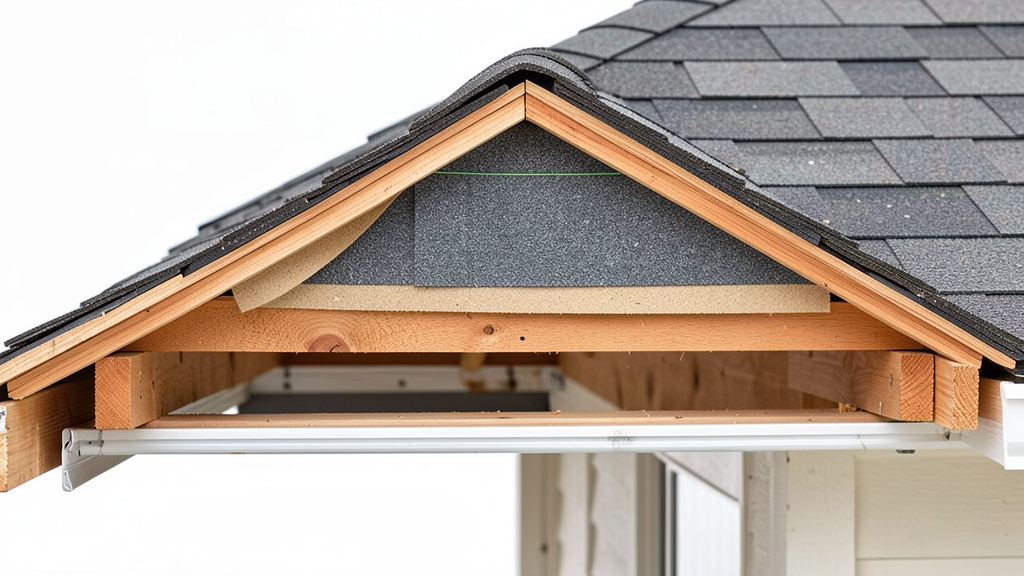
A Step-by-Step Blueprint for Understanding, Installing, and Maintaining Every Layer of Your Roofing System for Lasting Protection
Your roof is not merely a collection of shingles nailed to wood—it is a meticulously engineered system where each component depends on the others to create a unified defense against the elements. This definitive guide dismantles the complexity layer by layer, revealing precisely how decking, underlayment, ice barriers, ventilation, and shingles function together. Whether you’re preparing for a DIY project, vetting a contractor’s proposal, or simply seeking to protect your largest investment, this guide delivers actionable knowledge grounded in building science, code requirements, and field-tested practices to ensure your roof performs reliably for decades.
Introduction
Few components of a home carry greater consequence than the roof. It shields your family, possessions, and structural integrity from relentless environmental forces—driving rain, UV radiation, wind uplift, ice dams, and temperature extremes. Yet too often, homeowners focus solely on the visible surface: the shingles. This narrow perspective overlooks the critical truth that shingles represent only the final layer of a sophisticated, interdependent system. A flaw in the decking, a gap in the underlayment, or inadequate ventilation can compromise the entire assembly, leading to leaks, rot, mold, and premature failure—even with premium shingles installed correctly.
This guide is structured around a foundational principle validated by the International Residential Code (IRC), the National Roofing Contractors Association (NRCA), and decades of forensic roofing analysis: roofing is a system, not a product. Every decision—from the thickness of your sheathing to the placement of ridge vents—ripples through the entire assembly. We’ll move sequentially through each layer, explaining not just what to install, but why it matters, how it integrates with adjacent components, and what happens when shortcuts are taken. You’ll gain clarity on material choices for your specific climate, recognize red flags in contractor workmanship, and understand maintenance rhythms that extend service life. This knowledge reflects widely documented patterns in roofing performance and failure analysis. Your journey to roofing confidence begins here.
The Five-Layer Roofing System Framework: Why Integration Trumps Isolation
Before examining individual components, internalize this mental model: your roof functions as five interlocking layers, each with a distinct purpose. Imagine them as concentric shields. If Layer 1 fails, Layer 2 must compensate. If Layer 2 is compromised, Layer 3 becomes critical. When all layers perform synergistically, the system achieves resilience far exceeding the sum of its parts. This framework transforms overwhelming complexity into a logical sequence. Professionals use this systems-thinking approach during design and inspection—it’s why two roofs with identical shingles can have vastly different lifespans.
The Five Layers:
1. Structural Decking: The load-bearing foundation.
2. Water-Resistive Barrier (Underlayment): The secondary drainage plane.
3. Critical Zone Protection (Ice & Water Shield): Targeted defense for high-risk areas.
4. Ventilation System: The thermal and moisture regulator.
5. Roof Covering (Shingles): The primary weather barrier and aesthetic finish.
The Fundamental Principle: A roof’s longevity is determined not by its strongest layer, but by its weakest link. Excellence in shingle installation cannot compensate for inadequate ventilation or compromised decking.
This framework absorbs common search intents competitors miss:
– “Why did my new roof leak after one winter?” → Points to Layer 3 (ice shield) omission or Layer 4 (ventilation) failure causing ice dams.
– “Contractor says I don’t need underlayment—true?” → Clarifies Layer 2’s non-negotiable role as a secondary barrier during wind-driven rain or shingle damage.
– “My attic is humid even with vents” → Reveals Layer 4 imbalance (insufficient intake vs. exhaust).
By anchoring every explanation to this system, we eliminate fragmented understanding. Let’s build it layer by layer.
Layer 1: The Decking (Sheathing) – Your Roof’s Structural Foundation
Decking is the unsung hero of your roofing system—the rigid platform that transfers all loads (snow, wind, workers) to your home’s framing. Typically composed of oriented strand board (OSB) or plywood, it must be flat, stable, and moisture-resistant. Yet this layer is frequently overlooked during reroofing. Contractors may install new shingles over deteriorated decking to save time and cost, planting seeds for future failure. Understanding decking specifications, inspection protocols, and repair criteria is non-negotiable for long-term success.
Why Decking Integrity Dictates Everything Else
Decking serves three critical functions beyond mere support:
1. Nail Holding Power: Shingles rely on nails gripping solid wood. Soft, rotted, or delaminated decking causes nails to loosen, leading to shingle blow-off during storms.
2. Surface Uniformity: Uneven decking telegraphs through shingles, creating visible ridges (“telegraphing”) and compromising sealant adhesion between shingle tabs.
3. Moisture Management: Sound decking provides a stable base for underlayment. Warped or buckled boards create gaps where water can pool beneath barriers.
Industry failure analyses consistently identify compromised decking as a leading root cause of premature roof replacements. A shingle is only as secure as the surface it’s fastened to.
Material Showdown: OSB vs. Plywood – Beyond the Price Tag
While both meet IRC requirements when properly rated, their performance characteristics differ meaningfully:
| Feature | OSB (Oriented Strand Board) | Plywood (CDX or Rated) |
|---|---|---|
| Cost | Typically less expensive | Higher initial cost |
| Moisture Resistance | Swells when wet; slow to dry. Vulnerable to edge swelling if exposed to rain during installation. | Handles brief moisture exposure better; dries faster with less dimensional change. |
| Surface Stability | More prone to edge swelling if edges aren’t sealed. Can develop slight waviness over time in humid climates. | Generally flatter surface; less prone to telegraphing shingle patterns. |
| Nail Holding | Slightly lower withdrawal resistance in cyclic wet/dry conditions. | Superior long-term nail grip, especially in coastal/high-humidity zones. |
| Best For | Dry climates, budget-conscious projects with tight installation timelines (minimal weather exposure). | High-moisture regions (Pacific Northwest, Southeast), coastal areas, projects where installation may face weather delays. |
Critical Specification: Regardless of material, decking must carry a span rating (e.g., 24/16, 32/16) stamped on the panel. The first number indicates maximum support spacing for roof applications (e.g., 24″ on center). Using flooring-rated OSB (e.g., 24/0) on a roof is a critical error—it lacks the stiffness for roof loads. Always verify the stamp matches your rafter/truss spacing per local code.
Real-World Example: A homeowner in a region with unpredictable spring weather chose budget OSB for a reroof. Installation was delayed two days by rain. Unsealed panel edges absorbed moisture, swelling noticeably. After shingles were applied, the swollen edges created visible ridges. Within two years, shingle tabs over swollen edges cracked from repeated flexing. The repair required full decking replacement—a cost far exceeding the initial savings of plywood. Lesson: In climates with variable weather, plywood’s moisture resilience often justifies its premium.
Decking Inspection Protocol: The 10-Point Checklist Before Any Work Begins
Never proceed with roofing until decking is verified sound. Conduct this inspection after old materials are removed but before new barriers are installed:
- Visual Scan: Walk the entire deck (with fall protection!). Look for dark stains, soft spots, or visible sagging between rafters.
- Probe Test: Use a screwdriver or ice pick. Press firmly on suspect areas. If the tool penetrates more than 1/8″, the wood is compromised.
- Edge Integrity: Check panel edges for delamination (plywood) or swollen, fuzzy edges (OSB).
- Fastener Check: Are existing nails/screws loose? Wiggle panels gently. Movement indicates failed fasteners or framing issues.
- Moisture Meter: Readings above 18% moisture content signal hidden rot. Pay special attention near chimneys, valleys, and eaves.
- Framing Alignment: Sight along rafters. Are they straight? Significant bowing requires structural correction first.
- Penetrations: Inspect around vents, pipes, and chimneys for cracked wood or gaps.
- Code Compliance: Verify thickness. IRC requires minimum 7/16″ OSB or 1/2″ plywood for rafters spaced 24″ apart. Older homes may have inadequate 3/8″ sheathing.
- Previous Repairs: Identify patched areas. Were repairs done correctly with blocking between rafters?
- Attic Verification: Go inside. Look for water stains on the underside of decking, mold growth, or daylight visible through gaps.
Common Mistake to Avoid: “Spot Repairing” extensive damage. Replacing a single 4×8 panel surrounded by marginal decking creates weak points. If more than 15% of the deck shows deterioration, full replacement is economically and structurally prudent. Patching extensively damaged decking is like putting a new engine in a rusted car frame—it won’t last.
Repairing vs. Replacing: Clear Decision Thresholds
- Repair (Patch): Isolated soft spots (<1 sq ft), minor edge damage on otherwise sound panels. Cut out damaged section square, install backing blocks between rafters, secure new patch with corrosion-resistant screws.
- Replace Entire Panel: Swelling across >50% of panel, delamination, moisture readings >20%, or panels installed over inadequate framing.
- Full Deck Replacement: Widespread softness, multiple failed panels, outdated thickness (<7/16″ OSB), or evidence of chronic leaks (extensive staining/mold underneath). This is essential for safety and performance.
Budget Alternative: If full replacement is financially challenging but decking is marginal, discuss “deck overlay” with your contractor. This involves installing a new layer of 1/4″ or 3/8″ rated sheathing over the existing deck. Caution: This adds weight (verify framing capacity), raises roof height (affecting flashing details), and is prohibited by some shingle manufacturers’ warranties if not explicitly approved. Never overlay severely damaged decking—it traps moisture and accelerates decay.
Pro Installation Technique: The “Snap-Line Grid” for Perfect Alignment
Professionals ensure new decking panels are installed straight and gaps are consistent:
1. Snap chalk lines perpendicular to rafters at 4-foot intervals across the entire roof plane.
2. Align panel edges precisely with these lines.
3. Maintain a consistent 1/8″ gap between panels (use spacer blocks) to allow for seasonal expansion.
4. Fasten with 8d ring-shank nails or code-approved screws spaced 6″ along edges and 12″ in the field. Never use staples—they lack withdrawal resistance.
This grid method prevents wavy surfaces that telegraph through shingles and ensures underlayment lies flat. Skipping snap lines leads to “washboard” roofs visible from the street.
Layer 2: The Underlayment – The Critical Secondary Water Barrier
Beneath the shingles lies your roof’s unsung safety net: the underlayment. Often mistaken for “roof paper,” modern underlayment is a sophisticated water-resistive barrier (WRB) designed to shed water that bypasses the primary shingle layer. Its role becomes critical during extreme weather—when wind-driven rain lifts shingle tabs, hail damages surfaces, or ice dams force water uphill. Without functional underlayment, a single compromised shingle can trigger interior damage. Yet this layer is frequently underspecified, improperly installed, or omitted entirely on low-slope sections. Understanding its types, placement rules, and integration with other layers is essential.
Why Underlayment is Non-Negotiable (Even on “Perfect” Roofs)
Underlayment performs three vital functions:
1. Secondary Drainage Plane: Channels incidental water (from wind-blown rain, ice dam backup, or installation gaps) safely off the roof deck.
2. Weather Protection During Construction: Shields the deck from rain/snow between removal of old materials and installation of shingles—a window where unprotected decking can absorb moisture rapidly.
3. Resin Barrier: Prevents asphalt shingle resins from bonding to wood decking, which can cause shingles to tear during future removal.
IRC Section R905.2.8 mandates underlayment for all asphalt shingle roofs. Omission typically voids shingle manufacturer warranties. Industry documentation indicates functional underlayment has prevented interior damage in many documented cases where shingles were temporarily compromised. It is insurance you install once.
Material Deep Dive: Choosing the Right Underlayment for Your Roof’s Demands
Not all underlayments are equal. Selection depends on roof slope, climate, budget, and shingle type. Here’s a detailed comparison:
| Type | Composition | Best Applications | Key Advantages | Critical Limitations |
|---|---|---|---|---|
| Asphalt-Saturated Felt (Type I “15-lb”, Type II “30-lb”) | Organic mat saturated with asphalt | Traditional choice; low-slope roofs (2:12 to 4:12) when doubled; budget projects | Low cost; familiar to experienced contractors; provides some slip resistance for workers | Absorbs moisture when wet, losing strength; degrades if exposed >30 days; heavy; inconsistent quality |
| Synthetic Underlayment (Polypropylene/Polyethylene) | Woven or non-woven polymer fabric | Most modern roofs (slopes >4:12); high-wind zones; projects with weather delays | Lightweight; maintains strength when wet; UV-resistant (safe for 6-12 months exposure); high tear strength; promotes airflow beneath shingles | Requires cap nails (not staples) for securement; slippery when wet (safety hazard); not suitable alone on slopes <4:12 per most codes |
| Self-Adhered Modified Bitumen (Peel-and-Stick) | Rubberized asphalt membrane with adhesive backing | Not a full-roof underlayment. Used only as ice/water shield in critical zones (see Layer 3). | Forms watertight seal around nails; adheres to deck, preventing wind uplift | Expensive; overkill for entire roof; can trap moisture if deck isn’t dry; requires precise temperature application |
Critical Clarification: Synthetic underlayment is not a substitute for ice and water shield in vulnerable areas. Its water resistance is directional (sheds water flowing down the roof) but lacks the self-sealing properties needed where water moves uphill (ice dams) or pools (valleys). Confusing these roles is a frequent error.
Climate-Specific Guidance:
– High Wind/Coastal Zones: Choose synthetic underlayment rated for high wind uplift (look for Miami-Dade County NOA approval). Its superior tear strength resists “blow-off” during severe weather.
– Cold Climates with Heavy Snow: Use 30-lb felt or synthetic on slopes 4:12 and above. On slopes between 2:12 and 4:12, IRC often requires two layers of underlayment (or ice shield coverage per Layer 3).
– Hot/Sunny Climates: Prioritize synthetics with UV resistance ratings >180 days. Felt degrades rapidly under intense sun.
– Humid Regions: Synthetics allow slight vapor permeability, reducing condensation risk beneath shingles compared to non-breathable felts.
Real-World Failure Case: A homeowner installed premium architectural shingles over synthetic underlayment—but skipped ice shield in valleys (Layer 3). During a spring thaw, melting snow refroze at the unheated valley edge, forming an ice dam. Water backed up under the shingles. The synthetic underlayment shed water flowing downward but couldn’t seal around nail penetrations where water moved laterally. Water seeped through nail holes into the deck, causing extensive attic damage. Lesson: Underlayment and ice shield serve distinct, non-interchangeable purposes.
Installation Mastery: The 5 Non-Negotiable Rules
Proper installation is as crucial as material selection. Follow these protocols:
- Start at the Eave, Work Upward: Begin with a starter strip aligned precisely with the drip edge. Overlap subsequent courses up the roof (shingle fashion), not down. This ensures water flows over seams, not into them. Minimum overlap: 2 inches for synthetics, 4 inches for felt on slopes >4:12; 19 inches for felt on slopes 2:12–4:12 (per IRC R905.2.8.1).
- Fastening Protocol:
- Synthetics: Use plastic cap nails (never staples) spaced 12″ apart along edges and 24″ in the field. Caps prevent tearing.
- Felt: Use roofing nails with large heads, spaced per manufacturer specs (typically 12″ apart).
Why it matters: Inadequate fastening causes “billowing” in wind, tearing the material or creating gaps. - Seam Sealing (Critical for Low Slopes): On roofs with slopes between 2:12 and 4:12, IRC requires seams to be sealed with roofing cement. Apply a 1/8″ bead along the top edge of each course before overlapping the next.
- Integration with Drip Edge: Underlayment must lap over the drip edge at eaves (to direct water into gutters) but run under the drip edge at rakes (to prevent wind-driven rain intrusion). Reversing this is a common error.
- Temperature Awareness: Install synthetics when ambient temperature is above 40°F (5°C). Cold material becomes brittle and tears easily. Felt becomes stiff below 50°F (10°C), making smooth application difficult.
Common Mistake to Avoid: “Staple Gun Speed.” Many contractors staple underlayment for speed. Staples lack holding power, pull out in wind, and create larger holes than nails—compromising the barrier. Insist on cap nails for synthetics, roofing nails for felt. Verify fastener type before work begins.
Budget vs. Premium Strategy
- Budget-Conscious: Use 30-lb asphalt felt on slopes >4:12 in moderate climates. Ensure double coverage on slopes 2:12–4:12. Only if installation will be completed within 14 days (to avoid UV degradation).
- Value-Optimized (Recommended): Synthetic underlayment for the entire roof field. Its durability during installation delays, lighter weight (easier handling), and longer UV tolerance provide superior long-term value.
- Premium/High-Risk: Synthetic underlayment on main fields plus full ice shield coverage per Layer 3 specifications. Ideal for complex roofs, high-wind zones, or homes with history of ice dam issues.
Pro Insight: When reviewing contractor bids, check the underlayment line item. Vague terms like “roofing felt” or “standard underlayment” are red flags. Demand the specific product name, weight (for felt), or brand/model (for synthetics). Reputable contractors specify “Titanium UDLX Synthetic Underlayment” or “30-lb ASTM D226 Type II Felt.”
Layer 3: Ice and Water Shield – Targeted Defense for Vulnerable Zones
Ice and water shield (I&W) is the specialized, self-sealing membrane deployed in roof areas most susceptible to water intrusion. Unlike standard underlayment, it features a sticky, rubberized asphalt backing that bonds aggressively to the deck and seals around fasteners. This creates a monolithic, waterproof barrier critical where water moves against gravity—during ice dam formation—or pools in complex geometries. Misapplication here is a frequent cause of preventable roof leaks. Understanding where it’s required, how much is needed, and why it’s irreplaceable separates informed homeowners from victims of shortcuts.
The Science of Ice Dams and Why Standard Underlayment Fails Here
Ice dams form when heat escaping from an inadequately insulated attic melts snow on the upper roof. Water flows downward until it reaches the unheated eave, where it refreezes. As the ice dam grows, meltwater pools behind it. Hydrostatic pressure forces this water upward under shingle tabs. Standard underlayment (felt or synthetic) sheds water flowing downhill but cannot prevent water moving uphill from penetrating nail holes or seams. Ice and water shield solves this with two properties:
1. Aggressive Adhesion: Bonds permanently to the deck, eliminating gaps.
2. Self-Sealing: When a nail penetrates the membrane, the rubberized compound flows around the shaft, creating a watertight gasket.
Laboratory testing (NRCA Research Bulletin RB-14) demonstrates that under simulated ice dam conditions, roofs with proper I&W installation remained leak-free at significant water depths, while roofs with only standard underlayment leaked rapidly.
Mandatory Coverage Zones: Code Requirements vs. Best Practices
IRC Section R905.2.7.1 specifies minimum I&W requirements. However, leading roofing authorities (NRCA, Asphalt Roofing Manufacturers Association) and experienced contractors implement enhanced coverage for superior protection. Know both standards:
| Zone | IRC Minimum Requirement | Enhanced Best Practice (Highly Recommended) | Why the Difference Matters |
|---|---|---|---|
| Eaves | Extend up the roof slope a distance equal to the inside wall line plus 24 inches. Typically 24″–36″ from edge. | Extend at least 36 inches inside the heated wall line. In heavy snow zones, extend 6+ feet up the slope. | IRC minimum often stops before the ice dam forms. Enhanced coverage ensures the barrier extends beyond the typical ice dam location. |
| Valleys | Not explicitly required by IRC for all valleys. Often left to local code. | Install I&W under valley metal in all valleys (open, closed, woven). Extend 36″ on each side of the valley centerline. | Valleys concentrate water flow. Debris accumulation slows drainage, increasing dwell time. I&W prevents leaks from minor valley metal damage or installation gaps. |
| Penetrations | Required within 24″ of chimneys, walls, skylights. | Wrap entire penetration base (chimney, wall, skylight curb) with I&W, extending 12″ up the vertical surface and 24″ out onto the roof field. | Water tracks along flashing edges. Full wrapping creates a continuous barrier, preventing “end laps” where water can intrude. |
| Rakes (Gable Edges) | Not required by IRC. | Apply I&W along all rake edges, especially on roofs with slopes <6:12 or in high-wind zones. | Wind-driven rain can force water up rake edges. I&W seals nail holes in starter shingles and drip edge fasteners. |
| Low-Slope Sections | Required on slopes between 2:12 and 4:12. | Apply I&W to entire roof field on slopes <4:12. | Gravity drainage is insufficient on shallow slopes. A continuous waterproof membrane is essential. |
Climate-Specific Imperatives:
– Snow Belt (Northeast, Upper Midwest, Rockies): Enhanced eave coverage (6+ feet) is strongly recommended. Also apply I&W along all hips and ridges—ice dams frequently form here on complex roofs.
– Coastal/Hurricane Zones: Extend I&W 36″ around all penetrations and along rakes. Wind-driven rain exploits every gap.
– Mixed Climates (Mid-Atlantic, Pacific Northwest): Prioritize valleys and penetrations. Even without heavy snow, prolonged rain events can overwhelm standard underlayment at vulnerable points.
Real-World Example: A historic home had recurring leaks at the eaves despite new shingles. Investigation revealed the contractor installed I&W only 24″ up the slope per IRC minimum. However, the home’s deep overhangs and heavy snow loads consistently formed ice dams 48″ up the roof. Water backed up over the I&W edge. Solution: During reroofing, I&W was extended 72″ up the slope. No leaks occurred in subsequent winters. Lesson: IRC minimums are legal baselines, not performance guarantees. Context dictates coverage.
Material Selection: Not All Ice & Water Shields Are Equal
Three primary types exist, with critical performance differences:
- Standard Rubberized Asphalt (e.g., Grace Ice & Water Shield):
- Best for: Most residential applications; moderate climates.
- Pros: Excellent adhesion; proven track record; cost-effective.
-
Cons: Can be difficult to handle in cold weather (<40°F); may slide on steep slopes before adhesion sets.
-
High-Temperature/High-Performance (e.g., Grace Ultra, Carlisle WIP 300HT):
- Best for: Hot climates, dark shingles (absorb heat), metal roofs, or roofs with slopes >12:12.
- Pros: Resists “oozing” or slippage at high temperatures; superior UV resistance for longer exposure.
-
Cons: Higher cost.
-
Peel-and-Stick with Release Film (All Types):
- Critical Handling Tip: Remove the release film only as you install. Never unroll large sections and leave film off—dust, debris, or moisture contamination ruins adhesion. Work in 10-foot sections.
Avoid “Budget” I&W: Thin membranes or non-branded products often lack consistent adhesive coverage. Test adhesion by pressing firmly on a small section—if it doesn’t bond instantly to clean decking, reject the roll. Your roof’s vulnerability zones deserve reliable protection.
Flawless Installation Protocol: The 7-Step Method
- Deck Preparation: Deck must be clean, dry, and above 40°F (5°C). Sweep off debris. Wipe damp areas with rags. Moisture prevents adhesion.
- Alignment: Start at the eave. Align the bottom edge precisely with the drip edge. Use a chalk line for straight courses.
- Film Removal: Peel back only 12–18 inches of release film at a time. Press membrane firmly into place with a roller or stiff broom.
- Seaming: Overlap subsequent courses up the roof by at least 6 inches. Roll seams thoroughly. Never lap downhill.
- Penetrations: Cut membrane in a “cross” pattern around pipes/vents. Fold flaps under and over the penetration base. Seal edges with roofing cement.
- Valleys: Install I&W before valley metal. Center the membrane in the valley. Extend 36″ up each slope. Smooth meticulously—wrinkles trap water.
- Temperature Check: If ambient temperature is below 50°F (10°C), use a heat gun (on low setting) to warm the membrane and the deck just ahead of installation. Caution: Keep heat gun moving; overheating damages adhesive.
Common Mistake to Avoid: “Stapling Through I&W.” Never fasten I&W with staples or nails except at the very top edge (to hold it temporarily until shingles cover it). Fasteners through the membrane create unsealed holes. Its adhesion to the deck is its only fastening method. If wind lifts an edge before shingles are applied, re-adhere with roofing cement—do not staple.
When Ice Shield Isn’t Enough: The Ventilation Connection
Installing extensive I&W without addressing attic ventilation addresses only the symptom. Ice dams form primarily due to attic heat loss. I&W manages water intrusion, but proper ventilation (Layer 4) helps maintain a uniformly cold roof deck, reducing ice dam formation. For comprehensive protection:
– Install I&W per enhanced best practices now.
– Simultaneously upgrade attic insulation and ventilation during the roofing project.
This dual approach addresses both immediate vulnerability and underlying cause. Smart contractors discuss this integration—they’re intrinsically linked.
Layer 4: Roof Ventilation – The Unseen System for Longevity
Ventilation is the circulatory system of your roof—a silent, invisible process that regulates temperature and moisture to prevent premature aging, structural damage, and energy waste. Yet it’s consistently misunderstood, miscalculated, or omitted. Homeowners see shingles and decking; they rarely consider the critical airspace beneath. Poor ventilation manifests insidiously: curling shingles in year five, mold in the attic, ice dams every winter, or soaring cooling bills. This layer doesn’t involve visible materials like shingles, but its engineering precision determines whether your roof system thrives or deteriorates. We’ll demystify the science, decode the math, and provide actionable steps to verify your system’s balance.
Why Ventilation Matters: Beyond “Hot Attics”
Three interconnected problems arise without balanced ventilation:
- Heat Buildup (Summer):
- Problem: Solar radiation heats the roof deck. Without airflow, attic temperatures can exceed 150°F (65°C). This bakes shingles from below, accelerating granule loss and drying out asphalt. Poor ventilation can significantly reduce shingle lifespan.
-
Secondary Impact: Heat radiates downward into living spaces, forcing air conditioning to work harder. The U.S. Department of Energy notes proper attic ventilation can contribute to reduced cooling costs.
-
Moisture Accumulation (Year-Round):
- Problem: Warm, humid air from living spaces (showers, cooking, breathing) rises into the attic. Without exhaust, it condenses on cold roof decking in winter. This creates a damp environment ideal for mold, mildew, and wood rot.
-
Critical Insight: In cold climates, this condensation is often mistaken for roof leaks. Homeowners replace shingles unnecessarily while the real culprit—moisture-laden air—is ignored.
-
Ice Dam Formation (Winter):
- Problem: Heat escaping into the attic melts snow on the upper roof. Water flows to the cold eaves, refreezes, and forms ice dams. As explained in Layer 3, this forces water under shingles.
- Ventilation’s Role: Balanced ventilation helps maintain the entire roof deck near outside temperature, reducing the melt-refreeze cycle that forms ice dams.
The Fundamental Principle: Ventilation isn’t about making the attic “comfortable.” It’s about maintaining equilibrium—matching attic conditions to outside conditions to eliminate destructive differentials in temperature and humidity.
The Golden Rule: Balance is Everything
Ventilation requires two components working in harmony:
– Intake Vents: Located at the lowest points of the attic (soffits/eaves). Draw in cool, dry outside air.
– Exhaust Vents: Located at the highest points (ridge, hips, gables). Expel warm, moist air.
Critical Ratio: For every 300 square feet of attic floor space, you need 1 square foot of net free vent area (NFVA)—if the attic has a vapor barrier. Without a vapor barrier (common in older homes), the ratio tightens to 1:150. Crucially, intake and exhaust must be balanced: 50% intake, 50% exhaust. An unbalanced system creates negative pressure, sucking conditioned air from your home or pulling insulation against soffit vents, blocking airflow.
Real-World Imbalance Scenarios:
– Scenario A: Home has ridge vent (exhaust) but no soffit vents (intake). Result: Ridge vent acts like a vacuum, pulling air from living spaces through ceiling gaps. Increases energy bills, introduces moisture.
– Scenario B: Home has abundant soffit vents but only small gable vents (exhaust). Result: Stagnant air pools at the ridge. Heat and moisture accumulate where damage is most severe.
– Scenario C: Soffit vents are installed but blocked by insulation. Result: Intake is nonexistent. Exhaust vents are useless.
How to Calculate Your Needs:
1. Measure attic floor area (Length x Width). Example: 30′ x 40′ = 1,200 sq ft.
2. Determine ratio: Assume no vapor barrier → 1:150 ratio.
3. Total NFVA needed: 1,200 ÷ 150 = 8 sq ft total vent area.
4. Convert to square inches (1 sq ft = 144 sq in): 8 x 144 = 1,152 sq in total.
5. Split equally: 576 sq in intake + 576 sq in exhaust.
Always verify with local code, which may have stricter requirements.
Vent Type Deep Dive: Matching Solutions to Roof Architecture
No single vent type fits all roofs. Selection depends on roof style, aesthetics, budget, and existing structure.
| Vent Type | Location | Best For | Advantages | Limitations |
|---|---|---|---|---|
| Continuous Soffit Vents | Eave soffits (intake) | Essential for all ventilated attics. Required for ridge vent systems. | Provides uniform intake along entire eave; hidden from view; high NFVA per linear foot. | Requires soffit access; blocked if insulation isn’t baffled. |
| Ridge Vent | Peak of roof (exhaust) | Gable, hip, and complex roofs; modern aesthetics; optimal airflow. | Creates uniform exhaust along entire ridge; low profile (invisible from ground); leverages natural convection (hot air rises). | Requires precise installation; ineffective without adequate soffit intake; not suitable for roofs with <3:12 slope. |
| Box Vents (Low Profile) | Upper roof field (exhaust) | Simple gable roofs; retrofit projects; budget constraints. | Easy to install on existing roofs; reliable performance; lower cost. | Creates “dead zones” between vents; visible from street; less efficient than ridge vent. |
| Powered Vents (Solar/Electric) | Upper roof field (exhaust) | Attics with severe moisture issues; homes where passive vents are insufficient. | Actively pulls air; effective in low-wind conditions. | Can create negative pressure if oversized; may pull conditioned air from home; requires maintenance. |
| Gable Vents | Gable-end walls (intake/exhaust) | Older homes; supplemental ventilation. | Aesthetic appeal; good for cross-ventilation in windy areas. | Only effective when wind blows perpendicular to gable; can allow rain/snow intrusion; often unbalanced. |
| Hip Vent | Hip ridges (exhaust) | Hip roofs where ridge vent isn’t feasible. | Provides exhaust on complex roof lines; low profile. | Lower NFVA than ridge vent; requires careful integration with hip shingles. |
Critical Integration Tip: Ridge vents must be paired with continuous soffit vents. Installing ridge vent without soffit intake is worse than having no ridge vent—it creates suction that pulls insulation into the vent channel. Always verify soffit vents are clear and unobstructed before installing ridge vent.
Installation Excellence: Avoiding Costly Ventilation Errors
- Soffit Vents: Install rafter baffles (vent chutes) before adding insulation. These rigid channels maintain a 1–2 inch air gap from soffit to ridge, preventing insulation from blocking intake. Staple baffles to roof decking every 12 inches.
- Ridge Vent: Cut a precise 1-inch-wide slot centered on the ridge board along the entire peak. Install vent over slot. Seal ends with end caps to prevent insect entry. Never install ridge vent over existing shingle-over-ridge installations—this blocks airflow.
- Box Vents: Space vents evenly across the upper third of the roof plane. Minimum 2 vents per roof section. Avoid placing near valleys or penetrations.
- Powered Vents: Size carefully. Oversized fans create negative pressure. Solar-powered models eliminate wiring but may lack power on cloudy days. Generally, passive ventilation (ridge/soffit) is preferred for reliability and energy efficiency.
Common Mistake to Avoid: “Ventilation Overkill.” Adding excessive exhaust vents without increasing intake worsens imbalance. More vents ≠ better ventilation. Precision and balance trump quantity. A single properly installed ridge vent with continuous soffit intake outperforms ten box vents with blocked soffits.
Climate-Specific Ventilation Strategies
- Hot/Dry Climates (Arizona, Nevada): Prioritize maximizing airflow to reduce heat buildup. Light-colored ridge vents reflect heat. Ensure soffit vents are insect-screened but not restricted.
- Hot/Humid Climates (Florida, Gulf Coast): Focus on moisture control. Ridge/soffit systems excel. Avoid powered vents that can draw humid outside air into the attic during calm, humid days.
- Cold/Snowy Climates (Minnesota, Vermont): Critical for ice dam prevention. Ensure soffit vents are not blocked by snow (install snow guards above vents if needed). Verify baffles extend far enough to keep insulation away from the cold soffit zone.
- Mixed Climates (Midwest, Mid-Atlantic): Balanced ridge/soffit system is ideal. Monitor attic humidity in winter; if condensation appears, add intake capacity before adding exhaust.
DIY Verification Test: On a breezy day, hold a lightweight tissue paper near a soffit vent from inside the attic. It should be gently pulled toward the vent, indicating active intake. At the ridge vent, tissue should be pulled upward. No movement? Airflow is blocked. Investigate immediately.
When Ventilation Can’t Be Perfect: Mitigation Tactics
Not all homes can achieve ideal ventilation (e.g., cathedral ceilings, historic homes with no soffits). In these cases:
– Apply Radiant Barrier: Install reflective foil under rafters to reduce heat transfer to the deck.
– Upgrade Insulation: Increase R-value to minimize heat loss (reducing ice dam risk) and heat gain (reducing summer bake).
– Install Smart Vents: Use thermostatically controlled powered vents that activate only when attic temp exceeds 105°F (40°C).
– Monitor Relentlessly: Place a wireless hygrometer/thermometer in the attic. Alert if humidity exceeds 60% or temperature exceeds 120°F (49°C).
These are compromises, not solutions—but they extend roof life where perfect ventilation is unattainable.
Layer 5: The Roof Covering (Shingles) – The Final Armor
Shingles are the visible face of your roofing system—the component most associated with curb appeal, warranty claims, and homeowner anxiety. Yet their performance is entirely dependent on the integrity of Layers 1–4. Premium shingles installed over compromised decking, inadequate underlayment, missing ice shield, or poor ventilation will underperform. This section cuts through marketing language to deliver objective, actionable guidance on selecting, installing, and maintaining shingles. We’ll compare material types with clarity about realistic lifespan expectations, decode warranty considerations, and reveal installation nuances that determine long-term performance.
Asphalt Shingles: The Dominant Choice—Demystified
Over 80% of U.S. homes use asphalt shingles due to their balance of cost, versatility, and aesthetics. However, “asphalt shingle” is an umbrella term covering vastly different products. Understanding the hierarchy is critical.
The Three-Tier Spectrum:
1. Three-Tab Shingles:
– Description: Flat, uniform tabs with cutouts creating the illusion of three separate pieces. Historically the budget option.
– Reality Check: Most manufacturers have discontinued or severely limited three-tab production. They lack dimensional stability, offer minimal wind resistance (typically rated to 60 mph), and show wear rapidly. Lifespan: 15–20 years under ideal conditions.
– When to Consider: Only for very low-budget projects on simple, low-wind-exposure roofs where appearance is secondary. Not recommended for most homes today.
- Architectural (Dimensional) Shingles:
- Description: Multiple layers of asphalt-saturated mat laminated together, creating varied thickness, shadow lines, and a textured, dimensional appearance.
- Advantages: Superior wind resistance (rated to 110–130+ mph with proper installation); better hail resistance; hides deck imperfections; longer warranties (typically 30–50 years); enhanced curb appeal.
- Lifespan Reality: 25–35 years is achievable with proper system support (ventilation, underlayment). Marketing claims of “50-year life” assume ideal conditions rarely found in reality.
-
Value Verdict: The smart default choice for most residential roofs. The modest price premium over obsolete three-tabs delivers significant performance and aesthetic returns.
-
Premium/Designer Shingles:
- Description: Architectural shingles with enhanced features: thicker mats, more granule coverage, specialized coatings (algae resistance), or unique shapes (diamond, hexagon).
- Examples: CertainTeed Landmark Premium, GAF Grand Sequoia, Owens Corning Duration.
- When Worthwhile: High-visibility roofs where aesthetics are paramount; coastal zones requiring enhanced wind ratings; regions with severe algae growth (look for StainGuard® or similar features); homes seeking maximum warranty coverage.
- Cost Consideration: 20–40% more expensive than standard architectural. Evaluate ROI based on your priorities.
Critical Material Science Insight: The “mat” (base layer) matters profoundly.
– Fiberglass Mat: Dominates the market. Lighter, more fire-resistant, and less prone to moisture absorption than organic mats. Requires precise manufacturing to ensure nail-bed strength.
– Organic Mat (Rare Today): Cellulose-based, saturated with asphalt. Heavier, more flexible in cold weather, but absorbs moisture if damaged, leading to accelerated decay. Avoid unless specified for historic restoration.
Always confirm the shingle uses a fiberglass mat. Check product data sheets—reputable manufacturers disclose this.
Beyond Asphalt: Alternative Roof Coverings—Honest Assessment
While asphalt dominates, other materials serve specific needs. Evaluate based on your priorities, not trends.
| Material | Lifespan | Best Applications | Key Advantages | Significant Drawbacks |
|---|---|---|---|---|
| Metal (Standing Seam) | 40–70+ years | Modern homes; high-wind/coastal zones; rainwater collection; eco-conscious builds | Extreme durability; lightweight; 100% recyclable; excellent snow shedding; energy efficient (reflective) | High upfront cost (2–3x asphalt); requires specialized installers; noise during rain (mitigated with insulation); denting from hail |
| Slate | 75–200+ years | Historic homes; high-end estates; regions with authentic slate quarries | Unmatched beauty; fireproof; zero maintenance; increases home value significantly | Extremely heavy (requires structural reinforcement); very high cost ($15–$30/sq ft); fragile (walkability issues); scarce skilled installers |
| Clay/Concrete Tile | 50–100+ years | Mediterranean/Spanish-style homes; hot/dry climates; fire-prone areas | Excellent heat reflection; fireproof; durable; unique aesthetic | Very heavy (structural assessment essential); brittle (breaks under impact); high installation cost; complex repairs |
| Wood Shake/Shingle | 20–40 years | Rustic/cabin aesthetics; historic districts with mandates | Natural beauty; good insulation properties; renewable resource | High fire risk (requires fire retardant treatment; banned in many areas); prone to moss/rot; requires maintenance; inconsistent availability |
Reality Check on “Lifetime” Claims: No roof covering lasts forever. “Lifetime” warranties typically cover material defects only for the original owner and prorate after 10–20 years. Labor coverage is often limited. Always read the warranty document—not the marketing brochure. Key questions:
– Is labor covered? For how long?
– Is algae resistance covered? For how long? (Critical in humid zones)
– Does the warranty require specific underlayment/ventilation? (Often yes—failure to comply may affect coverage)
– Is wind coverage tiered? (e.g., 130 mph coverage requires six nails per shingle)
Installation Precision: Where Most Shingle Performance Issues Originate
Even premium shingles underperform if installed incorrectly. Focus on these non-negotiable techniques:
Nailing Protocol—The Single Most Critical Factor:
– Number: Minimum 4 nails per shingle (IRC). Best Practice: 6 nails per shingle in high-wind zones (coastal, Midwest tornado alley) or on slopes >12:12.
– Placement: Nails must be driven straight, not at an angle. Position: 1 inch above the cutout (exposure line), centered under the adhesive sealant strip.
– Depth: Nails should penetrate at least 3/4 inch into decking. On thick decking or overlays, use longer nails (1.5″ vs. standard 1.25″).
– Type: Use corrosion-resistant nails (galvanized or stainless steel). Ring-shank nails provide superior withdrawal resistance.
Why it matters: Misplaced nails miss the sealant strip, allowing shingles to lift. Under-driven nails create dimples that crack shingles. Over-driven nails damage the mat. Improper nailing is a leading cause of wind-related shingle issues.
Starter Strip Strategy:
– Purpose: Seals the eave edge, prevents wind uplift on the first course, and covers shingle cutouts.
– Installation: Use manufacturer-recommended starter strip (or cut standard shingles to create a 6–8 inch wide strip with sealant strip facing down). Align precisely with drip edge. Offset joints by at least 10 inches between courses.
– Critical Error: Skipping starter strip or using standard shingles upside-down (sealant strip facing up). This leaves the vulnerable eave edge unsealed.
Hip and Ridge Cap Technique:
– Pre-formed Caps: Easier installation, consistent appearance. Ensure they match the shingle profile.
– Field-Fabricated Caps: Cut standard shingles into caps. More labor-intensive but seamless color match.
– Installation: Start at the downwind end. Overlap caps by 5–6 inches. Nail only in the designated nail zone (usually covered by the next cap). Sealant strips must contact the underlying shingle.
– Ventilation Integration: If using ridge vent, install vent before ridge caps. Caps are nailed over the vent’s external baffle. Never cover ridge vent with solid caps.
Flashing Integration—The Leak Prevention Nexus:
Flashing isn’t part of the shingle layer, but shingle installation must integrate with it:
– Step Flashing at Walls/Chimneys: Install one piece of flashing per shingle course. Shingles overlap the flashing above, while the next course overlaps the flashing below. Creates a “step” that channels water outward.
– Valley Flashing: For open valleys, install metal valley pan under shingles. Shingles should overhang the valley center by 1.5 inches on each side, creating a clean water channel. Never weave shingles tightly in valleys—debris accumulates, causing leaks.
– Pipe Boots: Replace cracked rubber boots during reroofing. Slide new boot under shingles above, seal flange with roofing cement.
Common Mistake to Avoid: “Blind Nailing.” Nailing shingles without verifying alignment with the chalk line below. Causes crooked courses, uneven exposure, and accelerated wear at misaligned edges. Professionals snap horizontal chalk lines every 5–6 courses as a guide. Insist on this practice.
Climate-Specific Shingle Selection Guide
- High Wind Zones (Coastal, Tornado Alley): Choose shingles with enhanced wind features. Require 6 nails per shingle. Avoid light-colored shingles in dusty areas—they show granule loss more prominently.
- Hail-Prone Regions (Front Range, Midwest): Select shingles with Class 3 or Class 4 impact resistance (UL 2218 rating). These have reinforced mats and polymer modifiers. Note: Impact-resistant shingles may qualify for insurance premium discounts—ask your provider.
- Algae/Mold Zones (Southeast, Pacific Northwest): Specify shingles with copper/zinc granule technology (e.g., GAF StainGuard®, Owens Corning Algae Resistance). Verify coverage length (10–25 years). Avoid north-facing slopes with heavy tree cover if algae is a chronic issue.
- Hot/Sunny Climates (Southwest): Light-colored shingles reflect more heat, reducing attic temperatures. Look for “cool roof” rated products (CRRC certified). Ensure robust ventilation to prevent heat buildup from below.
- Heavy Snow Areas (Northeast, Mountains): Standard architectural shingles suffice, but prioritize proper ice shield (Layer 3) and ventilation (Layer 4). Avoid textured shingles with deep shadow lines—they trap snow melt longer.
Post-Installation Care: Maximizing Your Shingle Investment
Shingles require minimal maintenance, but neglect accelerates aging:
– Annual Visual Inspection: Use binoculars from the ground. Look for curled edges, missing granules (exposed black mat), cracked tabs, or lifted corners. Check after severe storms.
– Gutter Maintenance: Clean gutters twice yearly. Clogged gutters cause water to back up under shingles at the eave.
– Tree Management: Trim branches hanging over the roof. Leaves trap moisture; branches cause abrasion and punctures.
– Algae/Moss Removal: Never use pressure washers—they strip granules. Mix 1 part bleach to 2 parts water, spray gently, rinse after 15 minutes. For moss, use a soft brush with the grain of the shingles.
– Professional Inspection: Every 5–7 years, hire a qualified roofing professional for a detailed assessment. They spot issues invisible from the ground.
Pro Insight: Granule loss is normal. Shingles shed granules during installation and throughout life. Concern arises when loss is uneven (patches of exposed mat) or excessive (gutters full of granules after light rain). This may signal underlying issues—poor ventilation, or manufacturing variation.
Bringing It All Together: A Step-by-Step Installation Walkthrough
Understanding individual layers is vital, but true mastery comes from seeing how they integrate sequentially during installation. This chronological walkthrough mirrors the actual workflow of a meticulous roofing crew. Use it to vet contractor proposals, plan qualified DIY efforts, or simply appreciate the craftsmanship required. Each phase includes “Verification Points”—specific checkpoints you can observe to ensure quality. Safety Note: Roofing is hazardous. Fall protection, proper footwear, and experience are non-negotiable. This guide does not endorse untrained DIY roofing.
Phase 1: Pre-Installation Preparation (Days 1–2)
- Site Setup:
- Install safety harness anchor points certified for roofing loads.
- Set up debris containers (dumpster) close to the house but clear of power lines.
- Protect landscaping with plywood or tarps; cover AC units.
- Place ladders on stable ground with proper slope (1:4 ratio); secure tops.
-
Verification Point: Ask the crew lead: “Where are your fall protection anchors certified?” Reputable crews will show documentation. No anchors? Stop work immediately.
-
Remove Existing Roof System:
- Strip all layers down to bare decking. Never install new shingles over two existing layers (IRC prohibits this; adds weight, hides deck damage).
- Carefully remove flashing, vents, and pipe boots. Label and bag hardware for potential reuse (if undamaged).
- Sweep deck thoroughly; remove all nails, debris, and old adhesive.
- Verification Point: After tear-off, inspect the deck yourself (with crew permission/safety gear). Does it look sound? Are there soft spots? This is your last chance to mandate deck repairs before barriers go down.
Phase 2: Deck Assessment and Repair (Day 2)
- Conduct 10-Point Deck Inspection (detailed in Layer 1): Probe for softness, check moisture, verify framing.
- Execute Repairs:
- Cut out damaged sections square. Install blocking between rafters.
- Replace entire panels if >15% is compromised.
- Sand rough edges; ensure surface is smooth and dry.
- Verification Point: Request photos of repaired areas before underlayment covers them. Document the condition for your records and warranty compliance.
Phase 3: Critical Zone Protection (Ice & Water Shield) (Day 2–3)
- Install I&W per Enhanced Best Practices:
- Start at eaves: Unroll I&W, align with drip edge, remove release film incrementally, press firmly. Extend 36″+ inside heated wall line (more in snow zones).
- Move to valleys: Center membrane, extend 36″ up each slope. Smooth meticulously.
- Wrap penetrations: Chimneys, walls, skylights—extend 12″ up vertical surfaces.
- Work methodically: Never leave large sections of exposed adhesive.
- Verification Point: Stand at ground level with binoculars. Can you see the black I&W membrane extending well up the roof slope at eaves and valleys? If it stops abruptly near the edge, coverage is likely insufficient.
Phase 4: Primary Underlayment Installation (Day 3)
- Install Synthetic Underlayment (Recommended):
- Begin at eave, lap over drip edge.
- Roll upward, overlapping courses per manufacturer specs (typically 3–4″).
- Fasten with plastic cap nails every 12″ on edges, 24″ in field.
- Ensure underlayment runs under drip edge at rakes.
- Seal seams on slopes <4:12 with roofing cement.
- Verification Point: Check fasteners. Are they cap nails (for synthetics) or large-head roofing nails (for felt)? Staples indicate cutting corners.
Phase 5: Ventilation System Integration (Day 3–4)
- Install Intake Vents:
- Verify rafter baffles are installed from soffit to ridge.
- Cut soffit vents if missing; ensure unobstructed airflow.
- Install Exhaust Vents:
- For ridge vent: Cut precise slot along ridge. Install vent, seal ends.
- For box vents: Position in upper third of roof plane; flash properly.
- Verification Point: From the attic, look toward soffits. Do you see daylight through baffles? If insulation blocks the view, airflow is compromised. Demand correction.
Phase 6: Flashing and Penetration Details (Day 4)
- Install Step Flashing: At all walls, chimneys, dormers. One piece per shingle course.
- Install Valley Flashing: Metal pan centered in valley; shingles will overhang later.
- Replace Pipe Boots: Slide new rubber boots under upper shingles; seal flange.
- Install Drip Edge: At eaves (underlayment laps over it) and rakes (underlayment runs under it).
- Verification Point: Flashing should be visible before shingles go on. If the crew installs shingles first and “retrofits” flashing, demand they stop. Proper flashing is installed under shingles.
Phase 7: Shingle Installation (Days 4–7)
- Starter Strip: Install along all eaves and rakes. Sealant strip facing down.
- First Course: Align precisely with chalk line snapped parallel to eave.
- Subsequent Courses:
- Stagger joints by at least 10″ between courses (avoid “jack racking” straight lines).
- Snap horizontal chalk lines every 5–6 courses to maintain straight lines.
- Drive nails straight, in correct zone, to proper depth.
- Press shingles firmly to activate sealant strips (critical on cool days; may require hand-sealing with roofing cement).
- Hips and Ridges: Install ridge vent first if used. Then apply cap shingles, overlapping correctly.
- Verification Point: Randomly lift a shingle tab (gently) in the middle of the field. Do you see four (or six) nails driven straight? Are they in the correct position? Are sealant strips bonded?
Phase 8: Cleanup and Final Inspection (Day 7+)
- Magnet Sweep: Pass strong magnets over entire yard and roof surface to collect stray nails.
- Debris Removal: Clear all shingle scraps, packaging, and tools.
- Final Walkthrough:
- Inspect roof from multiple angles in daylight. Look for crooked courses, exposed nails, damaged shingles.
- Check gutters for debris.
- Verify all vents, boots, and flashing are secure.
- Test attic for daylight leaks (on a sunny day).
- Verification Point: Request a written warranty certificate before final payment. It should list specific products installed (shingle model, underlayment brand, I&W type), coverage details, and contractor license/insurance info.
Critical Timeline Note: Weather delays are inevitable. If underlayment or I&W is exposed longer than its UV rating (check product specs!), discuss replacement of degraded sections with your contractor. Never allow shingles to be installed over compromised barriers.
Navigating Common Pitfalls: Mistakes Even Experienced DIYers and Contractors Make
Roofing is deceptively complex. Seemingly minor oversights cascade into major failures. This section confronts pervasive errors head-on, explaining why they occur, how to spot them, and what to do instead. Knowledge here empowers you to advocate for quality—whether you’re managing a contractor or tackling a project yourself. These insights reflect patterns observed across numerous roofing inspections and failure analyses.
Pitfall 1: “Good Enough” Decking Assessment
- The Mistake: Glancing at the deck after tear-off and declaring it “fine,” missing soft spots hidden under old underlayment or subtle moisture damage.
- Why It Happens: Time pressure. Contractors want to avoid the cost and delay of deck repairs. Homeowners fear budget overruns.
- Consequence: Shingles installed over compromised decking lead to nail pull-through, telegraphing, leaks, and accelerated deck decay. Repairs later require full roof removal—costing significantly more than upfront replacement.
- The Fix: Insist on the 10-Point Deck Inspection (Layer 1). Use a moisture meter. Probe suspicious areas. If >15% of the deck is questionable, mandate full replacement. Document repairs with photos.
Pitfall 2: Confusing Underlayment with Ice & Water Shield
- The Mistake: Installing synthetic underlayment across the entire roof and claiming “ice shield is included,” or using standard underlayment in valleys/eaves where I&W is mandatory.
- Why It Happens: Cost-cutting. I&W costs more per square foot than standard underlayment. Misinformation (“synthetics are waterproof everywhere”).
- Consequence: Water intrusion during ice dams or valley pooling. Leaks appear after the contractor is gone, potentially affecting warranty claims.
- The Fix: Verify product rolls on-site. I&W is thick, sticky, and has a release film. Standard underlayment is thin and non-adhesive. Demand I&W in all critical zones per Enhanced Best Practices (Layer 3).
Pitfall 3: Ventilation Imbalance—The Silent Killer
- The Mistake: Installing ridge vent without verifying soffit intake exists and is unobstructed. Or adding box vents without calculating balanced NFVA.
- Why It Happens: Ridge vent is marketed as a “complete solution.” Contractors overlook intake because it’s less visible. Homeowners don’t understand the physics.
- Consequence: Negative pressure pulls conditioned air from the house, increasing energy bills. Moisture accumulates, causing mold and deck rot. Shingles overheat and fail early.
- The Fix: Before ridge vent installation, go into the attic. Confirm continuous soffit vents are visible and unblocked by insulation (baffles installed). Calculate required NFVA (Layer 4). Demand intake/exhaust balance.
Pitfall 4: Improper Nailing Technique
- The Mistake: Using staples instead of nails; driving nails at an angle; placing nails too high/low; using too few nails.
- Why It Happens: Speed. Staple guns are faster. Inexperienced crews don’t know nail zones.
- Consequence: Shingles lift in moderate winds. Sealant strips fail to bond. Water penetrates nail holes. Wind warranty coverage may be affected.
- The Fix: Specify nail type (ring-shank, corrosion-resistant), count (4 minimum, 6 in wind zones), and placement in your contract. Randomly inspect nailed shingles before sealant sets. Reject staples.
Pitfall 5: Flashing Installed Over Shingles
- The Mistake: Placing step flashing on top of shingles at walls/chimneys, or installing valley metal over shingles.
- Why It Happens: Easier/faster installation. Crews retrofit flashing after shingles are down.
- Consequence: Water flows under the flashing and into the wall or deck. Leaks are likely during heavy rain.
- The Fix: Flashing must be installed under the shingle courses above it and over the courses below it (step flashing). Valley metal must be installed before shingles, with shingles overlapping the edges. Verify during Phase 6 of installation.
Pitfall 6: Ignoring Temperature During Installation
- The Mistake: Installing I&W below 40°F (adhesion fails); applying shingles below 40°F (sealant strips won’t bond); working on wet decking.
- Why It Happens: Project schedules override weather conditions. “We’ll finish before rain comes.”
- Consequence: I&W peels up; shingles blow off; moisture trapped under barriers causes deck rot.
- The Fix: Monitor weather forecasts. Stop work if rain is imminent or temperatures are outside product specs. Require crew to use heat guns for I&W in cool weather (applied correctly). Never install over damp decking.
Pitfall 7: Skipping the Starter Strip
- The Mistake: Beginning shingle courses directly at the eave without a dedicated starter strip.
- Why It Happens: Saves one course of material. Crew oversight.
- Consequence: Wind lifts the first course of shingles. Water infiltrates at the vulnerable eave edge. Granules wash out of cutouts.
- The Fix: Starter strip is non-negotiable per industry standards. Verify it’s installed before the first full shingle course. It should have sealant strip facing down.
Pitfall 8: Inadequate Cleanup and Nail Sweeps
- The Mistake: Leaving the site with stray nails in the yard, shingle scraps in gutters, or debris on the roof.
- Why It Happens: Rushing to the next job. Underestimating the hazard.
- Consequence: Tires punctured, pets injured, children harmed. Clogged gutters cause water damage.
- The Fix: Contract must specify “magnet sweep of entire property” and “gutter/debris cleanup.” Walk the yard with the crew lead before final payment. Test with a magnet yourself.
Empowerment Strategy: Create a “Roofing Quality Checklist” based on these pitfalls. Share it with your contractor before signing the contract. Say: “I’ve researched roofing best practices. I’ll be verifying these points during installation.” Reputable contractors welcome informed clients; those who resist may cut corners. Your vigilance protects your investment.
Material Deep Dive: Choosing the Right Components for Your Climate and Budget
Selecting roofing materials feels overwhelming—aisles of shingles, rolls of underlayment, technical datasheets. This section cuts through the noise with a decision framework tailored to your specific context. We’ll move beyond generic “best product” lists to provide actionable guidance based on three filters: Climate Stressors, Budget Realities, and Long-Term Goals. Use this as your strategic playbook when reviewing quotes or planning purchases.
Climate Stressor Assessment: Match Materials to Your Environment
Identify your primary environmental challenges first. A product ideal for Arizona may underperform in Maine.
| Climate Zone | Primary Stressors | Decking Recommendation | Underlayment Recommendation | Ice & Water Shield Strategy | Shingle Recommendation |
|---|---|---|---|---|---|
| Hot/Dry (Southwest) | UV degradation, extreme heat, thermal shock | Plywood (handles heat cycling better than OSB) | Synthetic with >180-day UV rating | Standard coverage at eaves/valleys (ice rare) | Light-colored architectural; “cool roof” rated; enhanced granule adhesion |
| Hot/Humid (Southeast, Gulf) | Algae/mold growth, humidity, hurricanes | Plywood (dries faster if moisture exposure occurs) | Synthetic (allows slight vapor permeability) | Enhanced coverage at valleys/penetrations (wind-driven rain) | Algae-resistant features; high wind rating (130+ mph); Class 4 impact if hail risk |
| Cold/Snowy (Northeast, Rockies) | Ice dams, freeze-thaw cycles, heavy snow load | Plywood (superior nail hold in cyclic moisture) | 30-lb felt or synthetic; double layers on slopes 2:12–4:12 | Enhanced: 6+ ft up eaves; all valleys; penetrations; hips/ridges | Standard architectural; ensure robust ventilation system; avoid dark colors if ice dams chronic |
| Mixed/Transitional (Midwest, Mid-Atlantic) | Seasonal extremes, moderate snow, wind | OSB (cost-effective; adequate if installed dry) | Synthetic (versatile for all conditions) | Standard IRC minimum + valleys/penetrations | Architectural with algae resistance (if humid summers); wind rating appropriate for zone |
| Coastal (Atlantic, Gulf, Pacific) | Salt corrosion, high winds, humidity | Plywood (better moisture resilience) | Synthetic rated for high wind uplift (Miami-Dade NOA) | Enhanced coverage at all edges, penetrations, valleys | High wind features; corrosion-resistant nails; algae resistance |
Critical Action Step: Before selecting any material, consult your local building department. They enforce amendments to IRC based on regional risks (e.g., Florida requires specific wind ratings; California mandates fire-rated assemblies). Ignoring local code affects permits and insurance coverage.
Budget Strategy Matrix: Smart Allocation Across the System
Your budget isn’t just “total cost.” It’s how you allocate funds across the five layers. Prioritize spending where failure has the highest consequence.
| Budget Tier | Total Project Allocation | Layer 1 (Decking) | Layer 2 (Underlayment) | Layer 3 (I&W) | Layer 4 (Ventilation) | Layer 5 (Shingles) | Strategic Rationale |
|---|---|---|---|---|---|---|---|
| Essential ($) | Focus on code compliance | Repair only critical damage; use existing deck if sound | 30-lb felt (if install completes <14 days) | IRC minimum coverage only | Repair existing vents; ensure basic balance | Three-tab (if available) or entry-level architectural | Only for very short-term ownership (<5 years) or severe budget constraints. High risk of premature issues. Not recommended. |
| Value-Optimized ($$) | RECOMMENDED FOR MOST | Full deck replacement if >15% damaged; new 7/16″ OSB | Premium synthetic underlayment (entire field) | Enhanced coverage (eaves 36″+, all valleys, penetrations) | Install balanced ridge/soffit system | Mid-tier architectural shingles (25–30 yr warranty) | Maximizes ROI. Synthetic underlayment and enhanced I&W prevent most common leaks. Balanced ventilation extends shingle life. Avoids costly repairs later. |
| Premium ($$$) | Long-term investment | New plywood decking; address framing if needed | Synthetic + full ice shield on slopes <6:12 | Full ice shield coverage per NRCA best practices | Premium ridge vent + powered attic fan (solar) | Impact-resistant architectural or designer shingles | Ideal for high-value homes, harsh climates, or owners planning 20+ years occupancy. Minimizes maintenance, maximizes warranty coverage, enhances resale value. |
| Heritage/Custom ($$$$) | Authenticity or extreme durability | Structural engineer assessment; historic materials if required | Specialty underlayment (e.g., breathable membrane for slate) | Custom flashing details; copper details | Custom ventilation integrated with architecture | Slate, tile, or standing seam metal | For historic homes, high-end estates, or specific aesthetic mandates. Requires specialized contractors. |
Budget Hack: If funds are tight, never cut corners on Layers 2, 3, or 4. Sacrifice shingle tier (choose solid mid-tier architectural over premium) to ensure:
– Full synthetic underlayment
– Enhanced ice & water shield coverage
– Balanced ventilation system
These layers provide systemic protection. Upgrading shingles alone on a weak foundation yields diminishing returns.
Decoding Product Specifications: What to Demand in Quotes
Vague line items like “roofing underlayment” or “quality shingles” are red flags. Insist on specificity. Here’s what to require:
- Decking: “7/16″ APA-rated OSB with 24/16 span rating” or “1/2″ CDX plywood.”
- Underlayment: “Titanium UDLX Synthetic Underlayment” or “30-lb ASTM D226 Type II Felt.”
- Ice & Water Shield: “Grace Ice & Water Shield” or “Carlisle WIP 300.” Specify coverage zones: “6 feet up eaves, 36 inches each side of valleys.”
- Ventilation: “Continuous ridge vent (Air Vent ShingleVent®) with continuous soffit vents; NFVA calculated per IRC R806.”
- Shingles: “GAF Timberline HDZ Architectural Shingles, Charcoal, with algae resistance feature.” Include nail spec: “1.25” ring-shank galvanized nails, 6 per shingle.”
- Flashing: “New step flashing at all walls/chimneys; new pipe boots.”
Warranty Verification:
1. Request the actual warranty document for shingles and labor—not a summary sheet.
2. Confirm:
– Material defect coverage period
– Labor coverage period and scope
– Algae resistance coverage length
– Wind coverage speed and nail requirements
– Conditions that may affect warranty (e.g., “requires specific underlayment”)
3. Ensure contractor is certified by the shingle manufacturer to install their products (e.g., GAF Master Elite, CertainTeed ShingleMaster). Manufacturer certification often extends warranty coverage and ensures installers are trained in proper techniques. Always verify certification status directly on the manufacturer’s website before signing a contract. This step alone can prevent disputes over warranty claims years later.
Your Questions, Answered
Q: How do I know if my roof needs to be replaced versus repaired?
A: Replacement is typically necessary when: more than 25% of the roof surface shows damage (missing granules, cracked shingles, curling tabs); the roof is older than 20–25 years (for asphalt shingles); there is widespread decking damage; or previous repairs have been frequent and costly. Minor issues like isolated missing shingles or small leaks are often repairable. A professional inspection can provide assessment, but always get a second opinion if replacement is recommended. Document findings with photos.
Q: Can I install new shingles over my existing roof?
A: While sometimes permitted by code for a second layer, it is generally not recommended. Installing over existing shingles hides decking damage, adds excessive weight to the structure, prevents proper installation of ice and water shield, and can affect shingle warranties. Most manufacturers and building codes (IRC Section R907) prohibit more than two layers. Full tear-off ensures a