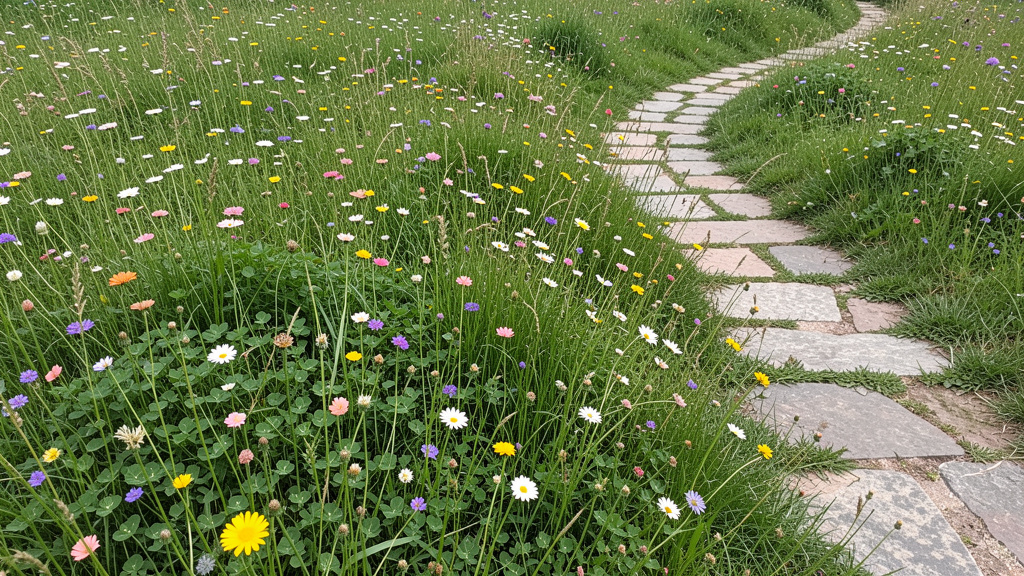
Reclaim time, nurture local ecosystems, and cultivate a landscape that evolves with seasonal beauty—without the relentless cycle of mowing, watering, and chemical dependence.
For generations, the uniform green lawn has symbolized suburban ideals. Yet this legacy increasingly conflicts with modern priorities: water conservation, biodiversity loss, climate resilience, and a desire for meaningful connection to our immediate environment. This guide offers a compassionate, evidence-informed pathway to transform your outdoor space into a resilient, biodiverse sanctuary. Drawing on established horticultural principles, ecological restoration practices, and landscape design wisdom, we provide a structured yet flexible framework for selecting, installing, and stewarding alternatives aligned with your site conditions, lifestyle, and values. Whether you steward a sun-drenched slope, a shaded urban corner, or a narrow side yard, this resource meets you where you are—proving that landscape beauty flourishes through partnership with nature, not control over it.
Introduction: Redefining Beauty, Purpose, and Care
The cultural attachment to turfgrass is deeply rooted. Lawns emerged in European estates as symbols of status—land too valuable for crops to be “wasted” on grass. This aesthetic crossed the Atlantic, amplified by post-WWII suburban expansion, industry marketing, and neighborhood covenants. Today, vast expanses of turf dominate residential landscapes across North America. Yet growing awareness of ecological interdependence invites us to reimagine what a thriving yard can be.
This is not about rejecting order or beauty. It is about expanding our definition. A clover patch humming with native pollinators embodies functional order. A meadow shifting through seasonal palettes expresses dynamic beauty. Research in sustainable landscaping consistently shows that thoughtfully designed alternative landscapes can significantly reduce long-term maintenance demands while enhancing habitat value, soil health, and water retention.
This guide rests on a foundational truth: There is no single “best” alternative. The right choice depends entirely on your unique context—climate, soil, usage patterns, time availability, and personal values. A solution ideal for one setting may falter in another. Therefore, we move beyond superficial inspiration to offer a clear, adaptable decision framework. We address common concerns—the uncertainty of soil preparation, worries about neighborhood perception, questions about seasonal appearance—and replace them with practical clarity. This is not merely a plant catalog; it is a compassionate roadmap to a landscape that supports you while nurturing the living systems around you. Guidance here reflects widely recognized practices shared by cooperative extension services, botanical gardens, and ecological restoration professionals—prioritizing site-appropriate, resilient choices.
The Five-Pillar Decision Framework: Clarity Through Context
Choosing without context invites frustration. This framework—structured around observable site and lifestyle factors—helps you identify alternatives most likely to thrive in your specific conditions. Work through each pillar with curiosity, not pressure. Your reflections here will gently guide every subsequent step.
Pillar 1: Climate and Site Realities (Your Foundation)
Plants thrive when matched to inherent site conditions. Honest assessment prevents future struggle.
- Hardiness Zones and Microclimates: USDA zones offer a starting point, but observe your yard closely. Is a south-facing slope significantly warmer? Does a north-facing corner stay cool and damp? Sheltered areas near buildings may support marginally less hardy plants. Local cooperative extension offices often provide hyperlocal planting insights invaluable for success.
- Sun Exposure Mapping: Track sunlight over a weekend. “Full sun” = 6+ hours direct light; “partial shade” = 3–6 hours; “full shade” = under 3 hours. Note seasonal shifts: deciduous trees create dappled shade in summer but full sun in winter—critical for plants needing winter chill.
- Soil Intelligence: After light rain, take a handful. Squeeze gently:
- Sandy Soil: Crumbles immediately. Drains rapidly. Ideal for drought-tolerant choices like sedum or thyme. Benefits from compost at planting to improve moisture retention.
- Clay Soil: Forms a sticky ball. Drains slowly. Favors moisture-tolerant options like Pennsylvania sedge (Carex pensylvanica) or ajuga. Amendment with compost improves structure; avoid working when wet.
- Loam: Crumbles softly. Supports most alternatives with minimal amendment.
- Simple pH Check: Many groundcovers prefer slightly acidic to neutral soil (pH 6.0–7.0). A basic test kit ($10–$15) guides minor adjustments before planting—preventing years of difficulty.
- Water and Drainage Patterns: After rain, note where water pools or runs off quickly. Low spots need moisture-tolerant plants; slopes benefit from deep-rooted natives for erosion control. Consider local water restrictions—xeric alternatives shine where irrigation is limited.
Why this matters: Plants stressed by unsuitable conditions become vulnerable. Investing time in observation prevents future disappointment. In regions with heavy clay, amending soil with compost prior to planting has consistently improved establishment success for many gardeners.
Pillar 2: Functional Needs & Traffic Patterns (Designing for Real Life)
Your landscape must serve your daily life. Be gently honest about usage.
- Traffic Intensity Guidance:
- High-Traffic Zones (daily paths, play areas): Choose resilient options like fine fescue mixes, microclover blends, or Mazus reptans. For heavy wear paths, consider stepping stones nestled within low-growing thyme or sedum.
- Medium-Traffic Zones (occasional walking, seating areas): Ajuga, creeping phlox, or Sedum spurium recover well from light use.
- Low-Traffic Zones (borders, slopes, visual interest): Delicate options shine here: sweet woodruff, barrenwort (Epimedium), native wildflower meadows, or moss gardens. Avoid placing these where frequent foot traffic occurs.
- Pet Considerations: Dog urine can stress plants. Microclover tolerates nitrogen fluctuations well due to its nitrogen-fixing nature. Designate a mulched or gravel “dig zone” away from planted areas for digging-prone pets. Verify plant safety if pets chew foliage.
- Play Safety: For areas where children fall frequently, prioritize soft, cushioning surfaces: thick clover, moss (in shade), or dense thyme provide gentler landings than hard soil. Avoid plants with thorns or known irritants in active play zones.
- Slope Management: Steep slopes (>15% grade) need erosion control during establishment. Biodegradable erosion mats seeded with native grasses/sedges offer temporary stability. Long-term, deep-rooted natives like little bluestem (Schizachyrium scoparium) or sedges anchor soil effectively. Avoid mowing alternatives on steep slopes for safety.
Common Consideration: Installing delicate moss along a primary pathway often leads to compaction and bare spots. Instead, frame the path with moss in adjacent low-traffic borders, using flagstone or gravel for the walking surface itself. Matching plant resilience to site demand creates lasting success.
Pillar 3: Aesthetic Vision & Design Integration (Crafting Cohesive Beauty)
Your alternative should feel intentional and bring you joy. Define the visual language you desire.
- Style Archetypes to Explore:
- Cottage Garden: Layer flowering groundcovers like ajuga (blue spikes), creeping phlox (pink/white blooms), and thyme among perennials. Embrace soft edges and seasonal color shifts.
- Modern Minimalism: Use uniform textures and limited palettes. Liriope muscari ‘Big Blue’, Sedum spurium ‘Dragon’s Blood’, or mondo grass create clean lines. Define edges sharply with steel or stone.
- Naturalistic Meadow: Focus on plant communities. Group multiples of the same native species (e.g., coneflower, little bluestem, butterfly weed) for visual impact. Mimic nature’s randomness—avoid rigid rows. Include structural elements like a native shrub or boulder.
- Woodland Serenity: Combine layers: canopy tree, understory shrubs, then shade-tolerant groundcovers like foamflower (Tiarella cordifolia), Christmas fern, and wild ginger (Asarum canadense).
- Seasonal Flow: Plan for year-round interest. Sedum offers fall reds; ajuga provides bronze or variegated foliage; meadows shift from spring greens to winter golds. A meadow’s dormant winter structure holds quiet beauty often overlooked.
- Scale and Proportion: A small thyme patch can feel lost in a vast yard. Use alternatives strategically: define garden beds with liriope, replace a narrow side yard with mondo grass, convert a problematic shady corner to pachysandra. Starting with a manageable 10’x10′ trial area builds confidence.
- Edge Definition: Crisp edges signal intentional design. Use materials matching your style: recycled plastic edging (hidden), steel (modern), stone (naturalistic), or a cleanly mowed strip of fine fescue between turf and meadow. Well-defined edges often ease neighborhood or HOA concerns.
Practical Insight: Homeowners seeking a naturalistic meadow while navigating community guidelines have found success by framing the planting area with a defined path and low hedge. Concentrating colorful native blooms within the framed space creates visual impact while demonstrating thoughtful design—a approach aligned with recommendations from many native plant advocacy groups.
Pillar 4: Maintenance Commitment Spectrum (Honesty About Your Capacity)
“Low-maintenance” is deeply personal. Define your reality with kindness.
- Maintenance Spectrum Overview:
- Level 1: Minimal (1–4 hours/year): Mature native meadows, some sedges (Carex), established moss gardens (in ideal conditions). Tasks: One annual cutback (meadow), occasional invasive weed check.
- Level 2: Low Effort (5–15 hours/year): Most spreading groundcovers (thyme, sedum, ajuga), fine fescue lawns. Tasks: Light weeding in establishment year, occasional edge trimming.
- Level 3: Moderate Care (16–30 hours/year): Flowering groundcovers needing deadheading (phlox), meadows in establishment phase (years 1–2). Tasks: Spring cleanup, seasonal weeding, fall cutback.
- Level 4: Higher Engagement (30+ hours/year): Intricate mixed plantings requiring editing, moss gardens needing consistent moisture vigilance.
- Establishment vs. Maturity: Critical distinction. All alternatives require focused attention in Year 1 (watering, weeding). A native meadow may need 15–20 hours of care initially but drops to under 5 hours annually by Year 3. Thyme needs consistent weeding for 12–18 months until it forms a dense mat. Budget time accordingly. Underestimating Year 1 effort is a common challenge.
- Tool Realities: Do you have or wish to use specific tools? Meadows benefit from a string trimmer or scythe for annual cutback. Some groundcovers respond well to a sharp edger. Fine fescue lawns still require occasional mowing (to 3–4 inches). Be realistic about tool access and willingness.
- Shifting the “Weed” Mindset: In diverse landscapes, not every volunteer plant is undesirable. A native aster appearing in your meadow may be a welcome addition. Learn to distinguish aggressive invasives (bindweed, Bermuda grass) from benign volunteers. This perspective shift often reduces perceived workload.
Supportive Insight: If time is limited but budget allows, consider hiring help for intensive Year 1 tasks (site prep, planting). Many local native plant societies offer volunteer planting days or low-cost installation support. Conversely, sheet mulching (lasagna gardening) to suppress existing turf requires patience (6–12 months) but minimal financial investment—a viable path for time-rich, budget-conscious stewards.
Pillar 5: Budget, Timeline, and Ethical Sourcing
Sustainable choices extend to how materials are sourced and acquired.
- Cost Considerations (Per 100 sq. ft. estimates):
- Traditional Turf (Sod): Higher upfront material cost + recurring water/fertilizer expenses.
- Groundcovers (Plugs): Moderate upfront cost (spacing affects total) + low long-term inputs after establishment.
- Native Meadow (Seed): Lower long-term cost; site preparation is critical for success.
- Fine Fescue Lawn (Seed): Moderate upfront and ongoing costs; uses less water/fertilizer than conventional turf.
- Timeline Realities:
- Faster Results (Months): Mature potted groundcovers, sod alternatives (zoysia plugs). Higher initial investment.
- Gradual Transformation (1–3 Years): Seed-grown meadows, plug-planted groundcovers. Lower initial cost, deeper satisfaction through participation. Year 1: Establishment. Year 2: Filling in. Year 3: Maturity and reduced maintenance.
- Long-Term Legacy (3+ Years): Woodland gardens with slow-spreading natives. Requires patience; offers profound ecological rewards.
- Ethical & Ecological Sourcing:
- Native Plants: Prioritize nurseries specializing in locally native genotypes (adapted to your watershed). Ask: “Where were the seeds or cuttings sourced?” Avoid wild-digging.
- Invasive Species Awareness: Consult your state’s invasive plant list (available via cooperative extension). In many regions, avoid Vinca minor, Lysimachia nummularia, or Pachysandra terminalis where they threaten natural areas. Seek regionally appropriate alternatives like partridgeberry (Mitchella repens) or wild ginger.
- Peat-Free Options: Peat harvesting impacts fragile ecosystems. Seek potting mixes with coconut coir, composted bark, or rice hulls—increasingly available from progressive nurseries.
Guiding Principle: The most successful lawn alternative aligns seamlessly with your authentic capacity—environmental, temporal, financial, and aesthetic. This alignment transforms stewardship from obligation into a meaningful, joyful practice.
Groundcovers: A Contextual Toolkit for Diverse Needs
Groundcovers are a diverse group of low-growing plants selected for specific roles: erosion control, weed suppression, traffic tolerance, seasonal interest, or habitat creation. Success lies in matching plant characteristics to your site’s realities identified in the Five-Pillar Framework. Below, categories are organized by function and constraint, emphasizing adaptability.
Spreading Mat-Formers: Dense Coverage for Sun to Part Shade
These plants spread via stems above or below ground, forming weed-suppressing mats ideal for light to moderate traffic areas.
-
Creeping Thyme (Thymus serpyllum, T. praecox):
- Best For: Sunny paths, between pavers, rock gardens. Drought-tolerant once established, fragrant when stepped on, covered in pollinator-friendly flowers.
- Key Considerations: Requires excellent drainage and full sun (6+ hours). Struggles in heavy clay or wet sites—amend soil with grit/compost or plant on slight mounds. Not for high-traffic zones; ideal for light foot traffic or visual areas. Avoid overwatering after establishment; prone to root rot in soggy conditions.
- Establishment Tip: Space plugs 6–8 inches apart. Water deeply 2–3 times weekly for first 8 weeks. Light gravel mulch between plugs initially suppresses weeds without smothering thyme. First-year weeding is essential until the mat forms.
-
Sedum (Stonecrop) – Sedum spurium, S. kamtschaticum:
- Best For: Hot, sunny slopes, hellstrips, green roofs. Succulent leaves store water; offers stunning seasonal foliage color (reds, purples). Deer and rabbit resistant.
- Key Considerations: Prefers lean, well-drained soil. Rich soil or fertilizer encourages floppy growth. Full sun essential for best color and density. Some species spread readily—contain with edging if desired in confined spaces.
- Establishment Tip: Space 8–12 inches apart. Minimal soil prep needed beyond loosening. Water weekly for first month. Gently pin stems to soil in sparse areas to encourage rooting at nodes.
-
Ajuga (Bugleweed) – Ajuga reptans:
- Best For: Part-shade to shade areas where many alternatives struggle. Attractive foliage (bronze, purple, variegated) and spring blue flower spikes. Tolerates moderate foot traffic and moist soil.
- Key Considerations: Can spread vigorously in rich, moist soil—contain with physical edging sunk 6 inches deep if needed. Avoid in poorly drained sites or humid climates where crown rot may occur. Choose disease-resistant cultivars like ‘Chocolate Chip’ or ‘Burgundy Glow’.
- Regional Note: Behavior varies by climate. Monitor growth in moist regions; often well-behaved in drier areas. Shear lightly after flowering to encourage dense foliage.
Clumping & Mounding Textures: Structure and Visual Rhythm
These plants grow in distinct clumps, adding texture, depth, and rhythm to plantings. Ideal for borders, under trees, or mixed beds.
-
Liriope (Lilyturf) – Liriope muscari, L. spicata:
- Best For: Edging paths, underplanting shrubs, slopes, borders. Extremely versatile—tolerates deep shade to full sun (with moisture), drought once established, poor soil, and coastal conditions. Evergreen in mild climates.
- Key Considerations: L. spicata spreads more vigorously via rhizomes—ideal for erosion control but may invade beds; use L. muscari for controlled clumping. Cut back foliage to 2–3 inches in late winter before new growth emerges. Avoid in areas with significant vole activity.
- Design Tip: Its grass-like texture softens hardscapes. Pair with early spring bulbs (snowdrops, crocus) that emerge through the foliage.
-
Mondo Grass (Ophiopogon japonicus) & Dwarf Mondo:
- Best For: Deep shade areas where grass fails. Elegant, fine-textured evergreen foliage. Dwarf Mondo (2–4″ tall) ideal between pavers; standard Mondo (6–10″) for shaded borders.
- Key Considerations: Slow grower—Dwarf Mondo may take 2–3 years to fill gaps between pavers. Prefers moist, humus-rich soil. Struggles in full sun (scorches) or heavy wet clay. Not reliably hardy below Zone 6; liriope is a cold-hardy substitute.
- Practical Note: Higher cost per plug due to slow propagation. Best used strategically in high-impact, visible areas rather than large expanses.
-
Lamb’s Ear (Stachys byzantina ‘Silver Carpet’):
- Best For: Arid and Mediterranean climates; textural contrast in sunny borders. Soft, silvery foliage is drought-tolerant and deer resistant. ‘Silver Carpet’ is non-flowering and more compact.
- Key Considerations: Highly susceptible to rot in humid climates or poorly drained soil. Requires full sun and excellent air circulation. Avoid overhead watering; water at the base. In humid zones (Zone 7+), often short-lived—best suited for drier regions.
- Sensory Note: The soft foliage invites tactile engagement. Place near seating areas or path edges where it can be gently touched.
Flowering Powerhouses: Seasonal Color and Ecological Value
Prioritize these where visual impact and supporting pollinators are key goals. May require slightly more attention but offer rich rewards.
-
Creeping Phlox (Phlox subulata, P. stolonifera):
- Best For: Slopes, rock gardens, spring color focus. P. subulata prefers sun; P. stolonifera (Creeping Blue Phlox) tolerates more shade. Evergreen foliage provides year-round interest.
- Key Considerations: Requires well-drained soil. Prone to powdery mildew in humid summers with poor air circulation—space adequately. Shear back by one-third immediately after flowering to encourage dense regrowth and prevent woody centers.
- Companion Idea: Pair with spring-blooming bulbs; phlox foliage helps hide fading bulb leaves.
-
Microclover (Trifolium repens cultivars):
- Best For: “Stealth” lawn alternative. Blends with existing turf or forms a standalone lawn. Fixes nitrogen (reducing fertilizer needs), stays greener in drought than grass, tolerates shade and moderate foot traffic. Attracts pollinators when allowed to flower.
- Key Considerations: Not ideal as a pure stand for high-traffic sports lawns. Best mixed with fine fescues (85% fescue / 15% microclover) for resilience. Mow to 2–3 inches. Tolerates lower mowing than standard white clover. Less aggressive spread than standard varieties.
- Community Consideration: Appears similar to a traditional lawn when mowed regularly, making it a gentle transition option. Its self-fertilizing nature reduces chemical inputs—a point often well-received in community discussions.
-
Mazus (Mazus reptans):
- Best For: Moist, partially shaded areas; between stepping stones. Tough, adaptable, covered in charming blue or white flowers in late spring. Tolerates light foot traffic.
- Key Considerations: Prefers consistent moisture. May struggle in intense reflected heat or prolonged drought. In hot climates, benefits from afternoon shade. Generally well-behaved but monitor in ideal moist conditions.
- Underrated Strength: Forms a dense mat effective at suppressing weeds like chickweed in challenging damp spots.
Shade Specialists: Transforming Challenging Areas
Success in shade depends on matching plants to the type of shade and soil moisture.
-
Understanding Shade Types:
- Dappled Shade (Under deciduous trees): Filtered sunlight all day. Most versatile—supports widest range of shade groundcovers. Soil often dry and root-bound; requires careful planting and initial watering.
- Partial Shade (3–6 hours sun, often morning): Ideal for “part-shade” plants like ajuga or Phlox stolonifera.
- Full Shade (<3 hours sun, dense evergreen canopy): Most challenging. Requires plants adapted to low light and often dry soil. Prioritize moisture retention and soil amendment.
-
Sweet Woodruff (Galium odoratum):
- Best For: Moist, rich soil under deciduous trees (dappled shade). Forms a lush green carpet with delicate white spring flowers. Fragrant when dried.
- Key Considerations: Naturally goes dormant in summer heat, especially in southern zones or dry sites—foliage yellows and disappears. This is normal! Plan companion plants (ferns, hostas) to fill visual space. Avoid in hot, dry climates or full sun. Can spread steadily in ideal cool, moist conditions.
- Establishment Tip: Plant in fall or early spring. Amend soil generously with leaf mold or compost. Space 8–10 inches apart. Water consistently during establishment and dry spells. Mulch with shredded leaves in fall.
-
Wild Ginger (Asarum canadense – Native; A. europaeum – European):
- Best For: Deep shade gardens with moist, humus-rich soil. Heart-shaped, glossy leaves create an elegant carpet. Native species supports local ecosystems.
- Key Considerations: Very slow to establish from small plugs—purchase larger divisions for faster coverage. Requires consistently moist (not soggy) soil; challenging under dense tree roots. Native A. canadense is ecologically preferred where appropriate; verify regional suitability.
- Ecological Note: In eastern North America, native wild ginger serves as a host plant for Pipevine Swallowtail butterfly larvae—a meaningful contribution to local biodiversity.
-
Barrenwort (Epimedium spp.):
- Best For: Dry shade under trees—the ultimate problem-solver. Drought-tolerant once established, deer and rabbit resistant, with attractive foliage (often heart-shaped) and delicate spring flowers. Many species are evergreen or semi-evergreen.
- Key Considerations: Slow initial growth as it establishes deep roots. Do not expect rapid coverage. Cut back old foliage in late winter before new growth emerges for best appearance. Tolerates root competition better than most shade plants.
- Patience Pays: Often called “Bishop’s Hat” for its flower shape. Its resilience in challenging dry shade makes it invaluable. A mature clump offers enduring beauty with minimal long-term care.
Groundcover Selection Guide: Matching Plants to Conditions
| Groundcover | Sun Needs | Soil Preference | Foot Traffic Tolerance | Bloom Time | Key Strengths | Key Considerations | Ideal Application Context |
|---|---|---|---|---|---|---|---|
| Creeping Thyme | Full Sun | Dry, Sandy, Well-Drained | Light | Early Summer | Drought-tolerant, fragrant, pollinator-friendly | Poor drainage = failure risk | Sunny paths, between pavers, rock gardens |
| Sedum spurium | Full Sun | Lean, Well-Drained | Light | Late Spring | Drought-proof, fall color, tough | Floppy in rich soil/fertilizer | Hot slopes, hellstrips, green roofs |
| Ajuga reptans | Part Shade | Moist, Average | Moderate | Spring | Shade tolerant, colorful foliage | Can spread vigorously; crown rot risk | Shady borders, under shrubs (contain if needed) |
| Liriope muscari | Full Sun-Shade | Adaptable | Around Clumps | Late Summer | Extremely versatile, tough, evergreen | Needs annual cutback | Edging, under trees, slopes, borders |
| Mondo Grass | Shade | Moist, Rich | None | Summer (subtle) | Elegant texture, deep shade lover | Very slow grower; cold-sensitive | Between pavers (dwarf), shaded borders |
| Creeping Phlox | Sun-Part Shade | Well-Drained | Light | Spring | Spectacular bloom, evergreen foliage | Powdery mildew risk; needs shearing | Slopes, rock gardens, spring color focus |
| Microclover | Sun-Part Shade | Adaptable | Moderate-High | Spring (if unmowed) | Self-fertilizing, drought tolerant | Not for pure high-traffic sports lawns | Mixed lawns, eco-lawns, transition areas |
| Mazus reptans | Part Shade | Moist | Light | Late Spring | Tough, flowers in damp shade | Struggles in heat/drought | Moist shady spots, between stepping stones |
| Sweet Woodruff | Dappled Shade | Moist, Rich | Light | Late Spring | Fragrant, lush carpet, shade lover | Summer dormancy (normal) | Under deciduous trees (moist soil) |
| Wild Ginger | Full Shade | Moist, Humus-Rich | None | Spring (hidden) | Native option, elegant foliage | Very slow; needs consistent moisture | Deep shade gardens, native woodland settings |
| Barrenwort | Full Shade | Average, Dry Shade | None | Spring | Unbeatable for dry shade, deer proof | Very slow initial growth | Under dense tree canopies, challenging shade |
Meadows and Prairie Gardens: Cultivating Wild Beauty with Intention
A meadow is not an abandoned lawn. It is a carefully composed, living ecosystem—a dynamic tapestry of native grasses, wildflowers, and beneficial insects evolving through seasons. Misconceptions abound: that meadows are “messy,” require no work, or succeed by simply scattering seeds. True meadow stewardship is a rewarding partnership with nature, demanding thoughtful planning and seasonal rhythm, yet yielding profound ecological dividends and deep aesthetic satisfaction. This section provides a clear, adaptable methodology for creating a meadow that is resilient, beautiful, and authentically regional.
Clarifying Terms: Meadow, Prairie, Wildflower Patch
Clarity guides design and management:
- Native Grass-Based Meadow/Prairie: Dominated by native perennial grasses (50–80% of planting) intermixed with native wildflowers (forbs). This structure mimics natural ecosystems, providing year-round habitat, deep root systems for soil health, and long-term resilience against weeds. Requires full sun. This approach offers the greatest ecological benefit and long-term stability. Examples vary by region: Tallgrass Prairie (Midwest), Coastal Meadow (Pacific), Pine Barrens (Southeast).
- Wildflower Meadow (Non-Native or Mixed): Primarily composed of flowering forbs, often including non-native annuals or biennials. Creates intense floral color but lacks the structural grass component. More prone to weed invasion, may require reseeding annuals, and offers less habitat value than a native grass-based meadow. Best for temporary displays or very small areas where floral density is the sole goal.
- “No-Mow” Lawn Mix: Typically fine fescue grasses with a small percentage of microclover or low-growing flowers. Mowed 1–2 times per year to 3–4 inches. A transitional option for those reducing mowing frequency while maintaining a lawn-like appearance. Less biodiverse than a true meadow but significantly more sustainable than conventional turf.
Guidance: For enduring ecological impact, soil health, water conservation, and long-term ease of care, prioritize a native grass-based meadow using species appropriate to your region. The initial establishment requires attention, but the mature ecosystem becomes increasingly self-sustaining. Non-native wildflower mixes often face challenges after Year 1 due to weed competition and lack of perennial structure.
Site Preparation: The Foundation of Success
Thorough preparation prevents years of weed management. Existing vegetation harbors seeds and roots that will compete with delicate meadow seedlings. Patience here is an investment.
-
Sheet Mulching / Lasagna Gardening (Recommended for most home sites):
- Process: Mow existing vegetation short. Lay overlapping layers of cardboard (remove tape) or 10+ sheets of newspaper directly on soil. Thoroughly wet each layer. Cover with 3–4 inches of compost or weed-free straw. Wait 6–12 months before planting. Cardboard smothers vegetation; layers decompose into fertile soil.
- Benefits: Builds soil fertility organically, suppresses persistent weeds over time, utilizes recycled materials, no chemicals.
- Tip: For planting plugs directly: Cut X-shaped slits in cardboard, dig small holes through compost, plant plugs, water well. Ideal for establishing key structural plants first.
-
Solarization (Small areas, organic):
- Process: Mow vegetation short. Water thoroughly. Cover tightly with clear 6-mil plastic (not black). Seal edges. Leave 4–8 weeks during hottest months. Soil heats sufficiently to kill many weed seeds and pathogens.
- Benefits: Chemical-free, effective on annual weeds.
- Limitations: Time-consuming (summer only), less effective on deep perennial roots (bindweed, quackgrass), plastic waste. Best for areas under 500 sq. ft.
-
Smother Cropping (Larger areas, builds soil):
- Process: After initial vegetation suppression, sow a dense cover crop like buckwheat or annual rye. Let grow 8–12 weeks until flowering, then mow and incorporate. Wait 2–3 weeks before seeding meadow.
- Benefits: Adds organic matter, suppresses weeds during growth, improves soil structure.
- Note on Herbicides: In cases of severe infestation by aggressive perennial weeds (e.g., Bermuda grass), some ecological restoration professionals consider a single, targeted application of glyphosate before soil disturbance as a pragmatic step to prevent years of chemical use later. This decision should be made cautiously, following label instructions precisely, and only after exploring organic options. Many prefer persistent organic methods despite longer timelines.
Why Preparation Matters: Meadows established on meticulously prepared sites consistently show stronger native plant establishment and significantly reduced weed pressure in early years. Viewing preparation as foundational investment—not delay—sets the stage for long-term success.
Sourcing Ecologically Appropriate Seed and Plants
Regional specificity is paramount for ecological function and plant survival.
- The Native Priority: Native plants co-evolved with local pollinators, birds, and soil organisms. A regionally native milkweed supports Monarch butterflies; non-native alternatives often do not. Native grasses develop deep roots that build soil carbon and prevent erosion far more effectively than non-natives.
- Finding Authentic Native Sources:
- Local Native Plant Nurseries: Staff often know hyperlocal ecotypes. Ask: “Are these plants grown from seed collected within our region or watershed?”
- State/Regional Native Plant Societies: Maintain vetted lists of reputable nurseries and seed suppliers (e.g., Wild Ones, state native plant societies).
- Cooperative Extension Offices: Provide region-specific planting guides and supplier recommendations.
- Reputable Native Seed Companies: Many specialize by region (e.g., Prairie Moon Nursery for Midwest, Ernst Conservation Seeds for Northeast). Verify species are native to your specific area.
- Evaluating Seed Mixes:
- Species List: Must consist of plants native to your ecoregion. Avoid mixes containing non-natives or species known to be invasive in your area (e.g., Lupinus polyphyllus west of the Rockies). Demand a full species list.
- Grass-to-Flower Ratio: For a true meadow, aim for 60–70% native grasses by seed count (not weight). Grasses form the structural matrix that suppresses weeds and supports flowers. Common foundational grasses vary by region: Little Bluestem (Schizachyrium scoparium), Prairie Dropseed (Sporobolus heterolepis), Tufted Hairgrass (Deschampsia cespitosa in moist areas).
- Pure Live Seed (PLS): Indicates viable seed percentage. Compare value using PLS, not just bag weight.
Planting with Care: Timing and Technique
- Optimal Timing:
- Fall (Dormant Seeding): Highly Recommended. Sow after hard frost (soil cool) but before snow. Seeds undergo natural cold stratification over winter, germinating with spring warmth and moisture. Mimics nature; reduces early weed competition. Ideal for most regions.
- Spring: Sow after last frost when soil is workable. Requires consistent moisture for germination. Higher weed competition risk. Necessary if site prep finishes late.
- Avoid: Summer planting (heat/drought stress) and early fall (risk of premature germination before frost).
- Seeding Technique:
- Prepare Seedbed: After final prep, rake soil to a fine, firm surface with slight texture.
- Mix Seed with Carrier: Combine seed with dry sand or vermiculite (1:10 ratio) for even distribution and visual feedback.
- Sow in Two Directions: Split mix. Sow half walking north-south, half east-west. Ensures coverage.
- Ensure Seed-to-Soil Contact: Lightly rake seed just below surface (1/8 inch max) or roll/walk over area. Critical for germination.
- Light Mulch (If Needed): On slopes, a very light layer (1/4 inch) of weed-free straw or biodegradable erosion mat helps retain moisture. Avoid heavy mulch blocking light.
- Water Gently: Use fine mist. Keep soil surface consistently moist (not soggy) for 4–6 weeks until seedlings are established. Drip irrigation or soaker hoses are ideal.
The Establishment Journey: Patience Through Seasons
Understanding yearly phases prevents discouragement. A meadow is a long-term partnership.
-
Year 1: The Establishment Phase
- What to Expect: Annual weeds may appear dominant. Native perennials focus energy on deep root development underground.
- Key Actions:
- Mow High: When weeds reach 6–8 inches, mow to 4 inches. Do not cut lower. This shades weeds without harming young natives. Repeat 2–3 times during growing season.
- Spot Weeding: Hand-pull aggressive perennial weeds (bindweed, thistle) immediately.
- Water Deeply: During prolonged droughts (>2 weeks), water deeply once a week to support root growth.
- Mindset: View Year 1 as soil training and weed suppression. Celebrate tiny native seedlings—little bluestem resembles fine green hair; coneflower has distinct arrow-shaped leaves.
-
Year 2: The Emergence Phase
- What to Expect: Native grasses and perennials become visible. Flowers may appear sparingly. Weed pressure decreases.
- Key Actions:
- Reduce Mowing: Mow only once in late spring if weeds are problematic. Allow plants to grow.
- First Blooms: Enjoy initial flowers. Resist cutting spent blooms—leave seed heads for birds and natural reseeding.
- Observe: Note which species thrive. Consider light supplemental planting of plugs in sparse areas in fall.
-
Year 3+: The Mature Meadow
- What to Expect: A self-sustaining ecosystem. Dense growth suppresses most weeds. Seasonal rhythms are established. Peak floral display and habitat value.
- Key Actions:
- Annual Cutback: Once per year, in late winter (February–March), before new growth begins. Cut entire meadow to 4–6 inches. Removes old growth, allows light to new shoots, returns nutrients. Never cut in fall—standing stems provide crucial winter habitat for insects and birds, and add visual interest.
- Spot Management: Remove any invasive weeds that appear. Thin overly aggressive natives if they dominate a section.
- Observe & Enjoy: Track pollinator visits, bird activity, seasonal shifts. This connection is the heart of stewardship.
Regional Considerations: Adapting to Your Biome
- Northeast & Midwest: Focus on deep-rooted species for variable soils. Key grasses: Little Bluestem, Prairie Dropseed. Key flowers: Purple Coneflower, Black-eyed Susan, Butterfly Weed. Challenge: Cool-season weeds. Solution: Meticulous prep, high grass ratio.
- Southeast: Prioritize moisture-tolerant species for humidity. Key grasses: Muhly Grass (Muhlenbergia capillaris). Key flowers: Coreopsis, Blazing Star (Liatris), Milkweeds. Challenge: Bermudagrass invasion. Solution: Thorough prep; consider initial planting of competitive native plugs.
- Southwest: Xeric species only. Key grasses: Blue Grama (Bouteloua gracilis), Sideoats Grama. Key flowers: Penstemon, Globemallow. Challenge: Sparse rainfall. Solution: Fall planting to use winter rains; erosion control mats on slopes; accept slower establishment.
- Pacific Northwest: Moisture-loving species. Key grasses: Tufted Hairgrass, Roemer’s Fescue. Key flowers: Camas (Camassia), Checker Mallow (Sidalcea). Challenge: Invasive blackberry. Solution: Aggressive prep; competitive native plugs like Deschampsia.
Ecological Perspective: A mature native meadow supports exponentially more life than turf. Deep roots (some exceeding 8 feet) create soil channels for water infiltration, significantly reducing runoff. This is landscape as active environmental care—each garden contributing to regional watershed health and biodiversity.
Universal Installation Principles: Setting Up for Success
Whether planting groundcover plugs or seeding a meadow, these foundational steps support healthy establishment. Adapt based on your specific project.
Step 1: Final Site Preparation (The 48-Hour Rule)
- Why It Matters: Creates optimal conditions for root growth, minimizes future weed competition, and supports efficient watering.
- How to Proceed:
- Clear Debris: Remove rocks, sticks, and vegetation remnants. For plug planting, ensure soil is free of large clods.
- Soil Amendment (Context-Specific):
- Clay Soil: Spread 2–3 inches of compost + 1 inch coarse sand or grit. Incorporate to 8–10 inches depth. Do not add sand alone to clay—it can worsen compaction.
- Sandy Soil: Spread 3–4 inches of compost or well-rotted manure. Incorporate to 8–10 inches. Adds water/nutrient retention.
- Loam/Good Soil: Lightly incorporate 1–2 inches of compost. Avoid over-amending—many natives thrive in lean soil; rich soil can favor weeds.
- Meadow Sites: Amendment is often unnecessary for true native meadows on decent soil. Focus energy on thorough weed elimination instead. Only amend if soil is severely degraded (e.g., construction subsoil).
- Leveling: Rake soil smooth, creating a gentle slope away from structures (1/4 inch per foot) for drainage. Remove high spots, fill low spots. Tamp lightly.
- Pre-Plant Moisture: Water the prepared bed thoroughly 24–48 hours before planting. Planting into moist (not soggy) soil reduces transplant shock.
- Common Pitfalls to Avoid:
- Working Wet Soil: Creates compaction. Soil should crumble in your hand, not form a sticky ball.
- Over-Amending: Creates a “pot effect” where roots stay confined, leading to drought vulnerability later.
- Skipping Pre-Moistening: Planting into dry soil causes immediate stress.
Step 2: Planting with Precision
- Groundcover Plugs:
- Spacing: Follow species guidelines (see selection guide). Closer spacing (6 inches) = faster coverage (1–2 years) but higher cost; wider spacing (12 inches) = slower coverage (2–3 years) but lower cost. Adjust based on plant vigor (e.g., wider for aggressive spreaders like Liriope spicata).
- Technique: Dig hole slightly wider/deeper than root ball. Place plug so crown (stem-root junction) is level with soil surface—do not bury deeper. Backfill gently, firming to eliminate air pockets. Create a slight depression around plant to hold water.
- Watering In: Water deeply immediately after planting each section. This settles soil around roots.
- Seeding (Meadows, Lawns):
- Seed-to-Soil Contact: Non-negotiable. Raking or rolling after sowing ensures seeds touch soil for germination.
- Depth: Most small seeds need light—cover no deeper than seed width (often just pressed into surface). Larger seeds (some grasses) can be covered 1/8–1/4 inch.
- Divisions (Perennials):
- Timing: Early spring or fall (cool, moist conditions).
- Technique: Divide mature clumps into sections with healthy roots and shoots. Replant immediately at original depth. Water deeply.
Step 3: Establishment Watering Protocol
- Why It Matters: Roots are initially confined. Consistent moisture allows them to extend into surrounding soil. Inconsistent watering causes stress.
- How to Proceed (Use the “Finger Test”):
- Weeks 1–4: Water daily in hot/dry weather; every other day in cool/moist weather. Keep top 1–2 inches of soil consistently moist. Check by inserting finger—soil should feel damp.
- Weeks 5–12: Gradually reduce frequency. Water deeply every 2–3 days. Allow top inch to dry slightly between waterings to encourage deeper roots.
- Months 4–12: Transition to deep, infrequent watering. Water thoroughly once a week during dry spells. Goal: Train plants for resilience. Many established natives and drought-tolerant groundcovers may need no supplemental water after Year 1 in average rainfall years.
- Method: Use soaker hoses, drip irrigation, or watering can with rose nozzle. Water early morning. Avoid overhead sprinklers when possible—they promote disease and waste water.
- Common Mistakes:
- Shallow, Frequent Watering: Creates shallow roots dependent on constant moisture.
- Overwatering: Soggy soil suffocates roots. If soil feels wet 2 inches down, skip watering.
- Underwatering During Heatwaves: Even drought-tolerant plants need supplemental water during extreme, prolonged heat in their first year. Monitor closely.
Step 4: Strategic Mulching
- Why It Matters: Suppresses weeds, conserves moisture, moderates soil temperature, reduces erosion.
- How to Proceed:
- Material Choice:
- Organic (Best for Groundcovers): Shredded bark, wood chips, compost, straw (weed-free). Apply 2–3 inches deep. Keep 2 inches away from plant crowns to prevent rot.
- Inorganic (Paths/Between Pavers): Pea gravel, crushed stone. Apply 1–2 inches. Excellent for thyme between stones.
- Avoid: Plastic sheeting (traps heat, blocks water/air), dyed mulches (potential chemical concerns).
- Timing: Apply after planting and watering in. For seeded meadows, use very light straw mulch (1/4 inch) or erosion mats only if needed for slope stability.
- Refresh: Top up organic mulch annually in spring as it decomposes.
- Material Choice:
- Critical Reminder: Never pile mulch against plant stems (“volcano mulching”). This causes rot, attracts rodents, and harms roots. Always keep mulch away from crowns.
Seasonal Stewardship: A Rhythmic Calendar of Care
A thriving landscape follows nature’s cycles. This calendar offers gentle guidance. Adapt based on your local climate and observations—your landscape will teach you its unique rhythms.
Early Spring (March–April): Awakening and Assessment
- Groundcovers: Remove winter debris. For liriope, mondo grass, sedges: cut back old foliage to 2–3 inches before new growth emerges. Inspect for winter damage. Apply light compost top-dressing if soil is poor. Begin watering if spring is dry.
- Meadows: Critical Task: If not cut back in late winter, do so now before new green growth exceeds 2 inches. Cut to 4–6 inches. Remove thick clippings to prevent smothering. Observe emerging seedlings—identify natives vs. weeds. Hand-pull aggressive weeds early.
- All Areas: Apply slow-release organic fertilizer only if needed (e.g., poor soil, slow growth). Most natives and established groundcovers require none. Microclover fixes its own nitrogen. Watch for slug/snail activity in damp climates—use iron phosphate bait if necessary (pet-safe).
Late Spring (May–June): Growth and Bloom
- Groundcovers: Peak flowering for phlox, ajuga, thyme. Deadhead spent blooms on phlox to encourage rebloom and prevent seeding (if undesired). Monitor for powdery mildew on phlox/ajuga—improve air circulation, avoid overhead watering. Light trimming of thyme/sedum after bloom promotes bushiness.
- Meadows: First major floral display begins (coreopsis, gaillardia). Resist urge to “tidy.” Allow flowers to set seed for birds and self-sowing. Spot-weed persistent invaders. If Year 1 meadow has heavy weed growth, mow high (4 inches) once if needed.
- All Areas: Refresh mulch if needed. Deep watering during dry spells. Install natural supports (twiggy branches) for taller meadow flowers in windy locations.
Summer (July–August): Resilience and Observation
- Groundcovers: Drought-tolerant types (thyme, sedum) thrive. Water deeply but infrequently. Shade-loving types (ajuga, pachysandra) may need afternoon shade protection or extra water in extreme heat. Watch for spider mites on stressed plants—spray foliage with water early morning.
- Meadows: Peak bloom for many species (coneflower, bee balm, milkweed). Do not cut back. This is prime pollinator season. Observe insect activity—note which plants attract the most bees, butterflies. Water only during severe, prolonged drought (>3 weeks no rain), and then deeply. Avoid fertilizing.
- All Areas: Harvest seeds from desirable plants for future propagation (research proper timing per species). Sit quietly and observe the life your landscape supports. This connection fuels continued stewardship.
Fall (September–October): Preparation and Propagation
- Groundcovers: Ideal time for planting new plugs or dividing established clumps (liriope, sedum). Water new plantings thoroughly. Apply light compost top-dressing. Reduce watering frequency as temperatures cool.
- Meadows: Critical Task: Allow all plants to go to seed. Leave standing through winter for wildlife habitat and visual interest. Only remove diseased material. Best time to seed new meadows (dormant seeding after hard frost). Plant plugs of structural species (little bluestem, coneflower) to fill gaps.
- All Areas: Clean and store tools. Order spring bulbs to naturalize in groundcover areas (crocus, scilla). Test soil for pH/nutrients if planning amendments next spring. Apply compost tea for soil microbial health.
Late Fall/Winter (November–February): Rest and Reflection
- Groundcovers: Most are dormant. Evergreens (liriope, mondo) provide winter interest. Avoid walking on frozen groundcovers to prevent crown damage. In heavy snow areas, avoid piling snow from driveways onto planted areas (salt damage).
- Meadows: Leave standing! This is essential for ecology. Stems provide crucial overwintering habitat for native bees, butterflies (chrysalises), and beneficial insects. Seed heads feed birds. The golden hues and textures offer serene winter beauty. Plan next year’s enhancements.
- All Areas: Review the past year. Take photos. Note successes and challenges. Order seeds/plants for spring. Attend native plant society meetings or workshops. Read landscape ecology books. Winter is for planning and learning.
The Stewardship Mindset: This calendar is a guide, not a rigid prescription. True expertise grows from observing your specific patch of earth. Notice where water pools after rain. See which bee species visits which flower first. Feel the soil moisture with your fingers. This intimate knowledge transforms care from a task list into a responsive, mindful dialogue with your landscape—a practice that deepens connection to place.
Navigating Common Challenges: Practical, Compassionate Solutions
Even well-planned alternatives encounter hurdles. Addressing these proactively builds confidence and ensures long-term success.
Challenge: “It Looks Weedy” (Managing Perception)
- Root Cause: Cultural conditioning equates short, uniform green with “tidy.” Diverse plantings with varying heights and seasonal changes are sometimes misread as neglected.
- Solutions:
- Crisp Edging: Sharp edges are the single most effective visual cue of intentionality. Re-cut edges seasonally using steel, stone, or a cleanly mowed strip.
- Strategic Hardscape: Incorporate a curved flagstone path through the meadow, a bench nestled within groundcovers, or a single specimen tree. These anchor the design and signal human care.
- Tasteful Signage: A small, elegant sign: “Native Pollinator Habitat” or “Water-Wise Garden.” Educates passersby and reframes perception. Many native plant societies offer signs.
- Phased Implementation: Convert the backyard first (private space), then the side yard, then the front. Build visible success before tackling the most visible area.
- Community Communication: For HOA concerns, prepare a concise proposal: Include photos of the intended mature look, ecological benefits (water savings, pollinator support), a simple maintenance plan, and references to municipal sustainability initiatives. Offer to maintain edges meticulously. Propose a trial period. Many communities have found success through open dialogue and education—resources from local native plant societies can provide valuable support.
Challenge: Weed Management During Establishment
- Root Cause: Bare soil invites weeds. Year 1 is the critical window for suppression.
- Solutions:
- Prevention First: Meticulous site preparation (Section: Site Preparation) is the most effective strategy. Fewer weed seeds = less competition.
- The High Mow (Meadows): In Year 1, mowing weeds to 4 inches shades the soil without harming young native seedlings. Repeat as needed.
- Hand-Pulling Protocol: Best done after rain when soil is moist. Focus energy on perennial weeds (bindweed, thistle) before they set seed. Use a weeding tool (hori-hori knife) for deep roots.
- Patience and Perspective: In diverse landscapes, not every volunteer plant is undesirable. Learn to distinguish aggressive invasives from benign or beneficial volunteers. This mindset shift reduces perceived workload.
Challenge: Budget Constraints
- Solutions:
- Start Small: Convert a manageable section (e.g., a 10’x10′ border). Success here builds confidence and funds for future expansion.
- Sheet Mulching: Free method to suppress existing turf (uses cardboard, newspaper, compost). Requires patience (6–12 months) but minimal financial investment.
- Divide and Share: Many groundcovers (sedum, liriope, ajuga) are easily divided. Connect with gardening neighbors or local plant swaps to share divisions.
- Prioritize: Invest in site preparation and key structural plants first. Fill in gradually over seasons.
Challenge: Uncertainty About Plant Choices
- Solutions:
- Consult Local Experts: Your county cooperative extension office offers hyperlocal planting advice, soil testing, and often native plant recommendations—this trusted resource is invaluable for site-specific guidance.
- Visit Local Gardens: Botanical gardens, arboreta, and native plant society demonstration gardens show what thrives in your area. Take photos and notes.
- Start with Proven Winners: For your first project, choose 2–3 well-documented, adaptable species for your conditions (e.g., little bluestem and coneflower for sunny Midwest sites; barrenwort for dry shade). Master these before expanding.
Your Questions, Answered
Q: Will a lawn alternative attract bees? Is that safe for my children or pets?
A: Many flowering alternatives (clover, thyme, native wildflowers) do attract pollinators—but most native bees are solitary, non-aggressive, and focused on flowers, not people. They rarely sting unless stepped on barefoot or handled. To minimize interaction: plant flowering alternatives away from high-traffic play zones; choose non-flowering options like mondo grass or sedum for areas directly around seating; mow microclover before it blooms if concerned. Education helps—teaching children to observe bees calmly fosters respect for these vital creatures.
Q: How do I talk to my HOA about installing a meadow or groundcovers?
A: Approach with preparation and partnership. Research your HOA’s specific rules. Prepare a one-page proposal: include clear photos of the intended mature design (not Year 1), emphasize benefits (water conservation, reduced chemical use, supporting local pollinators), outline your maintenance plan (showing edges will be kept crisp), and reference any municipal sustainability initiatives. Offer a trial period for a less visible area. Many HOAs are receptive when presented with a professional, well-researched plan. Local native plant societies often have templates and advocacy support.
Q: Can I have a lawn alternative if I have dogs?
A: Absolutely—with thoughtful choices. Microclover is remarkably tolerant of dog traffic and urine due to its nitrogen-fixing nature. Fine fescue mixes or Mazus reptans also handle moderate wear. For digging-prone dogs, designate a specific mulched or gravel “dig zone” away from planted areas. Avoid toxic plants if pets chew foliage (verify safety with ASPCA resources). Place delicate or slow-growing options (moss, barrenwort) in low-traffic zones. Observe your pets’ habits to guide placement.
Q: What is the most affordable lawn alternative to start with?
A: Sheet mulching (lasagna gardening) to suppress existing turf is free but requires 6–12 months of patience. For planting: native meadow seeds (sourced regionally) offer the lowest long-term cost per square foot, though site preparation is critical. For immediate coverage in small areas, dividing existing tough groundcovers like sedum or ajuga (from a friend’s garden or your own) is very low cost. Starting small—a single border or problematic corner—keeps initial investment manageable.
Q: How long does it really take for a meadow to look “finished”?
A: Patience is part of the journey. Year 1 focuses on establishment (may look weedy). Year 2 shows clear emergence of natives. Year 3+ is when the meadow reaches maturity—dense, self-sustaining, and bursting with seasonal beauty. Think of it as planting a tree: the deepest rewards come with time. Celebrate small milestones each season. Many find the evolving process deeply satisfying.
Q: Do groundcovers completely eliminate weeds?
A: No landscape is entirely weed-free. However, dense, healthy groundcovers significantly suppress weeds by shading the soil. Success depends on: thorough site preparation before planting, appropriate plant spacing for quick coverage, and consistent weeding during the establishment phase (first 12–18 months). Once mature, most vigorous groundcovers require minimal weeding—perhaps a few minutes monthly. Accepting a few benign volunteers (like a native violet) reduces maintenance pressure.
Q: Can I mix different groundcovers in one area?
A: Yes—with intention. Group plants with similar needs (sun, water, soil). For example: combine thyme and sedum in a hot, sunny, well-drained area; pair ajuga and sweet woodruff in moist, part-shade. Avoid mixing aggressive spreaders (like Liriope spicata) with slow growers (like dwarf mondo) unless contained. Start with small test patches to observe how they interact. Layering by height and bloom time creates dynamic, resilient plantings.
Q: What if my soil is very poor (compacted clay or pure sand)?
A: Soil can be improved. For clay: amend generously with compost at planting; choose clay-tolerant plants (sedges, ajuga, liriope); avoid working when wet. For sand: amend with compost to retain moisture; choose drought-tolerant plants (thyme, sedum, native prairie grasses). Sheet mulching over poor soil for 6–12 months before planting builds fertility organically. In severely degraded sites (e.g., construction subsoil), focus first on soil rebuilding with cover crops or deep compost incorporation—this foundational step prevents future struggle.
Q: Are there lawn alternatives that stay green all year?
A: Evergreen options exist but depend heavily on climate. In mild climates (Zones 7+): liriope, mondo grass, and some sedges stay green year-round. In colder zones, most herbaceous groundcovers and meadows go dormant in winter—revealing beautiful structural forms (grasses, seed heads) and allowing spring bulbs to emerge. Embracing seasonal change is part of the ecological beauty. For year-round green in cold zones, consider low-growing junipers (where appropriate) or accept winter dormancy as a natural rhythm.
Q: How do I handle fallen leaves in a meadow or groundcover area?
A: Leaves are a gift! In meadows, leave them—they decompose naturally, enriching soil and providing habitat. For groundcovers under trees: gently rake thick layers to prevent smothering delicate plants, but leave a light layer to decompose. Alternatively, use a leaf blower on low setting to move excess leaves to garden beds. Shredded leaves make excellent mulch. Viewing leaves as a resource, not waste, aligns with ecological stewardship.
Q: Can I convert my lawn in stages over several years?
A: Absolutely—and this is often the wisest approach. Start with the area causing the most frustration (a shady patch where grass won’t grow, a steep slope hard to mow). Or convert one section per year: backyard Year 1, side yard Year 2, front yard Year 3. This spreads out cost, effort, and learning. Each successful section builds confidence and provides lessons for the next. There is no race—your journey is uniquely yours.
Q: Where can I find native plants appropriate for my specific area?
A: Your best resources: 1) Local native plant nurseries (staff know regional ecotypes), 2) State or regional native plant society chapters (they host sales, provide supplier lists, and offer expertise), 3) County cooperative extension office (trusted, science-based local advice). When purchasing, ask: “Were these plants grown from seed collected within our watershed or ecoregion?” This ensures ecological appropriateness and supports local biodiversity.
Conclusion: Your Path Forward, Rooted in Care
Transforming your landscape is a deeply personal journey—one of observation, learning, and gentle partnership with the living world around you. There is no single “right” way, only choices that align with your unique context, values, and capacity. The Five-Pillar Framework offers clarity without rigidity. The plant guides provide options without prescription. The seasonal calendar invites rhythm without demand.
Recap the Core:
1. Start with observation: Understand your site’s sun, soil, and water before choosing plants.
2. Honor your reality: Match the alternative’s needs to your time, budget, and usage patterns.
3. Prepare thoughtfully: Invest in site preparation—it is the foundation of long-term ease.
4. Embrace the journey: Year 1 requires attention; Years 2–3 bring increasing reward and resilience.
The 24-Hour Rule: Within the next day, take one small, gentle step. Walk your yard with a notebook. Sketch sun patterns. Test your soil texture with a handful of damp earth. Visit a local nursery and observe groundcovers. This single act of mindful attention plants the seed for everything that follows.
The Bigger Picture: Your choice extends beyond your property line. Each native plant supports pollinators. Each reduced chemical application protects waterways. Each square foot of diverse planting builds soil health and sequesters carbon. You are not just changing a lawn—you are participating in a quiet, powerful act of ecological care. You join countless others stewarding patches of earth with intention, creating a mosaic of resilience across communities. This work matters.
Be patient with yourself. Celebrate small victories. Notice the first bee on a new flower. Feel the softness of moss underfoot. Listen to the rustle of meadow grasses in the wind. In these moments, the true reward of this path reveals itself—not just a beautiful yard, but a deeper connection to the living world, right outside your door.
Explore Our Complete System:
Creating a Pollinator Sanctuary: Plants and Practices for Every Region | Water-Wise Landscaping: Techniques for Every Climate | Soil Health Fundamentals: Building Life Beneath Your Feet | Native Plants by Ecoregion: A Trusted Resource Guide | Seasonal Garden Journal: Observing and Learning Through the Year | Gentle Pest Management: Working With Nature, Not Against It | Designing for Joy: Creating Outdoor Spaces That Nourish You