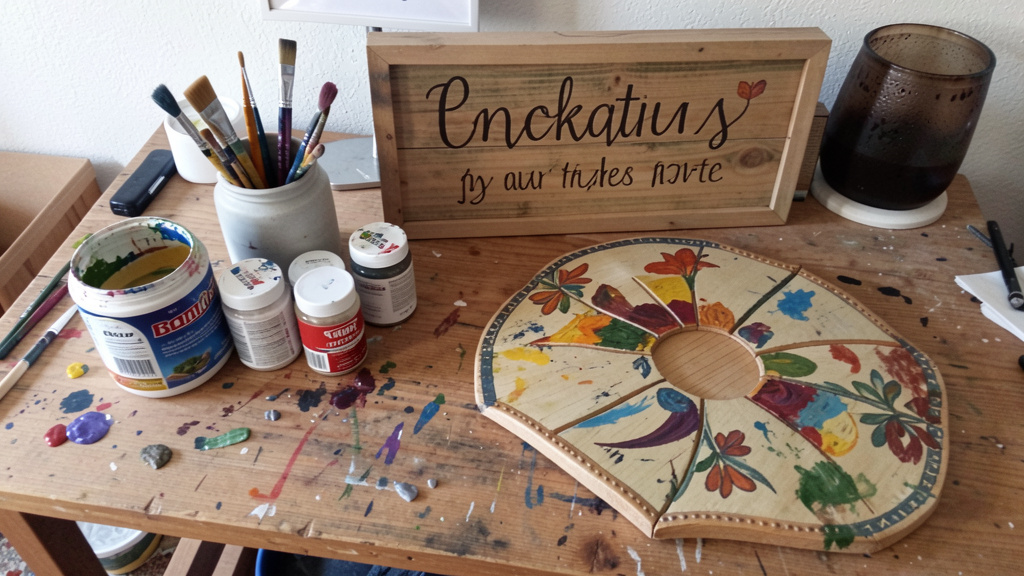
Stop scrolling, start creating. This compassionate guide meets you exactly where you are—offering clear pathways, adaptable choices, and gentle encouragement to transform everyday materials into meaningful decor, one manageable step at a time.
You’ve saved the Pinterest pins. You’ve watched the satisfying reels of paint swirling into perfect patterns. You’ve stood in the craft aisle, heart quietly racing, wondering if you’re the only person who doesn’t instinctively know which adhesive works on fabric versus wood. That flutter of uncertainty? It’s not a barrier. It’s proof you care deeply about creating something authentic. This guide meets you without judgment: no prior skills required, no specialized toolkit assumed, just thoughtful, step-by-step guidance for seven projects intentionally designed to nurture capability. We’ll walk through not just what to do, but why each step matters, how to navigate the small frustrations beginners genuinely encounter, and how to select the project that aligns with your energy and resources today. By the final stitch, brushstroke, or knot, you’ll hold more than a finished piece—you’ll hold tangible evidence of your own growing creativity.
Introduction: Why Your First Project Should Feel Like a Gentle Handshake, Not a High-Stakes Exam
Step into any home decor space—online or in-store—and you’re often met with curated perfection: flawlessly styled shelves, impossibly smooth finishes, intricate textiles that appear effortlessly crafted. For someone standing at the very beginning of their DIY journey, this polished imagery can feel less like inspiration and more like an unspoken gatekeeper. The subtle message echoes: You need innate talent. You need expensive tools. You need prior experience. This narrative is not only unhelpful—it’s fundamentally disconnected from how real creative confidence grows.
Observations across diverse beginner crafting communities reveal a consistent truth: lasting engagement isn’t born from flawless first attempts. It emerges from completing a project that feels genuinely achievable, learning one tangible skill, and experiencing the quiet satisfaction of placing something handmade into your living space. The true barrier isn’t skill—it’s the gap between aspiration and the first clear, compassionate step. This guide bridges that gap with intention. Every project has been selected against three quiet criteria: minimal reliance on specialized tools, materials that gracefully accommodate learning curves, and a progression where each action builds visible momentum. We honor psychological safety alongside physical safety—because feeling capable is the most essential foundation you’ll ever cultivate. This isn’t about replicating someone else’s aesthetic; it’s about laying the first stone in your unique creative path. Your home deserves the warmth of your effort, not the cold distance of perceived perfection. Let’s begin exactly where you are, with what you have.
The START Method: Your Compass for Choosing (and Completing) Your First Project Without Overwhelm
Before glue guns or paint swatches enter the picture, let’s establish a gentle framework designed to prevent common beginner hurdles: decision fatigue, tool anxiety, and the quiet disappointment of an abandoned project. Move beyond vague advice like “just start.” The START Method offers a reflective filter for empowered choice—developed through observing patterns in what helps beginners feel successful and continue creating. Keep this close. Return to it whenever uncertainty arises.
S = Simple Scope
Does the project involve five core steps or fewer? Can active work be completed within a few focused sessions? Projects with sprawling checklists can overwhelm working memory. Simple scope allows your attention to rest on the process itself—feeling how glue sets, noticing how fabric responds to tension—rather than managing complex logistics. Example: Framing a textile scrap involves cutting, adhering, and assembling—a clear, linear path. Building multi-tiered shelving involves precise measurements, structural considerations, and wall mounting. For your very first project? Choose the frame. Honor where you are today.
T = Tool Transparency
Before gathering supplies, gently ask: “What tools are truly essential?” Cross-reference with what you already own. Beginner-friendly projects rely primarily on common household items (scissors, measuring tape, pencil) or one accessible, multi-use tool. Avoid projects requiring highly specialized equipment unfamiliar to you. Reflective Tip: When reviewing any project guide, scan the supply list first. If it feels longer or more technical than the instructions themselves, pause. Is this the right match for your current context? There is no shame in waiting for the right moment.
A = Achievable Materials
Are core materials accessible within your current means and local context? “Achievable” means:
– Budget-conscious: Total material investment feels comfortable for you. Many projects thrive using items already in your home or community.
– Accessible: Materials found through local craft stores, thrift venues, community sharing groups, or repurposed household items.
– Forgiving: Materials that gracefully accommodate learning—textured fabrics that soften uneven edges, matte paints that minimize visible brushstrokes, natural fibers that hide minor inconsistencies. Avoid highly unforgiving materials (like delicate silk or high-gloss finishes) for initial projects.
R = Relevant Reward
Does the finished piece address a small, meaningful need in your space right now? Relevance fuels gentle motivation. Is a surface feeling bare? A small textile accent. Is a corner lacking warmth? A softly lit repurposed jar. Connecting the project to an immediate, personal context transforms it from an abstract exercise into a purposeful act of care. Ask softly: “Where would this live in my home?” If the answer feels clear, motivation often follows.
T = Thoughtful Time Commitment
Can you realistically honor the time required within your current rhythm? “Thoughtful” means:
– Active work broken into manageable segments (even 15–20 minutes counts).
– Drying or curing periods clearly noted and compatible with your space.
– Cleanup integrated as part of the process, not an afterthought.
Honest time reflection prevents projects from becoming sources of quiet guilt. Schedule your creative time with the same kindness you’d offer a valued appointment. Completing a small project with presence builds far more momentum than abandoning an ambitious one.
The Guiding Principle: Confidence grows not in the grand finale, but in the quiet accumulation of small, completed actions. Your first project’s purpose is simply to prove to yourself that you can begin and finish. Completion holds more meaning than perfection.
Apply the START Method gently to the projects below. Notice how each intentionally aligns with these criteria—not by accident, but by design for beginner encouragement. Now, let’s create.
Project 1: Framed Textile Accent – Honor Found Fabrics and Simple Frames
Why This Project Nurtures Confidence: This project gently sidesteps “blank canvas” anxiety. You’re not creating art from nothing; you’re thoughtfully curating and framing existing beauty. The frame provides inherent structure. Fabric brings texture, color, and personal history. Minor variations in placement or tension become part of the piece’s character. This project introduces foundational skills: measuring with intention, working with tension, and using basic fastening methods safely. Most importantly, it delivers visual warmth with accessible techniques. You’ll begin seeing potential in overlooked textiles and frames.
Psychological Gentle Point: Intentionally uses accessible materials (a thrifted frame, a scrap of meaningful fabric) to keep emotional stakes low, freeing mental space for curiosity and enjoyment.
Tools & Materials (Adaptable Options)
- Wooden frame (any size; remove existing contents. Alternative: Unfinished wood frame from a local craft supplier)
- Textile piece (slightly larger than frame opening. Sources: Fabric remnant, cherished scarf, tea towel, page from an old book sealed with a water-based sealant)
- Fastening method: Manual staple gun or strong double-sided mounting tape or fabric glue with clips
- Scissors
- Pencil and ruler
- (Optional) Light sandpaper and water-based paint if refreshing the frame
Step-by-Step: The Gentle Stretch Approach
Step 1: Prepare the Frame
Remove backing, glass, or existing contents. Wipe clean. If refreshing the frame: lightly sand rough areas (helps finish adhere), wipe away dust, apply a thin coat of paint if desired. Allow to dry fully per product instructions. Why this matters: A prepared surface ensures your textile remains the focal point. Gentle reminder: Thin coats dry more evenly than thick ones. Patience here prevents later frustration.
Step 2: Cut the Textile
Place fabric face-down. Position the frame’s front side over it. Trace the inner opening, adding a generous border (approximately 2 inches / 5 cm) on all sides. Cut along this line. Why this matters: The border allows room to pull the fabric smoothly without strain. If concerned about cutting too small: Layer a neutral backing fabric first, then position your decorative piece atop it.
Step 3: Center and Secure (The Confidence Step)
Place frame face-down. Center the textile (face-down) over the back. Smooth gently. Starting at the midpoint of one long side, pull the fabric gently taut (not drum-tight) and secure with one staple, tape dot, or glue point. Move directly opposite and secure. Repeat for the two short sides. Why this matters: Securing opposite points first prevents shifting. Gentle tension preserves fabric integrity and pattern alignment. Helpful cue: Place a small, removable mark at the center of each frame side before starting—your quiet anchor points.
Step 4: Final Securing & Trim
Work around the frame, adding fasteners every 1–2 inches while maintaining gentle tension. Periodically check the front to ensure the design is centered and wrinkles feel intentional (soft folds often add character). Once secured, trim excess close to the edge. Why this matters: A tidy back ensures safe handling and hanging. If using adhesive tape: Fold excess fabric neatly to the back like gift wrapping, securing folds with additional tape.
Step 5: Reassemble & Place
Insert the textile-covered backing. Secure with original tabs if available. Hang using existing hardware. Step back. Breathe. You created this.
Thoughtful variation: Group three small framed textiles in coordinating hues for a cohesive wall moment. Repetition feels intentional.
Beginner Reflection: “I found a tarnished frame for a few coins and used a scrap of vibrant fabric left from a friend’s project. I was nervous about the staple gun, so I watched a short safety video first. My hands trembled placing the first staple. But by the third, a quiet calm settled in. Now it hangs by my door—a daily reminder that I can move through uncertainty.”
Project 2: Hand-Painted Terracotta Pots – Cultivate Calm Through Color and Care
Why This Project Nurtures Confidence: Terracotta’s porous, matte surface welcomes paint gracefully, softening minor inconsistencies. Unlike slick ceramics, it requires no primer. This project gently introduces color harmony, brush handling, and the soothing rhythm of caring for living things. Plants naturally embrace handmade charm—a slightly uneven stripe becomes part of the story. You create functional art that evolves alongside you. Each time you tend to your plant, you reconnect with your creative act.
Psychological Gentle Point: Merges making with nurturing. The ongoing care of the plant extends the project’s reward, gently reinforcing a positive association with your creative effort.
Tools & Materials (Adaptable Options)
- Terracotta pots (small set in varying sizes. Source: Garden center, community plant swap, local market)
- Water-based craft paint (2–3 colors. Tip: Matte or satin finishes are more forgiving than high-gloss for beginners)
- Brushes (one flat brush for base layers, one fine-tip for details. Alternative: Sponge daubers for stippled texture—minimizes brushstroke concern)
- Palette (reused lid, paper plate, or wax paper)
- Water container and cloth
- (Optional) Painter’s tape for clean lines
- (Optional) Water-based matte sealant (recommended for pots with live plants to protect from moisture)
- Small plant or cutting (choose low-maintenance varieties like succulents or pothos)
Step-by-Step: The Layered Wash Approach
Step 1: Prep the Pots
Wipe pots dry to remove dust. Optional: Lightly sand rough spots on rims with fine sandpaper; wipe again. Why this matters: A clean surface helps paint adhere evenly. This brief step prevents future peeling.
Step 2: Base Wash (The Unifier)
Pour a small amount of your lightest color onto the palette. Using the flat brush, apply a thin, translucent layer over the entire pot exterior. Don’t aim for full coverage—this is a wash. Let dry 15–20 minutes. Why this matters: This layer softens terracotta’s natural variations, allowing your top colors to appear richer and more harmonious. Gentle reminder: Dip brush tip lightly in water before paint for smoother flow. If a drip appears, gently blot immediately with a damp cloth.
Step 3: Simple Design Application
Choose one calming design per pot to honor your focus:
– Small pot: A single horizontal band near the rim. Use tape for a clean edge if desired.
– Medium pot: Organic shapes using a sponge dauber—dab gently, overlapping slightly.
– Large pot: Vertical bands of varying widths. Use a straight edge (like a ruler) as a light guide.
Why this matters: Limiting complexity supports success. Each pot gains personality without demanding advanced skill. Encouragement: Practice your chosen mark on scrap paper first. There is no “wrong”—only exploration.
Step 4: Seal and Plant
Once paint is fully dry (check product guidelines), apply a light coat of water-based sealant in a ventilated area if using live plants. Let cure. Fill with appropriate soil, nestle in your plant, water lightly. Why this matters: Sealant protects your work from moisture. Important note: If using air plants or dried botanicals, sealing is optional. Always confirm plant needs align with your pot’s finish.
Beginner Reflection: “I believed I ‘couldn’t draw a straight line.’ I chose the sponge method for my medium pot. Dabbing felt playful, not pressured. As shapes overlapped, a beautiful texture emerged. My roommate asked if I bought it from a boutique. Now my little plant sits on my desk—a quiet anchor during busy days.”
Project 3: No-Sew Pillow Cover – Textile Transformation Without a Needle
Why This Project Nurtures Confidence: This project gently challenges the assumption that sewing is required for textile crafts. Using fabric glue or iron-on tape, you create a polished cover that slips over an existing insert. It builds skills in precise measuring, edge finishing, and understanding how textiles transform a space. The result offers immediate visual warmth—a styled chair or bed in under an hour. This demonstrates that “no-sew” signifies accessibility, not compromise.
Psychological Gentle Point: Uses affordable, forgiving fabrics to keep emotional investment gentle while delivering meaningful visual impact. The pillow serves its purpose the moment it’s complete.
Tools & Materials (Adaptable Options)
- Medium-weight fabric (cotton, linen blend, or canvas remnant. Tip: Avoid very slippery or stretchy fabrics for your first attempt)
- Existing pillow insert (standard size)
- Sharp fabric scissors
- Ruler or straight edge
- Fabric marker or chalk pencil
- Strong fabric adhesive or iron-on hem tape
- Iron and board (if using hem tape)
- Clothespins or binder clips (to hold layers while setting)
Step-by-Step: The Envelope Back Method
Step 1: Measure & Cut
Lay fabric right side down. Place insert on fabric. Measure:
– Front panel: Insert width + 1 inch (2.5 cm); height + 1 inch. Cut one rectangle.
– Back panels (2 pieces): Width same as front; height = (insert height ÷ 2) + 3 inches (7.5 cm). Cut two rectangles.
Why this matters: The extra height creates the envelope flap for easy insert access. Gentle reminder: Mark cut lines clearly with your marker against a straight edge for accuracy. Double-check before cutting.
Step 2: Finish Raw Edges
Apply a thin line of fabric adhesive along all raw edges, about ¼ inch (6 mm) from the edge. Let set until tacky. Alternative: Fold edge over ¼ inch, press with iron, then apply hem tape under the fold and iron per instructions. Why this matters: This prevents fraying during use and washing, adding durability and a finished feel. This small step significantly extends your project’s life.
Step 3: Assemble the Envelope Back
Place both back panels right side up, overlapping vertically by approximately 4 inches (10 cm) in the center. Secure the overlapping seam with adhesive or hem tape. Clip with clothespins. Let set fully per product instructions. Why this matters: This overlap creates the opening for the pillow insert. A secure seam ensures the insert stays comfortably in place. Note: An overlap less than 3 inches may make insertion difficult.
Step 4: Attach Front to Back
Place front panel right side up. Position the assembled back panel right side down on top, aligning all raw edges. The envelope overlap should face inward. Secure all four sides with your chosen method. Clip edges. Let set completely. Critical check: Before adhesive fully cures, gently insert a finger into the envelope opening to confirm layers aren’t sealed shut.
Step 5: Turn, Insert, Enjoy
Turn cover right-side out through the envelope opening. Use a blunt tool (like a pencil eraser) to gently shape corners. Insert pillow form. Smooth fabric. Admire your work. Optional enhancement: After full cure (24 hours), if you have access to a sewing machine, a simple topstitch adds durability—but the adhesive version holds beautifully for decorative use.
Beginner Reflection: “I used a remnant of warm-toned linen. My hands felt unsteady applying the glue, but the clips held everything perfectly. When I turned it right-side out and slipped in the pillow, I felt a genuine spark of pride. It looked intentional, cared for. My roommate immediately asked how I made it.”
Project 4: Repurposed Crate Shelving – Thoughtful Storage from Found Wood
Why This Project Nurtures Confidence: This project works with pre-existing structural elements (the crates themselves), removing the need for complex woodworking. It introduces spatial planning, safe assembly principles, and the quiet joy of giving discarded objects new purpose. Wood grain variations and natural imperfections become part of the piece’s authentic story. Sanding and finishing are forgiving processes—uneven stain often adds rustic character. You’ll gain awareness of weight distribution and secure mounting, knowledge that supports future projects.
Psychological Gentle Point: Shifts perspective—from seeing discarded items as “junk” to recognizing potential. This reframing nurtures a creative mindset that extends far beyond the project.
Tools & Materials (Adaptable Options)
- Wooden crates (3–5 similar crates. Source: Local markets (ask vendors kindly), thrift stores, community sharing groups. Safety check: Ensure wood is solid, dry, and free of mold or major cracks)
- Sandpaper (medium and fine grit) or access to a borrowed orbital sander
- Wood finish (water-based stain or paint. Beginner note: Earth-tone stains often gracefully accommodate sanding variations)
- Brush or staining pad
- Clean cloths
- (Optional) Wood adhesive for joining crates
- L-brackets and screws (essential for vertical stability)
- Screwdriver or drill
- Level
- Stud finder (highly recommended for wall mounting)
Step-by-Step: The Stable Stack Approach
Step 1: Clean & Sand
Wipe crates thoroughly. Let dry completely. Sand all surfaces, especially edges and corners, starting with medium grit, finishing with fine grit. Wipe away all dust. Why this matters: Sanding prepares the surface for finish and prevents splinters. Dust left behind creates bumps. Gentle reminder: Sand with the wood grain. This step is meditative—play music, breathe.
Step 2: Apply Finish
For stain: Apply with a cloth with the grain, then wipe off excess immediately with a clean cloth. Let dry per instructions. For paint: Apply thin, even coats following the grain. Two thin coats surpass one thick coat. Why this matters: Thin layers prevent drips and ensure even color. Seasonal note: Humidity and temperature affect drying times. Work in a dry, temperate space if possible. Allow extra drying time in humid conditions.
Step 3: Plan Your Layout
Arrange crates on the floor in your intended configuration before assembly. Beginner-friendly layouts:
– Horizontal row: 3 crates side-by-side (ideal for books, small plants).
– Staggered stack: 2 crates stacked at base, 1 offset on top (adds visual rhythm).
Safety principle: Avoid stacking more than three crates vertically without professional reinforcement. Weight compounds quickly. Why this matters: Visualizing prevents rework. Helpful tip: Trace crate outlines on the wall with removable tape to preview scale. Live with the outline for a day if time allows.
Step 4: Secure Crates Together
Position crates in final floor arrangement. Where surfaces meet, apply a thin bead of wood adhesive. Clamp or weight securely. Let set per instructions. Recommended: Pre-drill pilot holes, then attach L-brackets inside corner joints. Why this matters: Adhesive plus brackets prevent shifting when mounted. This step is a non-negotiable layer of safety and longevity.
Step 5: Mount to Wall (Safety Essential)
1. Hold the assembled unit against the wall. Use a level to ensure straight alignment. Lightly trace the top outline.
2. Remove unit. Locate wall studs within the traced area using a stud finder. Mark clearly.
3. Reposition unit. Drill pilot holes through the back slats of the top crate(s) into studs. Use screws long enough to penetrate the stud securely.
4. If studs aren’t accessible: Use heavy-duty wall anchors rated well above the unit’s expected weight. Follow anchor instructions precisely.
5. Re-check level. Tighten screws firmly.
Why this matters: Secure wall mounting prevents tip-over hazards, especially important in homes with children, pets, or seismic activity. Gentle encouragement: If uncertain, consult a knowledgeable staff member at a local hardware supplier. Your safety is worth this moment of care. Final touch: Adhere small felt pads to bottom back corners to protect walls and add stability.
Beginner Reflection: “I found three identical crates with permission behind a local market. I felt nervous about the drill, so I watched beginner tutorials and practiced on scrap wood first. Taking it slowly, pre-drilling holes—it felt methodical, not intimidating. Mounting it securely to the stud gave me a deep sense of competence. Now it holds my cherished books. Every time I take one down, I remember I built that.”
Project 5: Personalized Coasters – Functional Art for Everyday Moments
Why This Project Nurtures Confidence: Coasters offer a low-stakes, high-reward entry point. Their small scale minimizes material use and time investment. At this size, minor variations feel intentional, not flawed. This project introduces sealant use, surface protection concepts, and the quiet joy of gifting functional art. Completing a coordinated set provides immediate visual cohesion on your table and a tangible sense of accomplishment.
Psychological Gentle Point: Creates instant “before and after” satisfaction. A bare surface becomes styled and protected. The project solves a small, universal need, making the effort feel immediately valuable.
Tools & Materials (Choose One Approach)
Approach A: Resin & Pressed Botanicals (Ethereal Finish)
- Coaster blanks (wood, cork, or ceramic)
- Clear, non-toxic epoxy resin kit (Essential: Work in a ventilated area, wear gloves, follow all safety instructions)
- Pressed flowers or botanicals (lavender, ferns—ensure fully dry)
- Disposable gloves, mixing cups, stir sticks
- Heat tool (for bubbles—use with caution)
- Felt pads for bottoms
Approach B: Decoupage Paper Art (Textured, Vintage Finish)
- Coaster blanks
- Water-based decoupage medium (e.g., Mod Podge)
- Paper elements (book pages, map snippets, meaningful text)
- Small brush
- Clear acrylic sealant spray (matte or gloss)
- Felt pads
Approach C: Painted Tile Coasters (Bold, Graphic Finish)
- Unglazed ceramic tiles (4″x4″)
- Porcelain paint pens or acrylic paint + sealant
- Pencil and eraser
- Clear sealant spray
- Felt pads or cork backing
Step-by-Step: Approach B Decoupage (Most Forgiving)
Step 1: Prepare Surface
Lightly sand wooden/cork blanks if needed. Wipe clean. For ceramic, ensure surface is grease-free (wipe with diluted isopropyl alcohol). Why this matters: Clean surfaces ensure the medium adheres properly.
Step 2: Cut & Arrange Design
Select paper elements with personal resonance: a map of a meaningful place, lyrics, botanical illustrations. Cut pieces slightly smaller than the coaster. Arrange before applying medium. Play with composition. Why this matters: Planning prevents rework. Smaller pieces are easier to position smoothly. Gentle note: Very thick glossy paper may bubble; matte paper works most reliably.
Step 3: Adhere with Medium
Apply a thin layer of decoupage medium to the coaster surface. Place paper piece. Smooth gently from center outward with fingertips to release air bubbles. Apply another thin layer over the paper. Let dry 15 minutes. Why this matters: Thin layers prevent wrinkling and cloudiness. Helpful cue: Reload your brush frequently with small amounts of medium. Use a straight edge (like a credit card) to smooth stubborn bubbles.
Step 4: Seal & Finish
Once dry to the touch, apply a second thin top coat. Let dry fully (about 1 hour). For water resistance, apply 2 light coats of clear acrylic sealant in a ventilated area, allowing drying time between coats. Adhere felt pads to the bottom corners. Why this matters: Sealant creates a protective barrier essential for function. Felt pads protect your surfaces. Critical note: Skipping the final sealant risks water damage. This step completes the project’s purpose.
Beginner Reflection: “I used pages from an old dictionary found at a community book swap. I cut out words that held meaning for me that season: ‘curious,’ ‘grow,’ ‘home.’ Applying the medium felt meditative. When sealed and felt-padded, they felt complete. I use them daily with my morning tea—a tiny, tangible reminder of what matters.”
Project 6: Simplified Macramé Plant Hanger – Rhythm and Texture with Four Knots
Why This Project Nurtures Confidence: Macramé appears intricate but relies on repeating a few foundational knots. This pattern uses only the Lark’s Head Knot (for attachment) and the Square Knot (for the body)—knots many learn within minutes. The repetitive motion is inherently calming, offering sensory grounding. Cotton cord is forgiving; knots can often be loosened and adjusted. The result—a suspended plant drawing the eye upward—adds gentle dimension to any space. This project builds fine motor awareness and pattern recognition.
Psychological Gentle Point: The tactile, rhythmic nature of knotting provides sensory focus, easing mental chatter. Each completed knot offers a micro-moment of progress, gently countering doubt.
Tools & Materials (Adaptable Options)
- 3mm or 4mm single-strand cotton cord (approximately 40 feet total. Tip: 100% cotton is soft and holds knots well; avoid stiff synthetics for beginners)
- Wooden ring or sturdy metal ring (1.5–2 inch / 4–5 cm diameter)
- Scissors
- Measuring tape
- Lightweight potted plant (air plant, small succulent)
- (Optional) Comb for fringe finishing
Step-by-Step: The Four-Knot Foundation
Step 1: Cut Cords
Cut four cords, each approximately 10 feet (3 meters) long. Why four? Each visible strand in the finished hanger is two cords folded. Four cords yield eight working strands. Gentle reminder: It’s better to have a little extra cord (trim later) than to run short. Measure twice.
Step 2: Attach to Ring (Lark’s Head Knot)
Fold one cord in half. Place the loop under the ring. Pull the loose ends through the loop. Tighten gently. Repeat with remaining cords, spacing evenly around the ring. You now have eight strands. Why this matters: This knot is secure yet adjustable initially. Even spacing supports balanced weight distribution. Helpful cue: Make knots snug, not tight—you should be able to slide them slightly before final tightening.
Step 3: Create the Body (Square Knots)
Square Knot sequence: Left strand over middle strands, under right strand. Right strand under middle strands, up through the left loop. Pull gently. Reverse: Right strand (now left) over middles, under left strand (now right); left strand under middles, up through loop. Pull to complete.
– Group strands into four sets of two.
– Work one full square knot per group. Repeat 8–10 times down the length.
– Repeat for all four groups.
Why this matters: Consistent knots create the stable sleeve holding the pot. If knots feel confusing: Go slowly. Whisper “left over, right under” as you work. Practice one knot repeatedly on a scrap piece. Watch a brief video demonstration while knotting—muscle memory develops quickly. Encouragement: Early knots may feel messy. By the fifth knot in a section, your hands often find their rhythm.
Step 4: Form the Cradle & Finish
After 8–10 knots per group, gather all strands below the knotted sections. Tie one secure overhand knot about 4 inches (10 cm) below the last knots—this forms the pot cradle. Trim ends evenly. Optional: Braid the strands below the knot for 2 inches, tie another knot, trim. Or comb ends for soft fringe. Why this matters: The cradle knot must securely hold the pot. Critical check: Test with your pot before trimming excess cord. Adjust knot height if needed. Alternative: No ring? Fold all cords in half and tie one large Lark’s Head Knot with the loop itself to create a self-attaching top loop.
Beginner Reflection: “Screen fatigue led me to seek something tactile. Learning the square knot felt hypnotic. The first few were uneven, but by the fifth knot in each section, my fingers understood the motion. Hanging my small plant felt like a quiet victory. Now I make them as gifts. The rhythm of knotting has become my reset button.”
Project 7: Repurposed Jar Lanterns – Ambient Light from Everyday Containers
Why This Project Nurtures Confidence: This project honors “imperfect” materials—recycled glass jars with history—and transforms them into vessels of warmth. It requires minimal tools, leverages household items, and delivers magical results with soft light. You’ll practice safe material handling, adhesive techniques for glass, and the design principle of layered light. The emotional resonance is profound: witnessing ordinary objects become sources of gentle ambiance. This project aligns creativity with mindful consumption.
Psychological Gentle Point: Offers a gentle metaphor—finding beauty and purpose in what is often discarded. This perspective can softly extend to self-compassion and seeing value in everyday moments.
Tools & Materials (Adaptable Options)
- Clean glass jars (pasta sauce, jam—various sizes. Prep: Remove labels fully via soaking; scrape residue gently)
- Natural fiber cord (twine, jute, or ribbon)
- Strong craft adhesive suitable for glass or low-temperature glue gun
- Battery-operated LED tea lights (Critical safety note: Never use real flame candles with wrapped jars—cord is flammable)
- (Optional) Water-based glass paint pens or chalk-style paint
- (Optional) Dried botanicals (lavender, eucalyptus)
- Scissors
Step-by-Step: The Wrapped Glow Technique
Step 1: Final Jar Prep
Ensure jars are completely clean, dry, and label-free. Wipe the exterior thoroughly with diluted isopropyl alcohol. Why this matters: Alcohol removes invisible oils from fingers or residue, ensuring adhesive bonds securely. This brief step prevents future peeling.
Step 2: Apply Base Layer
Place a small dot of adhesive where the cord will start (near the base). Press cord end firmly; hold 30 seconds. Wrap cord tightly and evenly around the jar, adding small adhesive dots every 2–3 inches. Overlap slightly for coverage. Secure the end with adhesive, tuck under the last wrap, trim excess. Why this matters: Consistent tension and strategic adhesive prevent sagging. Helpful cue: Place removable rubber bands at start and end points to guide straight wrapping.
Step 3: Add Embellishments (Optional)
Before adhesive fully sets: Tuck a small dried botanical sprig under the cord. Adhere a simple wooden charm. Tie a ribbon bow around the neck. Why this matters: Personal touches make it uniquely yours. Gentle reminder: Choose one accent. Simplicity often holds more power than abundance. Variation: For a soft glow effect, lightly brush the outside of the jar (under the cord) with diluted white glue before wrapping. Let dry—it diffuses the light beautifully.
Step 4: Illuminate Safely
Place a battery-operated LED tea light inside. Turn on. Position on a windowsill, shelf, or group three together for a centerpiece. Why this matters: Safety is the foundation of joyful creating. Modern LED candles offer realistic flicker with zero fire risk. Your peace of mind is essential. Alternative: No cord? Wrap jars tightly with strips cut from an old cotton t-shirt for a soft, fabric-wrapped look.
Beginner Reflection: “After a period of loss, saving jars felt like honoring resources. Wrapping the first one with twine, I tucked a sprig of rosemary from my garden under the cord. When I turned on the little LED light, the jar glowed with gentle warmth. It wasn’t just a craft; it was a quiet moment of connection. Now I make them for loved ones. They call them ‘light jars.’”
Beyond the Project: Cultivating a Sustainable and Compassionate Creative Practice
Completing a project is a meaningful milestone—but deeper magic unfolds when DIY becomes a gentle, ongoing relationship with your hands, your home, and your well-being. The goal isn’t accumulating every tool imaginable; it’s nurturing a lean, adaptable practice that grows with intention alongside your life. This section offers reflective guidance for tool stewardship, mindful sourcing, and sustaining creative joy without burnout. Think of this as compassionate companionship for your journey ahead.
The Thoughtful Starter Toolkit: Seven Versatile Foundations
Move beyond overwhelming “must-have” lists. These seven adaptable items support a wide range of beginner projects. Prioritize comfort and function over quantity.
- Sharp Scissors Dedicated to Craft: Clean cuts prevent fraying. Keep one pair solely for fabric/paper.
- Retractable Measuring Tape: Essential for accuracy. A magnetic end is helpful but not required.
- Fine-Tip Permanent Marker: For labeling, marking cuts, or writing on various surfaces.
- Versatile Water-Based Adhesive: Choose one rated for multiple materials (fabric, paper, wood). Check labels for “dries clear,” “flexible,” and “non-toxic.”
- Manual Staple Gun (Optional but Helpful): Ideal for fabric-on-frame projects. Choose one with comfortable grip.
- Sandpaper Assortment: Coarse (for shaping), medium (for smoothing), fine (for finishing). Fold sheets for easy handling.
- Small Hammer: For light tasks like hanging frames. A moderate weight offers control.
Gentle Growth Path: After several projects, notice what feels limiting. Did sanding by hand feel tedious? Consider borrowing a sander for your next wood project. Did you wish for a better brush? Add one quality synthetic brush. Acquire tools in response to lived experience, not hypothetical future projects. This prevents clutter and ensures each tool earns its place through use.
Mindful Material Sourcing: Seeing Potential Everywhere
Shift perspective from “buying supplies” to “curating potential.” The most meaningful materials often await rediscovery.
- Community Thrift Spaces: Frames, crates, jars, textiles. Visit regularly; inventory changes. Build quiet rapport with staff.
- Local Sharing Groups: Many communities have “Buy Nothing” or skill-sharing groups. Post kindly: “Seeking clean jars, fabric scraps, or wooden crates for creative projects.” Express gratitude for what arrives.
- Hardware Store Remnant Bins: Discounted paint samples, mis-cut wood, discontinued tiles—perfect for practice.
- Your Own Home: Before discarding: jars, corks, cardboard tubes, worn cotton clothing (for rags or weaving), broken jewelry (for accents). Conduct a gentle “resource scan” this week.
- Nature (Ethically and Legally): Fallen branches (never take from living trees), smooth stones, pressed leaves/flowers. Always prioritize local regulations and ecological care. Collect only what is freely given.
The Beginner’s Compassionate Mindset: Navigating Frustration with Kindness
Every creator encounters friction. How you meet it shapes your journey. These gentle strategies transform stumbling blocks into learning moments.
- The Pause Practice: Feeling stuck or frustrated? Stop. Set a timer for 10 minutes. Step away. Breathe. Drink water. Return with fresh eyes. This isn’t quitting—it’s wise recalibration.
- Reframe “Mistakes” as Information: A crooked line isn’t failure; it’s data. “My hand steadies when I brace my wrist.” “This adhesive sets faster than I anticipated.” Information removes shame. Information guides growth.
- Honor Micro-Completions: Removed a stubborn label? Honor it. Tied your first secure knot? Acknowledge it. Whisper: “I did that.” Celebrating small wins builds neural pathways of capability.
- Grant Permission to Adapt: This guide is a compass, not a cage. Short on time? Complete just Steps 1–2 today. Missing an item? Substitute thoughtfully. Your project, your pace. Adaptation is creativity in action.
Navigating Common Creative Moments: Gentle Guidance for Real Experiences
Even with thoughtful planning, small frustrations may arise. This section addresses the quiet, unspoken moments beginners encounter—the “why is this happening?” questions rarely met with compassion online. Return here whenever needed.
“My paint looks streaky or uneven.”
- Gentle insight: Water-based paints often show brushstrokes on porous surfaces like terracotta. This is normal.
- Supportive steps: Ensure surface was clean and lightly sanded. Apply paint in thin layers. For terracotta, the light base wash (Project 2) softens inconsistencies. Two thin coats often surpass one thick coat. Embrace the handmade texture—it tells a story.
“My adhesive isn’t holding well.”
- Gentle insight: Adhesion depends on surface prep, material compatibility, and cure time.
- Supportive steps: Clean surfaces thoroughly with appropriate cleaner (alcohol for glass/metal, soapy water for wood). Verify adhesive is rated for your materials. Apply to one surface, wait until tacky (if recommended), then join firmly. Use clips and allow full cure time (check product label—often 24 hours). Patience is part of the process.
“I feel nervous about using tools like drills or sanders.”
- Gentle insight: Uncertainty around tools is common and wise—it reflects care.
- Supportive path:
- Observe: Watch a short, reputable beginner tutorial focused on safety and basics.
- Practice: Obtain a small scrap piece of wood. Practice motions away from your project. Notice the tool’s weight, sound, vibration.
- Start gently: Use lowest speed setting. Apply light, steady pressure—let the tool do the work.
- Safety first: Wear eye protection. Secure loose clothing/hair.
- Ask kindly: Local hardware staff often appreciate thoughtful questions. “Could you briefly show me how to change this bit safely?”
“My project doesn’t look like online photos. I feel discouraged.”
- Gentle reality: Curated images represent highlights, often created by experienced makers with ideal lighting and editing. They rarely show the learning process.
- Compassionate reframing: Ask softly: “Does this bring me a sense of calm or joy in my space?” Not “Does this match an ideal?” Your unique choices reflect your home and heart. A slightly uneven stripe holds the story of your hands. Authenticity carries deeper resonance than perfection.
- Next gentle step: Place the project in its intended spot. Live with it for 24 hours. Often, perceived “flaws” integrate beautifully into your environment. If one element truly bothers you, identify one tiny adjustment—not a full restart.
“I started a project but lost momentum.”
- Kind diagnosis: This is human. Life shifts. Energy fluctuates.
- Compassionate responses:
- Feeling overwhelmed? Break the next step into a “5-minute task.” “Just sand one edge.” Momentum often follows small action.
- Feeling bored? Pair project time with a beloved podcast or music. Create positive association.
- Life intervened? Cover the project gently. Set a soft reminder for “Project Return Day” in one week. No guilt. Projects wait without judgment.
- Grant grace: It is okay to pause. It is okay to release a project that no longer serves you. Your worth is never tied to completion. The courage to begin is already a victory.
Your Questions, Answered: Clarity for the Curious Beginner
Q: How can I gently assess if a DIY project is truly beginner-appropriate?
A: Apply the START Method with kindness. Scan the supply list first—does it require many unfamiliar tools or materials? Read the instructions: are steps broken into clear, sequential actions? For early projects, favor guides using phrases like “step-by-step,” “adaptable options,” or “designed for first attempts.” Trust your intuition—if it feels overwhelming today, it’s okay to choose something simpler or return later.
Q: What is the most commonly overlooked step for successful painting?
A: Gentle surface preparation. Dust, grease, or glossiness prevents proper adhesion. Always: 1) Clean surface appropriately, 2) Lightly sand glossy areas to create subtle “tooth,” 3) Wipe away all residue. This brief ritual forms the foundation of a lasting finish.
Q: Can adhesive methods create lasting bonds for functional items?
A: Yes, when matched thoughtfully to the materials and use case. Water-based fabric adhesives work well for decorative pillow covers. Strong craft adhesives rated for glass/ceramic suit coaster embellishments. For structural elements (like crate shelves), mechanical fasteners (brackets, screws) combined with adhesive provide the safest, most durable solution. Always check product labels for material compatibility and cure times.
Q: How can I choose colors that feel harmonious without formal training?
A: Begin with what you already love. Pull 2–3 colors from a favorite textile, photograph, or natural object. Visit a paint supplier and explore their pre-curated palettes—these are designed by color professionals to harmonize. A gentle formula: one neutral base (soft white, warm gray), one earth tone (sage, clay, olive), one accent (mustard, dusty blue). Trust your eyes—what feels calming or joyful to you is the right choice.
Q: What is a compassionate approach to leftover materials or projects that didn’t unfold as hoped?
A: For materials: Store small items in clear containers labeled simply. Donate unused fabric, yarn, or kits to schools, community centers, or sharing groups—knowing they’ll be used eases storage anxiety. For projects that didn’t resonate: Thank the project for the lesson it offered. Reuse salvageable parts. Release the rest without self-judgment. Every attempt holds value in the learning.
Q: How do I find moments for creating within a full life?
A: Redefine “project time.” Break efforts into micro-moments:
– Monday: Gather supplies (5 minutes)
– Tuesday: Cut fabric (15 minutes)
– Wednesday: Apply adhesive to edges (10 minutes)
– Thursday: Assemble (15 minutes)
Schedule these micro-sessions like gentle appointments with yourself. Protect them. Completion in small steps builds sustainable momentum far more than waiting for large blocks of time.
Q: What sealants are safest for items handled by children or used near food?
A: For most beginner decor projects (fabric, wood, paper), water-based, non-toxic sealants like Mod Podge (fully cured) are suitable. For items near food surfaces (like coasters), water-based polyurethane labeled non-toxic when fully cured is a durable option. Always follow label instructions for full cure time before use, and supervise young children around any decor items. When in doubt, choose finishes labeled AP (Approved Product) non-toxic.
Q: How can I quiet the inner critic that says “this isn’t good enough”?
A: Practice compassionate redirection:
1. Notice the thought without judgment.
2. Gently ask: “What is one small thing I appreciate about this?” (The color? The intention? The courage to try?)
3. Place the project in its intended space. Live with it. Often, context softens self-critique.
4. Remember: Your home is a sanctuary for you. It needs authenticity, not perfection.
Conclusion and Next Step: Your Creative Journey Unfolds One Gentle Step at a Time
You now hold more than project instructions. You hold a compassionate invitation to begin exactly where you are, with kindness toward your pace and process. You’ve seen how “imperfections” become signatures of authenticity. You’ve discovered that the most essential tool isn’t a specific implement—it’s the gentle voice within that says, “Try again,” or “This is enough,” or “I honor my effort.”
Let’s gently crystallize the path forward:
-
Your Three Anchors
- The START Method is your reflective compass for future projects: Simple Scope, Tool Transparency, Achievable Materials, Relevant Reward, Thoughtful Time. Return to it with self-kindness whenever uncertainty arises.
- Moments of friction are information, not failure. Each teaches you about materials, your hands, and your unique creative rhythm. Gather this data without judgment.
- Completion holds deeper meaning than perfection. The pillow cover with a slightly uneven seam carries the story of your hands and heart. Action builds evidence; evidence nurtures confidence.
-
The 24-Hour Invitation: One Tiny, Kind Action
Do not close this page without a gentle next step. Within the next day, choose one:- If feeling ready: Select one project. Walk to a closet, drawer, or recycling bin. Find one item already in your home (a jar, a fabric scrap, a simple frame). Place it on your table. This is your starting point.
- If feeling hesitant: Open your notes app. Write: “My first creative step will be __ because it brings ____ to my space.” Fill in the blanks. That is enough. You have begun.
This micro-action gently breaks inertia. Momentum grows from a single, kind step.
-
The Wider View: You Are Cultivating a Legacy of Care
Every stitch, brushstroke, and knot is an act of care—for your home, your well-being, our shared resources through mindful creation. You are not merely making decor; you are weaving intention into your daily environment. You are proving to yourself, in tangible ways, that you can bring warmth and beauty into the world. This capacity—to create, adapt, and nurture—extends far beyond these projects. It becomes a lens for life: “How can I approach this challenge with patience? What small step can I take today?” Your hands are learning a language of care. Your home is becoming a sanctuary of your journey. And the most beautiful creation you are nurturing is the compassionate, capable creator you are becoming.
Continue Your Journey:
The Mindful Maker’s Guide to Sustainable Sourcing | From Clutter to Calm: A Compassionate Approach to Home Harmony | The Color Confidence Handbook: Choosing Hues That Nurture Your Space | Tool Wisdom: Understanding Ten Foundational Implements for New Makers | The Gift of Making: Five Handcrafted Tokens of Connection | Weaving Creativity into Daily Life: Simple Rituals for the Modern Maker | The Repair Path: Mending Objects and Moments with Intention