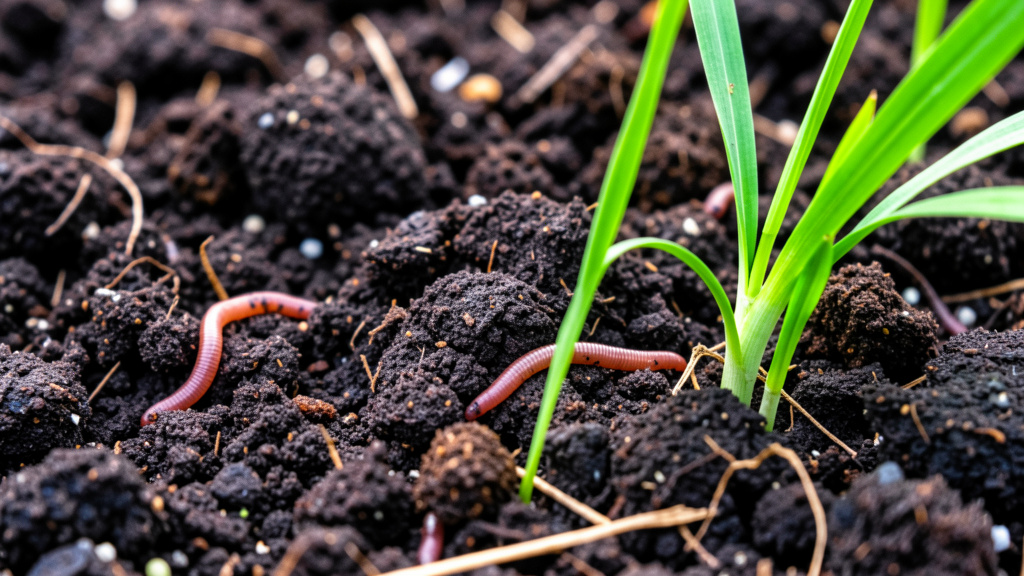
A science-informed approach to nurturing sustainable turf—adapting professional principles to your unique yard, climate, and care capacity.
Growing a thriving lawn is less about perfection and more about understanding interconnected systems. This guide synthesizes widely accepted horticultural practices, regional adaptation considerations, and observable patterns in turf development. Whether you’re starting with bare soil or revitalizing existing turf, you’ll find adaptable steps grounded in soil science, grass physiology, and seasonal awareness. No exaggerated claims—just clear, contextual guidance to help you work with your landscape, not against it.
Introduction: Shifting from Tasks to Understanding
Neighborhood lawns vary widely—not due to luck or budget alone, but because each yard responds uniquely to soil conditions, microclimates, usage patterns, and care choices. The most resilient lawns emerge when we view turf as a living system: roots interacting with soil biology, blades responding to light and moisture, and seasonal cycles guiding growth rhythms. Treating lawn care as isolated chores (mow, water, fertilize) often misses these connections. True progress comes from observing your space and responding thoughtfully.
This resource draws from publicly available extension publications, peer-reviewed horticultural research, and widely documented field practices. It avoids rigid prescriptions, instead offering frameworks you can adapt. You’ll learn to notice subtle cues—temporary footprints indicating thirst, specific weed types hinting at soil conditions, or color shifts signaling seasonal transitions. These observations empower you to make timely, informed choices. The journey unfolds across four interconnected phases: Foundation (soil readiness), Establishment (seeding/sodding), Maintenance (ongoing rhythm), and Seasonal Strategy (working with natural cycles). Each phase supports the next. Thoughtful soil preparation reduces future watering needs. Proper mowing height suppresses weeds organically. Patience during establishment builds long-term density. Let’s begin where lasting results truly start: beneath the surface.
The Cyclical Care Framework: Aligning with Natural Rhythms
Rather than a linear checklist, effective lawn care follows a repeating cycle shaped by temperature, daylight, moisture, and grass type. Spring invites growth and renewal. Summer calls for conservation and resilience. Fall builds reserves for dormancy and regrowth. Winter offers rest and planning. The Cyclical Care Framework helps you match actions to your lawn’s current needs—not a calendar date. This prevents common missteps like fertilizing dormant grass or aerating frozen soil.
This perspective shifts the question from “What should I do today?” to “What is my lawn communicating right now?” It acknowledges regional variation: cool-season grasses in northern zones peak in fall; warm-season types in southern regions thrive through summer. Universal principles exist—like prioritizing root health—but their application depends on your context. Local cooperative extension resources (search “[Your County] cooperative extension”) offer zone-specific timing cues far more reliable than generic dates.
Core Insight: Visible turf health reflects conditions below ground. Nurturing soil structure, organic matter, and microbial activity creates the foundation for resilient growth above.
Phase 1: Foundation & Soil Readiness (Pre-Planting)
Understanding Soil as a Living System
Soil functions as a dynamic habitat—not inert dirt. It balances minerals, air, water, organic matter, and microorganisms. Healthy soil absorbs rainfall, stores nutrients gradually, and allows roots to penetrate deeply. Compacted or depleted soil restricts these processes, leading to shallow roots vulnerable to drought, disease, and weeds. Investing effort here supports years of easier maintenance. Research consistently shows that lawns established on thoughtfully prepared soil often require less supplemental water and fertilizer over time compared to those planted on unamended ground.
Step 1: Conduct a Thoughtful Site Assessment
Why this matters: Skipping assessment risks mismatched grass choices or unresolved drainage issues. Understanding your yard’s patterns prevents repeated setbacks.
How to proceed:
– Sun Mapping: Over 2–3 days, note sunlight in key areas at 9 AM, 1 PM, and 5 PM. Categorize:
– Full sun: 6+ hours direct light (suitable for many sun-adapted grasses)
– Partial shade: 3–6 hours (consider shade-tolerant varieties)
– Full shade: <3 hours (evaluate alternatives like ground covers or moss)
– Drainage Observation: After rain or thorough watering, check for standing water >4 hours. Persistent puddles suggest grading adjustments or drainage solutions may be needed before planting.
– Slope Consideration: Steep slopes (>15%) challenge establishment. Options include terracing, erosion-control blankets during seeding, or selecting deep-rooted grasses.
– Existing Vegetation Clues: Weeds offer diagnostic hints. Moss may indicate shade, compaction, or drainage issues. Dandelions often appear in compacted soil. These signals guide preparation—not just removal.
Common pitfalls to avoid:
– Assuming all grasses need full sun. Shade-tolerant mixes exist but have limits.
– Ignoring low spots where water collects. Surface fixes rarely resolve underlying drainage.
– Overlooking microclimates (e.g., heat radiating from walls, cold air settling in dips).
Illustrative scenario: A yard in the Pacific Northwest had a persistently damp, thin area near a garage. Sun mapping revealed under two hours of direct light daily; drainage observation confirmed slow water movement. Instead of repeated reseeding, the homeowner installed a shallow gravel swale to redirect water, amended soil with compost for better structure, and planted a fine fescue blend suited to partial shade. Over two growing seasons, density improved noticeably. Results vary based on local conditions and consistent follow-through.
Step 2: Soil Testing—Your Diagnostic Tool
Why this matters: Guessing nutrient needs wastes resources and may harm soil or water quality. A soil test reveals pH, key nutrient levels, and organic matter content—guiding precise, responsible amendments.
How to proceed:
1. Timing: Test 4–6 weeks before planting. Avoid testing shortly after fertilizing or amending.
2. Sampling:
– Use a clean trowel or probe.
– Collect 10–15 samples from across the area (avoid edges near sidewalks or compost).
– Dig to 4–6 inches (typical root zone depth).
– Mix samples thoroughly; send ~1 cup to a lab (often your local cooperative extension; cost typically $15–$30).
3. Interpreting Key Results:
– pH: Most grasses prefer 6.0–7.0. Below 6.0 may benefit from lime (check lab recommendation); above 7.5 may need sulfur in some regions. Note: Some grasses tolerate wider ranges (e.g., fine fescues down to 5.5).
– Organic Matter: Target 3–5%. Below 2% suggests adding compost.
– Nutrients (N-P-K): Labs report levels as Low/Medium/Optimum. Only amend deficiencies. Excess phosphorus can contribute to waterway issues—many regions regulate its use.
– Texture Clues: Sandy soils drain quickly; clay holds water longer. This informs watering strategy later.
Common pitfalls to avoid:
– Relying solely on inexpensive pH-only kits. They miss critical nutrient context.
– Applying lime or sulfur without test guidance. Over-correction creates new imbalances.
– Disregarding lab recommendations. If phosphorus is sufficient, skip high-phosphorus starter fertilizers.
Regional note: Soil tendencies vary widely. Acidic soils are common in rainy regions; alkaline soils prevail in arid zones. Local extension offices provide amendment guidance calibrated to your area’s typical conditions.
Step 3: Soil Amendment & Grading—Creating a Hospitable Bed
Why this matters: Even with ideal chemistry, poor physical structure hinders root growth. Amendment improves pore space for air, water movement, and microbial activity. Proper grading prevents erosion and pooling.
How to proceed:
– For New Lawns:
1. Clear debris, rocks >2″, and persistent vegetation (smothering with cardboard or solarization are non-chemical options).
2. Till only if soil is severely compacted (6–8 inches deep). Minimal disturbance preserves existing soil structure where possible.
3. Incorporate amendments:
– Compost: 1–2 inches worked into top 4–6 inches. Use screened, weed-free compost.
– Topsoil: Only if existing soil is very shallow or extreme texture. Seek loam meeting regional standards.
– Targeted Amendments: Apply lime, sulfur, or gypsum only if soil test indicates need.
4. Grade gently away from structures (approx. 1/4″ drop per foot). Smooth surface with rake; avoid powder-fine finish.
5. Lightly firm soil with a roller or by walking—soil should feel stable but yield slightly underfoot.
– For Existing Lawns:
– Core aeration is the primary tool for improvement. Follow with a light compost topdressing (¼ inch). Earthworms and microbes gradually incorporate it.
Common pitfalls to avoid:
– Adding sand to clay soil—it can create concrete-like density. Compost is a safer amendment for clay.
– Using fresh manure (contains weed seeds, salts). Only use fully composted material.
– Over-amending. Excessive compost (>30% by volume) may cause settling. Stick to recommended depths.
Helpful analogy: Amending soil resembles enriching garden soil for vegetables—it’s about creating balanced, life-supporting conditions, not just adding nutrients. Patience here pays dividends in reduced long-term inputs.
Step 4: Selecting Grass Suited to Your Conditions
Why this matters: Planting grass outside its adaptive range leads to constant struggle. Success starts with matching species to climate, light, water access, and use patterns.
How to proceed: First, identify your climate zone context:
| Category | Typical Regions | Growth Pattern | Common Types | Considerations |
|---|---|---|---|---|
| Cool-Season | Northern U.S., Pacific Northwest, Midwest | Active spring/fall; may go dormant in summer heat | Kentucky Bluegrass, Tall Fescue, Perennial Ryegrass, Fine Fescues | Best where summers are moderate; requires irrigation in hot/dry periods |
| Warm-Season | Southern U.S., Southwest, California | Thrives in summer heat; dormant (tan) in cool months | Bermuda, Zoysia, St. Augustine, Centipede | Needs consistent summer warmth; slow to green up in spring |
| Transition Zone | Mid-Atlantic, Central U.S. | Challenging—neither category dominates | Tall Fescue (cool-season anchor), Zoysia (warm-season option) | Requires careful variety selection; Tall Fescue often most adaptable |
Next, match to your site:
– Sunlight: Full sun? Many options. Partial shade? Tall Fescue, Fine Fescues (cool); Zoysia (warm). Deep shade? Reconsider turf—explore shade-tolerant ground covers.
– Water Access: Limited irrigation? Prioritize drought-adapted types (Tall Fescue, Zoysia, Buffalo grass). Ample water? More options available.
– Traffic: High use (kids, pets)? Bermuda (warm) or blends with wear-tolerant ryegrass (cool). Low traffic? Fine Fescues offer delicate texture.
– Maintenance Preference: Lower mowing frequency? Zoysia or Centipede. Willing to mow regularly for density? Kentucky Bluegrass.
Seed Selection Tips:
– Buy from reputable suppliers with clear labeling.
– Check the tag: Look for named varieties (indicates breeding for traits like disease resistance), high pure seed percentage (>90%), and recent germination test date (>85% ideal).
– Avoid vague terms like “premium mix” without specifics.
Illustrative scenario: A homeowner in a transition-zone city planted Kentucky Bluegrass based on aesthetics alone. By midsummer, the lawn thinned despite frequent watering. The following fall, they overseeded with a heat-tolerant Tall Fescue blend suited to their zone. With adjusted mowing height and watering, density improved significantly. Choosing context-appropriate grass reduces long-term effort.
Phase 2: Seeding & Establishment (The First Growing Season)
Why Early Care Sets Long-Term Trajectory
The initial growth period—roughly 60–90 days—shapes root depth, density, and resilience. Consistent moisture, protection from disturbance, and patience are essential. Germination is just the beginning; true establishment occurs as roots anchor deeply and blades knit together. Rushing mowing or skipping early care creates vulnerabilities weeds exploit later. Think of this phase as nurturing young seedlings: gentle attention yields stronger maturity.
Step 1: Seeding Technique for Even Coverage
Why this matters: Uneven seeding causes patchiness and invites weeds into bare spots. Seed-to-soil contact is non-negotiable for germination.
How to proceed:
1. Seedbed Prep: Rake soil smooth; firm lightly. Surface should resemble coarse crumbs.
2. Calculate Rate: Follow seed bag guidelines. Adjust:
– New lawn: Full recommended rate.
– Overseeding: 50–75% of rate.
– Slopes: Slightly increase rate for quicker cover.
3. Apply Methodically:
– Split seed into two batches.
– Spread first batch walking north-south; second east-west (cross-hatching ensures even coverage).
– Use appropriate tool: hand spreader (small areas), drop spreader (precision edges), broadcast spreader (large areas—calibrate first).
4. Incorporate Gently: Rake seed lightly into top ¼ inch. Most grass seeds need light exposure; avoid deep burial. Drag burlap or chain-link fence to ensure contact without dislodging.
5. Mulch Lightly (if needed): On slopes or dry sites, apply thin layer (¼ inch) of weed-free straw, compost, or biodegradable erosion blanket.
Common pitfalls to avoid:
– Over-seeding. Crowded seedlings compete, creating weak growth.
– Skipping cross-hatching. Leads to visible thick/thin stripes.
– Using regular straw mulch (often contains weed seeds). Opt for certified weed-free options.
Illustrative scenario: On a sloped area prone to washout, a gardener used a biodegradable jute blanket pinned securely, with seed placed beneath. The blanket held soil during spring rains while allowing light and moisture through. As roots established, the blanket decomposed naturally. Adapting technique to site constraints improves success.
Step 2: Watering Through Germination and Early Growth
Why this matters: Seed desiccation is a leading cause of failure. But overwatering promotes disease. Goal: keep top ½ inch consistently moist (not soggy) until seedlings reach ~1 inch tall.
How to proceed:
– Germination Phase (Days 1–14):
– Water 2–4 times daily for short durations (5–10 mins). Adjust for soil: sandy soils need more frequent light watering; clay needs slower, less frequent sessions.
– Best times: Early morning and late afternoon. Avoid midday evaporation and prolonged evening moisture.
– Check soil hourly on hot/windy days. If surface feels dry, water lightly.
– Seedling Phase (Days 15–30):
– Reduce to 1–2 waterings daily as roots develop.
– Gradually extend duration while reducing frequency to encourage deeper rooting.
– Establishment Phase (Days 31+):
– Transition toward deep, infrequent watering: aim for ~1 inch total per week (including rain), applied in 1–2 sessions.
– Use the screwdriver test: After watering, a 6-inch screwdriver should slide easily into soil. Resistance indicates insufficient depth.
Helpful Tools:
– Rain gauge: Measure output to avoid guesswork.
– Soil moisture meter: Inexpensive probes confirm moisture at root depth.
– Smart controller: Adjusts based on local weather—reduces waste during rain.
Common pitfalls to avoid:
– Watering once daily for long durations during germination. Top layer dries between sessions, killing tender roots.
– Ignoring wind or slope. Adjust frequency or use temporary windbreaks on breezy sites.
– Watering at night consistently. Prolonged leaf wetness can encourage fungal issues.
Regional adaptation: In arid climates, seed in early fall when temperatures moderate. Light shade cloth (30%) suspended above seedbed can reduce evaporation. In humid regions, prioritize morning watering to allow foliage to dry quickly.
Step 3: First Mow and Early Nutrition
Why this matters: Timing protects young plants. Premature mowing damages roots; delayed mowing stresses growth. Early feeding supports root development when done appropriately.
How to proceed:
– First Mow Trigger: When grass reaches one-third above your target height (e.g., mow at 4″ if maintaining 3″). Blades should resist gentle tugging.
– Mowing Protocol:
– Use a sharp blade.
– Mow when soil is dry to prevent ruts or uprooting.
– Catch clippings for first 1–2 mows to avoid smothering seedlings.
– Never remove >⅓ of blade height at once.
– First Fertilization:
– Timing: 4–6 weeks after germination, or after second mowing.
– Product: If soil test indicates need, use a balanced starter formula. If phosphorus is sufficient per test, choose a low- or zero-phosphorus option to protect water quality.
– Application: Follow label rates precisely. Water lightly afterward to move granules into soil.
– Organic option: Light compost tea application offers gentle nutrient support.
Common pitfalls to avoid:
– Mowing by calendar date instead of grass height. Growth speed varies with weather.
– Applying high-nitrogen fertilizer too early. Can promote weak top growth over roots.
– Bagging clippings long-term. After establishment, returning clippings recycles nutrients naturally.
Helpful perspective: The first mow signifies progress—a milestone to observe carefully, not rush. Precision builds confidence for both caretaker and lawn.
Step 4: Sod Installation Considerations
Why choose sod? Provides immediate cover (useful for erosion control), faster usability, and fewer initial weeds. Trade-offs: Higher cost, intensive watering needs, and soil prep remains critical—sod fails on poor soil.
How to proceed:
1. Soil Prep: Identical to seeding (Phases 1.1–1.3).
2. Sod Selection: Choose fresh sod (harvested within 24–48 hours). Check for uniform color, dense roots, and moist (not soggy) soil base. Confirm grass type matches your zone.
3. Installation:
– Lay within 24 hours of delivery, starting along a straight edge.
– Butt edges tightly—no gaps (weeds invade gaps) or overlaps.
– Stagger seams like brickwork.
– Roll lightly with a water-filled roller to ensure soil contact—a frequently overlooked but vital step.
4. Watering:
– Days 1–7: Water 2x daily to keep soil beneath sod saturated.
– Days 8–14: Reduce to once daily. Check root anchoring by gently lifting a corner.
– Day 14+: Transition to deep, infrequent watering as roots establish.
5. First Mow: Once sod resists lifting and grass exceeds target height by ⅓ (typically 10–14 days).
Common pitfalls to avoid:
– Installing sod in midday heat. Lay early morning; keep unused rolls shaded and covered with damp burlap.
– Skipping the rolling step. Air pockets cause drying and failure.
– Walking on new sod prematurely. Wait until after first mow.
Budget-conscious approach: Use sod for high-visibility or erosion-prone areas; seed less-trafficked zones. Or plant sod plugs (cut into squares, spaced 6″ apart)—they fill in over one season at lower cost.
Phase 3: The Ongoing Care Cycle (Mowing, Watering, Feeding)
Consistency Over Intensity
Once established, lawns thrive on rhythmic, observant care. Weekly attention at appropriate heights and intervals builds resilience far more effectively than sporadic intensive efforts. Understanding the purpose behind each practice transforms maintenance from chore to meaningful stewardship.
Mowing: Height as a Strategic Tool
Why height matters: Mowing height directly influences root depth, drought tolerance, weed suppression, and disease resistance. Taller grass shades soil, conserving moisture and blocking weed seed germination. Short mowing stresses plants and invites competition.
General Height Guidance (Adjust seasonally and by grass type):
| Grass Type | Typical Range | Summer Adjustment | Key Reason |
|---|---|---|---|
| Kentucky Bluegrass | 2.5–3.5″ | Raise to 3–4″ | Reduces heat stress, supports deeper roots |
| Tall Fescue | 3–4″ | Maintain 3.5–4.5″ | Maximizes drought resilience |
| Perennial Ryegrass | 2–3″ | Raise slightly | Prevents scalping on uneven ground |
| Fine Fescues | 3–4″ | Maintain upper range | Optimizes light capture in shade |
| Bermuda | 0.5–1.5″ | Avoid cutting below 1″ | Prevents thinning; never scalp below 0.5″ |
| Zoysia | 1–2″ | Maintain 1.5–2.5″ | Promotes density without stress |
| St. Augustine | 2.5–4″ | Keep at upper range | Highly sensitive to scalping |
Refined Mowing Practices:
– Sharp Blades: Dull blades tear grass, causing browning and disease entry. Sharpen monthly during peak season.
– Vary Patterns: Alternate mowing directions weekly to prevent soil compaction and grass grain.
– Clippings Management: Return clippings routinely—they decompose quickly, recycling nutrients. Only bag when removing >⅓ height (e.g., after vacation) or if disease is present.
– Mow Dry: Wet grass clumps and tears easily. Wait until dew evaporates.
– Edge Thoughtfully: Define borders before mowing for clean lines and equipment protection.
Common pitfalls to avoid:
– “Scalping” to remove weeds. Weakens turf, giving weeds more light. Address weeds directly; maintain proper height.
– Believing shorter grass reduces mowing frequency. Shorter cuts often stimulate faster regrowth. Taller grass typically grows more slowly and thickly.
– Ignoring actual cut height. Measure with a ruler; mower settings vary by model.
Illustrative scenario: A homeowner consistently mowed cool-season grass at 1.5″ through summer, battling weeds and browning. After raising the deck to 3.5″ and maintaining sharp blades, the lawn thickened noticeably within one season. The taller canopy shaded soil, conserving moisture and suppressing weeds naturally. Small adjustments in height can yield significant ecological benefits.
Watering: Encouraging Deep Roots
Why depth matters: Frequent shallow watering trains roots to stay near the surface, where they dry quickly. Deep, infrequent watering encourages roots to grow downward, accessing moisture reserves during dry spells.
Practical Watering Approach:
– Measure Output: Place several straight-sided containers (tuna cans work) across the lawn. Run sprinklers until containers average 1 inch of water. Note the time—this is your baseline duration.
– Seasonal Adjustments:
– Spring/Fall (Active Growth): ~1 inch per week total. Split into two sessions if soil is sandy.
– Summer (Heat): 1–1.5 inches weekly. Water early morning (4–8 AM). During extreme heat (>95°F), a brief midday “syringe” (5 mins) may cool leaves but doesn’t replace deep watering.
– Winter: Warm-season lawns dormant (minimal water if any). Cool-season lawns in mild climates may need light watering every 2–3 weeks if no rain.
– Soil-Specific Tweaks:
– Clay: Water slowly (cycle: 15 mins on, 30 mins off) to prevent runoff.
– Sandy: Water more frequently (e.g., 0.5 inch twice weekly) due to rapid drainage.
– Slopes: Use cycle-soak method to allow absorption between intervals.
Signs Your Lawn Needs Water:
– Early: Footprints remain visible after walking.
– Mid: Blades fold lengthwise or show blue-gray tint.
– Late: Wilting, browning. Aim to water before reaching this stage.
Water-Smart Tools:
– Rain sensor: Halts irrigation after rainfall (required in many areas).
– Soil moisture sensor: Overrides controller when soil is adequately moist.
– Weather-based controller: Adjusts schedule using local evapotranspiration data.
Common pitfalls to avoid:
– Watering at night regularly. Prolonged leaf wetness can encourage fungal issues.
– Ignoring rainfall. Use a rain gauge; skip irrigation after significant rain.
– Watering hardscapes. Adjust sprinkler heads to target turf only.
Regional note: In drought-prone areas, explore “deficit irrigation”—watering at 70% of theoretical need. Many grasses survive with reduced greenness but remain alive. Pair with drought-adapted grasses and municipal rebate programs for smart controllers where available.
Feeding: Timing and Balance
Why timing matters more than product: Fertilizing during dormancy or heat stress wastes resources and risks runoff. Feeding aligns with active growth cycles—supporting natural processes, not forcing them.
Seasonal Feeding Guidance (Always confirm with soil test first):
| Grass Type | Spring | Early Summer | Late Summer | Fall | Winter |
|---|---|---|---|---|---|
| Cool-Season | Light feeding only if test indicates need and no pre-emergent used | Optional light feeding if growth slows | Avoid during heat stress | Most impactful: Supports root growth, fall color, winter hardiness | None (dormant) |
| Warm-Season | Wait until full green-up (soil consistently warm) | Begin feeding after green-up; repeat every 6–8 weeks | Continue feeding through active growth | Stop by mid-August to avoid tender growth before frost | None (dormant) |
| Transition Zone | Light feeding if needed | Moderate feeding in late spring | Avoid peak summer heat | Prioritize fall feeding for resilience | None |
Understanding Fertilizer Labels (N-P-K):
– Nitrogen (N): Promotes leaf growth. Prefer slow-release forms (polymer-coated, organic) for gradual feeding and reduced burn risk.
– Phosphorus (P): Supports root development. Only apply if soil test shows deficiency. Many regions restrict phosphorus due to water quality concerns.
– Potassium (K): Strengthens cell walls, improving stress tolerance. Especially valuable in fall feeds.
Organic vs. Synthetic Considerations
| Factor | Organic Options (Compost, Milorganite, etc.) | Synthetic Options |
|---|---|---|
| Release Speed | Slow (weeks–months); feeds soil life | Faster (days–weeks); feeds plants directly |
| Soil Impact | Builds organic matter, improves structure long-term | Minimal soil building; potential acidification over time |
| Burn Risk | Very low | Moderate if overapplied |
| Best For | Long-term soil health, eco-conscious approach | Targeted correction, budget constraints, quick response |
| Pro Tip | Annual ¼” compost topdressing is highly beneficial | Split applications: half rate, twice as often reduces risk |
Responsible Application:
1. Test soil first to avoid unnecessary applications.
2. Calibrate spreader using a measured area.
3. Apply to dry grass; water lightly afterward to move nutrients into soil.
4. Sweep granules off driveways/sidewalks immediately to prevent runoff.
5. Store leftovers securely in a cool, dry place.
Common pitfalls to avoid:
– Using “Weed & Feed” in spring on cool-season lawns if overseeding is planned later. Pre-emergent herbicides block grass seed germination.
– Fertilizing during summer dormancy or heatwaves. Dormant grass cannot utilize nutrients; they may leach away.
– Overlooking local regulations. Many communities restrict phosphorus or set application windows. Check municipal guidelines.
Illustrative scenario: After applying high-nitrogen fertilizer during a summer heatwave, a lawn developed brown patches from combined stress. Switching to a fall-focused approach—compost topdressing in spring, slow-release organic feed in early fall—resulted in thicker growth and better heat tolerance the following year. Patience with feeding supports resilience.
Phase 4: Seasonal Strategy (Working With Natural Cycles)
Spring: Observation and Gentle Action
Spring unfolds gradually. Rushing tasks causes setbacks. Watch for soil temperature and growth cues—not calendar dates.
Cool-Season Lawns (Northern Zones):
– Early Spring (Soil warming, ~40–50°F):
– Gently rake to remove matted debris.
– Apply pre-emergent herbicide only if needed and before soil reaches ~55°F (crabgrass germination threshold). Note: Do not aerate or overseed for several months after pre-emergent application.
– Light feeding only if soil test indicates need.
– Late Spring (Soil ~55–65°F):
– First mow at highest setting; bag clippings if thatch is heavy.
– Spot-treat persistent broadleaf weeds on calm, dry days.
– Sharpen mower blades before peak growth.
Warm-Season Lawns (Southern Zones):
– Early Spring (Soil warming, ~55–65°F, partial green-up):
– For Bermuda/Zoysia: Light mowing to remove dead growth may encourage green-up. Avoid scalping St. Augustine.
– Apply pre-emergent for summer weeds if history indicates need.
– Late Spring (Full green-up):
– Begin regular mowing at recommended height.
– First fertilizer application if soil is warm and growth is active.
Universal Spring Tasks:
– Sharpen mower blades.
– Inspect irrigation system: clean heads, check coverage, test controller.
– Plan soil test if it’s been 2–3 years.
Summer: Conservation and Vigilance
Summer care focuses on stress reduction, not aggressive growth. Accept natural dormancy in cool-season lawns during heat—it’s a survival strategy.
Cool-Season Lawns:
– Raise mowing height by 0.5–1″.
– Water deeply early morning; avoid midday except for brief cooling sprays during extreme heat.
– Skip fertilizing during heat stress.
– Accept temporary browning during drought. Provide minimal water (0.5 inch every 2–3 weeks) to keep crowns alive. Green-up returns with cooler fall weather.
– Spot-treat weeds only if necessary; broad applications stress turf.
Warm-Season Lawns:
– Peak growth period: Mow regularly at recommended height.
– Fertilize every 6–8 weeks if growth is active and rainfall adequate.
– Monitor for pests (chinch bugs, webworms). Inspect at dusk; treat only if populations exceed thresholds.
– Water deeply 1–1.5 inches weekly; adjust for rainfall.
Heatwave Response (All Lawns):
1. Raise mower height immediately.
2. Water early morning; add brief midday syringing only if leaves wilt severely.
3. Minimize foot traffic on stressed areas.
4. Delay fertilizing, herbicides, or major interventions.
Fall: The Foundation Season
Fall builds reserves for winter survival and spring vigor. Neglecting fall care often leads to spring struggles.
Cool-Season Lawns (Prime Time):
– Early Fall (Soil cooling, ~60–70°F):
– Core aerate (optimal time). Removes plugs 2–3″ deep, spaced 2–3″ apart.
– Overseed thin areas with matching grass type. Slit seeding improves soil contact.
– Apply light compost topdressing after aerating/seeding.
– Late Fall (Soil ~50–60°F):
– Final feeding: If soil test indicates need, apply a balanced formula with adequate potassium. This supports root development through fall and early spring green-up. Many experts consider this application highly valuable.
– Maintain mowing height at 2.5–3″ heading into winter.
Warm-Season Lawns:
– Early Fall: Final fertilizer application by mid-August (prevents tender growth before frost).
– Late Fall (Pre-Dormancy):
– Mow at upper end of recommended range to reduce disease risk.
– Remove fallen leaves promptly to prevent smothering.
– Apply potassium-rich amendment only if soil test shows deficiency.
Universal Fall Tasks:
– Sharpen mower blades one last time.
– Winterize irrigation system before first freeze (drain lines, blow out heads).
– Service mower: change oil, replace spark plug, clean deck.
Winter: Rest and Reflection
Cool-Season Lawns: May stay green in mild climates; semi-dormant in cold zones.
– Avoid walking on frozen, brittle grass.
– Redirect heavy snow piles from driveways/sidewalks; de-icing salts can damage turf.
– Review the past season: What worked? What needs adjustment? Order seed/fertilizer early if needed.
Warm-Season Lawns: Dormant (tan/brown).
– No fertilizing.
– Mow occasionally only if winter weeds appear, maintaining upper height range.
– In snow-prone areas, watch for snow mold; gentle raking in early spring aids recovery.
Winter Opportunity: Study soil test results. Research grass varieties for spring. Clean and organize tools. This quiet period sets intentional groundwork for the year ahead.
Troubleshooting Common Lawn Challenges
A Diagnostic Mindset
Address symptoms by seeking root causes. Ask:
1. Pattern: Uniform discoloration (nutrient/water issue) or patchy (disease, pests, localized compaction)?
2. Timing: When did it appear? (Spring: snow mold, fertilizer effects; Summer: heat stress, insects; Fall: disease, thatch)
3. Root Check: Dig a small sample. Healthy roots are white/fibrous, 3+ inches deep, in crumbly soil. Unhealthy roots are brown/black, shallow, in hard or slimy soil.
Targeted Responses to Common Issues
Brown Patches in Summer
– Possible Causes: Drought stress (uniform fading) or fungal disease like brown patch (circular patches with smoky border, common in warm, humid conditions on warm-season grasses).
– Response:
– For drought: Water deeply; raise mowing height; accept dormancy if severe.
– For suspected disease: Improve airflow (prune nearby vegetation); water only in morning; avoid nitrogen during hot/humid periods. Confirm diagnosis before applying fungicides.
Persistent Weeds
– Root Cause: Often thin turf due to improper height, compaction, or mismatched grass type—not just “weed problem.”
– Response Framework:
– Prevention: Maintain dense turf via proper height, feeding, and aeration. Healthy lawns naturally suppress most weeds.
– Cultural: Hand-pull weeds after rain when soil is soft. For cracks in hardscapes, vinegar solutions can spot-treat (test first; kills all vegetation).
– Chemical (Last Resort):
– Pre-emergent: Apply in early spring before soil warms to target crabgrass. Do not use if overseeding planned.
– Post-emergent: Spot-treat broadleaf weeds on calm, dry days below 85°F. Avoid spraying before rain.
Thatch Buildup (>½ inch layer)
– What it is: Spongy layer of undecomposed stems/roots between soil and green grass. Not grass clippings (they decompose rapidly).
– Cause: Over-fertilizing (especially synthetics), infrequent mowing, compaction, or excessive watering.
– Diagnosis: Pull turf wedge; measure brown layer between soil and green crowns.
– Response:
– Prevention: Core aerate annually; use compost topdressing; avoid excessive nitrogen.
– Removal: For ½–1″ thatch: power rake in early fall (cool-season) or late spring (warm-season). For >1″ thatch: consider professional renovation. Never power rake dormant lawns.
Lawn Diseases (Dollar Spot, Rust, Snow Mold)
– Universal Prevention: Water in morning; improve air circulation; mow at correct height; avoid excessive nitrogen.
– Specifics:
– Dollar Spot: Silver-dollar tan spots (cool-season, spring/fall). Often linked to dry soil + humidity. Water deeply; light nitrogen feeding may help.
– Rust: Orange powder on shoes (cool-season, late summer). Associated with low nitrogen + drought stress. Water deeply; light feeding; mow to remove spores.
– Snow Mold: Pink/gray patches after snow melt. Rake gently in spring; avoid late-fall nitrogen; mow slightly shorter before winter.
Insect Activity (Grubs, Chinch Bugs, Webworms)
– Diagnosis:
– Grubs: Turf lifts easily; birds digging; >5 white larvae per sq ft in soil sample.
– Chinch Bugs: Yellow patches in sunny areas (St. Augustine); tiny black bugs with white wings at soil line.
– Sod Webworms: Irregular brown patches; chewed blades; silk tubes at base; moths flying at dusk.
– Response:
– Prevention: Healthy soil with earthworms deters many pests. Avoid excessive thatch.
– Biological: Beneficial nematodes (for grubs/webworms) applied when soil >60°F and watered in well.
– Chemical: Use targeted products only after confirming pest presence and exceeding thresholds. Follow label precisely.
Pet Urine Spots
– Cause: Nitrogen concentration burns roots; outer ring may green from fertilizer effect.
– Response:
– Immediate: Flood spot with water within minutes to dilute salts.
– Repair: Rake dead area; loosen soil; sprinkle matching seed; cover lightly with compost; keep moist until established.
– Prevention: Train pet to use mulched area; ensure adequate water intake; consider urine-resistant grasses (Tall Fescue, Ryegrass) in high-traffic zones.
When to Seek Professional Help
– Widespread disease unresponsive to cultural adjustments
– Suspected soil contamination
– Major grading/drainage issues requiring excavation
– Pest infestations covering >25% of lawn
Your Questions, Answered
Q: How can I tell if my soil is compacted?
A: Try the screwdriver test: If a standard screwdriver won’t penetrate soil easily when pushed by hand, compaction is likely. Other signs include water pooling after rain, thin turf, or increased moss in non-shady areas. Core aeration—removing small soil plugs—is the most effective remedy. Best timing: early fall for cool-season lawns, late spring for warm-season. For severe cases, combine aeration with light compost topdressing. Note: “Liquid aerators” lack consistent scientific support compared to mechanical core aeration per multiple university extension reviews.
Q: Should I bag or mulch grass clippings?
A: Mulch clippings routinely. They return valuable nutrients (supplying up to 25% of annual nitrogen needs) and organic matter as they decompose. Contrary to myth, clippings do not cause thatch—thatch is primarily undecomposed roots and stems. Bag only when: removing >⅓ blade height (e.g., after vacation), grass is wet and clumping, or disease is present (to limit spread). A sharp mower blade ensures clean cuts that decompose efficiently.
Q: Can I grow grass under dense shade trees?
A: First, assess light: If an area receives <3 hours of direct sun daily, traditional turf will struggle long-term. Options in order of practicality: 1) Consult an arborist about selective limb thinning to allow dappled light, 2) Plant shade-adapted grasses (Fine Fescue blends in cool zones; St. Augustine or Zoysia where suitable), 3) Raise mowing height to 3.5–4″ to maximize light capture, 4) Consider alternatives like shade-tolerant ground covers (sweet woodruff, pachysandra) or mulched seating areas. Working with the site’s natural conditions yields more sustainable results than forcing turf where it cannot thrive.
Q: What’s the most valuable single step I can take?
A: Conduct a soil test through your local cooperative extension service. Cost is typically modest ($15–$30), and results reveal precise pH, nutrient levels, and organic matter content. This eliminates guesswork in amending and feeding, prevents unnecessary applications, and identifies hidden constraints (like low potassium affecting drought tolerance). Every subsequent action—seeding, feeding, amending—becomes more targeted and effective. It’s the cornerstone of informed, site-specific care.
Q: How do I repair pet urine damage?
A: Act quickly: Flood the spot with 1–2 gallons of water within minutes to dilute salts. For existing damage: rake away dead material, loosen the top ½ inch of soil, sprinkle matching grass seed, lightly cover with compost, and keep moist until established. Prevention strategies include training pets to use a designated mulched area, ensuring adequate hydration, and selecting urine-tolerant grasses like Tall Fescue for high-traffic zones.
Q: Is organic lawn care effective?
A: Organic approaches excel at building long-term soil health and ecosystem resilience, though visible results may develop more gradually than with synthetics. Core practices—compost topdressing, organic fertilizers (corn gluten meal, Milorganite), and encouraging beneficial insects—foster self-sustaining soil biology. Research (including long-term trials) indicates organically managed lawns often develop deeper roots, better drought tolerance, and fewer pest outbreaks over multiple years. The trade-off is increased observation and patience. Many gardeners successfully blend methods: an organic foundation with targeted synthetic spot-treatments when necessary. Effectiveness depends on consistent application and realistic expectations.
Q: When is the best time to overseed?
A: For cool-season lawns: Early fall (late August to mid-September in many northern zones). Soil is warm for germination, air is cooling to reduce weed competition, and fall rains support establishment. For warm-season lawns: Late spring to early summer (May–June), after soil warms consistently and before peak summer heat. Critical: Do not overseed within 3–4 months of applying pre-emergent herbicide (“crabgrass preventer”), as it will inhibit grass seed germination. Always core aerate before overseeding to improve seed-to-soil contact.
Q: How do I measure my sprinkler’s water output?
A: Use the container method: Place 5–10 straight-sided containers (tuna cans, rain gauges) evenly across your lawn. Run sprinklers for 15 minutes. Measure water depth in each; calculate the average. If average is ¼ inch, your system delivers 1 inch in 60 minutes. Adjust runtime accordingly. For greater precision, repeat on different days. Smart irrigation controllers automate this using local weather data and soil sensors, often reducing water use significantly.
Q: Why does my lawn look great in spring but decline by July?
A: This pattern commonly indicates summer stress overwhelming cool-season grasses. Contributing factors may include: mowing too short in summer (raising soil temperature), shallow watering (encouraging shallow roots), fertilizing during heat (promoting vulnerable growth), or grass type mismatched to climate. Solutions: Raise mowing height in early summer, transition to deep infrequent watering, skip summer fertilizer, and consider overseeding with heat-tolerant varieties (like Tall Fescue) in fall. Accepting temporary summer dormancy in cool-season lawns is often healthier than forcing green growth.
Q: What should I know about “Weed and Feed” products?
A: These combine fertilizer and herbicide, but timing conflicts often reduce effectiveness. Pre-emergent herbicides (for crabgrass) must be applied early spring—often before optimal fertilizing time for cool-season lawns. Post-emergent herbicides (for dandelions) work best in fall when weeds store nutrients—but fall is also critical feeding time for lawn health. Applying herbicide where no weeds exist wastes chemicals and risks runoff. A more precise approach: fertilize based on soil needs and growth cycles; spot-treat weeds only where present. Many regions now restrict phosphorus-containing blends due to water quality concerns—check local regulations.
Q: How can I make my lawn care more environmentally supportive?
A: Adopt these widely recommended practices: 1) Test soil before applying amendments to prevent runoff, 2) Maintain grass at 3–4″ where suitable to reduce watering needs and support pollinators (clover flowers feed bees), 3) Return grass clippings to recycle nutrients, 4) Install rain barrels for targeted watering, 5) Replace unused turf areas with native plants or clover blends (lower water/mowing needs), 6) Choose electric, battery, or reel mowers to reduce emissions, 7) Select grass varieties adapted to your region’s climate and water availability. Collectively, these steps support watershed health, biodiversity, and resource conservation without sacrificing lawn function.
Q: Is a reel mower practical for a small lawn?
A: For lawns under 5,000 sq ft with relatively flat terrain, reel mowers offer notable benefits: zero emissions, quiet operation, and a clean scissor-like cut that seals grass blades (potentially reducing disease entry). Modern push-reel models handle grass up to 3″ effectively. Considerations: Requires more physical effort than powered mowers; struggles with tall, wet grass or debris; less ideal for slopes. If you value eco-impact and enjoy the ritual of mowing, it can be a satisfying choice. Sharpen blades annually for optimal performance.
Conclusion and Next Step
Three Enduring Principles
- Soil is foundational. Investing in soil health—through testing, organic matter addition, and avoiding compaction—creates conditions where turf naturally thrives. What happens below ground determines resilience above.
- Seasons guide timing. Align actions with your grass’s growth cycle and local climate cues. Fall preparation matters deeply for cool-season lawns; summer is prime time for warm-season types. Local extension resources provide reliable timing signals.
- Observe before acting. Your lawn communicates constantly. Notice footprints lingering after walking, subtle color shifts, or weed patterns. These cues inform thoughtful responses—not calendar-driven tasks.
The 24-Hour Step: One Small Action
Within the next day, take one concrete step to build momentum:
– Starting fresh? Sketch a simple sun map: note light patterns in key yard areas at 9 AM, 1 PM, and 5 PM.
– Maintaining existing turf? Grab a screwdriver and test soil compaction in three spots. If it resists penetration, note fall core aeration on your calendar.
– For everyone: Search “[Your County] cooperative extension” and bookmark the website. This free, science-based resource offers soil testing labs, regional guides, and local expertise tailored to your zip code.
This single action bridges knowledge and practice. Progress grows from consistent, informed steps—not perfection.
A Broader Perspective
A thoughtfully tended lawn offers more than visual appeal. It can cool surrounding air, filter rainfall, reduce erosion, support soil life, and provide a soft, safe space for connection—barefoot walks, children’s play, quiet moments. It reflects a partnership with nature: patience, observation, and working with ecological rhythms rather than against them. You’re not merely growing grass; you’re nurturing a small, living part of your home environment. The journey from preparation to established turf mirrors broader lessons in stewardship—rooted in care, sustained by consistency, and rewarded through time. Your resilient, healthy lawn is not a distant ideal; it’s the natural outcome of applying these principles, season after season.
Explore Related Guidance:
[Soil Testing Simplified: A Homeowner’s Lab Guide] | [Seasonal Lawn Calendar: Customizable by Zone] | [Organic Lawn Care Fundamentals] | [Troubleshooting Visual Reference: Common Lawn Issues] | [Water-Wise Strategies for Every Climate] | [Lawn Renovation: Repair vs. Restart Decisions] | [Family- and Pet-Friendly Lawn Practices]