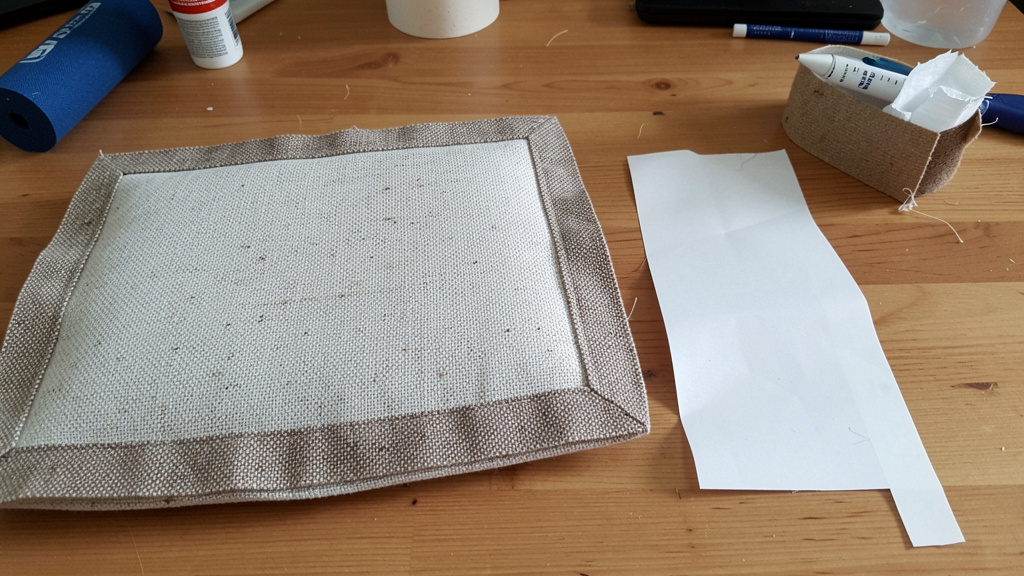
Transform plain cushions into personalized accents using accessible techniques with fabric glue, iron-on tape, strategic folds, and knots—no sewing machine or advanced skills required.
Creating custom cushion covers without a sewing machine is an achievable, deeply satisfying project that empowers anyone to refresh their living space with intention. This comprehensive guide walks through five distinct no-sew approaches, each with clear step-by-step instructions, material considerations, and practical adaptations. Whether revitalizing patio seating, personalizing a child’s room, or crafting a thoughtful gift, you’ll find a method aligned with your fabric choice, available tools, timeline, and intended use—proving that creativity thrives within constraints.
Introduction: Why No-Sew Cushion Covers Belong in Every Home Crafter’s Toolkit
Step into thoughtfully styled spaces across living rooms, sunrooms, or outdoor nooks, and you’ll often notice cushions that feel intentionally chosen—not mass-produced. These accents carry personality: a vintage floral repurposed from a thrifted tablecloth, a geometric print echoing wall art, or soft linen in a calming neutral that ties a room together. For generations, achieving this level of customization meant navigating sewing machines, tension adjustments, and uneven seams. Today, accessible materials and intuitive techniques place professional-looking results within reach of anyone with basic household items and focused time.
The growing interest in no-sew home projects reflects a broader cultural shift toward mindful creation and resourceful problem-solving. Across global crafting communities—from online forums to local workshops—cushion covers consistently emerge as highly rewarding entry points. They deliver visible impact with modest investment, support seasonal refreshes without contributing to waste, and build foundational textile-handling skills applicable to future projects. Observing shared project documentation reveals a consistent pattern: successful no-sew covers prioritize thoughtful fabric selection and precise measuring over complex construction. This guide distills those collective insights into a structured, friction-reducing framework designed to build confidence at every stage.
No-sew methods have evolved significantly beyond temporary fixes. Modern fabric adhesives create flexible, lasting bonds without stiffening textiles. Iron-on tapes form clean seams that mimic stitched finishes. Clever folding and knotting techniques leverage fabric physics for secure closures. These approaches honor textile integrity—preserving drape, texture, and breathability—while accommodating diverse needs: renters avoiding permanent alterations, crafters with time constraints, collaborative projects with children, or individuals seeking low-barrier creative expression. This isn’t about shortcuts; it’s about intentional making. A foundational insight emerges consistently: Thoughtful preparation—measuring accurately, selecting appropriate fabric, and testing techniques—sets the stage for successful assembly. Mastering these early steps significantly increases the likelihood of a satisfying outcome.
The Method Matrix: Your Decision Framework for Confident Results
Before unrolling fabric or gathering supplies, pause. Selecting the right method for your specific project context prevents frustration and conserves materials. Drawing from recurring themes in maker experiences—covers that gap at seams, closures that loosen prematurely, or finishes that feel unintentionally rough—we developed the Method Matrix. This flexible framework helps you evaluate priorities rather than follow a rigid flowchart. Consider each factor below, then match your highest priorities to the method summaries.
| Factor | Why It Matters | Guiding Questions |
|---|---|---|
| Durability Needs | Determines suitability for washing, daily use, pets, or outdoor exposure | Will this cushion face frequent handling? Require regular cleaning? Encounter moisture or sun? |
| Time Investment | Aligns technique with your available window | Do you need results within 30 minutes? Or can you invest time for refined details? |
| Tool Accessibility | Prevents project delays due to missing items | Do you have an iron? Sharp scissors? Specific adhesives? Can you access them easily? |
| Fabric Type | Some methods work better with specific textiles | Is your fabric cotton, linen, knit, velvet, faux leather, or burlap? |
| Reversibility | Important for seasonal changes, gifting, or temporary use | Do you need to remove or swap the cover easily? |
| Finish Preference | Defines “successful” for your context | Must seams be invisible? Is visible texture or handcrafted character welcome? |
Method Snapshot: Quick Reference Guide
-
Envelope Back (Classic & Reversible)
Ideal for: Quilting cotton, linen, medium-weight wovens; living room sofas; reversible designs; beginners
Durability: ★★★★☆ (High—no adhesives to degrade over time)
Time: 25–40 minutes
Tools: Fabric scissors, ruler, iron (recommended)
Why choose it: Creates a tailored appearance with hidden closure; fully reversible; machine-washable (gentle cycle); showcases two fabrics -
Fabric Glue Mastery (Seamless Finish)
Ideal for: Canvas, duck cloth, upholstery-weight cotton; structured cushions; precise pattern alignment
Durability: ★★★★☆ (High with appropriate adhesive and care)
Time: 35–50 minutes + curing time
Tools: High-tack fabric glue, binder clips, ruler, parchment paper
Why choose it: Forms flat, nearly invisible seams; excellent for geometric prints needing alignment; strong bond for moderate-use items -
Iron-On Hem Tape (Quick & Clean)
Ideal for: Cotton, rayon, polyester blends; lightweight to medium fabrics; temporary or seasonal covers
Durability: ★★★☆☆ (Moderate—requires gentle care)
Time: 20–35 minutes
Tools: Fusible hem tape, iron, pressing cloth, ruler
Why choose it: Fastest assembly; no drying time; clean edges; ideal for testing fabric ideas or quick refreshes -
Knot & Tuck Technique (Textured Style)
Ideal for: Fleece, felt, chunky knits, loosely woven textiles; floor cushions; children’s spaces; organic aesthetics
Durability: ★★☆☆☆ (Low-Moderate—decorative focus)
Time: 15–25 minutes
Tools: Fabric scissors, ruler (optional)
Why choose it: Requires only scissors; celebrates handmade texture; zero adhesives or heat; forgiving for uneven cuts -
No-Sew Zipper Insertion (Washable Precision)
Ideal for: High-use cushions (pet beds, children’s furniture); allergy-sensitive homes; frequent washing needs
Durability: ★★★★★ (Highest—zipper enables full cover removal)
Time: 45–70 minutes
Tools: Zipper (1–2″ shorter than cushion width), fabric glue or hem tape, clips, ruler
Why choose it: Combines no-sew assembly with machine-washable functionality; professional closure; ideal for heirloom or high-need items
The Guiding Principle: Let the fabric’s inherent qualities guide your method choice. Slippery satins benefit from secure adhesive bonds; chunky knits shine with expressive knots; crisp linens excel with clean folds. When uncertain, test your chosen technique on a small fabric scrap first—this simple step helps avoid common assembly challenges.
Method 1: The Envelope Back (Classic & Reversible)
The envelope back method remains a cornerstone of no-sew cushion covers for compelling reasons. It requires no adhesives, creates a tailored appearance difficult to distinguish from commercially made covers, and offers the unique advantage of reversibility—effectively providing two designs in one cover. This technique uses overlapping fabric panels secured by the cushion insert’s natural tension, making it exceptionally durable for indoor cushions subject to regular use. Its elegance lies in geometric simplicity: precise cutting and clean folding replace stitching.
Why This Method Excels for Everyday Use
Unlike adhesive-dependent approaches, the envelope back relies on fabric overlap and insert pressure. When a properly sized cushion insert is placed inside, the overlapping back panels press firmly against the insert’s edges, minimizing gaps or shifting. This makes it well-suited for living room sofas, reading nooks, or guest seating where cushions are frequently adjusted. With no glued seams to weaken over time, these covers typically withstand repeated gentle hand-washing (turn inside out, mild detergent, air dry). The reversible feature also extends fabric life—rotating sides reduces uneven sun exposure or wear patterns. Long-term user experiences suggest envelope-back covers often maintain integrity well because stress concentrates on the replaceable insert, not the cover seams.
Materials & Tools Checklist
- Fabric: 1–1.5 yards (depending on cushion size; see sizing guidance below). Recommended: quilting cotton, linen, canvas, medium-weight upholstery fabric. Less suitable: very slippery satins or heavy velvets—they may slide apart without additional securing.
- Cushion Insert: Standard sizes (18″x18″, 20″x20″, 24″x24″) or custom-measured. Helpful Tip: Inserts 1–2″ larger than cover dimensions create a plump, tailored fill (e.g., 20″x20″ insert for an 18″x18″ cover).
- Tools: Sharp fabric scissors, clear ruler or quilting square (24″ ideal), fabric marker or chalk pencil, iron and ironing board (highly recommended).
- Optional but Helpful: Rotary cutter and self-healing mat for straight cuts; light spray starch for crisper folds.
Step-by-Step Construction Guide
Step 1: Measure and Calculate Fabric Dimensions
Accuracy here prevents a baggy or tight cover. Lay your cushion insert flat. Measure width (W) and height (H). Since we’re not sewing, we incorporate “fold allowances” conceptually:
– Front Panel: Cut one piece = (W + 1″) x (H + 1″).
Example: For an 18″x18″ insert, front = 19″x19″.
– Back Panels (Two Pieces):
– Top Back Panel: (W + 1″) x [(H ÷ 2) + 2.5″]
Example: 19″ x [(18 ÷ 2) + 2.5] = 19″ x 11.5″
– Bottom Back Panel: (W + 1″) x [(H ÷ 2) + 4.5″]
Example: 19″ x [(18 ÷ 2) + 4.5] = 19″ x 13.5″
Why the difference? The extra length on the bottom panel creates the overlap forming the envelope closure. The 1″ added to width/height accommodates clean folded edges.
Step 2: Cut Fabric with Precision
Place fabric right side down on a flat, stable surface. Use weights (books, cans) to prevent shifting. Mark dimensions clearly with fabric chalk using the ruler. For straight cuts:
– Align ruler edge precisely with chalk lines.
– Hold scissors perpendicular to fabric—angling causes uneven edges.
– Cut in one smooth motion; avoid sawing back and forth.
– Verification Step: Stack all three cut pieces. Edges should align within ⅛”. Recut if misaligned. Precision here supports symmetry during assembly.
Step 3: Press Fold Lines (Key to Professional Results)
This step elevates the finish significantly. Set iron to fabric-appropriate heat (medium for cotton/linen; low for synthetics). Lightly apply spray starch to fold areas if desired for body.
– Front Panel: Press a ½” fold along all four edges toward the wrong side. Crease sharply.
– Top Back Panel: Press a ½” fold along the top edge only (the shorter edge forming the envelope opening).
– Bottom Back Panel: Press a ½” fold along the bottom edge only (the longer edge that slides under the top panel).
– Why press first? Pre-creasing guides assembly, reduces bulk when overlapping, and helps folds stay in place during insertion. Skipping this often leads to wavy edges.
Step 4: Assemble the Envelope Closure
Lay front panel right side up. Place bottom back panel right side down on top, aligning raw edges at the bottom. The pressed fold should face inward (toward the center). Place top back panel right side down overlapping the bottom panel by 3–4 inches at the top. Align raw edges at the top.
Visual Check: Three layers should be visible: front (right side up), bottom back (right side down), top back (right side down). The pressed folds create a channel for the cushion insertion.
Helpful Tip: Use binder clips (not pins) to hold layers at corners and midpoints. Clips prevent snags and allow easy adjustment.
Step 5: Insert Cushion and Finalize
Slide cushion insert through the envelope opening between the two back panels. Push firmly until fully seated. Smooth fabric taut across the front. Adjust back panels so overlap is even (about 3″ visible on the back). Remove clips.
Finishing Touch: Lightly press the entire cover with cushion inside on low heat (use a pressing cloth for delicate fabrics). This sets folds and minimizes handling wrinkles. For high-use cushions, a tiny dot of fabric glue (¼ pea-sized) at the very corner where back panels overlap may add security—but test invisibility on a scrap first.
Common Challenges and Practical Solutions
- Challenge: Back panels gap open, exposing cushion.
Solution: Increase overlap. Recalculate bottom panel height: [(H ÷ 2) + 5.5″] instead of +4.5″. Ensure cushion insert is 1–2″ larger than cover opening dimensions. - Challenge: Cover feels tight, distorting cushion shape.
Solution: Recut with slightly larger dimensions. Add 1.5″ instead of 1″ to width/height for thicker inserts (down-filled, high-loft foam). - Challenge: Fabric frays at edges after washing.
Solution: Before pressing folds, apply clear nail polish or fray check sparingly along raw edges of all panels. Let dry 10 minutes before pressing. Alternatively, use pinking shears for cutting. - Challenge: Asymmetrical appearance.
Solution: Measure twice before cutting. Use a quilting square to verify 90-degree corners. Meticulous pressing of folds is essential for symmetry.
Practical Application: Seasonal Swapping System
This method supports flexible home styling. Creating two envelope-back covers per cushion—one in a light linen for warmer months, one in a wool blend for cooler seasons—allows quick, tool-free swaps. Labeling the wrong side of each back panel with a small, discreet fabric marker dot (e.g., blue for cool season, red for warm) helps remember orientation. This approach minimizes storage needs while maximizing design adaptability—a practical example of how reversible construction supports intentional living.
Method 2: Fabric Glue Mastery (Seamless Finish)
When your project demands clean, nearly invisible seams—such as aligning a large-scale pattern precisely across corners or achieving a minimalist aesthetic—fabric glue application delivers refined results. This method bonds fabric edges permanently without stitching, yielding flat seams that lie smoothly against the cushion. While it requires patience during curing, the outcome resembles professionally manufactured covers, ideal for statement pieces where seam appearance matters.
Understanding Fabric Adhesives: Making an Informed Choice
Success hinges entirely on adhesive selection. Standard craft glue or hot glue often stiffens fabric, yellows over time, or fails under stress. Seek adhesives specifically formulated for textiles:
– High-Tack Permanent Fabric Glue (e.g., Beacon Fabri-Tac, Aleene’s Platinum): Recommended for most projects. Bonds firmly on contact, remains flexible after drying, withstands gentle washing, and works well on cotton, linen, canvas, felt, and light upholstery fabrics. Dries clear.
– Clear-Drying Fabric Fusion (e.g., Dritz Unique Stitch): Water-based, lower-odor option. Requires clamping for 30+ minutes. Best for lightweight fabrics (chiffon, rayon) where minimal stiffness is critical. Less durable for high-use items.
– Avoid: Hot glue (creates rigid ridges), school glue (washes out), super glue (brittle, damages fibers).
Essential Pre-Test: Apply a dime-sized amount to a fabric scrap. Let dry fully (24 hours). Check for:
✓ Discoloration (yellowing/staining)
✓ Stiffness (should bend easily)
✓ Bond strength (attempt gentle separation)
✓ Wash test (hand-wash scrap; does bond hold?)
If any test is unsatisfactory, select a different adhesive. This brief step prevents project disappointment.
Materials & Tools Checklist
- Fabric: 1.25 yards (allows margin for precise seam alignment). Recommended: Medium-weight woven fabrics (canvas, duck cloth, twill, upholstery cotton). Less suitable: Very slippery (satin, silk), very stretchy (jersey), or heavily textured (bouclé) fabrics—they challenge consistent adhesion.
- Adhesive: 2–4 oz bottle of high-tack fabric glue (amount scales with cushion size).
- Tools: Sharp fabric scissors, clear ruler, fabric marker, binder clips (10–15), parchment paper or wax paper, disposable gloves, toothpicks or cotton swabs, iron (for pre-pressing).
- Workspace Prep: Cover work surface with craft paper. Ensure good ventilation. Keep a damp cloth nearby for quick cleanup.
Step-by-Step Construction Guide
Step 1: Precision Cutting with Seam Allowance
Unlike the envelope method, pieces are cut to near-finished size plus a narrow glue seam allowance:
– Front Panel: (W + 0.5″) x (H + 0.5″)
Example: 18″x18″ cushion → 18.5″x18.5″
– Back Panel: Same as front: (W + 0.5″) x (H + 0.5″)
– Flap for Opening (Recommended): (W + 0.5″) x 6″
Why a flap? Creates a clean opening for inserting the cushion, preventing strain on glued seams. Important for longevity.
– Cutting Tip: Place fabric between two sheets of parchment paper before cutting. This stabilizes slippery fabrics and protects scissors.
Step 2: Pre-Press All Edges
Iron all pieces on the wrong side with appropriate heat. Press a ¼” fold along all edges of front and back panels toward the wrong side. For the flap, press ¼” folds on the two long edges only. This creates a channel for glue application and minimizes fraying. Light spray starch aids crisp folds. Do not skip pressing—glue adheres more reliably to pre-folded edges.
Step 3: Dry-Fit and Mark Seam Lines
Lay front panel right side up. Position back panel right side down on top, aligning three edges (left, right, bottom). The top edges should be offset by approximately 5″ to create the opening. Place flap right side down over the top opening, aligning its pressed edges with the back panel’s top edge. Clip layers together with binder clips at corners and every 3″.
Use fabric marker to draw a light line ⅛” from the folded edge along the three sides to be glued (left, right, bottom). This serves as your glue guide. Remove clips and separate pieces.
Step 4: Apply Glue with Precision
Put on gloves. Squeeze a thin, continuous bead of glue directly onto the wrong side of the folded edge, following your marked line. Key techniques:
– Bead Size: Aim for the thickness of a strand of spaghetti. Too much causes seepage; too little creates weak bonds.
– Tool Trick: Use a toothpick to spread glue into a smooth, even layer within the fold. Ensures full coverage without globs.
– Work in Sections: Glue one side (e.g., left edge), assemble immediately, then proceed to the next side. Glue sets quickly.
– Protect Surfaces: Place parchment paper under the edge being glued to catch drips.
Step 5: Assemble and Clamp
Starting with the bottom edge: Align front and back panels precisely. Press the glued edge firmly together for 60 seconds. Immediately secure with binder clips every 1.5″. Repeat for left and right edges. For the top opening: Glue the flap’s pressed edges to the back panel’s top edge, creating a clean pocket. Clip thoroughly.
Critical Step: Place the entire assembled cover (without cushion) between two sheets of parchment paper. Weight it down evenly with heavy books or a cutting mat. Let cure undisturbed for at least 4 hours (overnight is preferable). This ensures flat, wrinkle-free seams.
Step 6: Final Cure and Insertion
After initial cure, remove clips and parchment. Turn cover right side out. Insert cushion firmly through the flap opening. For optimal durability, let the cover cure with cushion inside for an additional period before regular use. This allows the adhesive to set under natural tension.
Addressing Glue Application Challenges
- Glue Seepage Through Fabric: Caused by over-application or thin fabric. Solution: Blot immediately with a dry cloth. For future projects: Apply glue only to the interior of the folded edge; use parchment barrier during clamping. Always pre-test.
- Weak Bond at Corners: Corners experience concentrated stress. Solution: After main seams cure, apply a tiny reinforcing dot of glue to the inside corner. Allow to dry fully before inserting cushion.
- Visible Glue Lines on Right Side: Solution: While glue is still tacky (within minutes), use a cotton swab dipped in cold water to gently lift excess (test water method on scrap first—some glues react poorly).
- Fabric Stiffness After Drying: Solution: Select a more flexible adhesive next time. For current project: Once fully cured (after 48 hours), gently flex the seam repeatedly to gradually soften the bond.
Pattern Alignment Insight
For fabrics with large repeats (damasks, botanical prints), glue application offers exceptional alignment control. Cut front and back panels with extra 2″ margins. Dry-fit panels right sides together over the cushion insert to visually align the pattern perfectly at seams. Mark alignment points with chalk. Disassemble, apply glue precisely at marks, and reassemble. The adjustable nature of glue application allows careful pattern matching—a detail valued in custom textile work where visual continuity matters.
Method 3: Iron-On Hem Tape (Quick & Clean)
When time is limited but visual refresh is needed, iron-on hem tape delivers impressive results efficiently. This method uses heat-activated adhesive tape to fuse fabric edges, creating clean, fray-resistant seams without liquid mess or extended drying times. It’s well-suited for last-minute hosting preparation, refreshing outdoor cushions before guests arrive, or testing a bold fabric concept before committing to a permanent technique. While not intended for heavy daily wear, its speed and simplicity make it valuable for seasonal decor, styled photography, or low-stress applications.
Understanding Hem Tape: Types and Considerations
Hem tape (fusible web or bonding tape) varies by width (¼”, ½”, 1″) and weight (light, medium, heavy). Selection affects performance:
– ¼” Lightweight Tape (e.g., Steam-a-Seam Lite): Best for delicate fabrics (chiffon, silk blends), temporary fixes, or narrow hems. Bonds quickly but has lower wash durability. Suitable for: Decorative accents, nursery cushions with infrequent handling.
– ½” Medium-Weight Tape (e.g., HeatnBond Lite): Recommended all-purpose option. Strong bond for cotton, linen, polyester blends. Withstands gentle hand-washing. Suitable for: Living room accent cushions, seasonal decor swaps.
– 1″ Heavy-Duty Tape (e.g., HeatnBond Ultrahold): For upholstery-weight fabrics, canvas, or projects needing maximum strength. Requires higher iron heat. Suitable for: Sturdy floor cushions, covered ottomans.
– Important Note: Hem tape bonds may weaken with repeated high-heat washing or dryer use. Always air-dry covers made with this method. Prolonged direct sunlight exposure may also degrade adhesive over time.
Materials & Tools Checklist
- Fabric: 1.25 yards. Recommended: Woven fabrics with tight weaves (cotton poplin, linen, canvas). Less suitable: Knits (stretch breaks bond), vinyl/faux leather (heat damage risk), heavily textured fabrics (uneven bonding).
- Hem Tape: 2–3 yards of ½” medium-weight tape (amount scales with cushion perimeter).
- Tools: Iron (with steam function OFF during bonding), ironing board, pressing cloth (thin cotton muslin or parchment paper), fabric scissors, ruler, fabric marker, clips.
- Safety Note: Work in a ventilated area. Iron fumes from melting adhesive can be irritating. Never leave iron unattended.
Step-by-Step Construction Guide
Step 1: Cut Fabric to Exact Finished Size
No seam allowances are needed—hem tape bonds folded edges directly.
– Front Panel: W x H (e.g., 18″x18″ for standard cushion)
– Back Panel: Same as front: W x H
– Flap Panel (for opening): W x 6″
Why exact size? Tape bonds the folded edge to itself, consuming no extra fabric width. Precision cutting is essential.
Step 2: Prepare Edges and Tape
- Press all fabric pieces on the wrong side to remove wrinkles.
- For each edge to be bonded (front/back side edges and bottom; flap long edges): Fold fabric wrong sides together along the edge, creating a ¼” double-fold hem. Press lightly to set crease. Do not press tape yet.
- Cut hem tape pieces slightly shorter than each edge length (prevents tape from peeking at corners). For an 18″ edge, cut tape to 17.5″.
Step 3: Position Tape and Dry-Press
- Slide hem tape between the folded layers of fabric, centered within the fold. Tape should not contact the outer fabric surface.
- Place pressing cloth over the folded edge. Set iron to medium heat, NO STEAM. Press firmly for 8–10 seconds per section, lifting iron completely between presses. Move slowly along the entire edge.
Why no steam? Moisture prevents proper adhesive activation and creates weak spots. - Bond Check: After cooling 30 seconds, gently tug the fold. It should hold firmly. If not, re-press with slightly higher heat (test on scrap first).
Step 4: Assemble the Cover
- Lay front panel right side up.
- Position back panel right side down on top, aligning three edges (left, right, bottom). Clip layers together.
- Position flap right side down over the top opening, aligning edges with back panel. Clip thoroughly.
- Starting with the bottom edge: Open the folded hem slightly. Insert hem tape into the fold where front and back layers meet. Cover with pressing cloth. Press firmly for 10 seconds per inch. Repeat for left and right edges. For the top: Bond flap edges to back panel edges.
- Corner Technique: At corners, stop pressing ½” before the edge. Fold the corner diagonally to create a crisp mitre, insert a small tape snippet, and press. Prevents bulky, weak corners.
Step 5: Final Press and Insert
- Turn cover right side out. Place pressing cloth over entire cover. Press lightly on medium heat to smooth handling wrinkles.
- Insert cushion firmly. Heat-bonded seams will relax slightly with the cushion’s shape, creating a custom fit.
- Curing Tip: Let cover rest with cushion inside for about an hour before regular use. This allows adhesive to fully set under gentle tension.
Enhancing Longevity: Practical Tips
- Reinforce Critical Seams: For cushions receiving moderate use, apply a second strip of tape ⅛” inside the first bonded seam on the wrong side. Creates redundant security.
- Strengthen Corners: Cut small ½” squares of hem tape. After assembling main seams, place one square diagonally across each interior corner (where two seams meet). Press through pressing cloth. Corners are stress points—this helps prevent separation.
- Wash Care Guidance: Turn cover inside out. Hand-wash in cold water with mild detergent. Gently squeeze (do not wring). Roll in a towel to remove moisture. Air-dry flat away from direct sun. Avoid machine-washing or drying. Following this care routine helps maintain bond integrity through multiple gentle washes.
- Reviving Loose Seams: If a seam loosens after washing, re-press with iron (medium heat, pressing cloth) for 15 seconds. The adhesive may reactivate. Test on an inconspicuous area first.
Practical Scenario: Efficient Refresh Strategy
This method supports quick visual transformations. Keeping pre-cut medium-weight fabric and hem tape on hand allows for rapid assembly when refreshing seating areas. Measuring an existing cushion, cutting fabric, applying tape, and assembling a cover can be completed efficiently. While such covers are ideal for temporary or seasonal use, they effectively visualize potential changes. For permanent outdoor applications, weather-resistant fabrics combined with adhesive methods better suit long-term exposure.
Method 4: The Knot & Tuck Technique (Textured Style)
Embrace texture, organic form, and joyful simplicity with the Knot & Tuck technique—a method transforming functional necessity into decorative expression. Rooted in global textile traditions that honor visible craftsmanship, this approach requires only fabric and scissors, making it profoundly accessible. It thrives with forgiving textiles like chunky knits, fleece, felt, or loosely woven fabrics where raw edges contribute to the aesthetic. Ideal for floor cushions, nursery poufs, yoga bolsters, or adding tactile warmth to minimalist spaces, this method celebrates the handmade without demanding precision.
The Value of Visible Craftsmanship
In contrast to mass-produced uniformity, the subtle variations in hand-tied knots and uneven fringe communicate authenticity and care. This approach aligns with design philosophies appreciating asymmetry and human touch. Knots aren’t concealing flaws; they are the intentional design feature. Observing its resonance in diverse interiors—from Scandinavian hygge spaces to coastal California homes—reveals its appeal: it adds organic softness that machine-made items often lack. Importantly, the technique accommodates minor fabric imperfections—small stains, slight pulls, or uneven weaves become character marks rather than project limitations. For crafters with dexterity considerations, children participating, or anyone seeking low-pressure creativity, the absence of fine motor demands (no tiny folds, precise glue lines) reduces frustration and invites broader participation.
Materials & Tools Checklist
- Fabric: 1.5–2 yards (allows for generous fringe). Recommended choices:
✓ Fleece: Zero fraying, soft texture, widely available
✓ Chunky Knit (e.g., sweater fabric): Adds cozy dimension
✓ Felt (wool blend preferred): Holds shape, rich colors
✓ Burlap/Hessian: Rustic texture; seal edges with Mod Podge to reduce shedding
✓ Fray-Check Treated Cotton: For controlled fringe effect
Less suitable: Slippery fabrics (satin), delicate silks (rips easily), stiff upholstery fabrics (difficult to knot). - Tools: Sharp fabric scissors (pinking shears optional for decorative edge), ruler or measuring tape, fabric marker.
- Optional Embellishments: Wooden beads, leather cord scraps, embroidery thread for accent knots.
Step-by-Step Construction Guide
Step 1: Cut Fabric with Generous Fringe Allowance
Unlike other methods, raw edges become intentional fringe. Calculate:
– Total Fabric Size: (W + 8″) x (H + 8″)
Example: For 18″x18″ cushion insert → cut 26″x26″ square.
Why +8″? 4″ fringe allowance on each side (top/bottom/left/right). Adjust based on desired fringe length: +6″ for shorter fringe (3″ per side), +10″ for longer fringe (5″ per side).
– Cutting Tip: Fold fabric in half twice to find center. Mark center point. Measure outward equally in all directions to ensure square. Cut slowly—initial cut quality affects fringe appearance.
Step 2: Create the Fringe
Along all four edges, cut ¼”-wide slits perpendicular to the edge, stopping 4″ from the fabric’s center (this 4″ uncut border forms the cushion body).
– Technique: Place ruler along edge. Make small snips every ¼”. Keep cuts straight and consistent depth.
– Variation: For textured fringe, vary slit width: ⅛” for delicate fringe (felt), ½” for chunky fringe (thick knit).
– Safety Note: Cut away from your body. Use sharp scissors—dull blades cause ragged tears.
Step 3: Position Cushion and Begin Tucking
Place cushion insert centered on fabric, on top of the uncut 4″ border area. Lift one side of fabric up and over the cushion. The fringe strips will hang down the sides.
– The Tuck: Take the two center fringe strips on the bottom edge. Cross them over the cushion’s bottom face, then tuck the ends under the cushion insert between fabric and foam. Pull gently to secure.
– Why tuck first? Creates an anchor point so fabric doesn’t shift during knotting.
Step 4: Knot the Fringe Systematically
Work around the cushion consistently (clockwise or counter-clockwise):
1. Take the next two adjacent fringe strips.
2. Tie a simple overhand knot (like starting to tie shoes) about 1″ from the fabric edge.
3. Pull knot snug against the cushion’s edge—but not so tight it distorts the fabric.
4. Continue around all four sides.
Knot Spacing Tip: For uniform appearance, knot every two strips consistently. For organic variation, adjust spacing slightly (e.g., knot two strips, skip one, knot three).
5. Corner Handling: At corners, tie the last strip from one side with the first strip from the next side. Creates seamless transition.
Step 5: Final Adjustments and Embellishment
- Flip cushion over. Ensure all tucked strips are secure underneath.
- Fluff fringe knots. Trim any excessively long ends for consistency (leave 1–2″ tails).
- Embellish (Optional):
→ Slide small wooden beads onto fringe strips before knotting.
→ Wrap leather cord around a cluster of knots.
→ Stitch contrasting embroidery thread through knots in a running pattern. - Finishing Touch: Gently steam (not iron!) the cover from 6″ away to relax fibers and enhance texture. Avoid direct heat on synthetic fabrics.
Addressing Texture and Security
- Challenge: Fringe unravels excessively during use.
Solution: Before cutting fringe, apply clear nail polish or fray check sparingly to the very tip of each strip. Let dry 5 minutes. Prevents runaway fraying while maintaining softness. - Challenge: Knots loosen after sitting.
Solution: Tie double knots. For high-use items (children’s floor cushions), add a tiny dot of fabric glue inside the knot before tightening. Test glue visibility first. - Challenge: Fabric slips on smooth cushion insert.
Solution: Lightly spray the wrong side of the central uncut area with temporary fabric adhesive (like 505 Spray). Let become tacky (30 seconds), then position cushion. Creates non-slip grip without permanence. - Challenge: Uneven fringe length distracts.
Solution: After knotting, hold cushion upright. Trim all fringe ends to same length with sharp scissors. Creates intentional, polished fringe.
Cultural Context and Contemporary Practice
This technique echoes textile traditions worldwide: the wrapped forms of Japanese furoshiki, Scandinavian knotted textiles, and Indigenous practices where raw edges and visible joins carry meaning. Modern crafters adapt these principles for mindful making—each knot becoming a moment of presence. In contemporary application, it serves as an accessible entry point to textile arts, emphasizing process over perfection and connecting makers to a broader legacy of handwork.
Method 5: No-Sew Zipper Insertion (Washable Precision)
For cushions requiring frequent cleaning—such as those in children’s spaces, pet areas, allergy-sensitive environments, or high-traffic zones—a zipper closure offers practical functionality. Traditionally requiring sewing expertise, this innovative no-sew approach combines iron-on tape or fabric glue with strategic reinforcement to install a functional zipper without stitching. The result is a cover that opens fully for easy insert removal, enabling thorough cleaning of the cover alone. This method represents thoughtful problem-solving: merging convenience with real-world necessity.
Zipper Selection: Critical Considerations
Choosing appropriately prevents frustration:
– Type: Invisible (Concealed) Zipper is often preferred. Teeth hide behind fabric tape, creating a smoother seam. Standard nylon coil zippers work but show teeth. Avoid metal zippers—they’re too rigid for fabric bonding.
– Length: Select a zipper 1–2 inches shorter than your cushion’s width. Example: For 18″ wide cushion, use 16″ zipper. Why? Shorter zippers reduce stress at ends and fit neatly within seam areas.
– Teeth Size: #3 or #5 coil (measured in millimeters). #3 suits light/medium fabrics; #5 for heavy canvas or upholstery. Check package labeling.
– Slider Quality: Test before purchasing. Slider should move smoothly without catching. Reliable sliders prevent jamming under tension.
– Helpful Tip: Purchase two zippers. Use one for practice on scrap fabric. Zippers are affordable insurance against project stress.
Materials & Tools Checklist
- Fabric: 1.5 yards (extra for precise zipper alignment). Recommended: Medium-weight woven fabrics (canvas, twill, duck cloth). Less suitable: Very stretchy or slippery fabrics—they challenge zipper stability.
- Zipper: 1 invisible or nylon coil zipper (1–2″ shorter than cushion width).
- Bonding Method (Choose One):
→ Iron-On Tape Method: ½” medium-weight hem tape (2x zipper length)
→ Fabric Glue Method: High-tack fabric glue (small bottle) + toothpicks - Tools: Iron (if using tape), pressing cloth, fabric scissors, ruler, fabric marker, binder clips (15+), seam ripper (for adjustments), masking tape.
- Critical Prep: Pre-wash fabric to prevent shrinkage after zipper installation. Iron thoroughly.
Step-by-Step Construction Guide (Iron-On Tape Method)
Step 1: Cut Fabric Panels Precisely
- Front Panel: (W + 1″) x (H + 1″)
Example: 18″x18″ cushion → 19″x19″ - Back Panels (Two Pieces):
- Top Back: (W + 1″) x [(H ÷ 2) + 1.5″] → 19″ x 10.5″
- Bottom Back: (W + 1″) x [(H ÷ 2) + 1.5″] → 19″ x 10.5″
Why equal back panels? Zipper replaces the envelope overlap, so both backs are identical height.
Step 2: Prepare Zipper and Fabric Edges
- Press a ½” fold along the top edge of both back panels toward the wrong side. Press sharply.
- Unzip the zipper completely. Place it face down on the ironing board. Cover teeth area with masking tape (prevents adhesive transfer to teeth).
- Cut two strips of hem tape: each = zipper length + 1″. Place one strip along the pressed fold of the Top Back panel (inside the fold). Place the second strip along the pressed fold of the Bottom Back panel.
Step 3: Bond Zipper to First Back Panel
- Position Top Back panel right side up. Place zipper right side down on top, aligning zipper teeth edge with the folded fabric edge. Ensure zipper pull is pointing downward (toward fabric). Clip securely every 2″.
- Place pressing cloth over zipper/fabric. Set iron to medium heat, NO STEAM. Press firmly for 10 seconds per inch, moving slowly. Lift iron completely between presses.
- Cool 60 seconds. Carefully unzip the zipper (it’s now bonded to one side!). Remove masking tape from teeth.
Step 4: Bond Zipper to Second Back Panel
- Position Bottom Back panel right side up. Place the free side of the zipper right side down on top, aligning teeth edge with folded fabric edge. Zipper pull should still point downward. Clip meticulously.
- Press through pressing cloth exactly as Step 3. Cool completely.
- Test Zip: Gently zip and unzip. Motion should be smooth. If stiff, re-press the stiff section for 5 extra seconds.
Step 5: Assemble Full Cover and Bond Side/Bottom Seams
- Lay Front panel right side up.
- Position assembled back panels right side down on top: Top Back at top, Bottom Back at bottom, zipper centered horizontally. Align raw edges at left, right, and bottom. Clip thoroughly.
- Bond left, right, and bottom seams using your chosen method (hem tape recommended for consistency). Follow Method 3 steps for seam bonding. Crucially: Stop bonding side seams 1″ before the zipper ends to avoid restricting zipper motion.
- Turn cover right side out through the zipper opening. Insert cushion. Zip closed.
Fabric Glue Variation for Heat-Sensitive Fabrics
If ironing risks damaging fabric (velvet, silk blends):
1. Skip pressing folds. Instead, mark a line ½” from the edge on wrong side of back panels.
2. Apply a thin glue line along marked line using a toothpick.
3. Position zipper teeth edge precisely on glue line. Clip immediately.
4. Place parchment paper over zipper. Weight down with books for 4 hours.
5. Proceed with side/bottom seams using glue method (Method 2). Allow full cure time before zipping/unzipping.
Reinforcement Strategies for Durability
- Zipper End Anchors: Cut two 1″ squares of hem tape or apply tiny glue dots at the very top and bottom ends of the zipper tape (not on teeth!). Bond to fabric. Helps prevent zipper pull from tearing fabric at stress points.
- Stress Seam Support: After assembling cover, cut two 3″ strips of hem tape. Bond vertically along the fabric next to the zipper tape on the wrong side, covering the top and bottom 1.5″ of the zipper. Creates reinforcement in high-stress zones.
- Slider Guidance: When zipping, stop approximately ½” before the very end. Forcing the slider to the absolute tip strains the bond. Gentle handling extends functionality.
- Wash Protocol: Always zip closed before washing. Turn cover inside out. Machine wash cold on gentle cycle. Air dry. This protects zipper teeth and bonding.
Practical Impact: Supporting Daily Needs
This method has proven valuable in situations requiring frequent cover changes, such as in homes with young children or therapeutic settings. Easily removable, washable covers reduce daily maintenance stress and support hygiene needs. Users report that the ability to quickly refresh cushion covers contributes meaningfully to household management and comfort—demonstrating how thoughtful craft solutions address real-life challenges.
Choosing the Right Fabric: Your Foundation for Success
Fabric selection fundamentally influences your project’s outcome. An ideal technique applied to unsuitable fabric may disappoint; a modest technique with well-chosen fabric often delights. This section moves beyond generic advice to provide nuanced guidance based on fiber content, weave, weight, and observed performance. Insights are synthesized from textile resources, maker experiences, and material testing to help prevent common pitfalls.
Understanding Fabric Weight: Beyond “Light” and “Heavy”
Weight is measured in ounces per square yard (oz/yd²) or grams per square meter (gsm). Recognizing these ranges aids suitability assessment:
– Lightweight (2–5 oz / 60–150 gsm): Chiffon, voile, lightweight cotton, silk.
No-Sew Guidance: ❌ Generally avoid for full covers. Too fragile for adhesive or knot stress. ✅ Exception: Use as a decorative overlay on a sturdy base cover (secure with minimal glue dots at corners only).
– Medium-Weight (5–8 oz / 150–250 gsm): Quilting cotton, linen, canvas, twill, upholstery cotton.
No-Sew Guidance: ✅ IDEAL. The sweet spot for all five methods. Holds folds well, accepts adhesives reliably, durable yet pliable. Most beginner projects succeed here.
– Heavyweight (8–12+ oz / 250–400+ gsm): Duck cloth, denim, heavy canvas, upholstery velvet.
No-Sew Guidance: ⚠️ Use with awareness. Requires heavy-duty adhesives/tape. Best suited for glue or zipper methods. Avoid knots (too stiff to tie comfortably). Pre-washing may soften slightly.
Practical Assessment: No scale available? Try the “Drape Test”: Hold fabric by one corner.
→ Falls in soft folds = lightweight
→ Holds shape but bends easily = medium-weight (ideal)
→ Stands stiffly = heavyweight (proceed with caution)
Fiber Content Guide: Performance Considerations
| Fiber Type | Advantages for No-Sew | Considerations & Mitigation | Recommended Methods |
|---|---|---|---|
| 100% Cotton | Breathable, easy to press, accepts glue/tape well, affordable | May shrink if not pre-washed; moderate fraying | Envelope, Glue, Hem Tape |
| Linen | Luxurious drape, ages beautifully, eco-friendly | Wrinkles easily; higher cost; frays noticeably | Envelope (press folds well), Glue (reinforce corners) |
| Polyester Blends | Wrinkle-resistant, colorfast, affordable, low-fray | Can feel synthetic; static-prone; heat-sensitive | Hem Tape (low iron heat), Glue (pre-test) |
| Canvas/Duck Cloth | Extremely durable, minimal fray, structured look | Stiff initially; heavy; challenging to knot | Glue, Zipper Method |
| Fleece | Zero fray, soft, warm, forgiving cuts | Stretches; may pill over time; hard to press folds | Knot & Tuck (excellent match) |
| Velvet (Polyester) | Rich texture, hides seams well | Crushes easily; directional pile (cut all pieces in same direction!) | Glue (gentle pressure), Zipper (reinforce heavily) |
| Burlap/Jute | Rustic texture, very affordable | Sheds fibers; rough texture; frays excessively | Knot & Tuck (seal edges with Mod Podge first) |
Essential Pre-Treatment Protocol
Skipping pre-treatment contributes significantly to project challenges. Follow this sequence:
1. Pre-Wash: Wash fabric in cold water with mild detergent. Why? Removes chemical finishes that may repel adhesives; prevents shrinkage after cover assembly. Air dry or tumble dry low.
2. Press: Iron thoroughly on appropriate setting. Why? Eliminates wrinkles that distort cutting; prepares fibers for precise folding.
3. Fray Management (If Needed): For cotton/linen with moderate fray:
→ Light application of fray check along raw cut edges only (not entire piece)
→ OR use pinking shears for cutting
→ OR apply clear nail polish sparingly to edge tips (let dry 10 min before pressing)
Avoid over-application: Excessive fray check stiffens fabric unnaturally.
Sourcing Thoughtfully: Quality Without Excess Cost
- Thrift Stores: Seek 100% cotton bedsheets (flat sheets = large cuts), linen tablecloths, or wool blankets. Check for stains/damage. Wash immediately. Tip: “Hotel quality” sheets often offer durable medium-weight cotton.
- Fabric Retailers: Use coupons; buy remnants (pieces under 1 yard often discounted significantly). Remnants frequently suffice for standard cushion sizes.
- Online Options:
→ Spoonflower: Custom-print designs on cotton, linen, or canvas. Ideal for personalized gifts.
→ Major fabric sites: Filter by “upholstery weight” or “quilting cotton.” Read reviews mentioning “no-sew” suitability.
→ Etsy: Search “deadstock fabric” (unused vintage rolls) for unique textures. Message sellers about weight/weave. - Repurposing Ideas:
→ Felted wool sweaters (wash first) → Knot & Tuck
→ Vintage scarves (silk) → Overlay on base cover
→ Canvas drop cloths → Heavy-duty covers (paint with fabric paint first)
Example: Thoughtful Sourcing in Practice
A maker documented transforming a faded cotton tablecloth from a thrift store ($2.50) into a cushion cover. After pre-washing (noting slight color release—highlighting the value of testing), two 20″x20″ squares were cut for an envelope cover. The medium weight proved ideal. Pressed folds elevated the vintage print to intentional design. Total cost remained minimal compared to new fabric, while the fabric’s history added narrative depth to the finished piece—illustrating how mindful sourcing enhances both economics and emotional connection.
Tools & Materials Deep Dive: Curated for Confidence
While no-sew projects minimize tool requirements, having the right tools transforms the experience. This section details why specific tools matter, budget-conscious alternatives, and maintenance practices often overlooked. Consider this your curated toolkit—thoughtful investment here supports success across current and future projects.
Scissors: Precision Matters
Fabric scissors must cut cleanly in one motion. Dull or multi-purpose scissors crush fibers, causing fraying and inaccurate cuts.
– Recommended: 8″–10″ dressmaker shears with bent handle (keeps fabric flat while cutting). Brands: Fiskars, Gingher, Kai. Investment: $25–$60.
Why bent handle? Allows hand to stay above fabric, preventing drag and uneven cuts.
– Budget Alternative: Fiskars 8″ RazorEdge fabric scissors ($15). Sharper than standard models; adequate for occasional use.
– Critical Rule: Fabric scissors cut ONLY fabric. Never paper, thread, or plastic. Use a brightly colored handle wrap (electrical tape) as a visual reminder.
– Maintenance: Wipe blades with rubbing alcohol after use to remove residue. Store in protective sleeve. Sharpen annually with a scissor sharpener ($10) or professional service.
Measuring Tools: Accuracy Without Strain
- Quilting Square (12″x12″ or 24″x24″): Essential for perfect 90-degree corners. Frosted acrylic with grid lines allows visibility. Why better than tape measure? Eliminates parallax error; ensures straight cuts. Budget option: $8 at craft stores.
- Flexible Sewing Tape Measure: For measuring cushion inserts. Must have secure metal end tab to prevent stretching. Replace if tab is loose.
- Practical Hack: No quilting square? Use a hardcover book with verified right angles (test by folding paper corner against book edge). Functional in a pinch, though less precise.
Iron and Pressing Tools: The Unseen Advantage
Pressing isn’t optional—it’s integral to construction. Crisp folds bond better, look professional, and guide assembly.
– Iron Requirements: Minimum 1,200 watts; variable steam control; non-stick soleplate. Critical: Steam must turn OFF completely for hem tape/glue steps.
– Pressing Cloth: Thin cotton muslin or parchment paper. Never press adhesive directly on iron. Parchment is inexpensive, disposable, and heat-resistant. Keep a roll accessible.
– Tailor’s Ham: Shaped pressing cushion for curved edges (not needed for square cushions, but useful later). Budget alternative: Roll a thick towel tightly and secure with rubber band.
– Spray Starch: Light application creates “memory” in folds. Use sparingly—excess may attract dirt over time. Test on scrap first for discoloration.
Adhesive Application Aids: Control and Cleanliness
- Toothpicks: For spreading glue into thin, even layers within folds. Discard after use.
- Cotton Swabs: For cleaning minor glue seepage while still wet. Dip in cold water first.
- Binder Clips (Small/Medium): Superior to pins. Won’t snag fabric, hold multiple layers firmly, and allow repositioning. Keep a mixed pack (20+ clips) handy. Tip: Clip to edge of ironing board for easy access.
- Disposable Gloves (Nitrile): Prevent glue on skin and keep fabric clean. Store a box in your craft space.
Workspace Optimization Checklist
✓ Lighting: Natural light or LED task lamp (5000K color temperature mimics daylight for true color assessment)
✓ Surface: Large, flat table (dining table covered with craft paper). Avoid carpeted floors—hard to cut straight.
✓ Organization: Small containers for clips, scissors, markers. Prevents frantic searching.
✓ Ventilation: Open window or fan when using adhesives. Prioritize safety.
✓ Ambiance: Music or podcast makes repetitive tasks (cutting fringe, clipping seams) enjoyable. Set a timer to avoid fatigue.
Tool Longevity: Simple Care Habits
- Clean Iron Soleplate: After adhesive projects, wipe soleplate with damp cloth while warm (not hot). For residue, use iron cleaner paste ($5) following instructions. Never use abrasive pads.
- Scissor Storage: Hang by hole in handle or store blade-down in dedicated pouch. Prevents dulling from contact.
- Adhesive Storage: Store glue bottles upside down. Prevents air from drying the tip. For hem tape, keep in original packaging inside a ziplock bag to block humidity.
- Pre-Project Check: Before starting, verify tool readiness: sharp scissors? clean iron? fresh glue? This brief habit prevents mid-project interruptions.
Troubleshooting Common Challenges: Practical Solutions
Even careful crafters encounter hurdles. This section addresses frequently reported challenges with actionable fixes and preventative strategies—your calm, solution-focused reference.
Challenge: Fabric Glue Seeped Through to Right Side
Why it happens: Over-application, thin fabric, or pressing too firmly during clamping.
Immediate Response:
→ If still wet: Blot gently with dry paper towel. Use cotton swab dipped in cold water to lift residue (test on scrap first—some glues react poorly to water).
→ If dry: Carefully scrape with fingernail. For stubborn spots, place paper towel over area, apply warm (not hot) iron for 10 seconds—the heat may transfer adhesive to paper. Test on inconspicuous area first.
Prevention Next Time:
→ Apply glue only to the folded edge’s interior, not the entire fold.
→ Use toothpick to spread glue thinly.
→ Place parchment paper between fabric layers during clamping.
→ Always pre-test glue on fabric scrap.
Challenge: Hem Tape Bond Weakened After Washing
Why it happens: Steam used during ironing, insufficient pressing time, or high-heat washing.
Recovery Steps:
1. Air-dry cover completely.
2. Re-press failed seam with iron on medium heat (NO STEAM), pressing cloth, for 15 seconds per inch.
3. Weight seam under books for 1 hour.
4. If bond remains weak, carefully separate seam. Clean residue with rubbing alcohol on cotton swab. Reapply fresh hem tape and re-press.
Prevention Protocol:
→ Iron setting: Medium heat, steam OFF. Verify with scrap test.
→ Press time: Minimum 10 seconds per inch with firm pressure.
→ Wash care: Hand-wash cold, air-dry. Avoid machine drying.
→ For higher-use items: Double-bond seams (second tape strip inside first).
Challenge: Envelope Back Panels Gap Open
Why it happens: Insufficient overlap, cushion insert too small, or fabric too slippery.
Quick Adjustment:
→ Remove cushion. Increase overlap by repositioning bottom panel 1″ lower. Re-clip.
→ Insert a slightly larger cushion (e.g., swap 18″x18″ insert for 20″x20″).
→ For slippery fabrics: Apply two tiny dots of fabric glue (pea-sized) at the very corners where back panels overlap. Let dry 1 hour before reinserting cushion.
Prevention Strategy:
→ Calculate overlap generously: Bottom panel height = [(H ÷ 2) + 5.5″] instead of +4.5″.
→ Use cushion insert 1–2″ larger than cover dimensions.
→ Choose medium-weight woven fabrics (cotton, linen) over satin or silk when possible.
Challenge: Knots on Fringe Cushion Loosen
Why it happens: Knots tied too loosely, fabric too slippery, or frequent handling.
Strengthening Solutions:
→ Re-tie knots as double overhand knots (wrap strand twice before pulling tight).
→ Apply a micro-dot of fabric glue inside the knot before tightening. Use toothpick for precision. Let dry 30 minutes.
→ For fleece/felt: Knots rarely loosen—consider these fabrics for future fringe projects.
→ Add wooden beads: Slide bead onto fringe strip before knotting. Knot secures bead, bead adds weight to keep fringe tidy.
Helpful Tip: When involving children: “Pull the knot until it feels snug against the cushion, like a gentle hug—not a tight squeeze.”
Challenge: Zipper Teeth Caught Fabric During Bonding
Why it happens: Masking tape not used to cover teeth, or pressing too close to teeth.
Careful Correction:
1. Unplug iron. Let cool completely.
2. Use seam ripper gently to separate fabric from teeth. Work from the side, not pulling upward.
3. Clean adhesive residue from teeth with cotton swab dipped in rubbing alcohol.
4. Re-position zipper. Cover teeth thoroughly with masking tape before re-pressing.
Prevention Checklist:
→ Always cover zipper teeth with masking tape before bonding.
→ Press only on the fabric tape portion of the zipper, away from teeth.
→ Invisible zippers offer wider tape area, providing more bonding space away from teeth.
Challenge: Cover Appears Baggy or Wrinkled After Insertion
Why it happens: Fabric cut too large, insufficient pressing of folds, or cushion insert too small.
Tailoring Adjustments:
→ For envelope/glue/tape methods: Remove cushion. Mark new seam line ½” inward from current edge. Re-bond or re-fold along new line.
→ For knot method: Untie fringe. Reposition cushion higher on fabric. Retie knots closer to cushion edge.
→ Steam cover with cushion inside from 6″ away. Heat relaxes fibers into shape. Avoid direct iron contact.
Prevention Formula:
→ Measure insert carefully. Add only 1″ total to dimensions (not per side).
→ Press all folds sharply before assembly.
→ Use insert 1–2″ larger than cover for plump fit.
Knowing When to Restart: A Constructive Perspective
Not every project is salvageable—and that’s part of the creative process. Consider restarting if:
⚠️ Fabric is torn beyond repair during cutting
⚠️ Adhesive stained a visible area permanently
⚠️ Multiple seam failures indicate a fundamental miscalculation
Restart Approach:
1. Repurpose failed cover as cleaning rags (minimize waste).
2. Reflect on root cause: Measurement error? Wrong fabric? Rushed steps?
3. Cut new fabric applying lessons learned.
4. Keep the sample as a “learning reference”—note observations for future projects.
Remember: Experienced makers encounter restarts. It’s not failure; it’s valuable data gathering.
Your Questions, Answered
Q: Can I wash no-sew cushion covers? Which methods hold up best?
A: Yes—with method-appropriate care. Envelope Back covers (no adhesives) typically withstand gentle machine washing best. Glue and Hem Tape covers require hand-washing in cold water and air-drying; avoid wringing. Knot & Tuck covers (fleece/felt) can be spot-cleaned or hand-washed gently. Zipper Method covers should be zipped closed, turned inside out, and machine-washed on cold gentle cycle. Always refer to your adhesive/fabric pre-tests. When uncertain, spot-clean with a damp cloth and mild soap.
Q: My fabric is slippery (satin, polyester blend). Which no-sew method works best?
A: Slippery fabrics present challenges for most no-sew techniques. For better results:
→ Use Fabric Glue Method with high-tack adhesive (Beacon Fabri-Tac). Pre-test bond strength thoroughly.
→ Reinforce all seams with a second glue line ⅛” inside the first.
→ Add non-slip backing: Cut shelf liner to cushion size, bond to cover’s wrong side center with minimal glue dots. Prevents sliding on furniture.
→ Envelope Back and Knot Method are generally less reliable with slippery fabrics.
Q: How do I calculate fabric yardage for non-standard cushion sizes?
A: Use this adaptable formula:
Total Fabric Width Needed = Cushion Width + 2"
Total Fabric Height Needed = (Cushion Height x 2) + 6"
Example: For a 24″x16″ lumbar cushion:
Width = 24″ + 2″ = 26″
Height = (16″ x 2) + 6″ = 38″
→ You need a fabric piece at least 26″ wide x 38″ tall.
Standard fabric width is 44–45″ (quilting cotton) or 54–60″ (upholstery). For 45″-wide fabric: 38″ height = 1.06 yards → round up to 1.25 yards. Always purchase 10–15% extra for adjustments.
Q: Are no-sew covers durable enough for outdoor use?
A: Only with weather-appropriate materials and methods. Standard cotton/linen will mildew. Instead:
→ Fabric: Use solution-dyed acrylics like Sunbrella, Outdura, or marine vinyl.
→ Method: Fabric Glue Method with outdoor-rated adhesive (Beacon 527).
→ Critical: Seal all raw edges with fray check or a thin bead of clear silicone caulk.
→ Storage: Bring cushions indoors during rain or overnight. No cover is truly “weatherproof” long-term without professional treatment.
Q: Can I use felt for no-sew cushion covers? How does it hold up?
A: Yes! Felt (especially wool blend) works very well for the Knot & Tuck method—zero fraying, easy cutting, soft texture. For other methods:
→ Envelope Back: Works well; felt holds folds without pressing.
→ Glue/Hem Tape: Bonds strongly, but felt’s texture may show adhesive lines. Pre-test.
→ Durability: Felt withstands light use (decorative pillows, children’s rooms) but may pill with heavy abrasion. Avoid high-traffic seating. Hand-wash gently; reshape while damp.
Q: My cushion insert is oddly shaped (round, bolster, kidney). Can I adapt these methods?
A: Absolutely. Core principles transfer:
→ Round Cushions: Cut two circles (front/back) + a rectangle for the side “band.” Use Glue or Hem Tape to attach band to front/back circles. For closure, make back panel two half-circles overlapping at center.
→ Bolsters (Cylinders): Cut one long rectangle (length = cushion length; width = circumference + 1″). Overlap ends 3″ and bond with Glue/Hem Tape for closure.
→ Kidney/Oval: Trace insert onto paper to create template. Cut two fabric pieces using template. Bond three sides with Glue/Hem Tape; leave one curved edge open with envelope overlap or zipper.
Key: Create a paper template first. Test assembly with scrap fabric.
Q: How do I prevent fabric from shifting while applying glue or tape?
A: Stability supports clean bonds. Try these:
→ Use binder clips every 2″ along edges before applying adhesive.
→ Place non-slip shelf liner under fabric on work surface.
→ For large pieces: Temporarily secure fabric corners to table with removable painter’s tape (test on scrap first for residue).
→ Work in sections: Apply adhesive to one 6″ segment, bond immediately, then move to next segment.
→ Enlist assistance to hold fabric taut during critical bonding steps.
Q: Are there eco-friendly adhesive options for sensitive households?
A: Yes. Consider:
→ Aleene’s OK To Wash It: Water-based, low-VOC, non-toxic when dry. Best for light-duty bonds (envelope reinforcement, felt projects).
→ Beacon Fabri-Tac (Original): While solvent-based, it’s GREENGUARD Gold certified for low chemical emissions. Stronger bond for heavier use.
→ DIY Cornstarch Paste: Mix 1 part cornstarch + 2 parts cold water. Boil 1 cup water, whisk in mixture, simmer 1 minute until thick. Cool. Limitation: Not washable; use only for decorative, non-handled items.
Always prioritize pre-testing and ventilation regardless of adhesive choice.
Q: My cover looks great but feels stiff. How do I soften it?
A: Stiffness often stems from adhesive application or pressing. Solutions:
→ Gently flex all seams repeatedly for 2–3 minutes.
→ Tumble dry cover with cushion inside on “air fluff” (no heat) for 10 minutes with a clean tennis ball.
→ For glue methods: Wait 48 hours after curing—flexibility often improves as adhesive fully sets.
→ Prevention: Use minimal adhesive; choose flexible formulas; avoid excessive pressing heat.
Q: Can I combine methods? For example, envelope back with a glued flap?
A: Strategically, yes—and this enables customized solutions. Examples:
→ Envelope Back + Glued Flap: Glue a small fabric flap over the envelope opening’s center for extra security on high-use cushions.
→ Knot Method + Hem Tape: Use hem tape to secure the central tucked area before knotting fringe, preventing slippage on smooth inserts.
→ Zipper Method + Glued Corners: After installing zipper, reinforce interior corners with tiny glue dots for heavy inserts.
Guideline: Combine only if each method addresses a distinct need. Test the combined technique on scrap fabric first.
Conclusion and Next Step
You now have a comprehensive framework for creating beautiful, functional cushion covers without a sewing machine—a skill that transforms both your surroundings and your creative confidence. We’ve moved beyond isolated techniques into an integrated system where method selection aligns with fabric properties, tool access, and real-world use. The five approaches detailed here—Envelope Back, Fabric Glue Mastery, Iron-On Hem Tape, Knot & Tuck, and No-Sew Zipper Insertion—are interconnected tools. Mastery develops not from memorizing steps, but from understanding why choices matter: how precise measuring prevents frustration, why pre-washing fabric supports longevity, or how honoring a textile’s nature leads to satisfying results.
Recap: Three Foundations for Success
- Preparation Sets the Stage: Significant project success is determined before assembly begins. Measure carefully, pre-wash fabric, press folds deliberately, and pre-test adhesives. Rushing preparation often leads to rework.
- Fabric Guides the Method: Let the textile’s qualities inform your approach. Allow a chunky knit to inspire knots; choose glue for precise pattern alignment on linen; select hem tape for efficient seasonal updates on cotton. Working with—not against—a fabric’s nature reduces frustration.
- Embrace Intentional Craftsmanship: The Knot & Tuck method reminds us that visible handwork carries meaning. A slightly uneven fringe or hand-tied knot tells a story of care that machine perfection cannot replicate. Welcome the human element in your making.
The 24-Hour Rule: Your Simple Starting Point
Within the next 24 hours, complete this single step:
🔍 Measure one cushion in your home and write down its exact dimensions (width x height).
Place this note where you’ll see it tomorrow—a sticky on your fridge, a reminder on your phone. This small action bridges inspiration and action. Tomorrow, you’ll already be closer to your first cover. No fabric purchase needed yet. Just clarity. This rule works because it removes the overwhelming “where do I start?” barrier. Momentum begins with measurement.
The Broader Perspective: Beyond the Cushion
This project is a gateway. The spatial reasoning developed while calculating fabric dimensions applies to curtain-making or table runners. Adhesive knowledge transfers to repairing upholstery tears or customizing bags. The confidence gained from creating something beautiful with your hands reshapes self-perception—from “I can’t sew” to “I solve problems creatively.” In a culture of disposable decor, choosing to make, mend, and personalize is a meaningful act. Each cover you create reduces textile waste, supports mindful consumption, and infuses your space with intention. You’re not just covering a cushion; you’re cultivating resourcefulness and care that extends into many areas of life.
Explore Our Complete System:
No-Sew Upholstery Repair Guide | Thrifted Fabric Sourcing Masterclass | Seasonal Home Refresh Calendar | DIY Fabric Dyeing for Beginners | Pet Bed Customization Projects | Sustainable Craft Toolkit Checklist | Textile Care & Longevity Handbook