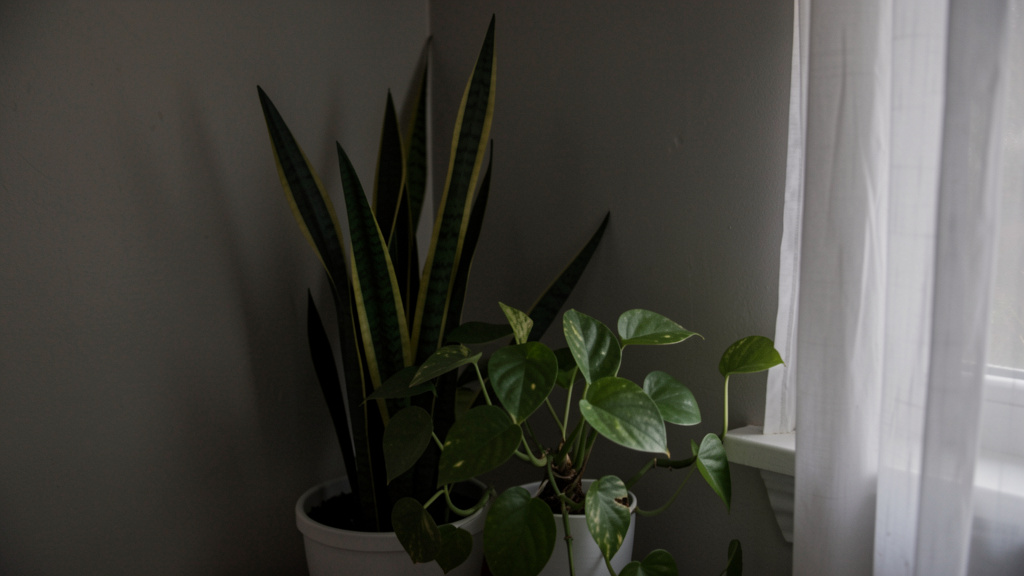
Stop the cycle of disappointment. Discover which plants genuinely adapt to true low-light conditions—and the precise, adaptable care routines that support resilient, vibrant growth in challenging spaces.
You’ve stood in that dim apartment corner, hopeful yet skeptical, placing another “low-light” plant only to watch it slowly fade. Yellowing leaves. Leggy stems stretching toward distant light. The quiet frustration of repeated setbacks. This isn’t your fault. The term “low light” is widely misapplied in retail settings, creating unrealistic expectations. True low-light adaptation isn’t about finding a mythical indestructible species—it’s about aligning botanical principles with your specific environment. Research from university extension services and documented horticultural patterns consistently shows that success hinges on understanding light quality, plant physiology, and responsive care—not guesswork. This guide replaces confusion with clarity, offering a practical framework to match resilient plants with your space and care capacity.
Introduction: Beyond the “Low-Light” Label
Walk into any garden center, and you’ll see tags promising “Thrives in Low Light!” on diverse species. Yet many exhibit stress signals within weeks: sparse foliage, halted growth, or gradual decline. Why does this disconnect persist? In botanical science, “low light” refers to reduced photosynthetically active radiation (PAR)—a measurable spectrum of light energy plants convert to fuel. In commercial contexts, it often simply means “doesn’t require direct southern sun.” This gap between technical definition and marketing language creates predictable challenges for plant caregivers.
Consider common real-world scenarios: north-facing apartments in dense urban settings, basement offices under fluorescent lighting, hallways distant from windows, or rooms where sheer curtains significantly filter available light. These aren’t merely “challenging” conditions—they represent biologically restrictive environments requiring specific plant adaptations. Species that succeed here often possess traits refined in forest understories or shaded habitats: thicker leaves for efficient light capture, slower metabolic rates to conserve energy, specialized chlorophyll variants, or energy-storing rhizomes.
This guide operates on a foundational principle supported across horticultural resources: There is no such thing as a “no-light” plant. Every photosynthetic organism requires some usable light energy. Our purpose is to identify plants with the lowest viable light thresholds and equip you with a flexible framework to meet those thresholds within your unique space. We move beyond superficial lists to provide a diagnostic approach—teaching you to assess your environment, select thoughtfully, and implement care adjustments that address common friction points. This isn’t about lowering expectations; it’s about aligning actions with biological reality for sustainable, rewarding results.
The Low-Light Survival Framework: Three Pillars for Confident Care
Generic advice rarely solves dim-space challenges. True resilience rests on three interconnected pillars. Master these, and you shift from uncertainty to informed decision-making. This framework synthesizes established horticultural principles and observed adaptation patterns to address root causes—not just symptoms.
Pillar 1: Decoding Your Home’s True Light Conditions (Beyond “Bright” or “Dark”)
Labeling a spot “low light” lacks critical nuance. Light quality shifts with window direction, season, obstructions, and time of day. Precision here prevents many common issues.
The Shadow Test: Your Accessible Light Assessment
Stand in your intended plant location around midday (adjust for your time zone). Hold your hand 12 inches above a light-colored surface. Observe the shadow:
– Sharp, well-defined edges: Bright indirect light (suitable for many adaptable species).
– Soft edges, visible hand shape: Medium indirect light (ideal starting zone for true low-light specialists).
– Faint, blurry shadow with minimal detail: Low light (viable only for highly adapted species covered later).
– No discernible shadow: Very low light (extreme challenge; typically requires supplemental lighting).
Why this works: This simple method assesses light diffusion and relative intensity, offering practical insight into usable light energy without specialized tools. A sharp shadow indicates concentrated photons; a faint shadow reveals heavily scattered, minimal energy.
Directional Context (Northern Hemisphere Reference):
– North-facing windows: Deliver consistent, cool, indirect light year-round. True low-light territory. Well-suited for Snake Plants, ZZ Plants.
– East-facing windows: Gentle morning light transitioning to bright indirect. Excellent for species needing modest energy. Ideal for Pothos, Peace Lilies.
– West-facing windows: Intense afternoon light. Generally too strong for true low-light species unless filtered or placed well back from the window.
– South-facing windows: Maximum intensity. Only suitable for low-light plants if positioned deep in the room or behind diffusing curtains.
Southern Hemisphere Note: Light dynamics reverse; south-facing windows provide the gentlest consistent light.
Distance and Obstruction Awareness:
Light diminishes significantly with distance from the source:
– Within 3 feet of a window: Generally sufficient usable light (even north-facing)
– 4–8 feet: Moderate reduction; viable for adapted low-light species
– Beyond 8 feet or no direct window access: Severely limited natural light; requires careful species selection or supplemental lighting
Also consider: streetlights, neighboring structures, seasonal foliage outside, interior walls, and furniture placement. Reassess light conditions seasonally—especially after daylight saving time shifts or when outdoor trees leaf out or shed.
Artificial Light Considerations:
Standard household LEDs (2700K–3000K) provide minimal usable PAR for plants. Office fluorescents (4100K) offer slightly more but are often inconsistent. For spaces beyond 8 feet from windows:
– A dedicated 6500K “daylight” LED bulb (8–12W) positioned 12–18 inches above the plant for 10–12 hours daily may support certain resilient species.
– Full-spectrum LED grow lights with adjustable intensity offer more reliable results when natural light is insufficient.
Key insight: Consistency matters. Erratic lighting disrupts plant rhythms. Duration and reliability often outweigh marginal intensity gains.
Pillar 2: Strategic Plant Selection—Matching Biology to Your Space
Not all “low-light” plants share the same adaptive strategies. Grouping them by physiological approach clarifies why some thrive where others struggle. Select based on your verified light assessment from Pillar 1.
Energy Conservation Specialists (Suited for True Low Light: faint shadow zones)
These plants evolved in deeply shaded habitats with minimal dappled light. They prioritize survival efficiency:
– Slow metabolic rate: Uses stored energy conservatively; requires less frequent watering.
– Thick, waxy, or succulent leaves: Maximizes light capture surface and reduces moisture loss.
– Rhizomes or tubers: Underground structures store energy reserves for lean periods.
Examples: ZZ Plant (Zamioculcas zamiifolia), Snake Plant (Dracaena trifasciata), Cast Iron Plant (Aspidistra elatior).
Adaptive Opportunists (Suited for Medium-Low Light: soft shadow zones)
These species tolerate lower light but respond visibly when conditions improve:
– Vining or trailing growth habit: Allows stems to orient toward available light sources.
– Leaf repositioning ability: Petioles subtly adjust leaf angles to capture photons.
– Moderate growth rate: Slows in dim conditions but rebounds with improved light.
Examples: Pothos (Epipremnum aureum), Heartleaf Philodendron (Philodendron hederaceum), Chinese Evergreen (Aglaonema spp.).
Humidity-Dependent Survivors (Require Low Light Plus Consistent Moisture)
Originating from shaded, humid environments like rainforest floors, these plants need more than just low light:
– Thin, broad leaves: Efficient for light capture but prone to drying in arid air.
– Shallow root systems: Require consistently moist (not soggy) soil.
– Sensitivity to water chemicals: May show tip browning from chlorine or fluoride.
Examples: Peace Lily (Spathiphyllum spp.), Prayer Plant (Maranta leuconeura), Ferns (Nephrolepis, Adiantum).
Why This Classification Matters:
Placing a Humidity-Dependent Survivor like a Peace Lily in a dry, dim office corner overlooks its core needs—it may persist briefly but often develops brown tips or declines. Conversely, an Energy Conservation Specialist like a ZZ Plant leverages its adaptations to thrive in that same environment. Selection aligns with biological requirements, not just aesthetic preference.
The Fundamental Principle: Low-light plants are not “low-effort” plants; they are high-efficiency organisms requiring precision in care. Their resilience depends on matching their evolutionary strategy to your environment’s specific constraints—not on neglect tolerance.
Pillar 3: Adaptive Care Routines—The Dim-Environment Protocol
Standard plant care advice often fails in low light because photosynthesis slows significantly. Adjust these essential routines thoughtfully:
Watering: Prioritize Soil Assessment Over Schedules
In low light, soil remains moist longer. Overwatering is a leading cause of decline—not underwatering.
– The Protocol: Insert your finger into the soil up to the second knuckle. Water only when the top 1.5–2 inches feel dry. For thick-potted plants (Snake Plant, ZZ), wait until the top 2+ inches are dry.
– Seasonal Awareness: Water less frequently during fall and winter when light levels and temperatures decrease. A plant watered weekly in summer may need water only every 10–14 days in December.
– Water Quality: Use room-temperature water. For sensitive species (Peace Lily, Prayer Plant), let tap water sit uncovered for several hours to allow chlorine to dissipate, or use filtered water. Avoid cold water directly from the tap.
– Drainage Priority: Ensure pots have drainage holes. Never allow pots to sit in standing water. Empty saucers 15 minutes after watering. Terracotta pots can aid moisture regulation.
Feeding: Less is More
Plants in low light produce minimal new growth. Excess fertilizer accumulates as salts, potentially harming roots.
– The Protocol: Fertilize sparingly during active growth periods (spring/summer), using half the recommended strength. In very low light (beyond 8 feet from windows), one light feeding in early summer may suffice.
– Formula Choice: A balanced, water-soluble fertilizer (e.g., 10-10-10) diluted to quarter-strength is generally suitable. Avoid high-nitrogen formulas that encourage weak, unsustainable growth.
– Soil Refresh: Every few months, gently flush the soil by slowly pouring room-temperature water through until it runs clear from the drainage hole. This helps prevent salt buildup.
Cleaning and Grooming: Honor Every Photon
Dust on leaves reduces usable light. In low-light settings, even a thin film can meaningfully impact energy capture.
– The Protocol: Wipe leaves gently every few weeks with a soft, damp microfiber cloth. Support the leaf with your palm to avoid damage. For fuzzy-leaved plants (Prayer Plant), use a soft brush.
– Pruning Approach: Remove only fully yellowed, brown, or damaged leaves at the base. Avoid removing more than 20% of foliage at once—each leaf contributes to energy production. Trim leggy stems just above a leaf node to encourage fuller growth toward available light.
– Rotation: Turn pots a quarter-turn weekly to promote even growth and prevent pronounced leaning.
The Low-Light Plant Directory: Profiles for Informed Selection
Move beyond names. Understand why each plant adapts well, its environmental thresholds, and responsive care strategies. Profiles include illustrative scenarios and seasonal considerations.
ZZ Plant (Zamioculcas zamiifolia)
Adaptive Strengths: Exceptional energy conservation. Thick, waxy leaves store water and maximize light capture. Underground rhizomes act as starch reservoirs, supporting resilience during lean periods. Native to shaded, seasonally dry regions of eastern Africa.
Light Range: True low light (4–10 ft from north window; faint shadow). Tolerates consistent artificial lighting when positioned directly beneath fixtures.
Water Guidance: Water only when the top 2 inches of soil are dry—often every few weeks. In cooler months, extend intervals further. Observation cue: Slight wrinkling of leaf stems may indicate thirst. Yellow leaves often signal excess moisture; allow soil to dry thoroughly.
Soil & Pot: Well-draining mix essential (e.g., potting soil with added perlite or orchid bark). Terracotta pots support moisture regulation.
Growth Pattern: Slow, upright growth (typically a few inches per year). Mature plants develop a graceful, arching form.
Common Challenges & Responses:
– Leggy growth with wide gaps between leaves: Light may be insufficient. Relocate slightly closer to the nearest light source. New growth will gradually tighten.
– Yellowing lower leaves: Often linked to overly moist soil. Verify drainage, allow soil to dry, and increase air circulation.
– Brown leaf tips: May relate to low humidity or water chemistry. Try filtered water; group with other plants to elevate micro-humidity.
Varieties to Consider: ‘Raven’ (deep burgundy new growth), ‘Zenzi’ (compact form), ‘Dwarf Zamicro’ (smaller stature for desks).
Example Scenario: Positioned approximately 7 feet from a north window in an urban apartment with seasonal tree cover outside. Watering adjusted seasonally based on soil dryness. Thrived for multiple years with minimal intervention—annual leaf cleaning and one light feeding in early summer.
Snake Plant (Dracaena trifasciata, formerly Sansevieria)
Adaptive Strengths: Utilizes CAM (Crassulacean Acid Metabolism) photosynthesis—opening leaf pores at night to absorb CO₂ while minimizing moisture loss. Highly efficient in dry, low-light conditions. Native to rocky, shaded habitats in West Africa.
Light Range: Adaptable from medium indirect to true low light (3–12 ft from window). Tolerates consistent artificial lighting (e.g., desk lamp 12″ away, 10+ hrs/day).
Water Guidance: Water deeply only when soil is dry throughout the pot (verify with a chopstick or moisture meter). Typically every few weeks. Observation cue: A soft, mushy base suggests excess moisture—pause watering and check drainage.
Soil & Pot: Requires gritty, fast-draining mix (potting soil with generous perlite/sand). Drainage holes are essential.
Growth Pattern: Upright, architectural leaves. Slow vertical growth (varies by light). Rarely flowers indoors.
Common Challenges & Responses:
– Brown, crispy leaf edges: May indicate underwatering or very dry air. Water thoroughly; consider ambient humidity.
– Leaves folding or creasing: Often signals prolonged dryness. Soak pot gently in room-temperature water for 15–20 minutes, then drain fully.
– Yellow bands on leaves: Possible exposure to intense direct sun. Relocate deeper into the room.
Varieties to Consider: ‘Laurentii’ (classic yellow-edged), ‘Moonshine’ (silvery foliage), ‘Hahnii’ (compact bird’s nest form).
Example Scenario: Placed beneath consistent fluorescent lighting in an interior office hallway. Watered based on soil dryness (approximately every 4–5 weeks). Remained resilient during a multi-week office closure. New offsets (“pups”) emerged after 18 months.
Pothos (Epipremnum aureum)
Adaptive Strengths: An adaptive opportunist with aerial roots that seek support and moisture. Efficiently utilizes brief periods of brighter light. Adjusts leaf size and density based on available photons. Native to tropical forest understories in Southeast Asia.
Light Range: Medium-low to low light (3–8 ft from east/west window; soft shadow). Growth becomes sparse beyond 10 ft without supplemental light.
Water Guidance: Water when the top 1–1.5 inches of soil feel dry. Typically every 1–2 weeks. Observation cue: Drooping leaves often indicate thirst (recovers quickly after watering). Yellow leaves may signal excess moisture or insufficient light.
Soil & Pot: Standard potting mix with added perlite for drainage. Any pot with drainage functions well.
Growth Pattern: Vigorous vining habit. Trails or climbs. Leaves enlarge with increased light. Pruning encourages bushiness.
Common Challenges & Responses:
– Long stems with sparse, small leaves: Light is likely too low. Move closer to a window; prune leggy stems back to 2–3 nodes to stimulate denser growth.
– Loss of variegation (reverting to solid green): Variegated types need marginally more light to maintain color patterns. Relocate to a brighter indirect spot.
– Brown, crispy leaf edges: May relate to dry air or inconsistent soil moisture. Increase ambient humidity; maintain more consistent watering.
Varieties to Consider: ‘Golden’ (yellow variegation), ‘Marble Queen’ (white/green marbling—requires slightly more light), ‘Jade’ (solid green—most shade tolerant).
Example Scenario: Hanging basket positioned below a north-facing window. Watered when top inch of soil felt dry. Trained along a bookshelf. After several months, stems extended with consistent foliage. Pruned tips rooted easily in water.
Chinese Evergreen (Aglaonema spp.)
Adaptive Strengths: Highly efficient at photosynthesizing under reduced light levels. Thick, leathery leaves resist moisture loss. Tolerates temperature fluctuations common in interior spaces like hallways or offices. Native to shaded tropical forests in Asia.
Light Range: Medium-low light (4–7 ft from east/west window). Avoid deep shade and direct sun (which can scorch leaves).
Water Guidance: Maintain soil consistently moist but not saturated. Water when the top inch feels dry. Typically every 7–10 days. Observation cue: Drooping leaves often indicate thirst. Yellow leaves may signal excess moisture.
Soil & Pot: Moisture-retentive yet well-draining mix (potting soil with peat moss and perlite). Plastic or glazed ceramic pots help retain moisture.
Growth Pattern: Bushy, upright form. New leaves emerge from the central crown. Slow to moderate growth rate.
Common Challenges & Responses:
– Brown leaf tips: Commonly linked to water chemistry (chlorine/fluoride) or low humidity. Use filtered water; increase ambient humidity.
– Yellowing lower leaves: May be natural aging (oldest leaves yellow slowly) or a moisture issue. If multiple leaves yellow rapidly, reassess watering.
– Leggy stems with sparse leaves: Light may be insufficient. Relocate closer to a light source; rotate pot weekly.
Varieties to Consider: ‘Silver Bay’ (large silvery-green leaves), ‘Red Emerald’ (pink-tinged new growth), ‘Maria’ (dark green with silver veins—highly shade tolerant).
Example Scenario: Floor plant positioned several feet from an east window. Watered with filtered water when top inch of soil felt dry. Thrived through winter months with ambient humidity support nearby. Produced new leaves steadily over several months.
Peace Lily (Spathiphyllum spp.)
Adaptive Strengths: Evolved for shaded, humid forest floors. Broad leaves efficiently capture diffuse light. Distinctly signals thirst through slight drooping before irreversible stress occurs—a helpful care cue. Native to tropical regions of the Americas and Southeast Asia.
Light Range: Medium-low light (3–6 ft from north/east window). Requires higher ambient humidity than many low-light plants. Avoid direct sun (can cause leaf scorch).
Water Guidance: Maintain soil evenly moist. Water when the top half-inch feels dry or at the first sign of slight drooping. Typically every 5–7 days. Observation cue: Drooping usually indicates thirst (recovers within hours of watering). Persistent drooping after watering may signal root issues.
Soil & Pot: Moisture-retentive mix (potting soil with coco coir and perlite). Plastic pots help maintain consistent moisture.
Growth Pattern: Arching leaves from a central crown. Produces white spathes (“flowers”) primarily in spring/summer with adequate light and care.
Common Challenges & Responses:
– Brown leaf tips: Very common. Often linked to chlorine/fluoride in water, low humidity, or inconsistent moisture. Use filtered water; maintain humidity above 40%; water consistently.
– Lack of flowering: Light may be too low. Relocate slightly closer to a window (avoiding direct sun). A single light feeding in early summer may support bloom development.
– Yellow leaves: May indicate overwatering or natural leaf aging. Check soil moisture before watering. Remove only fully yellow leaves.
Varieties to Consider: ‘Mauna Loa’ (classic large form), ‘Domino’ (variegated foliage), ‘Petite’ (compact size for smaller spaces).
Example Scenario: Bathroom plant positioned near a small north window with ambient humidity from showers. Watered with filtered water when top layer felt dry. Bloomed seasonally. Brown tips minimized by using distilled water for top-ups between thorough waterings.
Cast Iron Plant (Aspidistra elatior)
Adaptive Strengths: Exceptional resilience. Tolerates deep shade, temperature fluctuations, irregular watering, and lower humidity. Thick, leathery leaves resist pests and physical stress. Historically valued in Victorian-era homes with limited light and coal soot. Native to forest floors in Japan.
Light Range: True low light to deep shade (5–15 ft from window; faint or no shadow). Suitable for windowless rooms with consistent artificial lighting.
Water Guidance: Water when the top 1.5 inches of soil are dry. Typically every 10–14 days. Highly drought-tolerant—may wilt when thirsty but often rebounds fully within hours of watering. Observation cue: Yellow leaves more commonly indicate excess moisture than dryness.
Soil & Pot: Standard potting mix with added perlite for drainage. Any pot with drainage functions adequately.
Growth Pattern: Slow-growing clump of upright, lance-shaped leaves. Reaches 2–3 feet over many years.
Common Challenges & Responses:
– Brown leaf tips: Often age-related or from very dry air. Trim neatly if desired. Wiping leaves occasionally helps.
– Extremely slow growth: Normal behavior. Avoid over-fertilizing in an attempt to accelerate growth.
– Leaf spots: Rare. May occur if water sits on leaves in cool conditions. Water soil directly; avoid wetting foliage.
Varieties to Consider: ‘Variegata’ (creamy white stripes—requires slightly more light), ‘Milky Way’ (speckled foliage).
Example Scenario: Hallway plant positioned far from the nearest window, lit only by a ceiling fixture used several hours nightly. Watered based on soil dryness. Remained stable during an extended absence. Regained full appearance within a day of watering upon return.
Heartleaf Philodendron (Philodendron hederaceum)
Adaptive Strengths: Shares adaptive vining traits with Pothos. Heart-shaped leaves efficiently capture diffuse light. Aerial roots seek moisture and support. Native to shaded understories in Central and South American rainforests.
Light Range: Medium-low light (3–7 ft from east/west window). Tolerates lower light but growth slows noticeably.
Water Guidance: Water when the top inch of soil is dry. Typically every 7–10 days. Observation cue: Drooping or curling leaves often indicate thirst. Yellow leaves may signal excess moisture.
Soil & Pot: Well-draining mix (potting soil with perlite). Any pot with drainage works well.
Growth Pattern: Trailing or climbing vine. Leaves enlarge with increased light. Easily propagated from stem cuttings.
Common Challenges & Responses:
– Small, sparse leaves on long stems: Light is likely insufficient. Move closer to a window; prune back leggy stems to encourage bushier growth.
– Brown, crispy leaf edges: May relate to low humidity. Increase ambient moisture; place on a pebble tray.
– Yellowing lower leaves: Often natural aging. Remove only if fully yellow.
Varieties to Consider: ‘Brasil’ (lime-green variegation—needs marginally more light), ‘Micans’ (velvety, dark leaves with copper sheen).
Example Scenario: Shelf plant positioned below a west window with sheer curtain diffusion. Watered when top inch of soil felt dry. Trained up a moss pole. After several months, vines extended with consistent leaf production. Stem cuttings rooted successfully in water during warmer months.
Prayer Plant (Maranta leuconeura)
Adaptive Strengths: Specialized for humid, dappled light environments. Unique nyctinastic movement—leaves fold upward at night (“praying”) to conserve moisture and reduce fungal risk. Requires consistent environmental conditions. Native to rainforest floors in Brazil.
Light Range: Medium-low light (3–5 ft from north/east window). Requires higher humidity (50%+). Avoid direct sun (fades intricate leaf patterns).
Water Guidance: Maintain soil consistently moist. Water when the top half-inch feels dry. Typically every 5–7 days. Use room-temperature, filtered water. Observation cue: Curling leaves may indicate thirst or low humidity. Brown tips often relate to water chemistry.
Soil & Pot: Rich, moisture-retentive mix (potting soil with peat moss and perlite). Plastic pots help maintain moisture.
Growth Pattern: Low, spreading habit. Leaves lie flat during day, fold at night. Slow grower.
Common Challenges & Responses:
– Leaves not moving (no “praying”): Light may be too low or plant is stressed. Relocate to a brighter indirect spot; verify consistent care.
– Faded leaf patterns: Possible exposure to too much light. Move deeper into the room.
– Brown leaf edges: Often linked to chlorine/fluoride sensitivity. Use filtered or distilled water consistently.
Varieties to Consider: ‘Erythroneura’ (red-veined), ‘Kerchoveana’ (distinctive “rabbit tracks” pattern).
Example Scenario: Bathroom shelf near a small east window with ambient humidity from showers. Watered with distilled water when top layer felt dry. Leaves folded neatly each evening. Required consistent care but maintained vibrant, dynamic foliage for multiple years.
Boston Fern (Nephrolepis exaltata)
Adaptive Strengths: Naturally inhabits shaded, moist environments like forest floors and stream banks. Fronds efficiently capture diffuse light. Rewards consistent humidity with lush, airy texture.
Light Range: Medium-low light (3–6 ft from north/east window). Requires higher humidity (50%+). Avoid direct sun and very dry air.
Water Guidance: Maintain soil evenly moist—avoid letting dry out completely. Water when the top half-inch feels slightly dry. Typically every 3–5 days. Observation cue: Crispy, brown fronds often indicate underwatering or low humidity. Yellow fronds may signal excess moisture.
Soil & Pot: Moisture-retentive mix (potting soil with peat moss and perlite). Plastic or glazed ceramic pots support moisture retention.
Growth Pattern: Arching fronds from a central crown. Can reach 2–3 feet wide. May produce small offsets (“pups”) at the base.
Common Challenges & Responses:
– Persistent browning of frond tips: Low humidity is a frequent contributor. Place on a pebble tray with water; use a humidifier; group with other plants.
– Dropping leaflets (pinnae): May indicate underwatering or temperature shock. Water thoroughly; avoid cold drafts.
– Sparse, leggy growth: Light may be insufficient. Relocate closer to a window (indirect light only).
Example Scenario: Hanging basket in a bathroom with a north window and frequent shower use. Watered regularly to maintain soil moisture. Fronds remained lush with daily misting during drier winter months. Thrived for over a year with attentive humidity management.
Parlor Palm (Chamaedorea elegans)
Adaptive Strengths: Naturally adapted to shaded understories of Mexican rainforests. Slow-growing with dense, feathery fronds suited to low light. Tolerates lower humidity than many palms but appreciates moisture support.
Light Range: Medium-low light (4–8 ft from north/east window). Avoid direct sun (can scorch delicate fronds).
Water Guidance: Water when the top inch of soil is dry. Typically every 7–10 days. Observation cue: Brown leaf tips often relate to dry air or inconsistent watering. Yellow fronds may indicate excess moisture.
Soil & Pot: Well-draining yet moisture-retentive mix (potting soil with peat moss and perlite). Plastic pots help maintain consistent moisture.
Growth Pattern: Slow-growing clumping palm. Reaches 2–4 feet indoors over many years. Rarely flowers indoors.
Common Challenges & Responses:
– Brown, crispy leaf tips: Very common. Increase ambient humidity; ensure consistent watering (avoid letting soil dry completely).
– Yellowing lower fronds: Often natural aging. Remove only fully yellow fronds at the base.
– Minimal growth: Expected in low light. Avoid over-fertilizing.
Example Scenario: Living room corner positioned several feet from a north window. Watered when top inch of soil felt dry. Grew slowly but steadily over multiple years, adding a few new fronds annually. Brown tips minimized with a pebble tray and occasional ambient misting.
Placement Mastery: Room-by-Room Strategies for Real Homes
Apply the framework to your specific spaces with these adaptable blueprints.
The North-Facing Apartment (Urban Dweller’s Context)
Typical setting: Studio with single north window, potential street-level obstructions, limited floor space.
Strategy:
– Within 3 feet of window: Place adaptive opportunists benefiting from modest light—Pothos, Philodendron, Chinese Evergreen. Rotate weekly.
– 3–6 feet from window: Energy conservation specialists—ZZ Plant, Snake Plant. Ideal for floor placement.
– Beyond 6 feet or no window access: Cast Iron Plant or Snake Plant under a dedicated 6500K LED bulb (12″ above plant, 10+ hrs/day). Humidity-dependent plants (Peace Lily, Ferns) require committed humidity management.
Practical Tip: Position a light-colored board or mirror across from the window (not reflecting directly onto plants) to gently amplify ambient light. Avoid placing large furniture between plants and the light source.
The Windowless Office or Bathroom
Typical setting: Interior room reliant on artificial lighting.
Strategy:
– Under consistent artificial light (fixture on 8+ hrs/day): Snake Plant, ZZ Plant, Cast Iron Plant. Position directly beneath the light source.
– With supplemental lighting: Add a small, adjustable LED grow light aimed at Peace Lily, Prayer Plant, or Fern. Use a timer for consistency.
– Critical Adjustment: Water significantly less frequently than in window-lit spaces. Soil dries very slowly. Always verify moisture depth before watering.
Practical Tip: In bathrooms, leverage steam from showers. Place humidity-loving plants on a stool outside the shower but within the steam zone. Never position directly in shower spray.
The Deep Hallway or Stairwell
Typical setting: Long corridor with light source at one end, potential foot traffic.
Strategy:
– Within 8 feet of light source: Snake Plant (upright form withstands incidental contact), ZZ Plant.
– Beyond 8 feet: Cast Iron Plant is exceptionally reliable without supplemental light due to its deep-shade tolerance.
– Placement Safety: Use stable pots or secure containers to prevent tipping. Avoid trailing plants where stems could be snagged.
Practical Tip: A simple plug-in timer with a 6500K LED bulb in an existing fixture (run 8 hours daily) can make marginal zones viable for resilient species like Snake Plant or ZZ.
The Bedroom Sanctuary
Typical setting: East or west window, interest in calming, air-quality supporting plants.
Strategy:
– East window (gentle morning light): Well-suited for Peace Lily (supports ambient humidity), Snake Plant (releases oxygen at night), Prayer Plant (soothing movement). Position 3–5 feet from window.
– West window (stronger afternoon light): Place low-light plants at least 8 feet back or behind sheer curtains. ZZ Plant or Chinese Evergreen tolerate this best.
– Nighttime Consideration: Water in the morning when possible. Damp soil in cool night air may increase vulnerability to root issues.
Practical Tip: Snake Plant is noted in NASA research for removing certain indoor air contaminants. Positioning one near your sleeping area offers subtle environmental benefits without disrupting rest.
Seasonal Care Adjustments: Working With Natural Cycles
Light availability shifts throughout the year. Proactive, gentle adjustments support plant resilience.
Winter (Shorter Days, Lower Light Angles)
– Watering: Reduce frequency significantly. Cooler temperatures and weaker light slow soil drying. ZZ Plant may need water only every several weeks.
– Feeding: Pause fertilizing. Minimal growth occurs; nutrients may accumulate unnecessarily.
– Humidity Focus: Indoor heating reduces humidity. Group plants together; use pebble trays; consider a humidifier near humidity-dependent species.
– Light Maximization: Clean windows. Move plants slightly closer to windows. Remove sheer curtains during daylight hours. Wipe leaves regularly.
– Temperature Awareness: Keep plants away from cold drafts and heating vents. Most low-light plants prefer 60–75°F (15–24°C). Sudden drops below 55°F (13°C) may cause stress.
Spring (Increasing Light, Renewed Growth Potential)
– Watering: Gradually increase frequency as days lengthen and growth resumes. Watch for new leaf emergence.
– Feeding: Begin light feeding in late spring if new growth appears. Use half-strength balanced fertilizer once.
– Repotting Window: Ideal time to repot if roots are circling the soil surface or water runs straight through. Choose a pot only 1–2 inches larger. Refresh soil.
– Pruning: Remove any winter-damaged leaves. Trim leggy stems to encourage fuller spring growth.
– Pest Awareness: Inspect leaf undersides for early signs of spider mites or mealybugs. Address promptly with gentle methods.
Summer (Longest Days, Highest Light Intensity)
– Watering: Monitor closely. Even low-light plants may need water more frequently if positioned near brighter windows. Avoid watering during peak heat.
– Feeding: One light feeding in early summer if active growth is visible. Discontinue by late July.
– Light Caution: Intense summer sun penetrates deeper into rooms. If leaves show pale patches or crispy edges, relocate further back.
– Vacation Planning: For trips under two weeks: Water thoroughly before leaving; place plants in a humid location (like a bathroom with shower steam); group together. For longer absences: Use self-watering spikes or provide clear soil-moisture instructions to a caregiver.
Fall (Decreasing Light, Transition to Dormancy)
– Watering: Gradually reduce frequency as daylight shortens.
– Feeding: Discontinue by early October.
– Cleaning: Gently wipe leaves. Remove any yellowing or damaged foliage.
– Relocation: Move plants slightly closer to windows to compensate for lower sun angle.
– Pest Check: Inspect thoroughly before bringing any outdoor plants inside. Isolate new plants for two weeks.
Troubleshooting Common Low-Light Plant Challenges: A Diagnostic Approach
Symptoms offer clues. Decode them systematically. Always assess environmental factors before assuming disease.
Yellow Leaves
– Pattern: Older, lower leaves yellowing slowly → Natural aging. Remove when fully yellow.
– Pattern: Multiple leaves yellowing rapidly → Possible overwatering. Pause watering. Check soil moisture depth and drainage. Increase air circulation. If roots appear brown/mushy, repot in fresh, dry soil after trimming affected areas.
– Pattern: Yellow leaves with brown crispy edges → Possible underwatering followed by overcompensation OR low humidity + water sensitivity (common in Peace Lily, Prayer Plant). Adjust watering consistency; try filtered water; increase humidity.
– Pattern: Yellow leaves with green veins → Possible nutrient imbalance (uncommon in low light; often from excessive soil flushing). Apply a very diluted balanced fertilizer once in spring if needed.
Brown Leaf Tips or Edges
– Most Common Cause: Low humidity combined with water chemistry sensitivity. Prevalent in Peace Lily, Prayer Plant, Ferns, Chinese Evergreen.
Response: Use filtered/distilled water. Place on a pebble tray with water (pot sits above water). Group plants. Consider a humidifier. Trim brown tips neatly following the leaf shape.
– Secondary Cause: Inconsistent soil moisture (cycling between very dry and very wet).
Response: Establish a consistent watering rhythm based on soil assessment.
– Less Common Cause: Fertilizer residue (white crust on soil surface).
Response: Flush soil gently with distilled water. Skip the next feeding cycle.
Leggy Growth (Elongated Stems, Sparse Leaves, Wide Gaps)
– Cause: Insufficient light. Plant is stretching toward the nearest light source.
Response: Relocate significantly closer to the brightest available window (even if indirect). For vining plants (Pothos, Philodendron), prune leggy stems back to 2–3 nodes above soil. New growth will emerge bushier if light is adequate. Patience is required—correction takes time.
Prevention: Rotate pot weekly. Position light-reflective surfaces (white board) to bounce ambient light.
Drooping or Wilting
– Leaves feel soft, limp; soil dry: Underwatering. Water thoroughly until moisture exits drainage holes. Plant should recover within hours.
– Leaves feel soft, limp; soil wet: Possible overwatering/root stress. Pause watering. Verify drainage. Check roots if condition persists. Increase airflow.
– Leaves feel crisp, dry: Prolonged dryness + low humidity. Soak pot gently in room-temperature water for 15–20 minutes. Drain fully. Increase ambient humidity.
– Peace Lily specific: Drooping is a reliable thirst signal. Water promptly; recovery is typically rapid.
Minimal or No New Growth
– In true low light (beyond 8 ft from window): Normal behavior. These plants conserve energy. Avoid over-fertilizing to “stimulate” growth—it may cause harm.
– In medium-low light with no growth for many months: Light may still be insufficient OR root-bound OR soil depleted.
Response: Relocate closer to light. Check for circling roots—repot if needed. Apply one very diluted feeding in spring if appropriate.
– Seasonal: Expected during fall/winter dormancy. Wait for spring renewal.
Pests in Low-Light Conditions
Plants in suboptimal light may be more vulnerable. Prevention is key:
– Spider Mites: Tiny dots, fine webbing (undersides of leaves). Thrive in dry air.
Response: Wipe leaves gently. Spray undersides with insecticidal soap or diluted neem oil solution. Repeat every 5 days for 2–3 weeks. Increase humidity.
– Mealybugs: White cottony masses in leaf joints.
Response: Dab directly with cotton swab dipped in 70% isopropyl alcohol. Follow with insecticidal soap spray. Isolate plant.
– Fungus Gnats: Tiny black flies near soil. Larvae thrive in overly moist soil.
Response: Allow soil to dry more thoroughly between waterings. Place yellow sticky traps near soil. Top-dress soil with sand. Apply Bacillus thuringiensis israelensis (BTI) drench if needed.
Important: Avoid harsh chemical treatments on plants in very low light—they lack energy to process strong solutions. Prioritize physical removal and gentle interventions.
Pet-Safe Low-Light Plants: A Thoughtful Guide for Households with Animals
If you share your home with cats, dogs, or other curious companions, plant safety is essential. The ASPCA Animal Poison Control Center database is a trusted resource for toxicity information. Below are species verified as non-toxic and possessing genuine low-light adaptability. Always supervise pets around plants—chewing any foliage may cause mild stomach upset.
Verified Pet-Safe Low-Light Options
– Parlor Palm (Chamaedorea elegans): Non-toxic. Elegant, slow-growing fronds. Suited to medium-low light (4–8 ft from north/east window). Maintain evenly moist soil.
– Boston Fern (Nephrolepis exaltata): Non-toxic. Lush, arching fronds. Requires medium-low light and higher humidity (bathroom ideal). Keep soil consistently moist.
– Calathea Species (e.g., Calathea orbifolia, Calathea lancifolia): Non-toxic. Striking patterned leaves with daily movement. Requires medium-low light and higher humidity. Keep soil moist; use filtered water. Note: Often confused with Prayer Plant (Maranta)—both genera are non-toxic with similar care needs.
– Haworthia (Zebra Plant): Non-toxic succulent. Tolerates lower light better than many succulents. Prefers bright indirect light to thrive but survives in medium-low light. Water sparingly. Clarification: Not to be confused with the toxic Aphelandra squarrosa, also sometimes called “Zebra Plant.”
– Spider Plant (Chlorophytum comosum): Non-toxic. Adaptable to lower light (growth slows). Produces “pups” on arching stems. Keep soil lightly moist. Tolerates irregular care.
Plants Commonly Misidentified as Pet-Safe (Verify Scientific Names)
– Peace Lily (Spathiphyllum): Toxic. Contains calcium oxalate crystals. Causes oral irritation, drooling, vomiting.
– Snake Plant (Dracaena trifasciata): Toxic to cats and dogs. Saponins may cause nausea, vomiting, diarrhea.
– ZZ Plant (Zamioculcas zamiifolia): Toxic. Calcium oxalate crystals cause oral pain and swelling.
– Pothos (Epipremnum aureum): Toxic. Calcium oxalate crystals—similar risks to Peace Lily.
– Philodendron species: Toxic. Similar toxicity profile to Pothos.
Safety Practices for Pet Owners
1. Verify Botanical Names: Common names cause dangerous confusion (e.g., “Zebra Plant” refers to both toxic Aphelandra and non-toxic Haworthia). Always cross-reference the scientific name with the ASPCA database.
2. Strategic Placement: Position plants on high shelves, in hanging planters, or on wall-mounted fixtures beyond pet reach.
3. Gentle Deterrents: Sprinkle citrus peels or coffee grounds on soil surface (pets often dislike the scent). Use pet-safe bitter apple spray on pot rims (test on a small area first).
4. Redirect Behavior: Provide cat grass (Triticum aestivum) as a safe chewing alternative. Calmly redirect pets when approaching plants.
5. Emergency Preparedness: Save the ASPCA Animal Poison Control Center number (888-426-4435) and your veterinarian’s emergency contact in your phone. Note: A consultation fee may apply.
Important Reminder: “Non-toxic” does not mean “edible.” Ingestion of any plant material may cause mild gastrointestinal discomfort. Supervision remains essential. When uncertain, Parlor Palm and Boston Fern offer verified safety combined with authentic low-light adaptability.
Your Questions, Answered
Q: How do I know if my space is truly “low light” versus “medium light”?
A: Perform the Shadow Test around midday. A faint, blurry shadow with minimal detail indicates true low light (suitable for highly adapted species like ZZ Plant, Snake Plant, or Cast Iron Plant). A soft-edged shadow where hand shape is visible indicates medium-low light (supports Pothos, Philodendron, Chinese Evergreen). This objective assessment reduces guesswork. Reassess seasonally as light angles change.
Q: Can I keep a low-light plant in a windowless room with only artificial light?
A: Yes, with thoughtful setup. Standard room lighting is typically insufficient long-term. A dedicated 6500K “daylight” LED bulb (8–12W) positioned 12–18 inches above the plant and run 10–12 hours daily on a timer can support resilient species. Snake Plant, ZZ Plant, and Cast Iron Plant are among the most reliable choices. Humidity-dependent plants (Peace Lily, Ferns) require additional humidity management alongside lighting.
Q: My Snake Plant’s leaves are turning yellow. Is it dying?
A: Yellowing leaves in Snake Plants are frequently associated with overly moist soil. Pause watering immediately. Verify the pot has drainage and isn’t sitting in water. Increase airflow around the container. Remove only fully yellow leaves at the base. If the base feels soft or mushy, root stress may be present; carefully inspect roots, trim affected areas, and repot in dry, well-draining soil. Withhold water for several weeks. Prevention is key: water only when soil is dry throughout the pot.
Q: Do low-light plants significantly purify indoor air?
A: NASA’s Clean Air Study (1989) demonstrated that certain plants can remove trace volatile organic compounds (VOCs) like formaldehyde in sealed laboratory chambers. However, real homes have air exchange through ventilation, doors, and windows, which significantly dilutes this effect. While plants contribute modestly to indoor environments, their documented benefits are primarily psychological (reduced stress, enhanced focus) and aesthetic. For meaningful air quality improvement, prioritize proper ventilation and HEPA filtration. Enjoy plants for the tranquility and beauty they bring.
Q: Why does my Peace Lily have brown tips even though I water it regularly?
A: Brown tips on Peace Lilies most commonly stem from chlorine/fluoride in tap water combined with low humidity. Switch to filtered, distilled, or rainwater. Letting tap water sit uncovered for several hours allows chlorine to dissipate (less effective for fluoride). Increase ambient humidity above 40% using a pebble tray, humidifier, or plant grouping. Maintain consistent soil moisture. Trim brown tips neatly following the leaf’s natural contour. Patience and consistency yield improvement over time.
Q: Can I propagate low-light plants to expand my collection?
A: Yes—many low-light species propagate readily. Pothos and Philodendron: Cut a stem below a node (the bump where leaves attach), place in water. Roots typically form in 2–4 weeks. Snake Plant: Divide rhizomes during repotting (leaf cuttings may take over a year and may not retain variegation). ZZ Plant: Propagate via rhizome division. Peace Lily: Divide clumps during spring repotting. Use clean tools. Place new cuttings in bright, indirect light (not low light) until roots establish. This sustainable practice leverages the resilience of these species.
Q: How often should I repot my low-light plants?
A: Low-light plants grow slowly and often thrive when slightly root-bound. Repot only when roots circle the soil surface, water runs straight through without absorbing, or growth stalls for over a year despite adequate light. Typically every 2–3 years. Spring is the ideal season. Choose a pot only 1–2 inches larger in diameter. Use fresh, appropriate soil mix. Water lightly after repotting; avoid fertilizing for 4–6 weeks. Avoid repotting in fall or winter.
Q: Are there any flowering plants that survive true low light?
A: Very few. Peace Lily may produce white spathes in spring/summer if given medium-low light (not deep shade) and consistent care. Chinese Evergreen (Aglaonema) occasionally flowers under ideal conditions. However, flowering demands significant energy—most true low-light specialists (ZZ, Snake Plant, Cast Iron Plant) rarely flower indoors. Embrace foliage as the primary reward in dim spaces. For reliable blooms, brighter light conditions are generally necessary.
Q: My plant came in a decorative pot with no drainage hole. Can I keep it like that?
A: Pots without drainage holes significantly increase the risk of root issues, especially in low light where soil dries slowly. Recommended solutions: 1) Carefully remove the plant and repot into a container with drainage holes (ideal long-term solution). 2) Use the decorative pot as a cachepot—place the plant (in its nursery pot with drainage) inside, and always empty the cachepot 15 minutes after watering. Never allow the inner pot to sit in standing water.
Q: Do I need to mist my low-light plants daily?
A: Misting provides only temporary humidity (minutes) and may promote fungal issues if water remains on foliage. It is generally unnecessary and ineffective for most low-light plants. More reliable humidity solutions: 1) Place pots on pebble trays filled with water (pot sits above water). 2) Group plants together to create a shared humid microclimate. 3) Use a small humidifier nearby—especially beneficial for humidity-dependent species. 4) Position moisture-loving plants in naturally humid rooms (bathroom, kitchen). Reserve misting for leaf cleaning during routine dusting.
Q: Can low-light plants survive while I’m on vacation for two weeks?
A: Many resilient low-light species (ZZ Plant, Snake Plant, Cast Iron Plant) can typically withstand a two-week absence with preparation. Water thoroughly before leaving. Position away from heat sources or direct sun. For humidity-dependent plants (Peace Lily, Ferns): Water deeply; place in a humid location like a bathroom; group plants together; consider a self-watering spike. For trips longer than two weeks, arrange for someone to check soil moisture (provide simple soil-test instructions) or use an automated system. Never leave plants sitting in saucers of water.
Conclusion and Your 24-Hour Action Plan
You now hold a practical, adaptable system—not just a plant list—to cultivate thriving greenery in dim spaces. The path from uncertainty to confidence rests on three enduring principles: light is assessable, plant biology guides care, and responsive routines honor each species’ needs. You’ve learned to evaluate your environment with the Shadow Test, select plants aligned with your space’s genuine capacity, and implement watering, feeding, and grooming practices that respect the slowed metabolism of low-light conditions. This knowledge transforms guesswork into grounded action.
Recap: Your Three Anchors for Success
1. Assess Objectively: Replace guesswork with the Shadow Test. Understand your plant’s adaptive strategy (Energy Conservation Specialist vs. Humidity-Dependent Survivor).
2. Water by Soil Condition, Not Calendar: Prioritize the finger test. In low light, excess moisture poses a greater risk than dryness.
3. Embrace Patience: Low-light plants grow deliberately. Celebrate subtle victories—a new leaf on a ZZ Plant, tighter growth after relocation, the quiet resilience of a Cast Iron Plant thriving where others struggled. Progress unfolds across seasons, not days.
The 24-Hour Rule: Your Simple, Powerful First Step
Within the next 24 hours, complete this single action:
➡️ Stand in your intended plant location around midday. Perform the Shadow Test. Note your observation:
– Sharp shadow (Bright indirect)
– Soft shadow with visible hand shape (Medium indirect)
– Faint, blurry shadow (Low light)
– No discernible shadow (Very low light)
This brief moment of observation eliminates future uncertainty. It forms the foundation for every confident decision ahead. Do this before purchasing a new plant, relocating a struggling one, or adjusting care. Clarity precedes confidence.
The Bigger Picture: Cultivating More Than Plants
Nurturing life in challenging conditions cultivates quiet resilience within us. Each time you correctly interpret a Peace Lily’s droop as thirst, adjust care for seasonal light shifts, or witness new growth on a patiently tended ZZ Plant, you reinforce a profound truth: attention to detail, patience, and working with natural systems—not against them—yields enduring results. These plants become gentle companions, teaching observation, humility, and the beauty of slow, steady growth. They transform overlooked corners into living testaments of thoughtful care.
You are no longer limited by misleading labels or generic advice. You possess a framework grounded in botanical understanding and practical application. Start small. Master one plant in one verified spot. Let that success inform your next step. The greenery you cultivate will reflect your informed, intentional care—a thriving, resilient sanctuary grown with knowledge and respect.
Explore Our Complete System:
The Complete Guide to Watering Indoor Plants Without Overwatering | Artificial Grow Lights Decoded: A Practical Buyer’s Guide for Home Gardeners | Pet-Safe Houseplants: A Vet-Reviewed List for Cat and Dog Owners | Seasonal Indoor Plant Care Calendar: Month-by-Month Maintenance Tasks | Soil Science for Houseplants: Creating the Perfect Mix for Drainage and Nutrition | Propagating Your Low-Light Plants: Step-by-Step Methods for Pothos, Snake Plant, and More | Common Indoor Plant Pests: Identification and Organic Treatment Guide