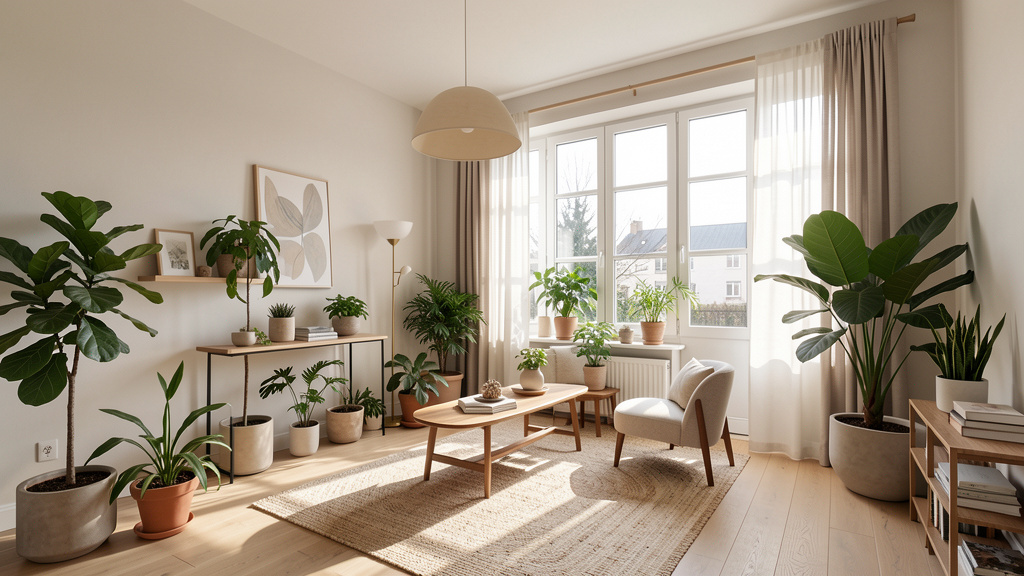
It’s not just about new countertops and fresh paint—discover the invisible threads that weave comfort, joy, and belonging into every corner of your renovated home.
Renovations promise renewal, but too often leave homeowners with a space that looks flawless in photos yet feels strangely hollow upon moving back in. You’ve invested time, budget, and hope—only to wonder why the new kitchen lacks warmth or why the expanded living room feels impersonal. This guide moves beyond surface-level aesthetics to reveal the multidimensional framework—spanning sensory design, psychological safety, functional flow, and emotional resonance—that transforms a house into a home that doesn’t just look better, but genuinely feels better, every single day. Grounded in established principles from environmental psychology, architectural anthropology, and post-occupancy evaluation patterns, this is a practical companion for renovations that nourish daily living. Whether you’re planning a full transformation or refreshing a single room, these insights apply universally because they speak to enduring human needs that transcend geography, budget, or architectural style. Your home isn’t just a container for life—it’s an active participant in it. Let’s ensure it participates with wisdom, warmth, and welcome.
Introduction: Beyond the Visual Illusion
Walk into a newly renovated home. The floors gleam. The walls are pristine. Every fixture aligns with care. Yet something intangible lingers—a subtle dissonance between expectation and experience. This gap isn’t a failure of craftsmanship; it’s often a gap in holistic consideration. For generations, renovation culture has prioritized the visual: the magazine spread, the curb appeal metric. But human beings don’t experience space through sight alone. We feel it through the soles of our feet on warmed floorboards at dawn. We hear it in the hush of well-insulated walls during a storm. We smell it in the lingering scent of aged wood blended with herbs from a windowsill garden. We remember it in the curve of a doorway that echoes childhood homes.
Research in environmental psychology consistently shows that our surroundings influence mood, focus, and connection. Spaces designed with multisensory intentionality often support greater ease and belonging. Meanwhile, post-renovation reflections frequently reveal that the most meaningful successes aren’t measured in square footage gained, but in quiet moments: the spontaneous laughter that fills a kitchen designed for lingering, the deep breath taken upon entering a bedroom that feels like a sanctuary, the unspoken comfort of a hallway that guides you home without flipping a single switch. This article synthesizes cross-disciplinary insights—from biophilic design principles to neuroaesthetics—to offer a human-centered framework. We move beyond “what to buy” to “how to feel,” transforming renovation from a transactional project into a deeply intentional act of crafting habitat. Your journey toward a home that truly feels like yours begins with seeing space as a living relationship.
The Four-Pillar Framework: Engineering Emotional Resonance
Imagine your home as a living ecosystem. Each element interacts with others in complex, often invisible ways. A single change—like replacing dark cabinets with light ones—ripples through light reflection, perceived space, daily mood, and even habits. The Four-Pillar Framework provides a systematic lens to evaluate every renovation decision through four interconnected dimensions: Sensory Harmony, Psychological Safety, Functional Fluidity, and Emotional Resonance. Neglect any one pillar, and the experience may feel incomplete. Strengthen all four, and your home becomes a resilient source of daily restoration. This framework draws from patterns observed in spaces where people consistently report feeling grounded, connected, and at ease. Let’s explore each pillar with practical implementation strategies, adaptable options, and thoughtful considerations.
Pillar 1: Sensory Harmony – Designing for the Whole Body
We experience space through multiple senses, yet renovations often prioritize sight while overlooking sound, touch, temperature, scent, and air quality. Sensory harmony occurs when inputs work in concert to create physiological ease and psychological comfort. A space that looks perfect but feels cold underfoot, echoes with harsh acoustics, or carries sterile new-material scents will struggle to feel welcoming. True harmony engages the body holistically.
Light: The Rhythm of Day and Night
Natural light isn’t just illumination—it’s a biological regulator. Morning sunlight supports alertness; gentle evening warmth signals rest. Renovations often maximize window size without considering quality of light. A south-facing wall of glass may flood a room with glare by mid-morning, forcing blinds shut and defeating the purpose.
Why this matters: Thoughtful light management reduces eye strain, supports natural circadian rhythms, and elevates mood. Well-layered lighting also reduces reliance on harsh overhead sources and creates adaptable atmospheres for different times of day.
How to implement correctly:
– Layer light sources: Combine ambient (overhead), task (under-cabinet, desk lamps), and accent (wall sconces, picture lights). Avoid single-point ceiling fixtures that cast deep shadows.
– Honor the sun’s path: In living areas, position seating to capture gentle morning or late-afternoon sun. Use sheer roller shades for diffusion. In bedrooms, prioritize east-facing windows for soft wake-ups; include blackout options where needed (e.g., for shift workers or light-sensitive sleepers).
– Choose color temperature intentionally: Match artificial light to natural cycles. Use warm white bulbs (2700K–3000K) in living rooms and bedrooms for evening relaxation. Reserve neutral white (3500K–4000K) for kitchens, bathrooms, and workspaces. Install dimmers on key circuits—they offer remarkable flexibility for mood and function.
– Reflect wisely: Light-colored walls with subtle undertones (soft whites, warm beiges) bounce light deeper into rooms. Matte or eggshell finishes reduce glare versus high-gloss. Avoid stark pure white—it can feel clinical.
Adapting to constraints:
– Budget-friendly: Start by replacing bulbs with warm-dimmable LEDs and adding two well-placed table or floor lamps. Use removable window film for glare control.
– Rental-friendly: Use plug-in wall sconces, smart bulbs with adjustable color temperature, and floor-length curtains to soften light and define space.
– Seasonal note: In regions with strong seasonal light shifts, consider adjustable solutions—like removable solar shades for summer or reflective light shelves for darker winter months.
Common pitfalls to avoid:
– Relying solely on recessed “can” lights: They often create uneven pools of light. Mix with wall washers or cove lighting for balance.
– Delaying window treatment planning: Measure and select treatments early. Temporary contractor blinds disrupt sensory continuity for months.
– Overlooking exterior views: A beautifully lit room feels confined if it faces a blank wall. Integrate landscaping—trees for dappled light, trellises with climbing vines—to soften views and filter light naturally.
Real-life insight: A family in the Pacific Northwest renovated their north-facing living room, which previously felt perpetually dim. Instead of adding harsh artificial lights, they installed light shelves above windows to bounce available daylight deeper into the space. Paired with warm-toned plaster walls and layered warm-white LED strips under floating shelves, the room now feels sun-drenched even on cloudy days. Residents noted fewer afternoon energy slumps and a greater desire to spend time in the space.
Sound: Cultivating Acoustic Comfort
Silence isn’t the goal—appropriate sound is. A home should buffer disruptive noise (traffic, appliances) while preserving comforting sounds (rain on the roof, distant conversation). Hard surfaces dominate modern renovations (tile floors, quartz counters), often creating echo chambers where every footstep amplifies stress.
Why this matters: Chronic exposure to unwanted noise can elevate tension and disrupt concentration. Conversely, well-managed acoustics support focus, conversation, and rest. Thoughtful sound design contributes significantly to a space feeling “settled.”
How to implement correctly:
– Absorb, block, mask: Use this triad strategy. Absorb mid/high frequencies with textiles (rugs, curtains, upholstered furniture). Block low-frequency noise with mass—dense insulation in walls, solid-core doors. Mask residual noise gently with non-intrusive sound (a small indoor water feature, white noise in bedrooms).
– Strategic material choices: In high-traffic zones, choose cork, engineered wood with underlayment, or large-format tiles paired with area rugs. Avoid continuous hard surfaces. For walls between noisy areas (laundry room, home office), consider acoustic insulation during framing.
– Door and window upgrades: Replace hollow-core interior doors with solid-core versions. For exterior windows, double- or triple-pane units significantly reduce street noise. Add weatherstripping to eliminate drafts and sound leaks.
– Create acoustic zones: Define areas by sound profile. A reading nook benefits from heavy curtains and plush seating. A family room might include discreet speakers for shared music. Use bookshelves filled with books (excellent sound absorbers) as soft room dividers.
Adapting to constraints:
– Budget-friendly: Start with thick area rugs, heavy curtains, and upholstered furniture. Place felt pads under chair legs. Use removable acoustic panels disguised as art.
– Apartment living: Focus on what you control—rugs, curtains, furniture layout. Discuss window upgrades with landlords using data on energy savings.
– Seasonal note: In summer, open windows may invite street noise; have portable white noise options ready. In winter, closed windows naturally buffer sound—optimize interior absorption.
Common pitfalls to avoid:
– Installing hardwood floors throughout without rugs: Creates a “bowling alley” effect. Place rugs under dining tables, in living areas, and at bedroom entrances.
– Ignoring plumbing noise: Wrap hot water pipes with foam insulation. Choose quiet dishwasher models. Install soft-close hinges on cabinets and drawers.
– Overlooking ceiling acoustics: In rooms with high ceilings, add acoustic clouds or fabric-wrapped panels disguised as art.
Real-life insight: A couple converted a drafty Victorian attic into a primary suite. Initial renovations left them disturbed by street noise and floorboard creaks. They added mass-loaded vinyl beneath new flooring, installed triple-pane windows, and hung floor-to-ceiling velvet curtains. Most transformative? They built a partial wall with integrated bookshelves between the sleeping area and staircase, filled with books and textiles. The space now feels hushed and protected—a true sanctuary above the city.
Touch and Temperature: The Skin of Your Home
Your skin is your largest sensory organ. The materials you touch daily—door handles, countertops, flooring—send constant tactile feedback. Similarly, thermal comfort (beyond thermostat settings) shapes how “at home” you feel. A renovation that feels cold, slippery, or unyielding underfoot creates subtle friction.
Why this matters: Tactile experiences trigger emotional memories. Rough-hewn wood evokes craftsmanship; smooth stone suggests permanence; soft textiles signal safety. Thermal asymmetry (e.g., cold floors with warm air) causes discomfort even if air temperature feels adequate. Radiant temperature from surfaces is as critical as air temperature.
How to implement correctly:
– Prioritize underfoot comfort: In bedrooms and living areas, choose materials with inherent warmth: wide-plank oak with matte oil finish, cork, or luxury vinyl plank with cork underlayment. Radiant floor heating in bathrooms and kitchens offers profound comfort—electric mats are feasible even in retrofits. If keeping tile, use programmable thermostats to warm floors before typical use times.
– Thoughtful material layering: Mix textures intentionally. Pair cool quartz countertops with warm wood open shelves. Frame a glass shower with teak benches and textured stone tiles. Choose cabinet pulls in unlacquered brass (which develops a gentle patina) or smooth ceramic instead of cold stainless steel.
– Thermal zoning: Avoid heating or cooling the entire house uniformly. Use smart vents or separate HVAC zones for frequently used areas. In older homes, add storm windows or interior acrylic panels to eliminate cold drafts near seating areas.
– Human-scale details: Round sharp edges on countertops (a subtle radius feels inviting). Ensure light switches and outlets are placed at ergonomic heights. Test faucet handles for smooth operation.
Adapting to constraints:
– Budget-friendly: Add thick rugs with soft pads, use washable sheepskin throws on chairs, install plug-in radiant floor mats in key spots (like beside the bed).
– Rental-friendly: Use removable rugs, thermal curtains, and portable heated footrests. Discuss window upgrades with landlords citing energy efficiency.
– Climate note: In humid climates, prioritize breathable natural fibers (cotton, linen) to avoid clamminess. In dry climates, incorporate wood and wool to add warmth without overheating.
Common pitfalls to avoid:
– Choosing materials solely for durability: Polished concrete may last decades but feel perpetually cold. If used, integrate radiant heat and designate rug zones.
– Ignoring microclimates: A sunroom may overheat; add UV-filtering window film and ceiling fans. A basement rec room may feel damp; use a dedicated dehumidifier and moisture-resistant materials.
– Overlooking transition zones: The entryway is critical. Use durable yet warm materials and include a bench for removing shoes—a tactile ritual that signals “arrival.”
Real-life insight: A homeowner in a colder climate renovated her kitchen, keeping original heart-pine floors (refinished with matte oil) for warmth underfoot but adding electric radiant heat mats beneath new tile in the cooking zone. Countertops combined honed soapstone (cool for pastry work) with a walnut butcher block peninsula (warm for morning coffee). She reports that the kitchen now “feels alive”—different textures invite interaction, and the floor warmth on winter mornings is a daily joy she hadn’t anticipated.
Scent and Air Quality: The Invisible Atmosphere
New renovations often carry sharp chemical scents from paints and finishes—a smell associated with “newness” but physiologically stressful. Conversely, a home infused with subtle, natural scents (cedar closets, herbs from a kitchen garden) creates olfactory anchors of comfort. Air quality directly impacts clarity and respiratory ease.
Why this matters: The olfactory system links directly to emotion and memory centers in the brain. Familiar, pleasant scents can promote calm. Poor indoor air quality correlates with fatigue and discomfort. Fresh, clean air supports cognitive function and overall well-being.
How to implement correctly:
– Specify low-emission materials: Choose paints with Green Seal or similar certifications. Select adhesives and finishes labeled “Zero VOC.” Request safety data sheets from contractors. Allow ample ventilation time before moving back in—open windows aggressively for several days post-paint.
– Integrate natural scent sources: Plant fragrant herbs (rosemary, mint) in kitchen window boxes. Use cedar lining in closets. Display bundles of dried lavender. Avoid plug-in air fresheners—they mask odors with synthetics. Instead, simmer citrus peels and cinnamon sticks for natural ambiance.
– Engineer fresh air flow: Install an energy recovery ventilator (ERV) during major renovations—these exchange stale indoor air for filtered fresh air efficiently. For retrofits, use air purifiers with HEPA and carbon filters in key areas. Place activated charcoal bags in closets to absorb odors naturally.
– Humidity control: Maintain comfortable humidity levels (typically 30–50%). Too dry? Wood cracks, sinuses irritate. Too humid? Mold risks rise. Use hygrometers to monitor; integrate humidifiers/dehumidifiers where helpful.
Adapting to constraints:
– Budget-friendly: Prioritize low-VOC paint. Add several air-purifying plants (snake plant, peace lily). Use beeswax candles instead of synthetics. Open windows daily when weather permits.
– Allergy-sensitive households: Focus on hard surfaces that don’t trap dust, use HEPA vacuuming routines, and select hypoallergenic textiles.
– Seasonal note: In spring/summer, maximize cross-ventilation. In fall/winter, rely more on mechanical ventilation and natural humidification (like placing water basins near radiators).
Common pitfalls to avoid:
– Rushing occupancy after painting: Even low-odor paints emit compounds. Schedule painting early. Use air quality monitors to confirm safe levels before returning.
– Overlooking hidden sources: New carpets, composite cabinets, and vinyl flooring can off-gas. Choose solid wood, natural linoleum, or certified low-emission products where possible.
– Ignoring outdoor connections: Open windows strategically during mild weather. Install operable transom windows above doors to allow hot air to escape.
Real-life insight: After renovating their home, a family noticed persistent headaches. An air quality test revealed elevated compounds from new cabinets. They installed an ERV system, added several NASA-studied air-purifying plants, and switched to beeswax-based wood polish. Within weeks, symptoms eased. They now keep a small rosemary plant on the kitchen windowsill—its scent when brushed against while cooking has become a cherished sensory cue of “home.”
The Fundamental Principle: A home that feels better engages the whole person—not just the eyes. Sensory harmony is achieved when light, sound, touch, temperature, and air work in concert to create physiological ease, allowing the mind to rest and the spirit to settle.
Pillar 2: Psychological Safety and Comfort – The Architecture of Belonging
Beyond physical comfort lies psychological safety: the deep, often unconscious feeling that a space is yours, that it protects you, and that it supports your authentic self. This pillar draws from environmental psychology concepts like “prospect-refuge theory” (the human preference for spaces offering both a view outward and a protected nook) and the importance of personal imprint. Renovations that ignore this pillar feel like showrooms—impressive but alienating. When honored, spaces become emotional anchors.
Prospect and Refuge: Designing for Human Instincts
Evolutionary patterns suggest humans feel most secure in environments offering “prospect” (a clear view of surroundings) and “refuge” (a protected, enclosed space for retreat). Modern open-plan renovations often maximize prospect at the expense of refuge, creating anxiety-inducing exposure. Conversely, overly compartmentalized homes lack prospect, feeling claustrophobic.
Why this matters: Spaces balancing prospect and refuge often reduce subconscious stress and increase perceived control. This balance supports both social connection and private recharge—a cornerstone of feeling “at home.”
How to implement correctly:
– Create layered sightlines: In open plans, avoid “bowling alley” layouts where every room is visible from the front door. Use partial walls, changes in ceiling height, or furniture arrangements to define zones while preserving visual connection. Position seating so occupants face entryways (prospect) but have a wall or bookshelf at their back (refuge).
– Design intentional nooks: Carve out small refuge spaces even in compact homes. A window seat with built-in storage and curtains. A reading corner tucked beside a bookshelf. A breakfast alcove with banquette seating. These micro-refuges signal “it’s safe to pause here.”
– Strategic window placement: In living areas, position key seating to face windows (prospect onto gardens or streets). In bedrooms, avoid placing beds directly in line with doors or windows—position them diagonally with a solid wall behind the headboard for refuge. Use sheer curtains for daytime prospect; add blackout layers for nighttime refuge.
– Ceiling psychology: Lower ceilings (8–9 feet) feel cozy in intimate spaces (bedrooms, studies). Higher ceilings (10+ feet) create openness in communal areas. Use coffered ceilings, beams, or cove lighting to “lower” the perceived height of vast spaces.
Adapting to constraints:
– Small spaces: Use furniture placement and textiles to create implied zones. A tall bookshelf can define a sleeping area while allowing light flow. Curtains on a ceiling track can temporarily enclose a nook.
– Open-plan challenges: If walls can’t be added, use area rugs, changes in flooring material, or strategic furniture groupings to create soft boundaries.
– Safety note: Ensure refuge spaces don’t compromise safety—maintain clear egress paths and visibility where needed (e.g., from kitchen to children’s play areas).
Common pitfalls to avoid:
– Placing the sofa with its back to the main entrance: Creates subconscious unease. Float furniture or use a console table behind the sofa to define space while maintaining sightlines.
– Eliminating all visual barriers in open plans: Results in “visual noise” and lack of acoustic privacy. Use open shelving units, room dividers with plants, or changes in flooring material to create soft boundaries.
– Ignoring the “threshold effect”: The transition from public to private space matters. A small entry vestibule (even 3’x3′) provides psychological refuge before entering the main living area—a place to shed coats and mental baggage.
Real-life insight: A designer renovated a loft apartment with soaring ceilings and floor-to-ceiling windows. Initial layouts felt exposed. Solution: She built a partial wall with open shelving to separate the sleeping area, creating refuge. She positioned the bed against a solid wall with a low bookshelf headboard, facing the windows for prospect. In the living area, she installed a dropped ceiling section with integrated lighting over the seating zone. The client reported feeling “both connected to the city and deeply protected”—a balance previously elusive.
Personalization and Identity: Weaving Your Story Into Space
A home feels “better” when it reflects the people who live there—not a designer’s portfolio or fleeting trends. Personalization isn’t about cluttering walls with photos (though that can be part of it). It’s about embedding identity through choices that resonate with values, history, and daily rituals. Generic renovations feel temporary; personalized ones feel permanent.
Why this matters: Environments reflecting personal identity often increase comfort and belonging. When spaces tell your story, they foster connection and reduce the “imposter syndrome” some feel in overly curated homes. Personalization also supports memory and legacy—especially meaningful for multigenerational households.
How to implement correctly:
– Curate, don’t clutter: Select meaningful objects with intention. A single shelf displaying sea glass gathered on family vacations speaks louder than crowded mantels. Rotate displays seasonally to keep spaces feeling fresh yet familiar.
– Integrate legacy elements: Salvage and repurpose materials from the original home where feasible and safe. Use old floorboards to build a floating shelf. Frame architectural blueprints. Incorporate a grandparent’s quilt as wall art. These elements create continuity between past and present.
– Design for rituals: Observe your daily routines. Do you brew tea every morning? Install open shelving near the kettle for favorite mugs. Do you read before bed? Build integrated reading lights into the headboard. Does your family gather to cook? Design a kitchen island with seating facing the cook.
– Express values through materials: Choose sustainably sourced wood to honor environmental values. Display art from local makers. Use non-toxic finishes to prioritize family health. These choices become silent affirmations of what matters to you.
Adapting to constraints:
– Rental properties: Use removable hooks, washi tape frames, or leaning shelves for art. Create a “portable identity kit”—a curated box of meaningful objects you can set up quickly in any space.
– Shared households: Create a shared vision board. Identify non-negotiables for each person (“I need a quiet reading nook,” “I need space for my instruments”). Compromise on aesthetics; honor core needs.
– Minimalist preferences: Personalization doesn’t require abundance. One deeply meaningful object—a single framed photograph, a cherished bowl—can anchor a room with significance.
Common pitfalls to avoid:
– Over-personalizing before understanding the space: Live in the renovated area for a few weeks before adding decor. Notice where you naturally linger, what feels missing.
– Confusing trends with identity: That bold wallpaper might feel exciting initially but clash with your calm personality long-term. Ask: “Does this choice feel like me, or like something I saw online?”
– Neglecting shared identity in partnerships: Renovations can become battlegrounds. Focus on creating spaces that honor both individuals’ needs and your shared life.
Real-life insight: After renovating their mid-century ranch, a couple struggled with the sterile newness. They salvaged original knotty pine paneling from a demolished closet and had it milled into floating shelves. They displayed their daughter’s childhood drawings in simple frames alongside vintage family photos. They installed a small built-in bench by the back door with cubbies labeled for each family member’s gardening tools—a ritual space for their shared love of the garden. The room transformed from “showroom” to “sanctuary,” with visitors consistently commenting on its “lived-in warmth.”
Memory Integration: Honoring the Past Without Living in It
Renovations often erase history in pursuit of “new.” But memory is a powerful component of psychological safety. Spaces that acknowledge the past—while embracing the present—create emotional continuity. This isn’t about preserving every outdated fixture; it’s about thoughtful integration of meaningful traces.
Why this matters: Environmental continuity supports cognitive mapping and emotional security, especially for children and aging adults. Erasing all familiar landmarks during renovation can trigger disorientation. Conversely, preserving select elements creates narrative depth and resilience.
How to implement correctly:
– Document before demolition: Photograph original details (doorknobs, moldings). Sketch floor plans noting where significant life events occurred (first steps, holiday gatherings). This archive informs intentional preservation.
– Selective salvage: Identify 1–3 elements with strong emotional resonance. Could the original front door be restored? Can stained-glass transom windows be repurposed? Work with a salvage specialist early in planning.
– Create memory anchors: Dedicate a small, visible space to history. A shadow box displaying original keys and blueprints. A section of exposed original brick wall behind glass. A custom tile in the new backsplash etched with the home’s original construction date.
– Honor spatial memory: If the old kitchen had a “coffee corner” by the window, recreate that ritual spot in the new layout—even if the window orientation changes.
Adapting to constraints:
– Historic homes: Consult preservation guidelines. Focus on reversible changes. Document everything meticulously.
– Emotional transitions: Renovating after a loss? Acknowledge grief. Create a small memorial garden using soil from the original yard. This validates emotion while moving forward.
– Practical limits: If structural elements can’t be preserved, honor memory through representation—high-quality photographs, replicas, or commissioned art inspired by the original.
Common pitfalls to avoid:
– Preserving elements that compromise function or safety: Don’t keep lead-painted trim or structurally unsound beams. Honor memory through representation rather than risk.
– Overloading the space with nostalgia: One or two meaningful integrations are powerful; ten feel like a museum. Let new memories form alongside old ones.
– Ignoring the emotional weight of loss: Be gentle with yourself. Seek support if renovation triggers grief. Small, intentional gestures often carry the most meaning.
Real-life insight: When renovating her grandmother’s century-old farmhouse, a woman faced pressure to modernize everything. Instead, she preserved the original clawfoot tub (refinished safely) as the centerpiece of the new master bathroom. She framed a section of the original floral wallpaper behind the vanity. Most poignantly, she kept the small, crooked window above the kitchen sink—the spot where her grandmother stood washing dishes while watching birds. She upgraded the window for efficiency but maintained its exact size and placement. “Every time I wash a cup there,” she shared, “I feel her presence. The renovation didn’t erase her; it honored her.”
Pillar 3: Functional Fluidity – The Choreography of Daily Life
A home feels better when it works seamlessly with your life—not against it. Functional fluidity is the art of designing spaces that anticipate needs, minimize friction, and support natural movement patterns. It’s the difference between a kitchen where ingredients, tools, and cleanup flow intuitively, and one where you crisscross the room fifteen times while making coffee. This pillar merges ergonomics, behavioral observation, and practical wisdom.
Traffic Flow and Spatial Choreography
How do people move through your home? Renovations often rearrange walls without analyzing circulation patterns, creating bottlenecks, awkward turns, or wasted steps. Efficient flow reduces daily fatigue and prevents minor frustrations from accumulating.
Why this matters: Poor circulation causes unnecessary decision-making and increases accident risk. Smooth flow also encourages social interaction—people linger in spaces that feel easy to navigate. Thoughtful circulation supports aging in place and multigenerational living.
How to implement correctly:
– Map your pathways: Before finalizing layouts, trace common routes with tape on the floor: “bedroom to bathroom,” “garage to kitchen.” Ensure primary paths are at least 36″ wide (42″ for accessibility). Avoid sharp 90-degree turns; use gentle curves or widened zones at intersections.
– Create circulation buffers: In entryways, design a “landing zone” (minimum 4’x6′) for dropping bags, removing shoes, and pausing. In kitchens, maintain a clear “work triangle” between sink, stove, and refrigerator with unobstructed paths (minimum 42″ between counters).
– Design for multiple users: In family homes, avoid single-file hallways. Where possible, create looped circulation (e.g., kitchen connects to dining room and family room). In bathrooms, position the toilet and shower away from the main entry path to preserve privacy during simultaneous use.
– Anticipate future needs: Widen doorways to 32″ minimum (36″ ideal). Avoid level changes between main living areas. Install blocking in walls for future grab bars in bathrooms—hidden now, invaluable later.
Adapting to constraints:
– Existing layouts: If walls can’t move, use furniture placement, area rugs, and lighting to guide flow. Add a console table to define an entry zone. Use a narrow cart for coffee-making to avoid cross-kitchen trips.
– Small homes: Prioritize multi-functional pathways. Ensure furniture doesn’t block natural movement. Use wall-mounted solutions to keep floors clear.
– Budget note: Flow improvements often cost little—rearranging furniture, adding a rug, or installing better lighting can transform circulation.
Common pitfalls to avoid:
– Placing furniture or islands in primary pathways: Test layouts with full-scale cardboard cutouts before building. Walk through repeatedly with arms full (simulate carrying groceries).
– Ignoring “service circulation”: Plan discreet routes for trash removal, laundry transport, or delivery drop-offs. A mudroom with direct garage access prevents tracking dirt through living spaces.
– Over-prioritizing square footage over shape: A long, narrow room feels less functional than a compact square one. Work with your architect to optimize proportions.
Real-life insight: A family renovated their split-level home, which had a chaotic flow: entering the front door meant navigating stairs immediately, with no place to drop items. They reconfigured the entry to create a dedicated mudroom off the garage with built-in benches, hooks, and cubbies. They widened the hallway to the kitchen and added a secondary door from the mudroom directly into the pantry. Morning routines transformed: backpacks, lunches, and shoes are managed in one zone without disrupting the rest of the house. The mother noted, “We’ve eliminated daily chaos. That quiet efficiency is priceless.”
Storage Psychology: Reducing Visual and Cognitive Load
Clutter isn’t just physical—it’s cognitive. Every visible item demands micro-decisions: “Where does this go?” “Do I need this?” Renovations that add storage without strategy often create more chaos. Effective storage reduces decision fatigue and creates visual calm.
Why this matters: Neuroscience research suggests that visual clutter competes for attention, potentially reducing focus. Physical order often correlates with improved concentration and task completion. Well-designed storage isn’t about hiding everything—it’s about making the right things accessible and the rest invisible.
How to implement correctly:
– Zone storage by activity: Store items where they’re used. Keep coffee mugs near the coffee maker. Place cleaning supplies under the bathroom sink. Designate a “launching pad” near the exit for keys and sunglasses.
– Prioritize accessibility over capacity: Shallow drawers (18–24″ deep) with dividers are more usable than deep cabinets. Install pull-out shelves, lazy Susans, and vertical dividers in pantries. Use drawer-style bins under beds instead of deep storage.
– Embrace “closed storage” for visual calm: Reserve open shelving for 20% of items—only those that are beautiful or frequently used. Store the remaining 80% behind cabinet doors. Use consistent containers (matching baskets, labeled bins) for items stored openly to reduce visual noise.
– Design for habits, not ideals: Be honest about your routines. If you rarely use formal china, don’t dedicate prime cabinet space to it. Convert that area to everyday storage. If you meal-prep Sundays, design a dedicated zone with containers and workspace.
Adapting to constraints:
– Tiny homes: Maximize vertical space. Use the full height of walls. Install cabinets to the ceiling (with library ladder if needed). Use the space under stairs for pull-out drawers.
– Rental limitations: Use freestanding storage solutions—wardrobes, shelving units, under-bed bins. Choose pieces that can move with you.
– Family dynamics: For households with children, use low, open bins with picture labels. Make cleanup intuitive and collaborative.
Common pitfalls to avoid:
– Installing uniform cabinet depths throughout: Customize depths per zone. Pantry cabinets can be 12″ deep for cans; linen closets need 16″ for folded towels.
– Forgetting vertical space: Use the full height of walls. Install shallow shelves above doors for infrequently used items.
– Overlooking “in-between” storage: Add slim pull-out units beside refrigerators. Install toe-kick drawers under cabinets. Use the back of cabinet doors for racks.
Real-life insight: A couple renovated their urban condo with severe storage constraints. Instead of adding bulky furniture, they built floor-to-ceiling cabinets with mixed functions: lower sections for daily items with soft-close drawers, middle sections with glass-front doors for display, upper sections with solid doors for seasonal storage. They installed a hidden Murphy desk that folds away completely. The result? A space that feels expansive despite its size. “We don’t spend mental energy looking for things,” the husband shared. “Everything has a home, and the visual silence is incredibly peaceful.”
Adaptability and Future-Proofing: Designing for Life’s Changes
Homes aren’t static; lives evolve. Renovations locked into rigid, single-purpose designs quickly become obsolete. Functional fluidity requires building in flexibility—spaces that can adapt to changing needs without major reconstruction.
Why this matters: The average homeowner stays in a house for many years. During that time, families grow, careers shift, health changes, and hobbies evolve. Rigid spaces force compromises or costly remodels. Adaptable design supports resilience and long-term satisfaction.
How to implement correctly:
– Multi-functional rooms: Design spaces with primary and secondary purposes. A guest room with a Murphy bed and built-in desk becomes a home office. A basement rec room with movable partitions can host teens, then convert to an in-law suite. Use furniture on casters for easy reconfiguration.
– Modular systems: Choose cabinetry and shelving that can be reconfigured. Systems with adjustable components allow adding/removing elements as needs change. In closets, use adjustable shelving and rods instead of fixed heights.
– Infrastructure foresight: Run conduit for future wiring (Ethernet, speaker cables) behind walls during renovation. Install extra electrical outlets (especially USB-C) in anticipated tech zones. Pre-wire for ceiling fans or future lighting changes. Leave access panels for plumbing.
– Universal design principles: Incorporate features that benefit everyone. Lever-style door handles (easier than knobs). Curbless showers with fold-down seats. Adjustable-height countertops. These choices feel inclusive now and invaluable later.
Adapting to constraints:
– Budget-conscious: Start small. Install blocking for future grab bars. Choose furniture that can serve multiple purposes. Leave one closet unpainted for future customization.
– Uncertain futures: Avoid highly specific built-ins. Opt for flexible furniture and storage solutions that can be rearranged or relocated.
– Rental properties: Focus on portable adaptability—modular shelving, area rugs to define zones, task lighting you can take with you.
Common pitfalls to avoid:
– Designing exclusively for current life stage: A nursery painted in bold colors may need repainting soon. Choose neutral bases with changeable accents. Avoid built-in furniture that can’t be modified.
– Ignoring technological evolution: Don’t hardwire for today’s tech only. Leave space in media cabinets for future components. Install structured wiring hubs for smart home systems.
– Over-customizing for niche hobbies: A dedicated wine cellar is wonderful if you collect wine—but what if interests shift? Design flexible storage that can repurpose.
Real-life insight: When renovating their suburban home, a couple with young children prioritized adaptability. They designed the basement as a “flex zone” with movable acoustic panels on tracks, allowing them to divide the space for playdates, teen hangouts, or future guest quarters. They installed adjustable shelving in all closets and pre-wired the attic for potential conversion. Years later, as their children entered high school, they easily reconfigured the basement into a study lounge and music practice space without construction. “We saved thousands and avoided displacement,” the wife reflected. “The house grew with us.”
Pillar 4: Emotional Resonance – Crafting Meaningful Connection
The highest tier of renovation success occurs when a space transcends function and aesthetics to evoke deep emotional connection—joy, peace, inspiration, belonging. Emotional resonance is the alchemy that transforms house into home. It’s cultivated through intentional storytelling, biophilic integration, and designing for shared human experiences.
Biophilic Design: Reconnecting with Nature
Biophilia—the innate human affinity for nature—isn’t a trend; it’s a deep-seated pattern. Renovations that sever connection to the natural world (sealed windows, artificial lighting, synthetic materials) can create subtle stress. Biophilic design reintegrates nature through direct experience (plants, water), indirect experience (natural materials, imagery), and spatial conditions (prospect, refuge, mystery).
Why this matters: Decades of research associate access to natural elements with reduced stress, improved mood, and accelerated recovery from mental fatigue. In homes, even small connections to nature—like a view of trees or the sound of birds—can significantly enhance daily well-being.
How to implement correctly:
– Maximize genuine nature access: Prioritize operable windows with screens for fresh air and bird sounds. Create seamless indoor-outdoor flow with large sliding or folding doors. Design patios, balconies, or courtyards as true outdoor rooms—not afterthoughts.
– Integrate living elements: Place plants strategically where they thrive. Snake plants purify air in bedrooms; herbs thrive on sunny kitchen windowsills. Install a small indoor water feature for calming sound. If pets are part of your family, design integrated feeding stations or window perches.
– Use natural materials authentically: Choose wood with visible grain (not wood-look laminate). Incorporate stone, clay plaster, or cork. Display natural objects: a bowl of smooth river stones, a branch in a vase, seashells from vacations. These materials age gracefully, developing patina that tells a story.
– Embrace natural patterns and processes: Use fabrics with organic motifs. Install lighting that mimics daylight cycles (smart bulbs that shift color temperature). Create “mystery” through partial views—like a garden glimpsed through a hallway window—to invite exploration.
Adapting to constraints:
– Urban settings: Maximize window views with strategic seating. Use vertical gardens on balconies. Bring nature indoors with thriving houseplants and nature photography.
– Low-light spaces: Choose resilient species (ZZ plant, pothos, snake plant). Use full-spectrum grow lights discreetly. Focus on natural materials and imagery.
– Allergy considerations: Select hypoallergenic plants. Use HEPA air purifiers. Focus on non-living biophilic elements—wood, stone, water features.
Common pitfalls to avoid:
– Using artificial plants as substitutes: They lack the sensory richness and psychological benefits of living greenery. If maintenance is a concern, choose resilient species or hire a plant-care service.
– Overlooking micro-nature: You don’t need a forest. A single thriving plant, a windowsill herb garden, or a bowl of seasonal fruit creates connection.
– Ignoring seasonal change: Design for nature’s rhythms. Plant deciduous trees outside south-facing windows for summer shade and winter sun. Rotate art or textiles seasonally to reflect external changes.
Real-life insight: An architect renovated a dark, inward-facing townhouse. She installed floor-to-ceiling sliding glass doors opening to a small courtyard with a Japanese maple tree. Inside, she used reclaimed cedar for accent walls, added a living green wall in the stairwell with low-light ferns, and specified lighting that shifts from cool morning light to warm evening glow. The homeowner, a nurse who works long shifts, shared: “Walking into this home feels like stepping into a forest sanctuary. My stress melts away the moment I cross the threshold. It’s not just pretty—it’s healing.”
Storytelling Through Design: Weaving Narrative into Space
Every home holds stories. Renovations that erase all history lose narrative depth. Intentional storytelling embeds personal and collective history into the architecture, creating layers of meaning that resonate emotionally. This isn’t about literal murals; it’s about subtle cues that evoke memory, values, and aspiration.
Why this matters: Narrative environments foster identity and continuity. Spaces embedding personal history can strengthen bonds and provide comfort during life transitions. Storytelling transforms a house from a generic container into a unique chapter in your life’s journey.
How to implement correctly:
– Create focal points with meaning: Instead of a generic art print, display a photograph of a place significant to your relationship. Commission a local artist to paint a landscape of your childhood home.
– Incorporate cultural elements: Honor heritage through respectful design choices. Moroccan tile in a powder room. A Japanese soaking tub. A Mexican talavera tile backsplash. Ensure these are thoughtful integrations—research deeply or collaborate with cultural consultants.
– Design for legacy: Include elements that will age with meaning. A growth chart carved into a doorframe. A “memory wall” where family members add a small painted tile after significant events. A dedicated shelf for passing down heirlooms with stories attached.
– Future-storytelling: Leave intentional “blanks” for future chapters. A blank wall awaiting children’s art. An empty garden bed for planting a tree on an anniversary. A built-in bench sized for future grandchildren. This builds anticipation and continuity.
Adapting to constraints:
– Blended families: Create new rituals and symbols that represent the merged family. A “family tree” mural with all members’ names. A collaborative art piece created together post-renovation.
– Rental properties: Use portable storytelling—framed photos, meaningful textiles, a special mug. Create rituals unique to your time in the space.
– Minimalist aesthetics: Storytelling doesn’t require clutter. One powerful object—a single framed map, a cherished bowl—can hold immense meaning.
Common pitfalls to avoid:
– Overloading with literal symbolism: One or two powerful storytelling elements are more impactful than scattered references. Let negative space breathe.
– Confusing nostalgia with relevance: A 1970s shag carpet might hold memories but clash with current life. Honor the memory through a framed swatch or photo instead of full replication.
– Neglecting shared narrative in blended families: Create new symbols that represent the merged family’s journey.
Real-life insight: After merging two households following marriage, a couple renovated their new shared home with intentional storytelling. They created a “heritage hallway” displaying framed maps of their hometowns, wedding photos, and a world map marking places they’ve traveled together. In the kitchen, they installed open shelving to display dishes from both their mothers’ collections. Most meaningful: they planted a “unity tree” (a dogwood) in the backyard on moving day, with a small engraved stone at its base. “Every spring when it blooms,” the wife says, “we’re reminded of our beginning here. The house doesn’t just hold our things—it holds our story.”
Designing for Connection: Fostering Relationship and Community
Homes are stages for human connection. Renovations that prioritize isolation (separate home offices, individual TV zones) can inadvertently erode relationships. Emotional resonance flourishes when spaces intentionally nurture interaction, conversation, and shared experience—while still honoring the need for solitude.
Why this matters: Social connection is a core human need linked to well-being. Well-designed homes facilitate “casual collisions”—unplanned moments of interaction that strengthen bonds. Conversely, spaces that force constant togetherness without retreat options create tension.
How to implement correctly:
– Create “connection zones”: Design areas where people naturally gather. A kitchen island with seating facing the cook. A living room arranged for conversation (sofas and chairs angled toward each other). A window seat large enough for two with a shared view.
– Balance togetherness and solitude: Ensure every household member has access to a private retreat (bedroom, reading nook, backyard bench). In open plans, use partial walls, bookshelves, or changes in flooring to define “quiet zones” without full enclosure.
– Design for hospitality: Make guests feel welcome through thoughtful details. A powder room with ample counter space and quality soap. A guest bedroom with blackout curtains and multiple outlets. An outdoor seating area with comfortable chairs and side tables.
– Support multigenerational dynamics: If aging parents or young children are part of the household, design for interaction without intrusion. A main-floor suite with private entrance. A play area visible from the kitchen. Shared outdoor spaces with varied seating options.
Adapting to constraints:
– Small homes: Use multi-functional furniture—a dining table that expands, a sofa bed for guests. Create “micro-zones” with lighting and textiles.
– Open-plan challenges: Use area rugs, bookshelves, or changes in ceiling height to define zones without walls. Add acoustic panels to absorb sound between areas.
– Introvert/extrovert households: Design explicit retreat spaces alongside connection zones. A small nook with a comfortable chair and good light. A soundproofed office door.
Common pitfalls to avoid:
– Prioritizing entertainment over interaction: A home theater with stadium seating encourages passive viewing. Instead, create a media nook with flexible seating that can face a screen or turn inward for games and conversation.
– Ignoring acoustic privacy in connection zones: Use area rugs, upholstered furniture, and fabric wall panels to absorb sound in gathering areas.
– Forgetting the “third place”: Beyond home and work, humans need community spaces. Design your porch, front yard, or balcony to encourage interaction with neighbors—a bench facing the street, a small planter with herbs to share.
Real-life insight: A family renovated their 1960s ranch to strengthen bonds strained by busy schedules. They removed a wall between kitchen and dining room to create a central “heart space” with a large farmhouse table. They added built-in banquettes with storage underneath for board games. Most transformative: they converted the unused front porch into a screened “conversation porch” with rocking chairs. “We now have breakfast together every morning at the big table,” the father shared. “Evenings, we sit on the porch and talk to neighbors walking by. The renovation didn’t just update our house—it rebuilt our family rhythm.”
Navigating Common Renovation Regrets: When the Space Doesn’t Feel Right
Even with thoughtful planning, renovations sometimes miss the mark. You move back in, and something feels off. The space is beautiful, functional, even efficient—but it lacks soul. This section addresses frequent post-renovation disconnects with compassionate, actionable solutions. These aren’t failures; they’re opportunities for refinement. Remember: a home is never truly “finished.” It evolves with its inhabitants.
“It Looks Perfect, But Feels Cold and Impersonal”
This is a common experience—achieving aesthetic cohesion at the expense of warmth. Often stems from over-reliance on neutral palettes, uniform materials, or professional staging influences.
Why it happens: Design trends favor minimalism and neutrality for broad appeal, but human psychology craves texture, variation, and personal imprint. Uniformity can feel sterile because it lacks the subtle irregularities of lived experience.
Actionable remedies:
– Introduce organic texture: Layer in natural fiber rugs (jute, sisal, wool), linen curtains, and woven baskets. Replace one smooth ceramic vase with a hand-thrown pottery piece showing the maker’s touch.
– Warm the palette strategically: Add warmth through accessories first—terracotta planters, rust-colored throw pillows, a honey-toned wood bowl. If walls feel too cool, repaint one accent wall in a warm neutral or add removable wallpaper with subtle organic patterns.
– Personalize with intention: Select three meaningful objects currently in storage and display them prominently. A child’s drawing framed simply. A vintage map of your hometown. A collection of seashells from family vacations.
– Softening lighting: Swap cool-white bulbs for warm-white (2700K) throughout. Add a dimmable floor lamp with a fabric shade in the main seating area. Install under-cabinet lighting in the kitchen with a warm tone to create a “glow” in the evenings.
Real adjustment: A client felt her newly renovated condo was “like a hotel lobby.” She added a large vintage kilim rug over the hardwood, installed warm-dimmable LED strips under floating shelves, and displayed her grandmother’s handwritten recipe cards in simple frames on the kitchen wall. Within days, she reported the space “finally felt like mine.”
“The Layout Feels Awkward—We Keep Bumping Into Things”
Traffic flow issues often emerge only after living in the space. Furniture placement that looked perfect on paper creates bottlenecks or disrupts natural movement.
Why it happens: Floor plans are two-dimensional; life is three-dimensional. Human movement has rhythm and width. Standard furniture templates don’t account for how people actually carry items or interact in motion.
Actionable remedies:
– Re-map pathways with tape: Use painter’s tape on floors to outline furniture and key pathways. Walk through repeatedly simulating daily routines (carrying laundry, bringing in groceries). Identify pinch points.
– Float furniture: Pull sofas and chairs away from walls by 2–4 inches. This creates breathing room and improves acoustics. Ensure at least 30″ of clear path around seating groups.
– Reconsider island placement: If a kitchen island blocks flow, can it be shifted slightly? If not, replace bulky bar stools with backless versions to reduce visual bulk. Add casters to a movable island if structural changes aren’t feasible.
– Create visual anchors: Place a small console table or plant stand at pathway intersections to define zones and slow movement intentionally. Use area rugs to delineate functional areas within open plans.
Real adjustment: A family found their new kitchen island created a bottleneck during morning routines. They couldn’t move the island structurally, so they replaced bulky bar stools with sleek backless stools and added a narrow console table against the adjacent wall for coffee makers—freeing up floor space. They also installed a small shelf above the sink for frequently used mugs. “It’s not a structural fix,” the mother noted, “but it transformed our daily flow.”
“We Sacrificed Storage for Open Space, and Now We’re Cluttered”
Open-concept renovations often eliminate closets, pantries, and nooks in pursuit of airiness, leading to surface clutter and visual chaos.
Why it happens: “Open space” is marketed as liberating, but without strategic storage, it becomes a dumping ground. Human behavior defaults to convenience—items end up where they’re easiest to access.
Actionable remedies:
– Audit ruthlessly: Empty one problem area. Sort items into: Daily Use (keep accessible), Weekly Use (store in easy-reach cabinets), Rarely Use (relocate), Discard/Donate. Be honest.
– Add vertical storage: Install shallow shelves above doorways or windows. Use the inside of cabinet doors for racks. Add a pegboard wall in a utility area for tools and supplies—visually organized yet accessible.
– Furniture with hidden storage: Swap a standard coffee table for an ottoman with lift-top storage. Use beds with built-in drawers. Add a slim console table behind the sofa with baskets for remotes and magazines.
– Create “clutter catchers”: Place a small tray by the entry for keys/wallets. Install a wall-mounted mail sorter. Designate a “donation station” bin in a closet.
Real adjustment: After renovating their apartment, a couple struggled with countertop clutter. They installed a narrow pull-out pantry unit beside the refrigerator, added under-cabinet hooks for mugs, and placed a woven basket by the sofa for blankets. They committed to a “10-minute nightly reset” where all surfaces are cleared. “The space feels calm again,” the husband shared. “We didn’t need more square footage—just smarter storage.”
“The New Space Doesn’t Feel Connected to Our Memories Here”
Renovations that erase all traces of the past can trigger grief or disorientation, especially in long-time homes or after significant life events.
Why it happens: Spaces hold emotional anchors. Removing familiar landmarks—like a window seat where you read to children—severs psychological continuity.
Actionable remedies:
– Create a memory artifact: Commission a local artist to paint a small watercolor of the original house. Frame salvaged hardware in a shadow box. Press flowers from the original garden into a resin paperweight.
– Recreate a ritual spot: Identify one meaningful location from the old layout and intentionally recreate its function. If you always drank coffee by the east window, ensure the new kitchen has a similar nook with morning sun.
– Document and display: Create a photo album of the renovation journey—from “before” shots to completion. Display it on a bookshelf. This honors the transition and creates a new layer of memory.
– Plant a legacy element: If a beloved tree was removed, plant a new sapling of the same species. Use soil from the original garden bed in a special planter.
Real adjustment: When a widow renovated the home she’d shared with her husband for forty years, she felt profound loss. Her designer suggested preserving the original front door’s brass knocker (replacing the door itself for efficiency) and mounting it on a small wooden plaque in the new entryway with the inscription: “Still welcoming us home.” She also planted a rose bush from cuttings of his favorite garden variety. “It’s not the same house,” she shared softly, “but it still holds his love.”
“We Focused So Much on Aesthetics, We Forgot How We Actually Live”
Choosing finishes based on samples rather than real-life use leads to impractical choices: light-colored upholstery with toddlers, high-maintenance surfaces with busy schedules.
Why it happens: Renovation decisions are often made in idealized scenarios (“We’ll host dinner parties every weekend!”). Reality involves spilled juice, muddy paws, and exhausted evenings.
Actionable remedies:
– Conduct a “life audit”: For one week, journal your actual routines. Note pain points: “I wish the coffee maker was closer to the mugs,” “I trip over shoes by the door every morning.” Let these observations guide adjustments.
– Prioritize durability with warmth: Choose performance fabrics in textured weaves that hide wear. Select countertops with subtle patterning that camouflage scratches. Use large-format tiles with minimal grout lines for easier cleaning.
– Design for your current life, not a fantasy: If you eat takeout most nights, don’t invest in a massive dining table. If you work from home, prioritize a comfortable, well-lit desk. Honor your truth.
– Add “grace elements”: Install a pet-washing station in the mudroom. Add a charging drawer in the kitchen with labeled slots. Place a small bench in the entry for putting on shoes. These tiny accommodations reduce daily friction profoundly.
Real adjustment: A couple with two young children regretted their pristine white quartz countertops and light linen sofa. They added a durable, patterned area rug, slipcovered the sofa in washable performance fabric, and installed a small chalkboard wall in the kitchen. “We stopped living cautiously,” the mother said. “The house finally works for our life.”
Your Questions, Answered
Q: We’re on a tight budget. Which pillar should we prioritize for the biggest emotional impact?
A: Start with Sensory Harmony—specifically lighting and textiles. Swap bulbs to warm-white (2700K) dimmable LEDs. Add one large area rug to define a seating area and absorb sound. Install simple curtain rods with floor-length curtains to soften windows. These low-cost changes dramatically alter perceived warmth. Next, address Psychological Safety by displaying three meaningful personal items prominently. You’ll feel the shift immediately.
Q: Our renovation is already complete, but the space feels “off.” Is it too late to fix?
A: Absolutely not. Renovations are starting points. Begin with a “sensory audit”: Sit quietly in each room for five minutes. Note what you see, hear, feel, smell. Is light harsh? Add a lamp with a warm bulb. Is sound echoey? Place a rug or hang curtains. Does a wall feel empty? Display one meaningful object. Small, intentional adjustments accumulate into profound change. Your awareness is the first step.
Q: How do we balance personal style with resale value?
A: Focus on “neutral with character.” Choose foundational elements (flooring, cabinetry boxes, wall colors) in timeless, versatile neutrals with subtle warmth. Then, express personality through easily changeable layers: paint one accent wall, install distinctive light fixtures, display art and textiles. These create emotional resonance for you but can be updated by future buyers at low cost. Structural choices (layout, window placement) should prioritize flow and light—universally valued traits.
Q: We have young children. How can we make the renovated space feel calm and adult, not chaotic?
A: Designate “zones of order.” Create a dedicated, contained play area with low shelves (labeled with picture labels for pre-readers). Use closed storage for toys that create visual clutter. Choose durable, wipeable surfaces in high-traffic zones but add warmth through textiles. Most importantly: implement a “closing ritual.” Five minutes before dinner, everyone resets the main living area together. This teaches responsibility and preserves adult sanctuary.
Q: Does this framework apply to rental properties or temporary homes?
A: Emphatically yes—and it’s often more critical. Temporary spaces can feel transient. Focus on portable, non-permanent adjustments: removable wallpaper on one accent wall, command-hook art displays, layered lighting with floor and table lamps, and meaningful personal objects. Create rituals: a specific mug for morning coffee, a favorite blanket on the sofa. These actions signal to your brain: “This is my home, however long I’m here.” Psychological safety is portable.
Q: How do we handle differing tastes between partners during renovation?
A: Shift from “compromise” to “collaborative curation.” Identify each person’s non-negotiables (e.g., “I need a quiet reading nook,” “I need space for my record collection”). Honor these core needs structurally. For aesthetics, create a shared vision board. Look for patterns you both gravitate toward. Then, assign “zones of influence”—one partner designs the home office, the other the garden. Agree on a unifying thread (like a color palette) that ties spaces together. The goal is mutual respect embedded in the space.
Q: We’re renovating for aging parents moving in. What’s most important for their sense of comfort?
A: Prioritize Psychological Safety and Functional Fluidity with deep empathy. Involve them in decisions—autonomy is crucial for dignity. Ensure their suite has: abundant layered lighting, lever-style handles, a curbless shower with discreet grab bars, and proximity to a bathroom and outdoor access. But equally vital: preserve identity. Incorporate their furniture where possible. Display their art and photos. Create a small garden bed for their favorite flowers. Comfort isn’t just physical safety; it’s feeling seen and valued.
Q: Can small apartments benefit from this framework, or is it for large homes only?
A: Small spaces benefit more profoundly. Every square inch carries emotional weight. Apply the pillars intensely: Use mirrors strategically to enhance light and prospect. Create multi-functional furniture with hidden storage. Display only your most meaningful objects to avoid visual overwhelm. Add a single thriving plant and open windows daily for fresh air. In compact homes, intentionality isn’t optional—it’s essential. A thoughtfully designed 500-square-foot apartment will feel more “like home” than a larger house designed without these principles.
Q: How long does it typically take for a renovated space to “feel like home”?
A: There’s no universal timeline—it’s deeply personal. Research suggests several months for cognitive adjustment, but emotional resonance can take longer. Accelerate the process by: 1) Sleeping in the space immediately, 2) Cooking a meal in the new kitchen on day one, 3) Displaying personal items within the first week, 4) Creating a new ritual unique to the renovated space (e.g., “Sunday morning coffee on the new porch”). Be patient with yourself. Feeling “at home” is a relationship built through daily interaction.
Q: What’s one tiny change we can make today to improve how our home feels?
A: Tonight, after sunset, turn off all overhead lights. Light only one warm-toned lamp in your main living area. Sit quietly for five minutes. Notice how the softer light changes the mood of the room—shadows soften, textures emerge, the space feels more intimate. Tomorrow, add one personal object to that space: a photo, a meaningful book, a smooth stone from a walk. You’ve just begun engineering emotional resonance.
Conclusion and Next Step
Renovations promise transformation, but true transformation occurs not in the demolition or the finishing touches—it happens in the quiet moments after you’ve moved back in. It’s in the deep breath you take upon entering a room that finally feels like yours. It’s in the spontaneous laughter that fills a kitchen designed for connection. It’s in the comfort of a windowsill nook that holds your memories while making space for new ones. This journey beyond aesthetics—to sensory harmony, psychological safety, functional fluidity, and emotional resonance—isn’t about perfection. It’s about intentionality. It’s the conscious choice to craft a habitat that supports your humanity in all its complexity: your need for light and shadow, for connection and solitude, for legacy and growth.
Recap: The Three Anchors of a Home That Feels Better
- Engage the whole person: Move beyond visual design. Audit your space through all senses. Does it feel warm underfoot? Does light shift with the day? Does sound support calm? True comfort is multisensory.
- Honor the human within the house: Prioritize psychological safety through prospect-refuge balance, meaningful personalization, and memory integration. A home should feel like a gentle embrace—not a showroom.
- Design for the life you live, not the life you imagine: Observe your actual routines. Build storage where clutter accumulates. Create flow where friction exists. Let your daily rituals guide your choices.
The 24-Hour Rule: One Small Step Toward Resonance
Before tomorrow ends, complete this single action: Identify one spot in your home where you pause daily—a kitchen counter while brewing coffee, a windowsill while checking the weather, the entryway while removing shoes. Place one intentional object there that brings you joy or peace: a smooth stone from a meaningful walk, a small framed photo of a cherished moment, a sprig of rosemary from your garden. This tiny act of curation is a declaration: This space is mine. It holds my story. It supports my spirit. You’ve just woven the first thread of emotional resonance.
The Big Picture: Your Home as a Living Partner
A house renovated with these principles ceases to be a static asset. It becomes a dynamic participant in your life—a silent ally that reduces daily friction, fosters connection, and honors your journey. It adapts as you grow, holds space for grief and joy, and whispers daily reminders of what matters. In a world of constant change, such a home is not a luxury; it’s a sanctuary. It’s the foundation from which you engage with the world, restored and resilient. As design wisdom reminds us, “The quality of our lives is deeply intertwined with the quality of our surroundings.” You have the power to shape those surroundings with wisdom and heart. Start where you are. Use what you have. Do what you can. Your home is waiting to feel like home.
Explore Our Complete System:
Crafting Calm: A Room-by-Room Guide to Sensory Sanctuary | The Ritual Home: Designing Spaces for Daily Meaning | Beyond Open Plan: Creating Intimate Zones in Modern Layouts | The Legacy Renovation: Honoring History While Embracing Tomorrow | Small Space, Big Soul: Intentional Design for Compact Living | The Resilient Home: Adaptable Spaces for Life’s Changes | From House to Haven: 30 Days to Deeper Home Connection