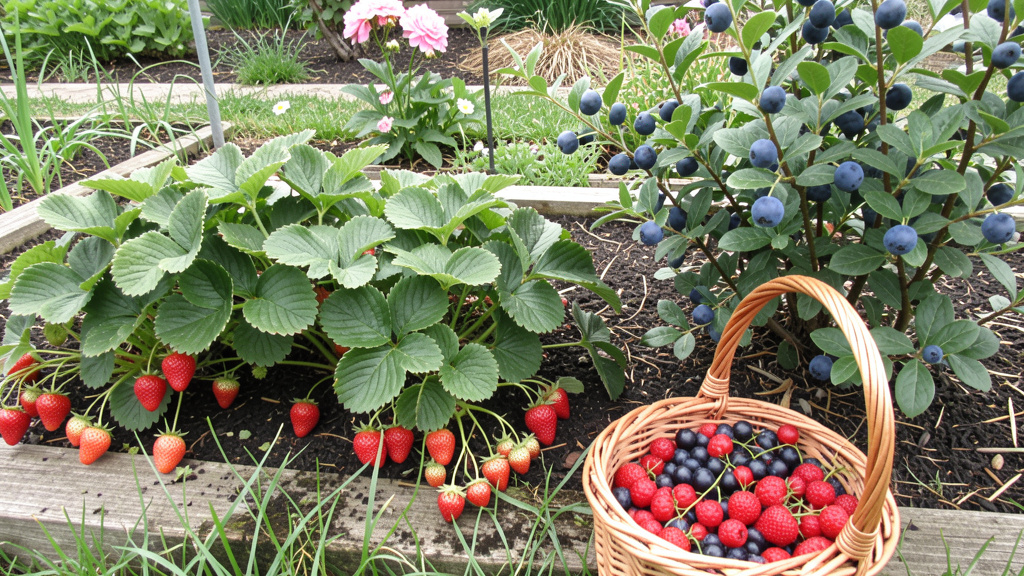
Cultivate a Resilient, Joyful Harvest Through Thoughtful Planning and Ecological Partnership
Imagine stepping into your garden on a quiet morning, harvesting sun-warmed strawberries still glistening with dew, then moving to a shaded corner where plump blueberries hang like sapphire jewels. By late summer, ruby raspberries and deep-purple blackberries cascade from canes you nurtured with care. This rewarding experience isn’t reserved for rural estates—it’s accessible to gardeners across climates, spaces, and experience levels. This guide transforms fragmented advice into a cohesive, ecologically grounded system for designing, planting, and sustaining a berry garden that evolves with your landscape. Whether you steward a backyard plot, a sunny balcony, or a community garden bed, you’ll discover how to work with natural systems—honoring soil biology, microclimates, and plant needs—to cultivate abundance season after season.
Introduction
Berry gardening offers a uniquely satisfying blend of immediate reward and long-term legacy. Unlike annual vegetables requiring yearly replanting, perennial berry crops establish living infrastructure—a garden that deepens in productivity, biodiversity, and character with each passing year. Yet many gardeners encounter challenges: strawberries yielding sparse fruit, blueberry leaves yellowing unexpectedly, or raspberry canes struggling with disease. These outcomes rarely reflect gardener error but often stem from subtle mismatches in foundational conditions—soil chemistry, variety selection, or seasonal timing. Drawing on established horticultural science and patterns observed in thriving home gardens across diverse regions, this guide bridges theory and practice. We move beyond generic directives to explore why certain approaches align with plant biology, empowering you to adapt principles thoughtfully to your unique context. Your journey begins not with a shovel, but with observation—a mindset shift that transforms gardening into a dynamic, responsive dialogue with the living world.
The Berry Garden Blueprint Framework
Successful berry cultivation emerges from an integrated system, not isolated tasks. The Berry Garden Blueprint weaves together five interdependent phases, each building resilience for the next. Rushing or overlooking early phases often creates vulnerabilities that surface later—weak establishment, recurring stress, or declining vigor. This framework emphasizes preventative understanding over reactive correction. By investing deeply in site assessment, soil preparation, and variety selection, you cultivate conditions where plants thrive with less intervention. Think of it as composing a garden symphony: each element—soil, plant, climate, timing—must harmonize to create lasting beauty.
Phase 1: Site Assessment and Microclimate Mapping
Before selecting plants, become a careful observer of your landscape. Berries express distinct environmental preferences: strawberries flourish in open sun with gentle airflow; blueberries appreciate consistent moisture and partial afternoon shade in warmer zones; raspberries and blackberries benefit from good air circulation to support plant health. Mapping your site’s microclimates—subtle variations in light, moisture, wind, and temperature—is the essential first step toward alignment.
How to Conduct a Practical Site Assessment:
Visit your intended garden area at different times across several days. Note:
– Sun Exposure Patterns: Track where direct sun falls for 6+ hours (full sun), 3–6 hours (partial sun), or less (shade). Key insight: South-facing slopes warm earlier in spring—ideal for early strawberries but potentially vulnerable to late frosts. North-facing edges stay cooler, benefiting blueberries in regions with intense summer heat.
– Water Movement: After rainfall, observe where water pools or drains quickly. Most berry varieties perform poorly in consistently waterlogged soil. Identify low spots where raised beds or improved drainage would benefit plant health.
– Wind Flow: Note prevailing wind directions and natural windbreaks (fences, shrubs, structures). Gentle airflow supports plant health; strong, drying winds may stress young canes.
– Frost Considerations: Cold air settles in hollows or sheltered depressions. Avoid placing early-blooming varieties like strawberries in these pockets where late spring frosts may affect blossoms. Slightly elevated or sloped areas allow cooler air to move downward.
Why this phase matters: Many planting challenges trace back to site-variety mismatches. For instance, placing acid-loving blueberries in unamended alkaline soil, or situating sun-dependent strawberries under dense tree canopy. Your observations prevent these common friction points.
Adapting to your context: “Full sun” varies by region. In hotter climates (USDA Zones 8–10), afternoon shade often benefits most berries. In cooler, cloudier regions, maximizing available sun becomes priority. Let your local conditions guide interpretation.
Streamlined approach: Limited time? Spend one clear day tracking sun movement hourly from dawn to dusk. Use landscape flags or chalk to mark sun/shade boundaries on a simple sketch. Free apps like Sun Surveyor can supplement visual tracking.
Phase 2: Soil Foundation—Nurturing the Living Medium
Soil is a dynamic, living ecosystem—a complex community of minerals, organic matter, microbes, fungi, and invertebrates. Berries communicate soil conditions through visible cues: blueberry leaves may show yellowing between green veins in unsuitable pH; strawberry plants may produce sparse runners in compacted earth. Learning to “read” these signals builds responsive stewardship.
Soil Assessment Protocol:
1. Sample Thoughtfully: Collect soil from 6–8 inches deep across your intended bed area (avoiding edges). Mix samples in a clean container. Remove large debris.
2. Test for Clarity: Submit samples to a local cooperative extension service or accredited lab. While home test kits offer quick insights, lab analysis provides nuanced pH and nutrient guidance critical for berries with specific needs. Blueberries generally thrive in pH 4.5–5.5; strawberries prefer 5.5–6.8; raspberries and blackberries do well near 6.0–6.8.
3. Interpret Holistically: Review results alongside your site observations. Note organic matter levels, texture (sandy, loamy, clay), and drainage tendencies.
Tailored Soil Preparation Strategies:
For Blueberries (Acid-Loving Varieties):
– Preferred Approach: For new beds, blend existing soil with composted pine bark fines and, if needed per test results, elemental sulfur applied several months before planting. Pine bark mulch maintains acidity as it decomposes.
– Adaptable Option: For established plants showing stress, top-dress with pine needle mulch and apply acidifying amendments cautiously based on follow-up tests. Avoid aluminum sulfate due to potential soil imbalances.
– Container Solution: Use a pre-mixed acidic potting blend formulated for acid-loving plants. Refresh top layers annually with pine bark mulch.
For Strawberries (Drainage-Sensitive):
– Preferred Approach: Create raised mounds or beds 6–8 inches high. Incorporate compost and coarse organic matter (like aged straw or leaf mold) to improve structure and drainage.
– Adaptable Option: In existing ground, loosen soil deeply without turning, mix in compost, and shape gentle mounds at planting sites.
– Important Note: Use only fully composted manure (aged 6+ months). Fresh manure may introduce pathogens or burn delicate crowns.
For Raspberries and Blackberries (Nutrient-Responsive):
– Preferred Approach: Work well-rotted compost or leaf mold into the planting area. These canes benefit from steady nutrient availability without salt buildup from synthetic sources.
– Supportive Practice: Plant nitrogen-fixing cover crops like crimson clover in pathways. Mow periodically and leave clippings as a natural mulch (“chop-and-drop”).
Guiding Insight: Soil vitality reveals itself through life: earthworm activity, crumbly texture, deep root penetration, and thriving plants. These are more meaningful indicators than amendment quantities alone.
Organic matter benefits: Research indicates beds enriched with diverse organic matter often show improved moisture retention, microbial activity, and resilience against soil-borne challenges over time.
Avoiding common pitfalls: Over-amending heavy clay with excessive compost can sometimes hinder drainage. For clay soils, focus on structure: incorporate compost alongside coarse materials like aged bark or gypsum (where appropriate) to create pore spaces. Always retest soil periodically—conditions evolve.
Phase 3: Thoughtful Variety Selection—Matching Plants to Place
Choosing berry varieties is like assembling a team where each member complements the others and suits the environment. Generic labels (“blueberry,” “strawberry”) mask significant genetic diversity. Selecting varieties aligned with your climate, space, and goals sets the stage for long-term satisfaction.
Understanding Climate Cues:
– USDA Hardiness Zones indicate typical winter low temperatures a plant tolerates.
– Chill Hours: Many berries require a period of winter cold (hours below 45°F / 7°C) to set fruit properly. Low-chill varieties suit mild-winter regions; high-chill types thrive where winters are consistently cold. Planting a high-chill variety in a warm zone often results in lush foliage but little fruit.
– Heat Tolerance: In warmer regions, afternoon shade and consistent moisture become critical for raspberries and some strawberries.
Variety Guidance by Berry Type:
Strawberries:
– June-Bearing (e.g., ‘Honeoye’, ‘Chandler’): One concentrated harvest in early summer. Ideal for preserving. Requires runner management. Best suited to temperate zones.
– Everbearing (e.g., ‘Tristar’, ‘Albion’): Produces two main flushes (late spring, late summer). Compact habit suits containers. Tolerates light shade.
– Day-Neutral (e.g., ‘Seascape’): Fruits continuously in cool-summer climates. May slow during extreme heat. Excellent for Pacific Northwest and similar regions.
Blueberries:
– Northern Highbush (e.g., ‘Bluecrop’, ‘Patriot’): Cold-hardy. Requires adequate winter chill. ‘Patriot’ shows adaptability to heavier soils.
– Southern Highbush (e.g., ‘Misty’, ‘Jewel’): Lower chill requirements. Heat-tolerant. ‘Misty’ ripens early; ‘Jewel’ is noted for flavor.
– Rabbiteye (e.g., ‘Climax’, ‘Tifblue’): Very heat and drought resilient. Requires cross-pollination (plant two compatible varieties). ‘Climax’ ripens early; ‘Tifblue’ later—extending harvest.
Raspberries & Blackberries:
– Summer-Bearing Raspberries (e.g., ‘Latham’): Fruit on second-year canes. Prune spent canes after harvest.
– Fall-Bearing (Primocane) Raspberries (e.g., ‘Heritage’, ‘Caroline’): Fruit on first-year canes in autumn. Cut all canes to ground in late winter for one large fall crop, or manage for two smaller crops. ‘Caroline’ offers strong disease resistance.
– Thornless Blackberries (e.g., ‘Triple Crown’, ‘Apache’): Vigorous and productive. Require trellising. ‘Apache’ is noted for disease resilience.
Expanding Your Palette—Adaptable Options:
– Currants & Gooseberries (Ribes spp.): Thrive in partial shade. ‘Invicta’ gooseberry shows mildew resistance. Check local regulations: Some areas restrict Ribes due to historical disease concerns with white pines.
– Elderberries (Sambucus nigra): Fast-growing shrubs useful for screens. ‘Adams’ and ‘York’ are reliable fruiters. Berries require cooking. Attract pollinators and birds.
– Honeyberries (Lonicera caerulea): Extremely cold-hardy. Fruit very early in spring. ‘Borealis’ and ‘Tundra’ are dependable cultivars. Tolerate partial shade.
Pollination Note: Many blueberries and some raspberries/blackberries produce more abundant, uniform fruit when paired with a compatible pollination partner. Research variety compatibility when ordering.
Source Wisely: Specialty nurseries and local growers often provide zone-specific guidance and healthier stock than generic “mixed berry” kits. They can advise on varieties proven in your region.
Phase 4: Planting with Care—Setting the Stage for Establishment
Planting is a foundational moment. Gentle handling, proper positioning, and timing aligned with plant dormancy and local weather support strong root development and minimize transplant stress. Techniques vary meaningfully by plant type and form (bare-root vs. potted).
Pre-Planting Preparation:
1. Hydrate Roots: Soak bare-root plants in water for 1–2 hours before planting (avoid prolonged soaking). Water potted plants thoroughly an hour prior.
2. Inspect and Trim: Gently remove damaged roots or canes with clean pruners. For raspberries/blackberries, trimming canes to 6 inches directs early energy to roots.
3. Optional Support: Some gardeners dip roots in a slurry of water, compost tea, and mycorrhizal fungi powder. This may encourage beneficial microbial relationships, though healthy soil naturally fosters these networks over time.
Species-Specific Planting Guidance:
Strawberries (Crown Position is Key):
– Dig a hole wide enough to spread roots without bending.
– Critical Detail: Position the crown (the compressed base where leaves emerge) level with the soil surface. Burying the crown invites rot; exposing it risks drying.
– Fan roots over a small soil mound in the hole. Backfill gently. Water thoroughly.
– Spacing: June-bearers: 18–24 inches apart in rows 3–4 feet apart. Everbearers: 12 inches apart.
– Tip: Plant on a cloudy day or late afternoon. Mulch immediately with clean straw (avoid hay, which contains weed seeds).
Blueberries (Shallow Roots, Acidic Bed):
– Dig a hole 1.5–2 times wider than the root ball, no deeper. Blueberries have shallow, fibrous roots.
– Mix excavated soil with pre-prepared acidic amendment if needed.
– Gently loosen pot-bound roots. Place plant, backfill, and water deeply.
– Spacing: Highbush types: 4–6 feet apart. Rabbiteye: 6–8 feet apart.
– Mulch: Apply 3–4 inches of pine bark or sawdust mulch, keeping it slightly away from the main stem. Replenish annually.
Raspberries & Blackberries (Trellis Early):
– Dig a trench or individual holes. Mix soil with compost.
– Install Support First: Set posts with two horizontal wires (top wire ~5 feet high, bottom ~3 feet). This prevents root disturbance later.
– Place canes on a slight mound in the trench, spreading roots. Backfill.
– Spacing: 2–3 feet between plants.
– Important Step: After planting bare-root canes, cut them back to 6 inches. This encourages vigorous root growth for future fruiting canes.
Container Planting Considerations:
– Pot Size: Strawberries: minimum 12-inch diameter per plant. Blueberries: 18–24 inches (dwarf varieties like ‘Top Hat’ suit smaller spaces). Raspberries: fabric pots 24 inches wide help prevent root circling.
– Soil Mix: Use a quality potting mix blended with compost and perlite/pumice for drainage. Never use dense garden soil alone.
– Drainage Essential: Ensure multiple drainage holes. Elevate pots slightly on feet.
– Winter Care (Cold Climates): Container roots lack ground insulation. In Zones 6 and below, move pots to an unheated garage, wrap with burlap, or bury pots in soil temporarily.
Timing Guidance:
– Bare-Root Plants: Plant during dormancy—late winter to early spring, as soil becomes workable. Fall planting (6+ weeks before first frost) works well in milder climates.
– Potted Plants: Spring through early fall is suitable, avoiding peak summer heatwaves.
– Regional Note: In hot-summer regions, late fall planting allows root establishment during cooler, moist months.
Common Clarification: While some trees require the root flare exposed, berry roots (except strawberry crowns) should be fully covered with soil to prevent drying.
Phase 5: Responsive Stewardship—Watering, Feeding, Pruning, and Protection
Maintenance is attentive partnership—not rigid routine. Daily observation builds intuition: Are leaves curling? (Possible water stress). Are new shoots pale? (May indicate nutrient availability). Are beneficial insects present? Your actions flow from what you see, adapting to weather, season, and plant signals.
Watering with Awareness:
– Check Before Watering: Insert a finger 1–2 inches into soil near the plant base. Water deeply only when dry at this depth.
– Method Matters:
– Drip irrigation or soaker hoses deliver moisture directly to roots, minimizing leaf wetness and supporting soil structure.
– Hand watering is effective when targeted at the base. Avoid frequent light sprinkling, which encourages shallow roots.
– Seasonal Adjustments:
– Spring: Consistent moisture supports bloom and early fruit set.
– Summer: Increase during fruit development and harvest. Strawberries especially benefit from even moisture to prevent irregular fruit.
– Fall: Gradually reduce after harvest to encourage dormancy.
– Winter: Water evergreen blueberries during dry spells if soil isn’t frozen.
– Plant Awareness: Blueberries’ fine surface roots dry faster than raspberries’ deeper roots. Check more frequently during heat.
Feeding Thoughtfully:
Berries need balanced nutrition, but excess fertilizer can promote vulnerable growth.
– Organic Approach:
– Early Spring: Apply a balanced organic fertilizer or compost as growth begins. For blueberries, use an acid-formulated option if soil tests indicate need.
– Post-Harvest (Late Summer): A light application of low-nitrogen fertilizer supports next season’s buds. Avoid fertilizing after late summer to allow plants to harden for winter.
– Soil Life Support:
– Top-dress beds with 1 inch of compost each spring.
– Occasional applications of aerated compost tea may introduce beneficial microbes.
– Reading Symptoms: Yellowing between leaf veins on blueberries often signals pH imbalance affecting iron uptake. Address soil pH long-term; foliar iron sprays offer temporary relief.
Pruning with Purpose:
Pruning directs energy, improves air circulation, and maintains plant structure. Understand each type’s fruiting habit:
– Strawberries:
– June-Bearers: After harvest, mow foliage to 1 inch above crowns to renew growth. Thin runners to 3–5 daughter plants per mother.
– Everbearers/Day-Neutrals: Remove runners regularly to focus energy on fruit. Replace plants every 2–3 years as productivity naturally declines.
– Blueberries:
– Years 1–2: Remove flowers to build root strength.
– Mature Bushes (Late Winter): Remove dead, diseased, or weak wood; thin oldest canes (dark gray, >6 years); open the center for light and air. Aim for 6–8 healthy canes of varying ages.
– Raspberries & Blackberries:
– Summer-Bearers: After July harvest, cut brown, fruited canes to ground. Tie new green canes to trellis.
– Fall-Bearers: For one large fall crop, cut all canes to ground in late winter. For two crops, remove only the fruited tips after fall harvest.
– Blackberries: Tip-prune new canes at 3–4 feet in summer to encourage lateral branches (fruiting sites).
Harmonious Pest and Disease Management:
Prevention through biodiversity and observation is foundational.
– Physical Strategies:
– Bird Netting: Install before berries color using ½-inch mesh. Drape loosely over frames to avoid trapping birds.
– Row Covers: Lightweight fabric over strawberries during bloom may deter pests; remove during peak bloom if pollinator activity seems low.
– Ecological Partnerships:
– Companion Planting: Borage near strawberries attracts pollinators. Chives or garlic near blueberries may deter borers. Nasturtiums can act as trap crops for aphids.
– Habitat for Beneficials: Plant dill, yarrow, or alyssum nearby to support ladybugs, lacewings, and parasitic wasps.
– Targeted Organic Responses (If Needed):
– Powdery Mildew: At first sign, spray with potassium bicarbonate solution (follow product instructions). Improve airflow via pruning.
– Spotted Wing Drosophila (SWD): Hang simple vinegar traps (cup with small holes, filled with apple cider vinegar + drop of soap) in shaded areas. Harvest ripe fruit daily.
– Japanese Beetles: Hand-pick early morning into soapy water. Neem oil may deter feeding.
– Mindset Shift: Minor leaf damage is often cosmetic and part of a balanced ecosystem. Avoid broad-spectrum sprays that harm beneficial insects. Tolerate small imperfections; focus on overall plant vitality.
Expanding Your Practice: Adaptive Strategies for Diverse Gardens
Container and Small-Space Solutions
Limited space invites creativity, not limitation.
– Vertical Approaches:
– Strawberry Towers: Use stacked planters with drainage. Water from the top; excess filters downward. Rotate weekly for even sun exposure.
– Espaliered Raspberries: Train canes flat against a sunny wall trellis. Prune laterals to encourage fruiting spurs. Maximizes yield in minimal footprint.
– Balcony Microclimate Tips:
– Place blueberry pots against east-facing walls for morning sun and afternoon shade in hot zones.
– Group containers to create a slightly more humid microclimate (beneficial for strawberries).
– Choose light-colored pots to reflect heat; dark pots absorb and can overheat roots.
– Container Longevity: Refresh the top 2–3 inches of soil with compost each spring. Repot with fresh mix every 2–3 years.
Extending the Harvest Season
Thoughtful variety selection and gentle protection stretch enjoyment.
– Early Strawberries: In cool springs, low hoop tunnels with frost cloth can advance soil warming slightly. Remove during bloom for pollination.
– Sequential Raspberry Planting: Combine early (‘Heritage’) and late (‘Caroline’) fall-bearing varieties for continuous harvest from late summer until frost.
– Frost Watch for Blueberries: If a late spring frost threatens blooms, drape bushes with frost cloth before temperatures drop. Remove once above freezing. Even brief protection can preserve the crop.
– Post-Harvest Care: After raspberry harvest, a light compost tea application supports cane health for next season’s buds.
Building Soil Vitality Over Time
Create a self-renewing cycle:
1. Late Summer: Sow crimson clover or winter rye in pathways. Fixes nitrogen, suppresses weeds.
2. Late Fall: Mow cover crop; leave clippings as mulch. Add 1–2 inches of compost over beds.
3. Early Spring: Gently incorporate compost. Plant.
4. Throughout Season: Top-dress with worm castings around plant bases.
Outcome: Gradual improvement in soil structure, water retention, and microbial diversity. Earthworm activity increases. Plants show greater resilience.
Navigating Common Challenges with Patience
Yellowing Leaves
- Blueberries (interveinal yellowing): Often indicates pH too high for iron uptake. Action: Retest soil pH. Apply chelated iron for temporary relief while amending soil long-term with sulfur or acidic mulches.
- Strawberries/Raspberries (uniform yellowing): May signal nitrogen availability, overwatering, or poor drainage. Action: Check soil moisture. If soggy, improve drainage. If dry, water deeply. Consider a diluted fish emulsion application if deficiency is suspected.
- All Berries (oldest leaves only): Natural aging. Action: Prune during dormant season as part of routine care.
Sparse Fruit or Small Berries
- Pollination Factors: Cool, wet bloom weather reduces bee activity. Solution: Plant pollinator-friendly flowers nearby (borage, calendula). Gently shake strawberry plants during bloom to encourage self-pollination.
- Overcrowding: Plants compete for resources. Solution: Thin strawberry runners. Prune raspberry canes to recommended density for airflow and light.
- Moisture Stress During Fruit Development: Solution: Maintain consistent soil moisture 2–3 weeks before harvest. Mulch heavily to regulate temperature and retain moisture.
Fruit Rot on the Plant
- Gray Mold (Botrytis): Fuzzy growth in humid conditions. Prevention: Space plants for airflow. Avoid overhead watering. Remove affected fruit promptly. Organic Option: Bacillus subtilis-based sprays at first sign.
- Anthracnose (Raspberries): Sunken spots on canes or fruit. Prevention: Choose resistant varieties (‘Caroline’). Remove old canes after harvest. Avoid working in wet plants.
Limited Fruit After Two Years
- Blueberries: Verify chill hour requirements match your climate. Low-chill varieties may be needed in mild-winter areas.
- Raspberries: Summer-bearers fruit on second-year canes. If all canes are cut to ground each winter, no fruit forms. Action: Learn to distinguish brown (fruited) canes from green (new) canes.
- General Cause: Excess nitrogen (from fertilizer or nearby lawn care) promotes leafy growth over flowers. Action: Reduce nitrogen inputs. Focus on balanced soil health.
Coexisting with Wildlife
- Birds: Netting is most reliable. Alternative: Hang reflective tape or old CDs; move frequently to maintain effectiveness.
- Deer: An 8-foot fence is most effective. Temporary: Apply egg-based repellents; reapply after rain.
- Rabbits: Chicken wire cylinders around young plants, buried a few inches deep.
- Chipmunks/Squirrels: Place hardware cloth under raised beds. Harvest berries at first sign of ripeness—they continue ripening off-plant.
Your Questions, Answered
Q: Can I grow blueberries and strawberries together in the same bed?
A: Long-term co-planting is challenging due to differing soil pH needs. Blueberries require acidic soil (pH 4.5–5.5); strawberries prefer near-neutral conditions (pH 5.5–6.8). For best results, plant them in separate beds with tailored soil, or use containers for one type. In very limited spaces, create a dedicated “soil island” for blueberries: excavate a 3×3 foot area, replace soil entirely with an acidic mix, and monitor pH annually. Keep strawberries in surrounding native soil.
Q: My strawberry plants produced well the first year but little the second. Why?
A: For June-bearing types, unmanaged runners often lead to overcrowding, reducing air circulation and fruit size. Thin runners to 3–5 daughter plants per mother after the first harvest. For everbearing/day-neutral types, productivity naturally declines after two years due to accumulated stress. Practice rotation: replace strawberry beds every 2–3 years in a new location. Avoid replanting where tomatoes, peppers, or eggplants grew recently due to shared soil concerns.
Q: How do I know when blueberries are truly ripe?
A: Color alone can be misleading. Many varieties turn blue before sugars fully develop. Use the “tug test”: Gently roll the berry between thumb and forefinger. If it detaches easily with no resistance, it’s ripe. Underripe berries require firm pulling and taste tart. Wait a few days after berries turn blue for peak sweetness. Tasting one daily near harvest time trains your judgment.
Q: Are coffee grounds good for blueberries?
A: Use cautiously. While slightly acidic, coffee grounds alone won’t significantly lower soil pH for blueberries. Fresh grounds may temporarily tie up nitrogen during decomposition or compact soil. If used, compost them thoroughly first (6+ months), then apply sparingly under mulch. For reliable pH management, elemental sulfur (per soil test) and pine bark mulch are more consistent choices.
Q: Can I grow raspberries in a hot climate like Texas or Arizona?
A: Yes, with heat-adapted varieties and strategic placement. ‘Dormanred’ (fall-bearing) shows better heat tolerance. Plant on the east side of a structure for morning sun and afternoon shade. Mulch heavily (3–4 inches) to keep roots cool. Water deeply in early morning. In very hot zones (9+), focus on fall-bearing types for a late-season crop when temperatures moderate.
Q: Why are my raspberry canes fruiting but producing no new green shoots?
A: This suggests root stress. Possible causes include drought during the previous summer (when next year’s canes initiate), poor drainage leading to root issues, or soil pests. Action: Check soil moisture and drainage. Gently inspect near the crown for signs of damage. Improve conditions promptly. If no new canes emerge by mid-spring, the plant may not recover; replacement may be needed.
Q: Is straw mulch safe for strawberries? Won’t it attract slugs?
A: Clean, seed-free wheat or oat straw is ideal when applied correctly. Apply after plants are established and soil has warmed. Keep straw 1–2 inches away from crowns to prevent moisture buildup. To deter slugs: place copper tape around bed edges, set shallow beer traps, or apply diatomaceous earth around (not on) plants after rain. Healthy, vigorous plants tolerate minor feeding.
Q: How often should berry plants be replaced?
A: Lifespan varies by type and care:
– Strawberries: 2–3 years (replace due to natural decline and disease buildup)
– Raspberries/Blackberries: 10–15 years (annual cane renewal maintains patch vitality)
– Blueberries: 20–30+ years (with proper pruning and soil care)
– Currants/Gooseberries: 10–15 years
Replace when yields decline significantly despite care, disease persists, or plants become overcrowded beyond pruning correction. Rotate planting locations when possible.
Q: Can berries be grown organically in containers?
A: Absolutely—and containers offer excellent control. Use certified organic potting mix. Feed with organic liquid fertilizers (fish emulsion, seaweed extract) diluted per instructions. Monitor moisture closely; containers dry faster. Refresh soil every 2–3 years. Dwarf blueberry ‘Top Hat’ and alpine strawberries (‘Mignonette’) are particularly well-suited to pots.
Q: What’s the single most impactful step for a new berry gardener?
A: Conduct a soil test and prepare the planting area thoughtfully. No amount of watering or fertilizing compensates for fundamentally unsuitable soil conditions. Understanding your soil’s pH, texture, and organic matter content prevents the majority of common challenges. This foundational step—paired with selecting varieties suited to your climate—creates conditions where plants can thrive with less intervention.
Conclusion and Next Step
You now hold a flexible framework rooted in ecological awareness—not a rigid formula, but a guide for thoughtful partnership with your garden. Berry cultivation weaves together soil science, patient observation, and seasonal rhythm. Remember these enduring anchors:
1. Soil is the foundation—nurture its living community with organic matter and appropriate amendments.
2. Right plant, right place—match varieties to your microclimate, space, and goals with care.
3. Observe and respond—let plant signals and seasonal cues guide your actions.
Every garden teaches. Some seasons overflow with abundance; others offer quiet lessons in resilience. Both hold value. The gardener who learns from a struggling blueberry bush gains wisdom far beyond the harvest.
The 24-Hour Step
Within the next day, take one small, concrete action:
– No garden yet? Sketch your outdoor space. Note where sun falls at midday. Circle one manageable area (even 3×3 feet) for a future berry patch.
– Existing plants? Perform the finger test on soil near one plant. Record moisture level and plant appearance in a notebook.
– Universal action: Visit your local cooperative extension website. Note how to request a soil test kit. Bookmark the page.
This single step transforms intention into motion. Momentum grows from action.
The Deeper Harvest
Your berry garden is more than a source of fruit. It is a sanctuary for bees and butterflies, a classroom for curious hands, a ritual of presence in a hurried world. Each harvested berry carries the story of sun, soil, and stewardship. As your plants establish deep roots, so does your connection to this piece of earth. You cultivate more than berries—you nurture patience, resilience, and wonder. The first taste of a sun-warmed strawberry you nurtured from bare root is a quiet triumph, a reminder of what grows when we listen deeply and act with care. Begin where you are. Use what you have. Do what you can. The garden is waiting.
Explore Our Complete System:
Designing Your Edible Landscape | Mastering Organic Soil Health | Year-Round Harvest Calendar | Container Gardening Deep Dive | Companion Planting for Balance | Preserving the Harvest: From Freezer to Pantry | Wildlife-Friendly Garden Strategies