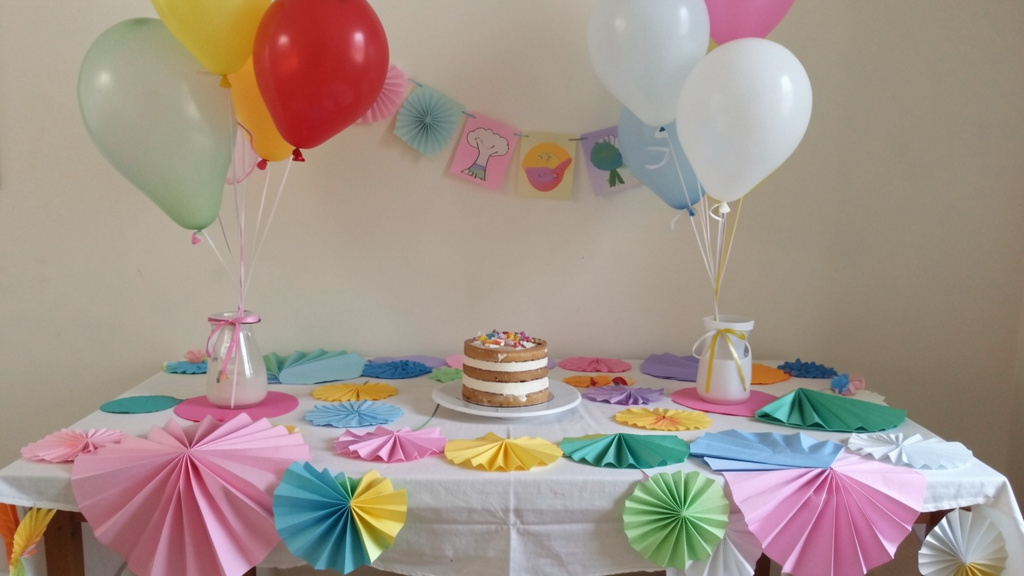
Create a birthday environment that feels intentionally designed for your child’s unique interests, developmental stage, and sensory needs—using accessible materials, prioritizing safety, and fostering genuine connection without overwhelm or excess.
Celebrations should center the child, not commercial expectations. This guide offers a flexible, research-informed approach to DIY birthday decorations that reduces caregiver stress while deepening your child’s sense of being seen. Grounded in principles of child development, environmental psychology, and inclusive design, you’ll discover how thoughtful decoration choices can support emotional security, encourage participation, and create lasting warmth—without requiring perfection, expensive supplies, or hours of complex crafting. Whether your child thrives on quiet moments or joyful activity, this framework adapts to their world.
Introduction: Shifting from Visual Noise to Meaningful Atmosphere
Step into any party aisle, and you’re met with a promise: more decorations equal more joy. Neon banners, glittering centerpieces, and character-themed kits suggest celebration requires visual saturation. Yet many families observe a different reality: children stepping away from overly busy setups, decorations ignored after minutes, or heightened anxiety in stimulating environments. This isn’t a reflection of your effort—it reveals a mismatch between commercial party aesthetics and children’s developmental needs.
Environmental psychology research indicates that intentionally simplified visual environments can support children’s focus and emotional regulation during events. Occupational therapy frameworks further emphasize that for neurodivergent children—and many neurotypical children in high-stimulus settings—excessive visual clutter, bright contrasts, or unpredictable elements may contribute to sensory discomfort. True celebration magic emerges not from quantity, but from coherence: decorations that reflect your child’s authentic interests, support their comfort, and invite gentle engagement. This guide moves beyond generic craft lists to offer a responsive system. You’ll learn to observe subtle cues, adapt choices to your child’s current stage, use everyday materials resourcefully, and embed safety seamlessly—so decorations become a quiet expression of care, not a source of pressure.
The Celebration Blueprint Framework: Theme • Color • Connection
Most decoration guides begin with “Pick a theme!”—a step that often leads to Pinterest-induced overwhelm. A surface-level theme (“dinosaurs,” “space”) rarely captures what specifically captivates your child right now. Does your child love dinosaurs for their gentle herbivore stories or fossil-hunting adventures? Is “space” about cosmic wonder or engineering rockets? Without nuance, decorations risk feeling impersonal.
The Celebration Blueprint offers three interconnected lenses—not rigid rules—to align every choice with your child’s experience. Use this framework flexibly; revisit it as your child’s interests evolve. It transforms decoration planning from a checklist into a reflective practice of attunement.
Pillar 1: Decode the Authentic Theme (Beyond the Label)
A meaningful theme reflects the emotional core of your child’s current fascination—not just the subject. This step ensures decorations resonate deeply rather than feeling like generic stock imagery.
Why this matters: When decorations mirror the specific aspect of an interest your child connects with (e.g., “observing constellations” vs. “aliens”), it communicates careful listening. This validation strengthens emotional security. Mismatched interpretations (e.g., aggressive imagery for a child drawn to gentle aspects) may cause subtle disconnection.
How to observe authentically:
– Listen for verbs: Does your child say “I want to explore the ocean” (curiosity) or “I want to protect sea creatures” (empathy)? Verbs reveal emotional hooks.
– Notice play patterns: During pretend play, are they building habitats, narrating stories, or solving problems? The activity illuminates the theme’s heart.
– Ask open questions: Instead of “Do you want a robot party?” try “What would your robot friend help you do today?” or “If we could add one magical detail to your birthday space, what would feel special?”
– Review recent creations: Check drawings, block structures, or stories for recurring symbols or scenarios. A spaceship drawing filled with labeled planets suggests scientific curiosity; one with smiling alien families hints at connection.
Illustrative example: A child consistently drew rockets with “windows to see Earth.” The authentic theme became “viewing our planet from space.” Decorations included a soft-blue “launch window” photo backdrop with a small Earth illustration, star maps of visible constellations, and table markers shaped like observation domes. The child later shared, “It felt like my idea came true.”
Common consideration: Interests shift. Revisit observations 1–2 weeks before the celebration for relevance. Avoid assuming based on a single past interest.
Resource-conscious tip: Keep brief notes in a phone memo over several days. Patterns in spontaneous comments often reveal the authentic theme without formal effort.
Pillar 2: Curate an Emotionally Supportive Color Palette
Color influences mood and physiological response. Strategic palette choices can foster calm focus or gentle energy—aligning the environment with your celebration’s intended pace.
Why this matters: Young children, especially under eight, process environmental stimuli intensely. Overstimulating combinations (e.g., high-contrast primaries across large areas) may unintentionally elevate agitation or shorten engagement. A cohesive palette creates visual “breathing room,” supporting comfort for both children and guests.
Building your palette: The 60-30-10 Guideline
– 60% Calming Base (Walls, Large Surfaces): Choose one muted, grounding tone: soft sage, warm oat, dusty sky blue, or gentle clay. Rationale: These hues support visual rest. Avoid stark white (clinical feel) or deep black (potential harshness).
– 30% Theme Accent (Banners, Table Elements): Select one color tied to your decoded theme. For “gentle forest,” use moss green instead of lime; for “stargazing,” deep indigo over electric blue. Rationale: Connects the calm base to celebration purpose without sensory load.
– 10% Gentle Spark (Small Accents): A subtle pop: terracotta, muted gold, or soft coral. Rationale: Draws attention to focal points (e.g., cake table) with warmth, not intensity.
Illustrative example: For a child fascinated by identifying sea creatures in books (“underwater exploration”), the palette used:
– 60%: Seafoam-green streamers draped softly across the ceiling
– 30%: Deep aqua table runner with a subtle wave texture
– 10%: Tiny coral-colored paper fish nestled among greenery
Guests noted the space felt “serene yet festive.” The birthday child, who typically became overwhelmed at gatherings, remained engaged, calmly pointing out “her” sea creatures.
Important consideration for sensory-sensitive children: Some children benefit from monochromatic schemes (shades of one calming color) or specific color limitations. When uncertain, lean toward earthy, muted tones. Consult an occupational therapist for personalized guidance if sensory processing differences are present.
Resource-conscious tip: Work with what exists. A beige sofa becomes your 60% base; a blue rug anchors the 30%. Supplement minimally with the 10% spark. Nature offers free palette inspiration: fallen leaves (ochre, rust), smooth stones (gray, taupe), or pinecones (warm neutrals) for centerpieces.
Pillar 3: Embed a Meaningful Connection Point
This pillar transforms decorations from passive scenery into elements that affirm your child’s presence and agency. A connection point is a subtle, intentional detail that signals: This space was shaped with you in mind.
Why this matters: Children thrive when environments reflect predictability and personal relevance. A single meaningful element—something they recognize as uniquely theirs—can reduce anxiety, foster pride, and shift the experience from “This was done for me” to “This includes me.” Psychological ownership deepens engagement and memory.
Types of connection points (select 1–2 to avoid clutter):
– Memory Anchor: Incorporate a gentle reference to a shared positive experience. Example: For a “camping” theme inspired by a real family hike, place a small framed photo of your child by a campfire on the gift table, labeled “Our Adventure.”
– Interactive Element: A low-pressure invitation to participate. Example: A “Wish Branch” where guests tie paper leaves with kind messages. The child takes it home as a keepsake.
– Personal Symbol: A recurring motif reflecting a valued trait. Example: Small paper stars hidden around the room for a child who loves counting; paper hearts woven into garlands for a child known for kindness.
– Sensory Pathway: A subtle feature supporting regulation. Example: A strip of artificial grass leading to the cake table for sensory seekers; a quiet nook with soft textures and muted colors for sensory avoiders.
Illustrative example: A shy five-year-old felt anxious in large groups. Parents created a “Brave Moments” station: pre-cut cardboard circles, stickers, and markers. Guests decorated a circle with a short message (“Brave Explorer!”). The child wore the growing collection on a string during the party. This provided guests a clear, positive way to connect and gave the child tangible affirmation. The circles were later displayed in their room as a reminder of support.
Common consideration: Simplicity carries weight. One deeply resonant element outweighs multiple generic ones. Ask: “Will my child recognize this as being specifically for them?”
Resource-conscious tip: Use existing meaningful objects. A favorite stuffed animal “hosts” the gift table. A recent drawing by your child is scanned, printed simply, and displayed as wall art for the day.
Guiding Principle: The success of decorations is measured not by visual complexity, but by moments of genuine connection—when your child feels calmly celebrated, secure, and seen within their own birthday space.
Age-Responsive Decoration Guidance: Aligning Choices with Developmental Needs
Decoration effectiveness depends on developmental stage, sensory profile, and individual temperament—not chronological age alone. Use this guidance flexibly, observing your unique child first. Safety considerations are integrated throughout.
Infants (0–12 Months): Prioritizing Caregiver Calm and Sensory Gentleness
At this stage, decorations primarily support caregiver comfort and create a serene backdrop. Infants perceive high-contrast patterns best within 8–12 inches, have limited visual processing capacity, and are easily overstimulated by movement, noise, or visual clutter. The goal is a calm environment where caregivers feel relaxed—because caregiver calm supports infant regulation.
Decoration Approach: Minimal, Strategic, Soothing
– Focus Areas: Entryway (for arrival photos), nursing/feeding nook, gift table. Avoid decorating entire living spaces.
– Colors: Ultra-muted base (creams, soft grays, warm whites). High-contrast accents only within infant’s direct line of sight (e.g., a black-and-white mobile above changing area). Avoid shiny or reflective surfaces near baby.
– Key Considerations:
– Entryway Sign: A small, elegant chalkboard: “Welcome to [Name]’s First Orbit.” Place away from where baby is held to avoid visual distraction during photos.
– Nursing Nook: Drape a lightweight muslin cloth over a lamp for diffused light. Place dried lavender (in a sealed pouch, out of reach) nearby for adult calm. Signal a dedicated rest space.
– Gift Table: Solid-color cloth (oatmeal, sage). Arrange gifts neatly. Add one subtle element: a framed newborn photo or footprint art. Prevents visual chaos during gift moments.
– Critical Safety Notes: Zero small parts, dangling strings, or balloons anywhere near infant. Secure all items firmly. Avoid strong scents (candles, potent flowers) near baby. Keep decorations above reach even when infant is held.
– What to Minimize: Balloons (choking hazard, loud popping risk), glitter (inhalation risk), complex backdrops requiring unnatural posing. Skip elaborate “smash cake” setups; focus on the shared moment.
Practical Note: Some families find that elaborate setups like balloon arches can overwhelm infants. Prioritizing caregiver comfort—such as a cozy chair, water nearby, and one simple banner—often creates a calmer atmosphere where both baby and adults feel at ease. Infants frequently respond most positively to the relaxed presence of loved ones.
Toddlers (1–3 Years): Clarity, Texture, and Predictable Pathways
Toddlers are mastering mobility and language. They seek predictability (“Where is the snack table?”) and learn through safe tactile exploration. Decorations should support independence while minimizing hazards. Overstimulation may manifest as hiding, meltdowns, or pulling at decorations.
Decoration Approach: Defined Zones, Tactile Options, Visual Calm
– Focus Areas: Use floor-level cues to define activity zones gently.
– Colors: Strictly follow the 60-30-10 palette. Solid colors preferred over busy patterns.
– Key Considerations:
– Zone Pathways: Use securely taped solid-color paper strips or fabric remnants to create gentle paths: green to play area, blue to snack table. Rationale: Provides visual predictability, reduces anxiety about movement, and guides flow.
– Texture Exploration Panel: Mount safe, varied textures (burlap square, smooth satin ribbon, laminated crinkly paper) on a low board. Label simply: “Feel the Birthday!” Rationale: Satisfies sensory curiosity safely; offers a focused activity.
– Photo Backdrop: Include one familiar comfort object: a favorite blanket draped over a chair, a beloved stuffed animal seated nearby. Rationale: Creates continuity and comfort in photos.
– Critical Safety Notes: Secure all items beyond toddler strength (heavy-duty tape, not string). No small detachable parts. Avoid tablecloths toddlers can pull. Keep balloon alternatives (paper lanterns) high and secured. Verify all materials are non-toxic.
– What to Minimize: Hanging decorations at eye level, complex centerpieces on low tables, “surprise” elements like popping confetti.
Practical Note: When decorations align with a toddler’s current fascinations—like replacing paper flowers with smooth, numbered stones for a child obsessed with counting—the decoration becomes a calming, engaging activity rather than a hazard. Observation guides adaptation.
Preschoolers (3–5 Years): Narrative, Co-Creation, and Symbolic Detail
Preschoolers inhabit rich imaginative worlds. They understand symbols (“This crown means it’s my special day”), crave roles in the celebration, and notice details adults overlook. Authenticity matters deeply.
Decoration Approach: Story Integration, Gentle Participation, Honored Details
– Focus Areas: Entrance (sets the story), main activity zone, cake table (ceremonial focal point).
– Colors: Slightly brighter accents permissible within the palette. Invite child to choose the “spark” (10%) color.
– Key Considerations:
– Story Starter Sign: At entrance: “CAUTION: Birthday Builder at Work! Hard Hats Required.” Include a basket of paper hard hats. Rationale: Immediately invites collaborative play.
– Collaborative Decoration Station: Pre-cut theme shapes (clouds, fish), glue sticks, large poster board. Sign: “Help Decorate [Name]’s Birthday Sky!” Rationale: Gives children agency; creates a meaningful keepsake; occupies early arrivals.
– Personalized Place Markers: For seated activities, simple cards with each child’s name and a tiny symbol (based on parent input: “favorite color/animal”). Rationale: Validates each guest’s presence; preschoolers feel deeply seen.
– Critical Safety Notes: Avoid small detachable parts. Ensure station materials are non-toxic and age-appropriate. Supervise lightly. Keep pathways clear.
– What to Minimize: Overly complex backdrops that don’t invite interaction. Decorations contradicting the child’s narrative (“Why is the dragon sleeping?”). Generic store-bought banners that feel impersonal.
Practical Note: Honoring a child’s specific request—like adding a second, smaller unicorn to a backdrop because “the birthday unicorn needs a friend”—often carries more emotional weight than elaborate, adult-designed elements. These micro-adjustments signal deep listening.
Early Elementary (6–8 Years): Precision, Pride, and Peer Awareness
Children this age develop strong opinions, notice inaccuracies, and care about peer perception. They feel pride in “big kid” celebrations and appreciate details that reflect their growing knowledge. Decorations should feel respectful, not babyish.
Decoration Approach: Accuracy, Subtle Personalization, Social Inclusion
– Focus Areas: Photo opportunities, activity stations, discreet “Easter eggs” for the birthday child.
– Colors: Slightly more complex palettes acceptable. Involve child in final color approval. Incorporate favorite color thoughtfully.
– Key Considerations:
– Accuracy Detail: For theme parties, include one researched element. Example: A “Solar System” mobile with correctly colored planets and simple labels. Rationale: Shows respect for their intelligence; sparks conversation.
– Private Birthday Detail: Hide one small, meaningful element only the birthday child will recognize. Example: Exactly seven stars on the cake banner if seven is their lucky number; a tiny image of a beloved book character tucked into flowers. Rationale: Creates a quiet moment of connection amid social activity.
– Group Photo Frame: Sturdy cardboard frame decorated simply with theme elements. Sign: “[Name]’s Birthday Crew, [Year]. Strike a Pose!” Rationale: Encourages organic group photos; gives children agency.
– Critical Safety Notes: Secure heavy items. Avoid decorations that could single out or embarrass any child (e.g., “Winner” banners). Ensure photo areas don’t create bottlenecks.
– What to Minimize: Overly cutesy fonts or imagery. Decorations requiring constant adult explanation. Anything that might make the birthday child feel infantilized.
Practical Note: Transforming a niche interest into a social strength—like labeling “fossil dig site” table markers with replica fossil names for a paleontology enthusiast—allows the birthday child to share knowledge proudly with peers.
Late Elementary & Tweens (9–12 Years): Authenticity, Autonomy, and Ambient Respect
Tweens navigate between childhood and emerging identity. They often reject overtly “kiddie” themes but aren’t ready for adult formality. They value authenticity, input, and environments that feel intentionally designed—not childish. Peer perception is significant, but forced “coolness” feels inauthentic.
Decoration Approach: Collaborative Curation, Ambient Mood, Minimal Clichés
– Focus Areas: Overall ambiance (lighting, music zone), subtle thematic touches, spaces for unstructured socializing.
– Colors: Sophisticated, muted versions of theme colors (charcoal vs. black, terracotta vs. red). Limit to 2–3 colors. Involve tween in selection.
– Key Considerations:
– Shared Mood Board: Weeks prior, browse images together. Ask: “What feels fun but not babyish? What colors feel like you right now?” Create a shared digital board. Rationale: Honors autonomy; ensures alignment with self-image.
– Ambient Lighting: Swap harsh overhead lights for warm-white string lights, battery-operated LED candles in jars, or smart bulbs on a calm setting. Rationale: Instantly creates a relaxed, “intentional” vibe tweens appreciate. Lighting profoundly affects mood.
– Interest-Based Station: Frame as an extension of their passions. Example: “Design Your Pixel Art” station with graph paper for gaming-interested tweens; “Build a Birthday Playlist” station with sticky notes for song requests. Rationale: Feels relevant and respectful.
– Critical Safety Notes: Secure lighting cords. Discuss social media boundaries beforehand (“We’ll take group photos; no posting without permission”). Avoid decorations that could feel mocking or infantilizing.
– What to Minimize: Balloons (often perceived as “for little kids”), cartoon characters unless explicitly requested, excessive glitter, loud repetitive music. Avoid hovering; create spaces for independent interaction.
Practical Note: When a tween co-designs elements—like choosing deep greens and gold string lights for an “enchanted forest” theme they helped define—the space feels authentically theirs. Comments like “It doesn’t look like a little kid party. It looks like me” signal successful alignment.
Twelve Adaptable DIY Projects: Purposeful, Safe, and Resource-Conscious
Each project includes developmental rationale, clear steps, safety notes, budget alternatives, and age adaptations. Prioritize safety: supervise creation, secure installations firmly, and reference the Age-Responsive Guidance section for stage-specific considerations. Most projects require under 45 minutes of active time using accessible materials.
Project 1: Cohesive Color Banner (All Ages, Adaptable)
Purpose: Defines space with visual rhythm. Using the 60-30-10 palette creates calm cohesion. Fabric/paper absorbs slight sound. Repetitive pattern offers comforting predictability.
Materials:
– 60% Base: 3 yards solid-color fabric (muslin, felt) OR 12 sheets cardstock
– 30% Accent: 1 yard contrasting fabric OR 6 sheets cardstock
– 10% Spark: Small scraps of accent fabric/paper or fabric paint
– Twine/ribbon (3 yards), hole punch, scissors, fabric glue/double-sided tape
– Optional: Child’s handprint stencil, simple stamps
Steps:
1. Cut 12 large triangles (6″ base x 8″ height) from base material. Cut 6 smaller triangles (4″ base) from accent material.
2. Glue small accent triangles centered onto large base triangles. Dry completely.
3. On 3–4 banners only, add the 10% spark: tiny painted star, small fabric scrap, or stamped symbol. Avoid decorating every banner—visual rest is essential.
4. Punch two holes at top of each banner. Thread twine through, spacing banners 4″ apart. Tie knots behind each to secure.
5. Hang securely using weight-rated removable hooks. Height: child’s eye level for younger children; higher for older. Avoid doorways.
Common Considerations:
– Too many colors/patterns creates visual noise. Stick to the palette.
– Hanging too low risks pulling. Secure firmly and test stability.
– Small text is hard to read. If adding words, use large, clear lettering.
Budget Alternatives:
– Ultra-Budget: Cut triangles from brown paper bags. Paint with diluted acrylics (tea-stain effect for base). Use hardware-store twine.
– Nature-Inspired: String large pressed leaves (laminated), pinecones (carefully drilled), or smooth stones (minimally painted).
Age Adaptations:
– Toddlers: Extra-large triangles (10″ base). Attach soft fabric scraps for texture. Hang only in designated play area.
– Preschoolers: Child stamps or adds one handprint to a banner. Keep text minimal (“HAPPY BIRTHDAY [NAME]”).
– Tweens: Sophisticated colors (charcoal, blush). Subtle metallic accents. Skip text; let color palette communicate.
Project 2: Low-Profile Table Centerpiece Cluster (Ages 3+)
Purpose: Anchors activity zones without blocking sightlines. Clustering 3 items at varying heights creates interest without clutter. Non-breakable, theme-linked items reinforce narrative subtly. Keeping height under 12″ ensures children see across the table for connection.
Materials (per table):
– Low container: Wooden crate, shallow basket, ceramic bowl (non-breakable)
– Filler: Crumpled tissue paper (base color), dried beans/rice (in sealed jar), artificial moss
– Three focal items: Vary heights. Example (Garden): Small potted succulent (real/silk), painted rock ladybug, mini wooden watering can.
– Optional: Small framed photo of child engaged in theme activity
Steps:
1. Line container with filler material to hide bases and add texture.
2. Arrange tallest item slightly off-center, medium opposite, shortest near edge. Ensure no item blocks table sightlines.
3. Secure items with museum putty or hot glue (adult-only) if accessible to young children.
4. Tuck a tiny framed photo (2×3″) of child enjoying the theme (e.g., planting seeds) into the cluster—this is the Connection Point.
5. Sit in a child’s chair. Verify clear sightlines and stability. Adjust as needed.
Common Considerations:
– Tall centerpieces block conversation. Keep under 12″.
– Fragile items pose hazards. Test stability thoroughly.
– Overcrowding causes visual chaos. Three items max per cluster.
Budget Alternatives:
– Kitchen Raid: Paint a muffin tin solid color. Fill cups with theme items: blue beads (water), green pom-poms (grass).
– Nature Walk: Arrange smooth stones, interesting twigs, fallen leaves in a bowl. Spray with matte sealant if desired.
Age Adaptations:
– Preschoolers: Include one interactive element: a sealed sensory bottle labeled “Shake for Birthday Magic!”
– Early Elementary: Add a small “fact card”: “Did you know ladybugs eat aphids? Happy Birthday, [Name]!”
– Tweens: Minimalist items: single interesting branch in vase, stack of vintage books tied with twine.
Project 3: Interactive Wish Branch or Memory Vine (Ages 4+)
Purpose: Embodies the Connection Point pillar. Transforms passive decoration into meaningful participation. Guests contribute well-wishes; child receives a tangible keepsake. The focused activity of writing/drawing can reduce party anxiety.
Materials:
– Base: Small potted sturdy branch (birch, willow) OR vine wrapped securely around a low frame
– “Leaves”: Pre-cut paper shapes (hearts, stars, leaves) in theme colors, hole-punched
– Writing tools: Short pencils, markers (test first)
– Basket for supplies, clear sign: “Write a Wish for [Name]!”
– Ribbon scraps (6″ pieces)
Steps:
1. Secure branch firmly in pot with rocks/floral foam. For vine, wrap tightly around frame.
2. Cut 30–40 paper shapes. Pre-punch hole at top. Sort by color into basket.
3. Place basket, tools, and ribbon near base. Post sign with simple visual instructions (icons helpful).
4. Early in party, birthday child hangs the first wish to model participation.
5. Post-party: Carefully remove leaves. Punch second hole. Bind with ribbon into a “Wish Book.”
Common Considerations:
– Fragile branches break. Test sturdiness beforehand.
– Leaves too small frustrate young writers. Minimum 3″x3″.
– Missing sign leads to confusion. Keep instructions clear and visual.
Budget Alternatives:
– Wish Wall: Hang large kraft paper. Title: “Our Wishes for [Name]!” Guests write directly. Roll up as keepsake.
– Recycled: Cut leaves from cereal boxes covered in colored paper. Use cut shoelaces for tying.
Age Adaptations:
– Preschoolers: Provide stamps/ink pads. Pre-write child’s name; guests draw one thing they like about them.
– Early Elementary: Include prompt ideas: “My favorite memory with [Name] is…”
– Tweens: Watercolor paper leaves, metallic pens. Frame final Wish Wall page. Title: “Messages for [Name].”
Project 4: Floor Pathway Markers (Ages 2–7)
Purpose: Guides movement intuitively, reducing chaos and anxiety about “where to go.” Provides visual predictability, especially supportive for neurodivergent children. Engages kinesthetically.
Materials:
– Removable floor decals OR contact paper + stencil
– Scissors, ruler, painter’s tape (for paper version)
– Theme stencil: Footprints, stars, arrows, animal tracks
Steps (Contact Paper Method):
1. Map path from entrance to key zones (snack table, activity area). Keep path width 12″+.
2. Trace stencil onto contact paper backing. Cut shapes. Peel backing; stick firmly to clean floor. Space evenly (6–8″ apart).
3. Secure edges thoroughly. For high-traffic areas, cover edges with clear packing tape (test first).
4. At decision points, add a small arrow decal pointing the way.
Common Considerations:
– Non-removable adhesives damage floors. Always test removability first.
– Narrow paths cause bottlenecks. Minimum 12″ width.
– Overly complex designs distract from purpose. Simple, repeated shapes work best.
Budget Alternatives:
– Paper Path: Cut shapes from construction paper. Secure every edge with painter’s tape. Best for low-traffic areas; replace if torn.
– Chalk Path (Outdoor): Draw path with sidewalk chalk. Add prompts: “Hop to the cake!” or “Follow the dinosaur tracks!”
Age Adaptations:
– Toddlers: Large, high-contrast footprints (black on light floor). Add texture: glue sandpaper to paper footprints.
– Preschoolers: Make interactive: “Step on the red star to find the treasure!” Hide small theme stickers along path.
– Early Elementary: “Challenge path”: “Walk only on the planets to reach the rocket!” Incorporates learning.
Project 5: Personalized Photo Backdrop (All Ages)
Purpose: Creates a dedicated, clutter-free space for meaningful photos. Incorporating a Connection Point element makes images emotionally resonant. Elevates casual photos into cherished keepsakes.
Materials:
– Backing: Large roll solid-color paper, flat bed sheet, or PVC frame with fabric
– Decorations: Items reflecting decoded theme and Connection Point
– Adhesive: Removable hooks, command strips, safety pins
– Lighting: Natural, diffused light preferred
Steps:
1. Choose wall with even, soft lighting (near window ideal). Ensure 6′ width x 7′ height clearance.
2. Hang backing smoothly. Wrinkles show in photos. Use multiple attachment points.
3. Layer decorations: Start with largest item. Add medium items. Place Connection Point element prominently but not centered (rule of thirds). Example: For a child who loves reading, hang a large paper book open to a page with their name.
4. Add dimension: Attach some items with foam squares for subtle shadow. Drape lightweight fabric (tulle, burlap) for texture.
5. Take a test photo. Check for distracting shadows, glare, or clutter. Adjust.
Common Considerations:
– Busy backing patterns compete with subjects. Solid color only.
– Harsh direct sunlight causes squinting. Soft, diffused light is ideal.
– Backdrop must extend above tallest adult’s head.
Budget Alternatives:
– Sheet Backdrop: Iron a flat bed sheet in your 60% base color. Drape over curtain rod or string between chairs.
– Nature Backdrop: Hang burlap. Attach non-poisonous branches, dried flowers, or large leaves with twine.
– Recycled Art: Cover cardboard boxes with wrapping paper. Stack as 3D elements (e.g., “cakes” for birthday theme).
Age Adaptations:
– Infants/Toddlers: Extremely simple: one large soft shape (cloud, heart). Focus on comfortable seating for caregiver holding baby.
– Preschoolers: Include one large, recognizable theme item they can interact with (sit on giant paper flower).
– Tweens: Minimalist. Solid color with one elegant element: single large paper flower, geometric shape in accent color.
Project 6: Calming Sensory Bottles (Ages 1–6, with Supervision)
Purpose: Provides a focused visual anchor. Slow movement of glitter/oil can support regulation and calm breathing. Ideal for children needing sensory breaks. Doubles as take-home favor.
Materials (per bottle):
– Clear plastic bottle with secure lid (thoroughly cleaned water/soda bottle)
– Fillers: Clear corn syrup (slows movement), baby oil, water
– Add-ins: Fine glitter (not chunky), small waterproof toys (smooth beads, tiny dinosaurs), food coloring
– Sealant: Hot glue (adult-only) around lid rim after filling
– Optional: Duct tape collar around lid for security
Steps:
1. Remove all labels. Wash and dry bottle completely.
2. Fill 1/3 with corn syrup. Add 10 drops food coloring. Add glitter and toys. Fill remaining 2/3 with baby oil. Leave 1″ air space at top.
3. Screw lid on tightly. Apply thin hot glue line around rim where lid meets bottle. Cool completely. Wrap duct tape around seam.
4. Shake vigorously. Check thoroughly for leaks. If any seepage, reseal.
5. Place in centerpiece cluster. Add small sign: “Shake Gently for Calm.”
Critical Safety Notes:
– PLASTIC BOTTLES ONLY. Glass is unacceptable.
– SEAL LIDS PERMANENTLY. Hot glue + tape is non-negotiable. Test extensively.
– NO SMALL PARTS INSIDE for children under 3 or who mouth objects. Use only large, smooth items.
– SUPERVISE USE. Designate an adult to monitor shaking. Not for unsupervised toddler access.
– ALLERGY CHECK: Avoid nut oils if allergies present.
Common Considerations:
– Water alone causes glitter to settle too fast. Corn syrup/baby oil mix is essential for slow motion.
– Overfilling causes leaks. Always leave air space.
– Skipping sealant risks catastrophic leaks. Never omit hot glue step.
Budget Alternatives:
– No Corn Syrup: Use 100% baby oil with glitter. Movement is faster but still calming.
– Natural Fillers (Older Kids, Supervised): Dried lavender buds in oil (calming scent), smooth stones.
Age Adaptations:
– Toddlers (Direct Adult Supervision): Only large, smooth items inside. Very short shaking time. Adult holds bottle.
– Preschoolers: Child chooses glitter color and one small toy. Frame as “making your calm-down bottle.”
– Sensory-Sensitive Children: Offer as a quiet station activity. Have extra bottles available.
Project 7: Welcoming Door Sign (All Ages)
Purpose: Sets emotional tone before entry. Communicates care and intentionality. Seeing their name and theme builds anticipation and pride for the birthday child.
Materials:
– Base: Wood slice, sturdy cardboard, canvas panel, or chalkboard
– Decorations: Paint, markers, minimal glued elements matching theme
– Hanging: Ribbon, twine, appropriate hook
– Optional: Clear sealant (Mod Podge, spray)
Steps:
1. Choose base material fitting your aesthetic.
2. Lightly sketch layout. Key elements: “Welcome to [Child’s Name]’s Birthday!” + one subtle theme element (single star, leaf). Less is more.
3. Create sign. For chalkboard: Use white chalk; seal with light hairspray to prevent smudging.
4. Apply sealant if needed for durability/outdoor use. Dry completely.
5. Hang securely at visible height for approaching guests.
Common Considerations:
– Overcrowding with text/decor reduces readability. Prioritize name and “Welcome.”
– Flimsy materials bend or tear. Choose sturdy base.
– Hanging too high/low causes it to be missed. Test visibility from approach path.
Budget Alternatives:
– Cardboard Elegance: Cut rectangle from cereal box. Cover with wrapping paper or paint. Write message. Seal edges with clear tape.
– Nature Sign: Smooth, flat stone. Paint message with acrylics. Seal with Mod Podge. Place on doorstep (not for hanging).
– Digital Print: Design on computer. Print on cardstock. Mount on dollar-store foam board.
Age Adaptations:
– Preschoolers: Include child’s handprint or footprint as part of design.
– Early Elementary: Child sketches design; adult executes final version. Shows respect for input.
– Tweens: Minimalist. Simple script font on neutral background. Skip “birthday” if preferred. “Welcome, Friends” feels mature.
Project 8: Hanging Paper Lantern Cluster (Ages 3+, Hung High)
Purpose: Adds dimension and soft ambient light without heat/fire risk. Clustered lanterns create a gentle focal point. Using palette colors ensures cohesion. Diffused light supports calm atmosphere.
Materials:
– 3–5 paper lanterns in varying sizes
– Spray paint (optional, for custom colors—outdoors only)
– LED string lights (battery-operated) OR ribbon for hanging
– Weight-rated command hooks
– Scissors, hole punch
Steps:
1. Optional: Lightly spray paint lanterns in palette colors. Test on one first. Dry completely. Skip if respiratory sensitivities present.
2. Open lanterns fully. Punch two small holes opposite each other near top wire frame.
3. Optional: Place single battery-operated LED tea light inside each lantern. Never use real candles.
4. Attach command hooks to ceiling at varying heights (6–12″ apart vertically). Thread ribbon through holes; tie securely. Arrange so lanterns don’t touch.
5. Verify no lantern is within child’s reach (minimum 7′ high). Test stability with gentle tug.
Critical Safety Notes:
– HANG HIGH AND SECURE. Minimum 7 feet from floor. Use hooks rated for double lantern weight.
– NO REAL CANDLES OR HEAT SOURCES. LED lights only.
– AVOID FLIMSY HOOKS. Match hook type to surface. When uncertain, place lanterns on high shelves instead.
Common Considerations:
– Hanging too low creates hazard. Measure twice.
– Too many colors causes visual chaos. Stick to 2 colors max from palette.
– Overcrowded cluster looks messy. Space intentionally.
Budget Alternatives:
– No Lanterns: Crumple tissue paper into loose balls. Secure with thread. Hang at varying heights for soft cloud effect.
– Paper Bag Luminaries (Outdoor Evening Only): Place LED tea light in paper lunch bag. Fold top. Line pathway. Supervise constantly; not for indoor use near flammables.
Age Adaptations:
– Preschoolers: Choose lanterns in their favorite color. Skip painting—keep simple.
– Early Elementary: Child helps arrange cluster height before final hanging.
– Tweens: All-white lanterns with subtle metallic accent (gold dot). Sophisticated ambiance.
Project 9: Birthday Journey Memory Display (Ages 4+)
Purpose: Celebrates the child’s unique growth journey. Fosters family connection and storytelling. Seeing their story visualized builds self-worth. Guests, especially relatives, engage meaningfully.
Materials:
– Backing: Long kraft paper strip, string with clothespins, or quiet wall space
– Photos: 8–12 printed images showing genuine joy and milestones (first steps, hobby moments, recent confidence)
– Labels: Small cards with year/event (“Age 3: First Garden”)
– Minimal decor: One small garland along top
Steps:
1. Select photos showing authentic joy and growth. Include a recent photo where child looks happy and confident. Avoid blurry or forced images.
2. Arrange chronologically on floor first. Ensure flow tells a positive, respectful story. Leave space between items.
3. Mount: Glue to paper backing with labels below, or clip to string with clothespins. Add small label below each.
4. Highlight current year: Make “Age [Current]” photo slightly larger or simply framed.
5. Optional Guest Interaction: Small basket with sticky notes and pen. Sign: “Share a favorite memory of [Name]!” Place notes below display.
Common Considerations:
– Too many photos overwhelms. Curate tightly (8–12 max).
– Potentially embarrassing photos (tantrums, awkward phases) disrespect dignity. When in doubt, skip.
– Place in quieter area to avoid bumping. Not in high-traffic zone.
Budget Alternatives:
– Digital Slideshow: Create simple slideshow on tablet. Title: “[Name]’s Journey to [Age]!” Set on loop at entryway. Ensure backup battery.
– Drawing Timeline: Display 4–5 of child’s own past drawings with labels (“Age 3 Drawing,” “Age 5 Masterpiece”).
Age Adaptations:
– Preschoolers: Focus on last 2–3 years. Large, clear photos. Simple captions: “Leo loved trucks at age 2!”
– Early Elementary: Child helps select photos. Include “Future Dream” section: “At age 10, I want to…” with drawing.
– Tweens: Always get tween’s approval on every photo. Focus on interests/achievements (“Age 9: Built first robot”). Skip baby photos unless explicitly requested. Frame as “My Story So Far.”
Project 10: Themed Snack Table Presentation (All Ages)
Purpose: Transforms functional area into thematic immersion. Clear labeling reduces anxiety (“What is this?”). Cohesive design makes food feel special. Thoughtful labeling shows care for all guests’ needs.
Materials:
– Tablecloth in 30% accent color
– Tiered stands (borrowed or DIY with cake pans/books)
– Small chalkboard signs or printable labels
– Theme containers: Paper cups, baskets, trays
– Micro-decor: Small garland along front edge, biodegradable confetti under clear tablecloth overlay
Steps:
1. Layer tablecloth. For hidden detail: Sprinkle biodegradable confetti under clear vinyl overlay. Visible but contained.
2. Elevate food using tiered stands for height variation. Place popular items at child eye-level.
3. Label clearly: Include allergens visibly (“Vegan,” “Nut-Free,” “Contains Dairy”). Use icons for non-readers (🌱).
4. Add micro-decor: Tie napkins with ribbon in 10% spark color. Place one small theme item near utensils (plastic dinosaur next to “Dino Dig” snack mix).
5. Safety check: Ensure no decorations touch food surfaces. Keep labels away from direct food contact.
Common Considerations:
– Over-decorating leaves no room for food. Prioritize function.
– Skipping allergen labels poses serious risk. Always label clearly.
– Non-food-safe materials near food (glitter, certain paints) must be avoided. Keep decor separate.
Budget Alternatives:
– DIY Tiered Stand: Stack 3 different-sized bowls/plates. Temporarily glue with museum putty. Cover seam with ribbon.
– Natural Labels: Write on small river stones with paint pen. “POPcorn,” “WATER.” Reusable.
– Napkin Rings: Cut strips from cardboard tubes. Paint or wrap in theme paper.
Age Adaptations:
– Toddlers: Picture labels instead of words. Photo of apple slice next to apples.
– Preschoolers: Playful snack names: “Unicorn Poop” (colored popcorn), “Dinosaur Eggs” (chocolate eggs). Match theme narrative.
– Tweens: Sophisticated labeling: “House-Made Lemonade,” “Veggie Crudité.” Avoid cutesy names unless requested.
Project 11: Quiet Corner Recharge Space (All Ages, Essential for Sensory-Sensitive Children)
Purpose: Provides a sanctioned, predictable space to step away from stimulation. Reduces overwhelm by offering a voluntary retreat. Shows deep care for all guests’ comfort. Knowing this space exists can reduce overall party anxiety for the birthday child.
Materials:
– Location: Quiet corner away from main activity (behind sofa, bedroom nook)
– Seating: Bean bag, floor cushions, soft blanket fort
– Lighting: Dimmable lamp, string lights on low, or draped dark fabric
– Calming items: Weighted lap pad (DIY: rice sock), fidget toys, quiet books
– Sign: “Quiet Corner: Take a Breather” with simple icon (crescent moon)
Steps:
1. Choose quietest spot. Block visual access to main party if possible (room divider, draped sheet).
2. Define space with rug. Arrange seating comfortably. Ensure easy entry/exit.
3. Control stimuli: Hang dark fabric over nearby window if needed. Use lamp with warm bulb (<40W equivalent). Avoid overhead lights.
4. Stock thoughtfully: 3–4 calming items: soft stuffed animal, noise-reducing headphones (borrowed), laminated “breathing exercise” card (trace hand, breathe in/out fingers).
5. Communicate purpose: Briefly mention to guests at start: “We have a quiet corner if anyone needs a break—no questions asked.” Normalize its use.
Critical Safety Notes:
– NEVER force use. Must be voluntary.
– Ensure visibility: Adult should be able to glance in periodically for safety, but space should feel private.
– Remove hazards: No small parts, secure heavy items.
Common Considerations:
– Framing as punishment (“Go to the quiet corner!”) is harmful. Present positively as a “recharge space.”
– Isolated locations (locked rooms) pose safety risks. Must be accessible but quiet.
– Overloading with items defeats calming purpose. Minimalism is key.
Budget Alternatives:
– Blanket Fort: Drape large blanket over table. Place cushions inside.
– DIY Weighted Pad: Sew two fabric squares. Fill with dried rice/beans. Sew shut. Add soft cover.
– Breathing Card: Print “5-Finger Breathing” graphic: “Trace your hand. Breathe in up thumb, out down side.”
Age Adaptations:
– Toddlers: Include familiar comfort item (their blanket if possible). Very simple: one cushion, one soft toy.
– Preschoolers: Add “calm-down jar” (sealed glitter bottle) and picture book about feelings.
– Tweens: Respect privacy. Include journal/pen, headphones, one theme-related item (sketchpad for art-interested tween). Sign: “Recharge Station.”
Project 12: Purposeful Take-Home Favor Tags (All Ages)
Purpose: Transforms generic favors into meaningful connection points. The personalized tag reinforces the party’s emotional core and reduces waste by linking favor to child’s interest.
Materials:
– Tag base: Cardstock, kraft paper tags, shaped cutouts
– Message: Handwritten or printed
– Attachment: Hole punch, ribbon, twine
– Favor: Simple, useful item aligned with theme and child’s interest (seed packet, pencil, soap)
Steps:
1. Choose favor first: One small, useful item aligned with decoded interest. Example: For “nature explorer” theme: sunflower seed packet (child’s favorite flower).
2. Craft message: Write short, specific note. Avoid generic “Thanks for coming.” Instead: “Thanks for exploring with me! Plant these sunflowers and watch them grow tall—just like you!” Include birthday child’s name signing off.
3. Attach thoughtfully: Punch hole. Tie securely to favor with ribbon in 10% spark color.
4. Display: Arrange favors neatly in basket at exit. Sign: “A little something to grow with!”
Common Considerations:
– Overpriced/impersonal favors (plastic toys) feel wasteful. Prioritize meaning over cost.
– Generic tags miss connection opportunity. Personalize the message.
– Forgetting allergies/sensitivities: Check with parents beforehand if favor involves food/scent.
Budget Alternatives:
– Seed Paper Tags: Make seed paper (blend recycled paper scraps with water, embed seeds, press flat). Cut into tags. Guest plants the tag!
– Nature Favor: Smooth stone painted with child’s initial. Tag: “You are one of a kind, just like this stone. Love, [Birthday Child].”
– Recipe Card: For baking theme: Mini recipe card for “Birthday Bliss Cookies.” Tag: “Bake these with someone you love!”
Age Adaptations:
– Preschoolers: Favor = small playdough container. Tag: “Thanks for playing with me! Love, [Name]” with handprint stamp.
– Early Elementary: Favor = custom bookmark. Tag includes book recommendation from birthday child: “My favorite book is… What’s yours?”
– Tweens: Favor = custom playlist QR code on card. Tag: “Music that makes me think of fun times. Hope it brings you joy too. —[Name]”
Safety Integration: Foundational Practices for Every Celebration
Safety is not an add-on—it is the essential foundation that allows creativity and joy to flourish without worry. This section integrates evidence-informed safety considerations directly into decoration planning, drawing from guidance by the Consumer Product Safety Commission (CPSC), American Academy of Pediatrics (AAP), and ASTM International standards. These practices support physical and emotional safety for all guests.
Universal Safety Checklist (Apply to Every Decoration Element)
Before finalizing any decoration, review this checklist. Keep it visible during setup.
- [ ] Choking Hazard Assessment: For children under 6, use the “toilet paper tube test.” If any decoration part fits entirely inside a standard tube, it poses a choking hazard. Remove or secure permanently out of reach. Includes small beads, button eyes on plush decor, detached sequins.
- [ ] Strangulation Risk Reduction: Eliminate dangling cords, strings, or ribbons longer than 7 inches in areas accessible to children under 8. Secure blind cords near backdrops, banner ties, or balloon ribbons tightly to walls or use cord shorteners.
- [ ] Fall & Tip-Over Prevention: Anchor all freestanding decorations over 18″ tall (trees, large centerpieces, backdrop stands) to wall studs using furniture straps. Test stability with a firm shake at the base. Keep pathways clear of tripping hazards (loose cords, low decorations).
- [ ] Fire Safety Practices: Use only LED lights (cool to touch). Discard light strings with frayed wires or damaged sockets. Avoid overloading outlets; use surge protectors. Keep all decorations (paper lanterns, fabric banners) at least 3 feet from heat sources (heaters, stoves). Note: Real candles are not recommended for children’s celebrations.
- [ ] Material Safety Verification: Ensure paints, glues, markers, and papers are labeled AP (Approved Product) non-toxic by ACMI. When uncertain, choose food-safe or certified non-toxic materials, especially near food tables or accessible to mouthing toddlers.
- [ ] Allergen Awareness: Avoid decorations containing common allergens in accessible areas. Use rice instead of peanut shells in sensory bins. Avoid strong floral scents near seating (can trigger asthma). Use mylar or paper alternatives instead of latex balloons (a top allergen). Post discreet signage if decorations contain potential allergens (e.g., “Floral arrangements contain lilies”).
- [ ] Clear Pathways: Ensure all emergency exits and main pathways remain completely unobstructed. Maintain a clear 36-inch wide path for movement. Decorations should never block doors, hallways, or stairwells.
Age-Responsive Safety Considerations
Infants & Toddlers (0–3 years): Heightened Vigilance
– Balloons are not recommended. Both latex and mylar balloons pose severe choking and suffocation risks. The CPSC identifies balloons as a leading cause of choking incidents in young children. Opt for paper pom-poms, fabric bunting, or streamers hung high.
– Secure all items thoroughly. Toddlers test stability. Use museum putty, heavy-duty double-sided tape, or command hooks rated for double the item’s weight. Test every attachment by tugging firmly.
– Zero small parts. Includes glitter (use chunky glitter glue applied before party, not loose glitter), sequins, beads, or detachable eyes on plush decor. If it can be pulled off, it’s a hazard.
– Soft edges only. Cover sharp table corners with bumpers. Avoid decorations with pointy edges (stars, arrows) at toddler height. Sand rough wood edges on DIY projects.
– Supervision note: Designate one adult during setup and party to gently monitor for hazards and support children near decorations.
Preschoolers & Early Elementary (3–8 years): Guided Awareness
– Balloon alternatives preferred. If used, mylar balloons must be tied securely to heavy weights and placed high out of reach. Never allow children to handle uninflated or broken balloons. Paper lanterns or fabric clouds offer equal festivity without risk.
– Tool safety during creation: When making decorations with children, use child-safe scissors (blunt tip), washable glue sticks, and non-toxic paints. Adults handle hot glue guns, exacto knives, or power tools. Store tools immediately after use.
– Water feature caution: If using water in sensory bottles or centerpieces, ensure containers are sealed permanently (hot glue + tape). Never leave open water containers unattended. Skip water tables for parties with mixed ages.
Tweens & Teens (9+ years): Collaborative Responsibility
– Involve in safety planning. Ask: “What would make this space feel safe and comfortable for you and your friends?” They often identify social or physical considerations adults miss.
– Electrical safety education: If they help set up lights, teach cord management (tape down cords, avoid tripping hazards) and outlet safety. Builds responsibility.
– Respect privacy boundaries: Ensure photo backdrops or quiet corners aren’t positioned where they could isolate or exclude others. Frame spaces as inclusive (“Recharge Station for Anyone”).
Efficient Setup Sequence Embedding Safety
- 72 Hours Before: Create non-perishable decorations. Test adhesives on surfaces. Safety Check: Verify non-toxic materials. Seal sensory bottles thoroughly; test for leaks.
- 24 Hours Before: Set up large structural elements only if safe to leave unattended: Anchor backdrop stands, hang high lanterns. Safety Check: Perform a “child’s-eye view” scan—get on hands and knees to spot hazards. Remove or secure risks.
- 3 Hours Before Party: Add food-safe elements, place centerpieces, set up quiet corner. Safety Check: Walk the full guest path (entrance to exit). Ensure clear pathways, no tripping hazards, exits unobstructed. Test all lights.
- 30 Minutes Before Guests Arrive: Place final delicate items (fresh elements, cake). Final safety sweep. Brief adult helpers on protocols (first aid kit location, quiet corner purpose, exits).
- During Party: Assign one adult as “flow supporter”—gently guiding traffic, noticing if a child seems overwhelmed, ensuring decorations remain secure. This preserves safety so joy can thrive.
Foundational Reminder: Safety practices are not limitations on creativity—they are the thoughtful guardrails that allow celebration to unfold with confidence. When caregivers feel assured about the environment, they relax. When children feel physically and emotionally secure, they engage more fully. This is the profound gift of intentional decoration.
Navigating Common Scenarios: Flexible, Compassionate Responses
Even well-planned celebrations encounter unexpected moments. A banner tears. Weather shifts plans. A child feels overwhelmed. This section offers practical, compassionate approaches focused on preserving the celebration’s spirit. Perfection is not the goal; connection is. Children remember how they felt, not whether every detail was flawless.
Scenario: A Decoration Breaks or Doesn’t Work as Planned
Center Yourself First: Take a slow breath. Smile. Say calmly (to yourself or nearby child): “Oops! Decorations sometimes have little adventures. Let’s adjust together.” Your calm presence models resilience. Children absorb emotional tone far more than physical imperfections.
Practical Adjustments:
– Torn Paper/Fabric: Keep a small “decoration kit” handy: double-sided tape (for invisible mends), fabric glue pen, clear packing tape (apply to backside), safety pins. For visible tears, reframe gently: “Look! This banner has a little character now.” Add a small drawn heart over the mend.
– Fallen Item: If rehanging isn’t feasible, repurpose immediately. A fallen paper star becomes a table centerpiece. A detached garland section becomes a napkin ring. Say: “It wanted to be closer to the fun!”
– Color Mismatch: Neutralize with what you have. Wrap a vase in solid-color paper. Drape sheer fabric over a tablecloth. Add greenery (real or faux) to blend elements. Nature harmonizes.
Preparation Tip: Create one extra of critical small items (banner triangles, favor tags). Store in kit. Test adhesives on a hidden spot 24 hours prior.
Scenario: Weather Requires Last-Minute Location Change
Moving Indoors from Outdoors:
– Scale Thoughtfully: Prioritize 3 key zones: entrance, main activity area, cake table. Skip perimeter decorations. Use existing furniture to define spaces (sofa as play area boundary).
– Lighting Shift: Turn off harsh overhead lights. Use all available lamps, string lights, or phone flashlights covered with colored tissue paper for soft glow. Dim lighting creates ambiance and hides minor imperfections.
– Vertical Space: Hang decorations high (ceilings, doorframes) to draw eyes up and enhance perceived space. Streamers from ceiling center create an instant canopy.
– Scent Adjustment: Simmer citrus peels and cinnamon sticks on the stove (supervised) to create a warm, inviting indoor scent.
Moving Outdoors from Indoors:
– Secure Everything: Use heavy rocks, sandbags, or water bottles in decoration bases. Tape down all paper items thoroughly. Skip loose confetti—use flower petals or biodegradable glitter sparingly.
– Sun Strategy: Position photo backdrop in shade. Use white poster board as a reflector for better photos. Provide shaded seating with canopy or umbrella.
– Wind Adaptation: Replace hanging banners with weighted table runners. Use low, heavy centerpieces (stones, succulents). Skip balloons entirely—they become hazards.
– Bug Consideration: Place citronella candles (LED version) or fans near seating. Avoid strongly scented flowers that attract bees near food areas.
Mindset Shift: “This isn’t a disrupted plan—it’s a shared adventure we’ll remember.” Children thrive on flexibility. Say: “The celebration wanted to be outside today! Let’s enjoy our backyard together.”
Scenario: A Child Feels Overwhelmed Near Decorations
Immediate, Gentle Response:
1. Validate First: Kneel to their level. “This feels like a lot right now, doesn’t it? It’s completely okay.” Never dismiss (“Don’t be silly”).
2. Offer Simple Choices: “Would you like to hold my hand while we walk through? Or start in the quiet corner?” Choice restores agency.
3. Adjust the Environment: Dim lights slightly if possible. Lower music volume. Remove one overwhelming element (e.g., turn off a spinning decoration). Say: “We can adjust this to feel better for you.”
4. Utilize the Quiet Corner: Guide them there calmly. “Let’s take three deep breaths together.” Have a comfort item ready (their stuffed animal, a fidget toy).
Preparation for Future:
– Preview Decorations: Show child photos of the setup before guests arrive. “This is what the party space will look like. What do you think?”
– Involve in Setup: Let them place one special decoration. Ownership reduces fear of the unknown.
– Create a “Comfort Signal”: Agree on a subtle hand signal they can use if feeling overwhelmed (“When you squeeze my hand twice, we’ll take a quiet break”).
– Start Gradually: Begin with just 2–3 close friends before others arrive. Gradual exposure builds comfort.
Important Note: If a child consistently shows distress around decorations or sensory elements, consult their pediatrician or an occupational therapist. Sensory processing differences are common and manageable with support. This is communication, not misbehavior.
Scenario: A Guest Comments Critically on Decorations
Graceful Response Examples:
– To Adult: Smile warmly. “Thank you for noticing the details! We focused on creating a space that felt just right for [Child’s Name]’s current interests. We’re so glad you’re here to celebrate with us!” Redirect focus to the child or shared moment. Avoid defending or justifying. Confidence disarms criticism.
– To Child Guest: Kneel calmly. “Every birthday is special in its own way, just like every person! [Birthday Child] loves [specific decoration element]. What’s something you enjoy here?” Redirect to positivity and inclusion.
– Internal Reminder: “This celebration centers my child’s experience, not external validation.” Criticism often reflects the speaker’s perspective. Protect your peace.
Preparation Tip: Set gentle expectations on invitations: “Join us for a cozy celebration at home!” Managing expectations proactively reduces mismatched assumptions.
Scenario: You Feel Exhausted and Decorations Feel “Meh”
Gentle Energy Restorers:
– Focus on One Focal Point: Choose one area to refresh (cake table). Add a sprig of greenery, straighten the tablecloth, light one LED candle. Intentional care in one spot elevates overall perception.
– Engage Other Senses: Lightly mist the air with a calming linen spray (lavender/vanilla). Play a curated playlist you enjoy. Swap one bulb for a warm LED. Small sensory shifts renew atmosphere.
– Delegate Warmly: Ask a willing guest: “Would you enjoy choosing the next song?” or “Could you help arrange these cookies beautifully?” People feel valued when contributing meaningfully.
– Reframe Success: Look at your child’s face. Are they smiling? Feeling celebrated? That is the true decoration. Whisper to yourself: “This is enough. We are enough.”
Enduring Truth: The most memorable element is your present, connected attention. When you pause the tasks, kneel to your child’s level, and truly see them—that is the magic they carry in their heart long after decorations are stored. Breathe. Connect. Celebrate the human, not just the habitat.
Your Questions, Answered
Q: How far in advance should I start making DIY decorations?
A: For a calm experience, begin non-perishable projects (banners, signs, favor tags) 1–2 weeks ahead. Complete structural setups (backdrops, anchored items) 24 hours prior. Add fresh elements (flowers, food displays) 1–2 hours before guests arrive. This pacing prevents last-minute stress while keeping materials fresh. Adjust based on your energy—starting small is better than burnout.
Q: What are the safest decoration options for toddlers?
A: Prioritize secured, low-sensory items: fabric bunting hung high, textured wall panels mounted firmly out of reach, floor pathways with securely taped shapes, and low centerpieces using large, non-breakable items. Avoid anything with small parts, dangling strings, balloons, or fragile elements. Always perform the “toilet paper tube test” and secure items beyond toddler strength. The Quiet Corner is especially valuable for this age.
Q: How can I involve my child in decorating without chaos?
A: Offer limited, meaningful choices: “Should the banner be blue or green?” or “Where should we place the Wish Branch?” For hands-on help, prepare materials in advance (pre-cut shapes, glue sticks ready) and frame it as a special pre-party activity: “Let’s make the welcome sign together!” Keep sessions short (15–20 minutes) and focus on one project. Their contribution—however small—builds ownership and pride.
Q: What if my child’s interests change right before the party?
A: Flexibility is key. Focus on adaptable elements: swap banner colors, change a centerpiece item, or adjust the Connection Point detail. A simple sign update (“Welcome to [Name]’s Adventure Day!”) avoids theme specificity. Remember: the emotional intent—celebrating them—matters far more than perfect thematic alignment. Your responsiveness to their current joy is what they’ll feel.
Q: Are there eco-friendly decoration alternatives?
A: Absolutely. Use natural materials: fallen leaves, pinecones, stones, or branches for centerpieces. Choose reusable items: fabric bunting, cloth tablecloths, glass jars for lighting. For paper needs, use recycled cardstock or repurpose brown paper bags. Avoid glitter (microplastic concern); use pressed flowers or stamped designs instead. After the party, compost natural items, reuse fabrics, and store durable pieces for future celebrations.
Q: How do I handle decorations for a child with sensory processing differences?
A: Prioritize predictability and control. Preview decorations with your child beforehand. Create a clear Quiet Corner with calming tools. Use the 60-30-10 palette with muted tones; avoid shiny, spinning, or noisy elements. Offer noise-reducing headphones upon arrival. Consult your child’s occupational therapist for personalized strategies. Most importantly, involve your child in decisions—“Would this feel okay?”—to build trust and agency.
Q: What’s the most budget-friendly decoration project?
A: The Cohesive Color Banner using materials you likely have: brown paper bags cut into triangles, painted with diluted acrylics or tea-stain effect, strung with twine. Alternatively, a Floor Pathway using construction paper shapes secured with painter’s tape. Both use the 60-30-10 palette for visual calm and take under 30 minutes. Nature walks also yield free, beautiful elements: interesting leaves, smooth stones, or pinecones arranged simply.
Q: How can I make decorations feel special without spending hours?
A: Focus on one intentional Connection Point. A single framed photo of your child enjoying their interest. A small “Wish Branch” where guests leave notes. A personalized door sign with their name. Depth in one meaningful element creates more impact than breadth of generic items. Also, leverage existing room elements: a cozy reading nook becomes the Quiet Corner; a favorite stuffed animal “hosts” the gift table. Intentionality > quantity.
Q: What decoration elements should I avoid for young children’s parties?
A: Avoid latex balloons (choking hazard, allergen), loose glitter (inhalation risk, environmental concern), small detachable parts (choking hazard), dangling cords longer than 7 inches (strangulation risk), fragile glass items near activity zones, and strong artificial scents near seating (asthma trigger). When in doubt, apply the toilet paper tube test and prioritize secured, non-toxic, soft-edged items.
Q: How do I store decorations for future use?
A: Sort by category: flat items (banners, signs) in large envelopes or portfolios; 3D items (lanterns, centerpieces) in labeled bins with tissue paper padding; fabric items folded neatly. Store in a cool, dry place. Take a photo of the assembled decoration and tape it to the storage container for easy future reference. For child-specific items (Memory Display photos), store digitally with a backup.
Q: Can decorations be adapted for multiple children’s birthdays?
A: Yes—focus on neutral base elements you can refresh. A solid-color fabric banner (60% base) can be updated with new accent triangles (30%) and spark details (10%) for each child. Reusable items like lanterns, string lights, or wooden crates work for any theme. The Connection Point is where personalization shines: swap the photo, change the Wish Branch prompt, or adjust the quiet corner items. This balances efficiency with individuality.
Q: How do I clean up decorations efficiently after the party?
A: Prepare storage containers before the party. As you take down items, sort immediately: recyclables in one bin, reusable items in labeled containers, keepsakes (Wish Branch notes) in a dedicated envelope. Enlist willing helpers for specific tasks (“You’re in charge of lanterns!”). Play upbeat music to make it feel like a closing ritual. Remember: cleanup is part of the process—be gentle with yourself. Even partial sorting reduces tomorrow’s burden.
Conclusion: The Heart of Celebration
Recap of Core Principles:
This guide centers three enduring ideas: First, decorations gain meaning when aligned with your child’s authentic interests and developmental needs—not commercial trends. Second, safety and sensory consideration are non-negotiable foundations that enable true joy. Third, a single thoughtful Connection Point carries more emotional weight than elaborate, impersonal displays. The Celebration Blueprint (Theme • Color • Connection) offers a flexible lens, not a rigid rulebook.
The 24-Hour Reflection:
Within one day after the celebration, share one photo with your child. Ask gently: “What was a happy moment for you?” Listen without correcting or adding your own narrative. This simple act honors their experience and reinforces that the decorations served their purpose: making them feel seen and celebrated. Store their words—they are the true keepsake.
The Bigger Perspective:
These decorations are more than paper, fabric, or light. They are quiet expressions of attention—a visual language saying, “I notice what matters to you.” In a world of noise, creating a space that honors your child’s inner world builds profound trust. Each thoughtful choice, each adapted detail, weaves a thread of security they carry forward. The goal isn’t a perfect party; it’s a moment where your child feels, deeply and simply, that they belong exactly as they are. That is the celebration that lasts.
Explore Further Guidance:
The Mindful Parent’s Guide to Stress-Free Party Planning | Sensory-Aware Celebrations: A Practical Handbook | Budget Birthday Creativity: 50 Projects Under $10 | The Connection Canvas: Artful Ways to Strengthen Family Bonds | Beyond the Birthday: Creating Meaningful Family Rituals | Child Development Insights: Understanding Growth at Every Stage | Sustainable Celebrations: Eco-Conscious Gathering Ideas